CHOOSING THE RIGHT BARBS FOR YOUR TANK

What Are Barbs? Understanding the Basics
Barbs are a diverse group of small to medium-sized freshwater fish from the family Cyprinidae. They are popular in home aquariums for their bold colors, playful schooling behavior, and relative hardiness. Barbs originate from a wide range of habitats throughout Asia and Africa, meaning their care requirements can vary from species to species. Recognizing these differences is key to choosing the right barb for your tank.
At their core, barbs are:
- Active swimmers that thrive in groups.
- Often semi-aggressive, especially in smaller numbers or with slower tankmates.
- Relatively easy to feed and breed with proper setup.
- Available in a range of sizes, from about 1.5 inches to over 6 inches.
Barbs can be a great fit for beginner to intermediate hobbyists when matched with the right tank setup and companions. Before adding them to your aquarium, it’s important to understand what makes each species unique, including temperament, size, water parameters, and diet.
Top Barb Species for Beginner and Intermediate Aquarists
Not all barbs are created equal. Some are more adaptable for beginners, while others require more specific care. Below is a breakdown of popular barb species to consider based on your experience level and tank goals.
Tiger Barbs (Puntigrus tetrazona)
Tiger Barbs are arguably the most well-known barb species, recognized for their bold stripes and playful behavior. They’re schooling fish that need company — at least six individuals — to minimize stress and reduce fin-nipping tendencies.
Care highlights:
- Tank size: Minimum 30 gallons for a school of six.
- Temperature: 74–79°F (23–26°C).
- pH: 6.5–7.5.
- Diet: Omnivore — flakes, pellets, and occasional live foods.
Pros: Hardy and affordable, perfect for new barb keepers.
Cons: Can nip fins if kept in small schools or with slow-moving tankmates.
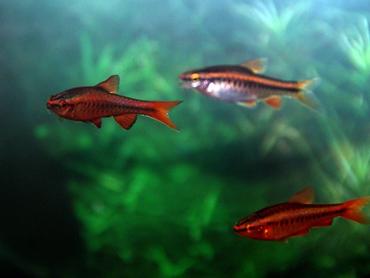
Cherry Barbs (Puntius titteya)
Cherry Barbs are a fantastic choice for community tanks. Males develop a striking red hue when mature, while females are more brownish. They are peaceful compared to Tiger Barbs and make a good addition to a mixed community setup.
Care highlights:
- Tank size: 20 gallons minimum.
- Temperature: 73–81°F (23–27°C).
- pH: 6.0–7.0.
- Diet: Omnivorous — enjoy a mix of flake, frozen, and live food.
Pros: Peaceful and colorful, great for planted tanks.
Cons: Not as bold in color without ideal water quality and diet.
Gold Barbs (Puntius semifasciolatus)
Gold Barbs are a visually appealing and relatively peaceful barb species. Their golden sheen makes them stand out, and they fit well into many community tanks that can accommodate their activity level.
Care highlights:
- Tank size: Minimum 30 gallons.
- Temperature: 72–78°F (22–26°C).
- pH: 6.5–7.5.
- Diet: Omnivorous.
Pros: Attractive coloration and generally calm behavior.
Cons: Can become shy if housed with larger, boisterous fish.
Odessa Barbs (Pethia padamya)
Odessa Barbs are a striking choice for intermediate hobbyists seeking strong coloration. Males exhibit a vivid red stripe along their bodies. They’re active and can coexist with other fast-moving fish.
Care highlights:
- Tank size: Minimum 30 gallons.
- Temperature: 75–80°F (24–27°C).
- pH: 6.5–7.0.
- Diet: Omnivorous — benefits from high-quality protein sources.
Pros: Eye-catching colors and engaging behavior.
Cons: Slightly more sensitive to water quality fluctuations.
Banded Barbs (Puntius kalahariensis)
Banded Barbs are less common but offer a unique look with striking body bands. They’re schooling fish that do best in groups of six or more.
Care highlights:
- Tank size: Minimum 40 gallons.
- Temperature: 72–77°F (22–25°C).
- pH: 6.8–7.5.
- Diet: Omnivore — accept most standard aquarium diets.
Pros: Attractive patterning and schooling activity.
Cons: Larger tank needed and not as widely available.
Tank Setup Essentials for Barbs
Setting up a tank that supports the health and happiness of barbs goes beyond just water parameters. Barbs are energetic fish that enjoy swimming space, environmental enrichment, and stable water conditions. Below are key setup considerations:
Tank Size and Stocking
- Always opt for a tank size that allows schooling behavior — groups of at least six fish are recommended for most barb species.
- A larger tank is better not only for swimming room but also for maintaining water quality and reducing aggression.
For example, a 30-gallon tank can comfortably house a group of Cherry Barbs paired with other peaceful community fish, while a 55-gallon or larger tank gives Tiger Barbs room to school and play without stressing slower tankmates.
Filtration and Water Movement
Barbs appreciate clean, well-oxygenated water. Choose a filter rated for your tank’s volume or slightly more to ensure proper biological filtration. Many barb species enjoy moderate water flow, which mimics their natural riverine habitats.
- Canister filters offer excellent biological filtration for larger tanks.
- Hang-on-back (HOB) filters are suitable for smaller setups.
- Consider adding a gentle powerhead or air stone to promote circulation if needed.
Substrate, Plants, and Decor
A natural-looking tank with plants and hiding spots helps reduce stress and provides visual interest for both fish and hobbyists. Barbs tend to be bold swimmers, so balance open swimming areas with secure cover.
- Use fine gravel or sand to support plant growth and mimic natural substrates.
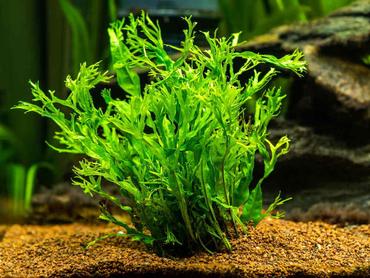
- Incorporate hardy plants like Java Fern, Anubias, or Amazon Swords.
- Add driftwood or rock structures for hiding spots and territorial boundaries.
Compatibility and Care Considerations
One of the most challenging aspects of choosing the right barbs for your aquarium is understanding how they’ll interact with other fish. Barbs are known for their active nature, and while some species — like Cherry Barbs — are fairly peaceful, others — like Tiger Barbs — can nip fins or harass more docile tankmates.
Schooling and Social Behavior
Barbs are social fish that exhibit their best behavior when kept in groups. A small school helps distribute attention and reduces the likelihood of aggressive displays toward other species. As a general rule:
- Keep at least 6 barbs together to minimize stress and fin-nipping.
- A larger group (8–12) can further dilute aggressive tendencies for boisterous species.
- Monitor group dynamics — even within a school, individual personalities can emerge.
Best Tankmates for Barbs
Barbs do well with many community fish that can handle their activity level and are not easily stressed by playful chasing. Some compatible options include:
- Other active schooling fish like danios.
- Fast-swimming rainbowfish.
- Minnow-type fish that can hold their own in an active tank.
- Peaceful bottom-dwellers like Corydoras catfish.
Avoid pairing barbs with long-finned or slow-moving fish like angelfish, bettas, or fancy guppies, as these can become targets of fin-nipping. Always research specific compatibility — differences exist even within species.
Feeding and Nutrition Tips
Barbs are omnivores and thrive on a varied diet. Feeding them high-quality foods helps maintain vibrant colors and strong immune systems.
- Use a staple of high-quality flake or pellet food formulated for tropical fish.
- Supplement with frozen or live foods such as brine shrimp, daphnia, or bloodworms.
- Offer plant-based treats like spirulina flakes or blanched vegetables.
- Feed 2–3 small meals per day rather than one large feeding to reduce waste and maintain water quality.
Overfeeding is a common beginner mistake. Uneaten food can quickly degrade water quality, leading to stress or disease. Always feed only what your fish can consume in a few minutes.
Common Beginner Mistakes With Barbs
While barbs are rewarding fish to keep, many beginners make predictable mistakes that can negatively affect their health and tank harmony. Being aware of these helps you avoid unnecessary headaches.
Underestimating Activity Levels
Barbs are dynamic fish that need space to swim. A small tank crammed with décor or paired with timid companions often leads to stress and aggression. Ensure adequate open water and consider tankmates that can handle a high-energy environment.
Ignoring Water Parameter Stability
Barbs, like all fish, are sensitive to changes in water conditions. Sudden swings in temperature, pH, or ammonia levels can quickly stress your fish, making them more susceptible to disease. Invest in reliable test kits and perform routine maintenance.
- Weekly water changes of 20–30% help maintain stable conditions.
- Test ammonia, nitrite, nitrate, pH, and temperature regularly.
- A quality heater and thermometer help prevent temperature swings.
Mixing Incompatible Tankmates
As discussed earlier, pairing barbs with slow-moving or long-finned fish often ends badly. Always research compatibility before adding a new species. For more on community tank planning, check out our article on community fish compatibility and our beginner’s guide to setting up your first tank.
Special Care Tips for Popular Barb Species
Each barb species has its own quirks and preferences. Below are species-specific tips to help you succeed.
Tiger Barbs — Managing Their Energy
Tiger Barbs are notorious for fin-nipping if they feel bored or overwhelmed. Keep them in larger groups, provide plenty of swimming space, and pair them with fish that can handle their pace. Clever use of décor that doesn’t block open swimming areas helps strike the right balance.
Cherry Barbs — Enhancing Color
Cherry Barbs show their best color when water quality is excellent and diet includes high-quality protein. Consider live or frozen foods like brine shrimp or bloodworms a few times a week to bring out deeper red hues in males.
Odessa Barbs — Gentle Environment
Odessa Barbs can be sensitive to water fluctuations. Maintain stable parameters and avoid abrupt décor changes in the aquarium. Frequent small water changes help keep conditions optimal and display their vibrant stripes.
Breeding Barbs: What to Expect
If you’re interested in breeding barbs, it’s important to understand basics of spawning behavior and setup. Many barb species are egg-scatterers, meaning they release eggs and sperm into the water column or over plants, without guarding the eggs.
- Provide fine-leaved plants or a breeding mop for eggs to settle in.
- Ensure a slightly higher temperature (toward the upper end of their range) to trigger spawning.
- Separate adults after spawning to prevent egg predation.
Barb fry are tiny and require specialized food like infusoria or finely crushed flake until they grow large enough for baby brine shrimp. Breeding success varies by species, so consult species-specific resources for detailed strategies.
Signs of Healthy vs. Stressed Barbs
Knowing how to interpret your fish’s behavior and appearance helps you act quickly if something goes wrong. Here are signs to watch for:
Healthy Barbs
- Active swimming and schooling behavior.
- Bright, consistent coloration.
- Clear eyes and intact fins.
- Regular eating habits.
Signs of Stress or Illness
- Clamped fins or lethargy.
- Loss of color or unusual darkening.
- Gasping at the surface or hiding excessively.
- Visible spots, lesions, or frayed fins.
If you notice any of these stress indicators, begin by testing your water quality and reviewing recent maintenance. Quick action often prevents minor issues from becoming serious problems.
Conclusion: Choosing Barbs That Fit Your Tank and Lifestyle
Choosing the right barbs for your aquarium can transform a basic fish tank into a lively, engaging aquatic display. Whether you’re drawn to the bold stripes of Tiger Barbs or the peaceful charm of Cherry Barbs, understanding species-specific needs and compatibility goes a long way toward long-term success. Remember to prioritize adequate tank size, maintain stable water conditions, and match barbs with suitable tankmates — this will help you create a thriving, harmonious underwater community.
Barbs are a rewarding group for both beginner and intermediate hobbyists, offering personality, color, and movement that few other fish can match. As you continue your aquarium journey, explore related topics like choosing the right fish food and filters for beginners to further refine your tank setup and care routines. Happy fishkeeping!


MOST RECENT ARTICLES