Every aquarium hobbyist, from the wide-eyed beginner to the seasoned pro, eventually faces the green (or brown, or black) menace: algae. It starts as a tiny smudge on the glass and, if left unchecked, can quickly transform a pristine underwater landscape into a tangled, murky mess. While your first instinct might be to reach for a bottle of chemical algaecide or a scrub brush, the most effective and sustainable way to manage these outbreaks is by enlisting a biological cleanup crew. However, not all algae-eaters are created equal. A fish that devours soft green film may completely ignore tough, tufted black beard algae, and a snail that excels at cleaning rocks might starve in a tank plagued by stringy hair algae. Success in the hobby requires matching the specific species of scavenger to the exact type of algae manifesting in your system. By understanding the "dietary specialties" of the various fish and invertebrates available, you can move away from reactive scrubbing and toward a balanced, self-cleaning ecosystem that lets you spend more time enjoying your fish and less time fighting the glass.
Green Spot and Film Algae: The Glass Cleaning Specialists
Green spot algae (GSA) and soft green film are perhaps the most common nuisances in the freshwater hobby. GSA presents as small, hard, circular spots on the glass and slow-growing plant leaves, while film algae creates a slippery dust that seems to reappear just hours after you scrape it off. Because these varieties are often firmly attached to surfaces, you need inhabitants with specialized mouthparts designed for "rasping" or scraping. The absolute champion of the glass is the Nerite Snail. Unlike many other snails, Nerites are unable to reproduce in freshwater, meaning you won't experience a population explosion, and their ravenous appetite for GSA is unmatched. They possess a radula—a tongue-like structure with tiny teeth—that can effectively grind down even the hardest algae spots.
For those who prefer a finned companion, the Otocinclus Catfish (or "Oto") is an essential addition to a community tank. These tiny, schooling catfish are focused almost entirely on soft green film and diatoms. They are delicate, however, and should only be added to a well-established aquarium. Another excellent scraper is the Bristlenose Pleco (Ancistrus spp.). Unlike common plecos that grow far too large for most home tanks, the Bristlenose stays at a manageable 4 to 5 inches and will tirelessly work the glass and driftwood. These species are the backbone of a solid cleanup crew, ensuring your view remains unobstructed without the need for constant manual scraping.
Nerite Snails: Best for hard Green Spot Algae on glass and rocks.
Otocinclus Catfish: Ideal for soft green film and diatom outbreaks in planted tanks.
Bristlenose Pleco: A hardy option for scraping algae off driftwood and broader surfaces.
Mystery Snails: Great for general detritus and soft algae, though less effective on hard spots.
Hair and String Algae: The Grazers and Pullers
Few sights are more frustrating than hair algae—a long, thread-like growth that wraps around your plants like a green spiderweb. Because this algae is fibrous, it requires creatures that can actually "tug" and consume long strands. The undisputed king of this category is the Siamese Algae Eater (SAE). It is one of the few fish that will actively hunt down thread and hair algae. Be careful not to confuse them with the "Flying Fox" or the "Chinese Algae Eater," which look similar but often become aggressive or stop eating algae as they age. A true SAE (Crossocheilus oblongus) has a black stripe that extends all the way through its tail fin and has no "serrated" edges on that stripe.
In the invertebrate world, Amano Shrimp (Japonia multidentata) are legendary for their ability to clear a tank of hair algae. Named after the legendary aquascaper Takashi Amano, these shrimp are larger and more robust than typical cherry shrimp. They work in groups to systematically pick through mosses and fine-leaved plants, removing the silken threads of algae that are impossible for humans to pull out by hand. For smaller tanks where a Siamese Algae Eater might be too large, a colony of Amano shrimp is the most effective biological defense against a "hairy" tank. It is vital to ensure the process of cycling a fish tank is fully complete before adding Amano shrimp, as they are sensitive to nitrogen fluctuations.
Siamese Algae Eater: The most reliable fish for long hair and string algae.
Amano Shrimp: Precision cleaners that can reach into the center of mosses and fine plants.
American Flagfish: A colorful North American native known to pick at hair and even some hair-like brush algae.
Mollies: Often overlooked, these livebearers frequently graze on soft hair algae at the water's surface.
Black Beard and Brush Algae: The Difficult Defenses
Black Beard Algae (BBA) is the "final boss" of the algae world. It appears as dark, tufted patches that look like fur on the edges of leaves and filter outlets. It is notoriously difficult to remove because it is incredibly tough and distasteful to most fish. However, there are a few specialists that can help. The Siamese Algae Eater is again a primary candidate here, as it is one of the very few fish documented to eat BBA when it is young. Another surprising contender is the Florida Flagfish, which has a rugged appetite for tougher algae varieties. If you have a larger tank, certain varieties of Rosy Barbs have been known to pick at these tufts, especially when other food sources are limited.
If biological control isn't working on BBA, it often points to a CO2 fluctuation or a nutrient imbalance. Before adding more fish, it is worth checking the dangers of high ammonia, nitrite and nitrate to ensure your water chemistry isn't fueling the fire. Some hobbyists use a "spot treatment" of liquid carbon to weaken the BBA, which makes it softer and more palatable for Siamese Algae Eaters or Amano shrimp to consume. This combination of chemical weakening and biological consumption is often the only way to truly eradicate a BBA infestation without discarding the affected plants entirely.
Brown Diatoms and Blue-Green Algae: The New Tank Syndrome
If you have recently set up a tank, you are likely seeing a dusty, brown coating on your ornaments and substrate. These are diatoms, often called "brown algae," though they are technically a different organism. The good news is that diatoms are a favorite snack for almost every algae-eater. Otocinclus catfish and Nerite snails will clear a diatom outbreak in a matter of days. In most cases, diatoms will disappear on their own as the tank matures and the silicates in the water are depleted, but having a cleanup crew speeds up the transition to a beautiful tank significantly.
On the other hand, Blue-Green Algae (BGA) isn't algae at all—it is a Cyanobacteria. It looks like a slimy, blue-green sheet that smells earthy and can be peeled off in chunks. Because it is a bacteria and can be toxic, almost no fish or snails will eat it. If you see BGA, adding an algae-eater is not the solution. Instead, you need to improve water flow and possibly treat the tank with an erythromycin-based medication. Understanding the difference between "true" algae and Cyanobacteria is a key skill for any intermediate hobbyist, as it prevents you from buying animals that won't actually solve the problem at hand.
Compatibility and Care: Keeping the Cleanup Crew Healthy
One of the biggest mistakes beginners make is assuming algae-eaters can survive solely on the "scraps" in the tank. If your cleanup crew is successful, they will eventually run out of their primary food source. You must supplement their diet with high-quality algae wafers, blanched zucchini, or cucumber to prevent them from starving. Additionally, you must consider the temperament of your existing fish. For example, Amano shrimp are hardy, but they will still be eaten by large Cichlids or predatory fish. Always refer to the basics of freshwater fish compatibility before adding new scavengers to your display.
Environmental parameters are also critical. Siamese Algae Eaters and Otocinclus require high oxygen levels and clean water, while snails need a specific level of calcium in the water to maintain their shells. If your water is too soft, a Nerite snail's shell will begin to dissolve. Furthermore, some algae-eaters, like the Chinese Algae Eater, are often sold as "peaceful" juveniles but grow into territorial, foot-long fish that may latch onto the sides of larger, flat-bodied fish (like Discus) to eat their slime coat. Researching the adult size and behavior of your cleanup crew is just as important as researching your centerpiece fish.
Target Feed: Use sinking wafers to ensure bottom-dwellers get enough nutrition.
Check Calcium: Essential for the shell health of Nerite and Mystery snails.
Avoid "Monster" Scavengers: Steer clear of Common Plecos and Chinese Algae Eaters unless you have a 100+ gallon tank.
Schooling Needs: Otocinclus and Siamese Algae Eaters are social and should be kept in groups of at least 3 to 6.
Copper Sensitivity: Most invertebrates (shrimp and snails) are highly sensitive to copper-based medications.
Takeaway: Matching the Eater to the Outbreak
Algae is a natural part of any aquatic ecosystem, but it doesn't have to dominate your view. By identifying whether you are dealing with Green Spot, Hair, or Black Beard algae, you can choose the specific biological partner best equipped to handle the job. Remember that the "perfect" cleanup crew usually consists of a mix of species: Nerites for the glass, Amano shrimp for the plants, and perhaps a school of Otocinclus for the fine film. However, never forget that these animals are living beings with their own care requirements, not just "tools" for cleaning. Maintain your water quality, supplement their diets, and ensure they are compatible with your tank mates for the best results. Are you ready to reclaim your tank from the green menace? Browse our species profiles at RateMyFishTank.com to find the perfect biological match for your aquarium today! If you found this guide helpful, why not share your own cleanup crew success stories in our community forums or read our latest guide on advanced aquascaping techniques?
African cichlids are among the most captivating freshwater fish in the aquarium hobby, renowned for their brilliant, marine-like coloration and high levels of activity.
Standing in the aquarium store aisle, staring at dozens of colorful containers, can quickly turn what should be a fun feeding routine into an overwhelming guessing game.
For many aquarium hobbyists, transitioning from a basic community setup—where species from different continents share a single glass enclosure—to a dedicated natural display represents the ultimate evolution in fishkeeping.
Embarking on the journey of fishkeeping is one of the most rewarding endeavors a nature lover can undertake, offering a unique blend of artistry, biology, and peaceful observation.
Stepping into the world of live aquatic plants is often the moment a casual fish keeper becomes a true aquarist, transitioning from someone who simply "has fish" to someone who "maintains an ecosystem.
he Guppy (Poecilia reticulata) is arguably the most iconic species in the aquarium hobby, often serving as the gateway fish for generations of successful aquarists.
Maintaining a thriving freshwater aquarium is about much more than just a beautiful glass box and colorful fish; it is about managing a delicate, invisible ecosystem that exists within your living room.
The fish you choose to stock your tank is not a decision that should be made lightly. The articles in this category will help you understand the basics of fish compatibility and will provide you with other information you need to make an informed decision when stocking your tank.
Often referred to as the Dragon Fish due to their shimmering, armor-like scales and majestic, undulating movements, the Arowana is the ultimate centerpiece for any serious freshwater aquarist.
If you have ever spent more than five minutes browsing a freshwater fish gallery, you have likely encountered the charming, industrious, and perpetually busy Corydoras catfish.
Stepping into the world of reef keeping is often described as the final frontier for the aquarium enthusiast, transforming a standard saltwater setup into a pulsing, glowing, and living tapestry of biological wonder.
When aquarium enthusiasts transition from a standard 20-gallon starter kit to a large-scale home aquarium, they often find themselves searching for fish that can truly fill the space with color and movement.
Freshwater shrimp have exploded in popularity over the last decade, evolving from niche cleanup crew members to the absolute stars of the home aquarium.
Creating a visually stunning aquarium is often compared to painting a living canvas, where the fish serve as the vibrant brushstrokes that bring the underwater landscape to life.
Freshwater crayfish are the rugged, charismatic architects of the invertebrate world, bringing a sense of prehistoric wonder and activity to any home aquarium.
There is nothing quite as mesmerizing in the aquarium hobby as a synchronized group of fish moving as a single, shimmering unit across a well-planted tank.
For decades, catfish have been the unsung heroes of the freshwater aquarium, serving as the backbone of the "cleanup crew" while providing a level of personality and behavioral depth that few other fish can match.
Apple snails are often overlooked by beginner and intermediate aquarists, yet these charismatic invertebrates can add fascinating behavior, eye-catching color, and beneficial cleanup activity to your freshwater aquarium.
If you’ve ever noticed pristine aquarium glass, spotless decorations, or felt mystified by a snail that seems to magically keep your tank algae-free, chances are you’re thinking about nerite snails — one of the most popular grazing snail species in the freshwater and saltwater aquarium hobby.
The Wolf Cichlid, known scientifically as Parachromis dovii, is one of the most talked-about freshwater fish in the aquarium hobby, admired for its intelligence and power while simultaneously feared for its aggression and size.
The 10-gallon aquarium occupies a unique and cherished space in the fish-keeping world, serving as the definitive starting point for countless beginners while offering a sophisticated "nano" challenge for seasoned veterans.
For many years, aquarium snails were unfairly labeled as nothing more than "pests" that hitched a ride on live plants and overran tanks with lightning speed.
Setting up a new aquarium is easily one of the most thrilling parts of the fishkeeping hobby, but figuring out how to stock it properly can make or break your success.
Transitioning from a freshwater setup to a marine environment is one of the most exciting milestones for any fishkeeper, but it also brings a steep learning curve.
Creating a vibrant, peaceful underwater world is one of the most rewarding aspects of the aquarium hobby, but success hinges entirely on one fundamental principle: fish compatibility.
Among the thousands of freshwater fish species available in the aquarium trade, few families command as much fascination, admiration, and passionate debate as cichlids.
Every freshwater aquarium owner eventually faces the dreaded green invasion: patches of slimy algae creeping across the glass, coating decorations, and smothering live aquatic plants.
Freshwater angelfish (Pterophyllum scalare) are one of the most captivating and graceful species in community aquariums, with their tall, flowing fins and curious personalities.
Red Bellied Pacus are among the most fascinating and rewarding fish for freshwater aquarium enthusiasts, but they’re also fish that come with unique needs and challenges.
If you’re diving into the colorful world of freshwater aquariums and want active, charismatic fish that add energy and interest to your tank, few groups deliver like barbs — from the classic Tiger Barb to the dazzling Cherry Barb — but choosing the right barb species for your tank requires more than just picking your favorite color.
There is perhaps no sight more captivating in the aquarium hobby than a tight-knit school of iridescent fish moving in perfect unison across a lushly planted backdrop.
With their shimmering iridescent scales and deliberate, graceful movements, Dwarf Gouramis (Trichogaster lalius) have earned their place as one of the most beloved centerpieces in the freshwater hobby.
If you’ve ever visited a pet store or aquarium show you may have noticed a group of tough-looking, algae‑eating fish whisking along the glass and decor — the plecostomus.
For many years, the aquarium hobby viewed gobies as the exclusive crown jewels of the saltwater world, often associated with colorful reefs and symbiotic relationships with pistol shrimp.
Embarking on the journey of setting up your first freshwater aquarium is an exhilarating experience that blends art, science, and a touch of nature right in your living room.
Fish bowls are one of the most recognizable symbols of fishkeeping, often associated with simplicity, minimal effort, and a single fish gently swimming in a clear glass sphere.
Wall mounted fish tanks have transformed from futuristic novelties into a popular design choice for modern aquarium hobbyists looking to save floor space while adding a living piece of art to their home.
Bringing home new fish is one of the most exciting parts of the aquarium hobby, but what you do during the first hour after arriving home can determine whether your new pets thrive or struggle.
Setting up a new aquarium is easily one of the most exciting moments in the fishkeeping hobby, whether you are filling a humble 10-gallon desktop tank or installing a majestic 120-gallon display reef.
Every passionate aquarist eventually reaches a pivotal moment in the hobby: standing in front of an established aquarium, watching fish weave through plants, and realizing that the current setup has reached its absolute limit.
Moving to a new home is one of life's most stressful experiences, but when you add a fully functioning freshwater or saltwater aquarium to the mix, that anxiety can double overnight.
Setting up a new freshwater aquarium is one of the most exciting and rewarding journeys in the fish-keeping hobby, but selecting the right tank is the single most critical foundation you will build.
Starting a freshwater aquarium is one of the most deeply rewarding journeys you can undertake in the pet-keeping world, but transforming a static glass box into a thriving, self-sustaining underwater ecosystem requires navigating a surprisingly steep learning curve.
Maintaining a freshwater aquarium is a deeply rewarding journey that brings a slice of nature into your home, but the transition from a simple glass box to a thriving ecosystem requires more than just water and fish.
Often hailed as the "King of the Aquarium," the Discus (Symphysodon) is a breathtaking centerpiece for any freshwater enthusiast, boasting a majestic saucer-like shape and a kaleidoscopic array of colors and patterns.
The modern aquarium hobby is often defined by high-tech gadgetry, from pressurized CO2 systems to canisters that look like they belong in a laboratory.
There is an undeniable majesty in keeping large freshwater fish, from the prehistoric allure of an Arowana to the puppy-like personality of a large Oscar.
Maintaining a thriving aquarium is a labor of love, but even the most diligent hobbyists will eventually encounter a sick fish or a sudden outbreak of disease.
Building a successful freshwater aquarium often starts with the fish, but it is the lush, green backdrop of live plants that truly brings the ecosystem to life.
Few things in the aquarium hobby match the breathtaking beauty of a lush, thriving planted freshwater tank, where vibrant greenery creates a natural underwater ecosystem for your livestock.
A lush, vibrant planted aquarium is one of the most breathtaking features you can add to your home, turning a simple glass box into a thriving underwater ecosystem.
There is something inherently magical about a lush, vibrant underwater garden, but for many hobbyists, the challenge lies in finding the perfect inhabitants to compliment that greenery.
Live aquarium plants do far more than make a tank look beautiful—they actively improve water quality, provide shelter for fish, and create a more stable ecosystem.
For many beginner aquarists, the prospect of managing a complex nutrient-rich substrate system—complete with root tabs, specialized soils, and the risk of anaerobic gas pockets—can be enough to delay their dreams of a lush, green tank.
Lighting is far more than a simple aesthetic fixture that brightens your living room; it serves as the foundational life-support engine for your entire aquatic ecosystem, influencing everything from the biological circadian rhythms of your fish to the photosynthetic success of live aquatic plants and the management of unwanted algae blooms.
When you set up a freshwater aquarium, choosing the right fixture is often treated as an afterthought or purely aesthetic decision to make your fish look bright and colorful.
Achieving the perfect aquatic display requires far more than simply selecting an eye-catching background, stacking ornate hardscape rocks, or picking out colorful gravel at your local fish store; finding the right balance with aquarium lighting is the fundamental biological secret to maintaining a thriving, disease-resistant underwater ecosystem.
Walking into a local pet shop or browsing an online aquatics retailer can feel incredibly overwhelming when you look at the sheer wall of filtration options available today.
There is nothing quite as alarming for an aquarium owner as walking up to a tank only to hear a sputtering motor, notice a sudden drop in water output, or see your fish gasping near the surface because the filtration system has failed.
When you first set up your aquarium, whether it’s a freshwater community tank with neon tetras or a saltwater reef with clownfish, one of the most important but often misunderstood aspects of keeping water clear and fish healthy is filter media — the materials inside your filter that help remove waste and keep the water balanced.
Sponge filters are one of the simplest, safest, and most underrated filtration systems in the aquarium hobby—and the good news is that you don’t need to buy one to enjoy the benefits.
Entering the marine aquarium hobby often begins with a single moment of awe: watching a vibrant yellow tang glide past a rich reef backdrop or seeing the electric violet and gold hues of a royal gramma flash through live rock.
Whether you keep a single energetic Betta fish in a planted desktop tank or a thriving community of Amazonian cichlids, watching your aquatic pets hunt and consume live prey is undeniably captivating.
Observing your favorite aquarium fish floating sluggishly near the substrate, displaying a visibly distended abdomen, or struggling to swim without rolling sideways can cause immediate panic for any fish keeper.
Algae wafers are a staple food for plecos, otocinclus, snails, and other algae-eating aquarium residents—but many hobbyists notice their tank water turning cloudy soon after feeding.
Few things match the simple, peaceful joy of watching a vibrant school of neon tetras or a majestic pair of angelfish glide smoothly through a beautifully aquascaped aquarium.
Every passionate aquarist eventually faces a moment of crisis when a prized fish exhibits symptoms of illness, whether it is a stubborn case of Ich, frayed fins, or unexplained lethargy.
Observing your aquatic pets glide peacefully through a glass display is one of the most rewarding aspects of keeping an aquarium, but when a fish suddenly starts swimming erratically, hiding constantly, or showing unexpected aggression, it can cause immediate worry.
Few sights are more distressing for an aquarium hobbyist than looking into a tank and seeing a beloved fish with a bloated body and scales that stick out like a pinecone.
Few experiences in the aquarium hobby are as universally frustrating as looking into your display tank only to find hazy, murky, or milky water obscuring your aquascape and fish.
As the mercury rises and we start reaching for the air conditioning remote, it is easy to forget that our underwater companions are feeling the heat just as much as we are—if not more.
It is the ultimate nightmare for any aquarium owner: you spend an afternoon performing what you think is a helpful, routine water change, only to wake up the next morning to find your prized Discus gasping at the surface or your school of Neon Tetras floating lifelessly.
There is nothing quite as frustrating as sitting down to enjoy your aquascape, only to find yourself staring at a murky film of green or brown slime coating the front pane.
Setting up a brand-new aquarium is easily one of the most exciting moments for any fish enthusiast, but rushing to fill your glass box with colorful livestock right after adding water is the single fastest way to encounter heartbreak.
Discovering dozens of tiny snails clinging to your aquarium glass, rocks, and plants can feel like an overnight invasion, leaving even experienced fishkeepers wondering where they all came from.
Planning a vacation should be a time of pure relaxation and excitement, but for the dedicated aquarium hobbyist, it often brings a wave of "tank anxiety" that is hard to shake.
Setting up a new aquarium is an exciting milestone, but many beginners focus so much on choosing vibrant fish and beautiful aquascaping that they overlook the single most vital element of the entire setup: the water.
Setting up a new freshwater aquarium is an exciting milestone for any hobbyist, but rushing to add fish before your tank's biological filter is established is a recipe for disaster.
There is a shared, deeply frustrating rite of passage that almost every aquarium hobbyist faces at some point in their fishkeeping journey: waking up, turning on the tank light, and finding the beautifully curated glass, rocks, and plants covered in a stubborn layer of fuzzy, slimy green or brown growth.
Setting up a new aquarium is one of the most fulfilling journeys in the fishkeeping hobby, but nothing transforms an empty glass box full of water into a vibrant, dynamic underwater habitat quite like the right aquarium decorations.
Setting up a new freshwater aquarium is an exciting milestone, but it is incredibly easy to get overwhelmed by the sheer number of decisions you have to make before the first fish ever swims in its new home.
Aquarium backgrounds are often treated as an afterthought, but the right background can dramatically improve the look, health, and functionality of a freshwater tank.
Transforming a standard glass box into a thriving underwater ecosystem is one of the most rewarding milestones in the aquarium hobby, and nothing achieves this more effectively than the strategic combination of natural driftwood and live plants.
Breeding freshwater fish is one of the most rewarding milestones in the aquarium hobby, turning a beautiful display tank into a thriving, dynamic ecosystem.
Known as the undisputed "King of the Aquarium," the Discus (Symphysodon) is renowned for its breathtaking coloration, elegant circular shape, and captivating parent-child interactions.
For beginner and intermediate aquarium hobbyists looking to step into the rewarding world of fish reproduction, live-bearing species offer the ultimate entry point into the hobby.
Raising cichlid fry to maturity can be one of the most rewarding experiences for aquarium hobbyists, offering a firsthand glimpse into the fascinating world of fish development.
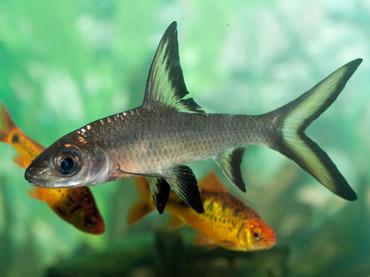
Bala sharks are one of the most striking freshwater fish available to aquarium hobbyists, admired for their torpedo-shaped bodies, shimmering silver scales, and active schooling behavior.