THE BEST BARBS FOR A LARGE HOME AQUARIUM

Top Large Barb Species for Your Display Tank
Selecting the right species for a large aquarium requires a balance between the fish’s ultimate size and the physical dimensions of your tank. Many beginners see juvenile Barbs in a retail setting and fail to realize that these fish can double or triple in size within their first year of life. For those with tanks ranging from 55 to 150 gallons, here are the most spectacular choices available today.
-
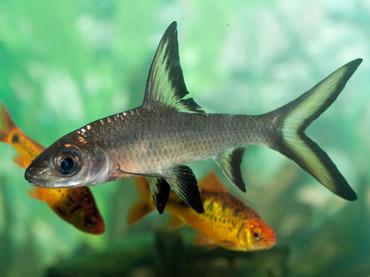
Tinfoil Barb (Barbonymus schwanenfeldii): The undisputed heavyweight of the barb world, Tinfoils are breathtaking when they reach their full potential of 14 inches. They feature bright orange or red fins and reflective silver scales that catch the light beautifully. Because they are heavy-bodied and extremely fast, they require a tank of at least 100 gallons to thrive. They are the quintessential "large tank" fish, providing a sense of scale that smaller species simply cannot match.
-
Denison Barb (Sahyadria denisonii): Also known as the Roseline Shark, this fish is a favorite for intermediate hobbyists. They grow to about 6 inches and sport a striking red line running across their torpedo-shaped bodies, accented by a bright yellow blotch. They are native to fast-moving mountain streams, which means they love high oxygen levels and plenty of horizontal space. They look best in schools of six or more, creating a "streak of fire" effect as they dart through the water.
-
Spanner Barb (Barbodes lateristriga): Named for the "wrench" or "T" pattern on their sides, these fish grow to 8 inches. They are incredibly hardy and provide a unique visual break from the more common colorful species. Their golden-bronze base color develops a deep richness as they age, making them a sophisticated choice for a naturalistic biotope setup.
-
Filament Barb (Dawkinsia filamentosa): These 7-inch beauties are the "supermodels" of the barb family. As they mature, males develop long, thread-like filaments on their dorsal fins. Their iridescent scales shimmer with gold and green hues, and their tails feature distinct black and red tips. They are active, peaceful, and add a touch of elegance to any large community tank.
-
Arulius Barb (Dawkinsia arulius): Growing to about 5 inches, the Arulius Barb is often overlooked but stunning. They have a spotted pattern and, like the Filament Barb, develop dorsal filaments. They are highly social and help bridge the gap between medium and large aquariums.
Designing the Ideal Environment for Active Swimmers
Large Barbs are the marathon runners of the aquarium world. Unlike ambush predators that sit still for hours or slow-moving Gouramis that hover near the surface, Barbs spend their entire day patrolling the mid-water levels. To keep them healthy and reduce stress-induced aggression, your aquascape must prioritize open swimming space. A common mistake beginners make is overcrowding a large tank with bulky driftwood or massive "centerpiece" decorations that inhibit the natural schooling paths of these fish.
A long tank (4 feet or more) is always preferable to a tall, narrow one. The horizontal "runway" allows Barbs to reach top speeds and express natural schooling behaviors. When selecting a substrate, a mixture of fine gravel and sand works best. Many large Barb species, particularly the Filament and Spanner varieties, enjoy sifting through the bottom for leftover morsels. This foraging behavior is not just about hunger; it is a vital part of their mental stimulation.
Water flow is another critical factor. Most large Barb species originate from river environments with moderate to high currents. Utilizing a high-quality canister filter or adding a powerhead will simulate these natural conditions. Not only does this keep the water highly oxygenated—which is vital for active fish with high respiration rates—but it also provides them with a "treadmill" to swim against. This exercise prevents obesity, which is a common health issue for captive cyprinids, and promotes the development of deep, healthy body shapes.
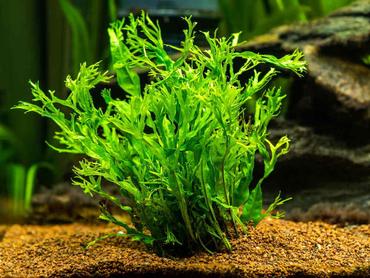
Lighting should be bright enough to showcase the iridescence of their scales but should also include shaded areas. Using floating plants like Water Lettuce or Frogbit can create a dappled light effect that mimics the overhanging jungle canopies of their native Southeast Asian and Indian habitats. However, be warned: many large Barbs are opportunistic herbivores and may snack on soft-leaved plants. Opt for tough species like Anubias, Java Fern, or Crinum Calamistratum, which can withstand a bit of "tasting" from a curious Tinfoil or Filament Barb.
Compatibility and Social Dynamics in the Community
The "Barb" reputation for being "nippy" is largely based on the behavior of Tiger Barbs kept in small groups. In a large home aquarium, this aggression is significantly reduced because the fish have more space and a larger social group to distract them. The golden rule for Barbs is to keep them in groups of at least six. In these "shoals," they establish a natural hierarchy. Any chasing or posturing remains within the school, as the fish are more interested in their own kind than in bothering their neighbors.
When choosing tank mates, avoid fish with long, flowing fins such as Angelfish or Fancy Guppies. Even if the Barbs are not inherently aggressive, their fast-paced movement and "playful" nature can be incredibly stressful for slow-moving, long-finned species. Instead, look for robust companions that can hold their own. Large Rainbowfish are perhaps the best companions for Barbs, as they share the same high-energy lifestyle and water requirements. Medium-sized South American Cichlids, such as Severums or Blue Acaras, also make excellent neighbors because they are large enough to command respect but generally peaceful enough to ignore the Barbs.
It is also important to consider the vertical layers of the tank. Since Barbs occupy the middle, you can balance the aquarium with bottom-dwellers like large Clown Loaches or various species of Corydoras. Just ensure that the bottom-dwellers are large enough not to be intimidated during the Barbs' enthusiastic feeding frenzies.
Nutrition and Metabolic Demands
Feeding large Barbs is one of the most rewarding parts of the hobby. They are enthusiastic eaters and will often recognize their owners, rushing to the front of the glass at the sight of a food container. However, their high metabolism and large size mean they produce a significant amount of waste. A robust filtration system is non-negotiable, and weekly water changes are essential to prevent the buildup of nitrates, which can lead to stunted growth and faded colors.
To maintain the vibrant reds and silvers of your Barbs, you must provide a varied diet. While they will readily accept high-quality flakes and pellets, a "dry-food only" diet will eventually lead to nutritional deficiencies. You should supplement their meals with:
-
Fresh Vegetables: Many large Barbs are semi-herbivorous. Offering blanched zucchini, cucumber, or deshelled peas once or twice a week will satisfy their grazing instincts and protect your aquarium plants.
-
Frozen and Live Foods: Bloodworms, Mysis shrimp, and Krill are excellent for enhancing the red pigments in species like the Denison Barb. Live daphnia can also provide excellent mental stimulation as the school hunts the tiny crustaceans.
-
Spirulina: Foods high in Spirulina algae help boost the immune system and enhance the green and blue iridescence seen in Filament and Arulius Barbs.
Overfeeding is a significant risk with Barbs because they always act hungry. In a large tank, it is better to feed two small meals a day rather than one large one. This ensures that the fish digest their food properly and that excess waste doesn't settle into the substrate. High-quality filtration is the backbone of any successful large-scale aquarium, especially when housing active cyprinids.
Common Mistakes and How to Avoid Them
The most frequent error intermediate hobbyists make is underestimating the "jumping" ability of Barbs. These fish are incredibly powerful swimmers. If they are startled by a sudden light change or a net, they can launch themselves several feet out of the water. A tight-fitting lid or a weighted glass canopy is a requirement. Many hobbyists have lost prized 8-inch specimens because of a small gap near the filter intake or heater cord. Always double-check your tank’s seal.
Another common pitfall is neglecting the quarantine process. Because large Barbs like the Denison and Tinfoil are often raised in large outdoor ponds or collected from the wild, they are more susceptible to internal parasites and skin flukes. Introducing a group of six unquarantined Barbs into a 125-gallon display tank is a massive risk. If one fish is sick, the high-speed schooling nature of the group will spread the pathogen to every resident within days.
Lastly, beginners often fail to account for the "bioload" of a full-grown school. A school of six Tinfoil Barbs produces more waste than fifty Neon Tetras. This requires the hobbyist to be diligent about vacuuming the substrate. Waste that gets trapped in the gravel can lead to "Old Tank Syndrome," where the pH drops and nitrate levels skyrocket, causing chronic stress to the fish. Regular maintenance is the price of keeping these magnificent, large-bodied species.
Health Monitoring and Disease Prevention
Active fish like Barbs are generally hardy, but their fast-paced lifestyle means that when they do get sick, the symptoms progress quickly. One of the first signs of stress in Barbs is "clamped fins" or a loss of color intensity. If your Roseline Sharks look pale or your Tinfoils are hiding in the corners, the first step is always to check the water parameters. Ammonia and Nitrite should always be zero, and Nitrate should ideally be kept below 20 ppm.
"Ich" (Ichthyophthirius multifiliis) is the most common external parasite affecting Barbs. Because they are scaleless-adjacent (having very fine scales in some areas) or highly sensitive to certain medications, you should always research "scale-less safe" treatments if you have other sensitive tank mates like Loaches. Increasing the water temperature slightly and adding aquarium salt can often assist in the recovery process, but prevention through quarantine remains the best strategy.
Be observant during feeding times. A healthy Barb is a greedy Barb. If an individual is not competing for food, it may be suffering from internal parasites. In a large tank, catching an individual fish for treatment can be nearly impossible without tearing down the entire aquascape. This makes "medicated flakes" a valuable tool for the large-tank owner, allowing you to treat the entire school through their diet rather than attempting to catch a 10-inch fish with a net.
The Evolution of the Large Barb Hobby
As the aquarium hobby has evolved, so has our understanding of these fish. In the past, Barbs were often relegated to "semi-aggressive" tanks where they lived out stressed lives in cramped quarters. Today, the move toward "monster fish" keeping and large-scale planted tanks has allowed Barbs to show their true colors. We now know that they are highly social animals with complex communication methods involving body language and subtle color changes.
For the intermediate hobbyist, moving up to large Barbs is a rite of passage. It signifies a shift from simply "keeping fish" to "managing an ecosystem." The requirements for higher filtration, better oxygenation, and larger swimming spaces push the hobbyist to learn more about the technical side of the craft. In return, these fish offer a lifespan that can reach 10 to 15 years, becoming long-term pets that grow and change alongside their owners.
The Takeaway: Bringing Motion to Your Aquarium
Large Barbs are the perfect choice for the hobbyist who wants a tank full of life, energy, and personality. While they require more space and more frequent maintenance than smaller community fish, the visual impact of a shimmering school of Tinfoils or the elegant, high-speed sprint of Denison Barbs is unmatched in the freshwater world. They bring a sense of "wildness" to the home, mimicking the powerful rivers of Asia and Africa right in your living room.
By focusing on a high-flow environment, a varied diet rich in both protein and greens, and maintaining proper schooling numbers, you can create a professional-grade display that will be the focal point of your home. If you are ready to move beyond the basics and want a fish that interacts with you and its environment in a meaningful way, the Barb family is waiting for you. Remember, the key to a successful large aquarium is planning for the fish you will have tomorrow, not just the fish you see in the store today. Explore our species profiles, invest in a quality lid, and enjoy the incredible energy that only a school of large Barbs can provide. Happy fishkeeping!


MOST RECENT ARTICLES