CHOOSING AND CONDITIONING THE WATER IN YOUR AQUARIUM

Choosing Your Source Water: Tap, Well, RO, or Bottled?
The first decision you must make is where your aquarium water will come from. Not all water is created equal, and the source you choose will establish the foundational chemistry of your tank. For the vast majority of hobbyists, standard municipal tap water is the most accessible choice. While tap water is convenient and inexpensive, it is treated with chemicals like chlorine or chloramines to make it safe for human consumption. These additives are highly toxic to fish and must be neutralized before the water ever touches your tank. Additionally, tap water quality varies drastically by region; some areas have soft, acidic water, while others have hard, alkaline water packed with heavy minerals.
If you rely on private well water, you avoid municipal chlorine, but you face a different set of challenges. Well water often lacks oxygen and can be heavily saturated with dissolved gases, carbon dioxide, and minerals like iron or copper. It can also contain agricultural runoff, such as nitrates or phosphates, which can trigger massive algae blooms in your tank. If you plan to use well water, running a comprehensive liquid test kit is an essential first step to ensure it does not contain dangerous heavy metals or pollutants.
For advanced intermediate hobbyists, Reverse Osmosis (RO) or Reverse Osmosis Deionized (RO/DI) water represents the gold standard of purity. RO systems filter out up to 99% of all impurities, minerals, and chemicals, leaving you with a completely blank slate. Because RO water has zero hardness and a neutral pH, it cannot be used raw; it lacks the essential minerals fish need to regulate their internal fluids. You must manually add minerals back into the water using commercial remineralizing powders or liquids. This option is highly recommended for sensitive setups, such as high-end planted aquariums or saltwater reef tanks.
Many beginners turn to bottled water or "aquarium-safe" pre-packaged water from pet stores out of convenience. While purchasing a few gallons of spring water might work for a tiny desktop nano tank, it quickly becomes incredibly expensive and physically exhausting for larger aquariums. If you do use bottled water, avoid distilled water unless you plan to remineralize it, as it behaves exactly like pure RO water and lacks the electrolyte balance required to sustain aquatic life.
Understanding the Critical Parameters: pH, GH, and KH
Once you have chosen your water source, you need to understand the hidden chemistry that dictates how your fish feel and behave. Water chemistry is primarily measured using three intertwined parameters: pH, General Hardness (GH), and Carbonate Hardness (KH). Understanding these values allows you to maintain stable conditions and avoid the dangerous parameter swings that stress and kill fish.
The pH scale measures how acidic or alkaline your water is on a scale of 0 to 14, with 7.0 being completely neutral. Most freshwater fish can adapt to a wide range of pH levels, typically between 6.5 and 7.8, provided the level remains perfectly stable. A sudden spike or drop in pH is far more dangerous to a fish than a steady, slightly less-than-ideal pH. For example, hardy species like Guppies and Swordtails thrive in alkaline water above 7.5, whereas soft-water species like Cardinal Tetras prefer an acidic environment below 6.8.
General Hardness (GH) refers to the concentration of calcium and magnesium ions dissolved in your water. This is what people mean when they refer to water as "hard" or "soft." Fish absorb these essential minerals directly through their gills and skin to build bone structure, aid digestion, and maintain muscle function. If your GH is too low for hard-water species, they can suffer from poor growth and general wasting diseases. Conversely, placing soft-water species in extremely high-GH water can cause organ damage over time due to mineral calcification.
Carbonate Hardness (KH), also known as total alkalinity, measures the concentration of carbonate and bicarbonate ions in the water. Think of KH as your aquarium's chemical shield or shock absorber. KH acts as a pH buffer; it neutralizes acids created by fish waste and decaying organic matter. If your water has a very low KH (below 3 degrees of hardness), your pH will be highly unstable and prone to crashing. For a deeper understanding of these values, take a look at our Freshwater Water Parameter Guide to keep your baseline safe.
The Essential Step: Conditioning and Dechlorinating Your Water
If you choose to use tap water, conditioning it is a non-negotiable step that must be performed during every single water change. Municipal water treatment plants use chlorine or a more stable bond called chloramine to destroy bacteria in drinking water. While these disinfectants keep humans safe, they will instantly burn a fish's delicate gill tissues, leading to asphyxiation. Furthermore, chlorine will wipe out the biological filter inside your aquarium media, destroying the beneficial bacteria that keep your water safe.
To safely neutralize these toxins, you must use a high-quality commercial chemical water conditioner. Modern water conditioners work instantly on contact by breaking the chemical bonds of chlorine and chloramine. When a conditioner encounters chloramine, it safely separates the chlorine from the ammonia molecule, neutralizing the chlorine and temporarily binding the leftover ammonia into a non-toxic form called ammonium. This gives your tank's biological filter time to safely process the remaining waste without harming your livestock.
When selecting a water conditioner, look for a premium product that offers comprehensive protection. A complete water conditioner should perform the following functions:
- Instantly neutralize chlorine and break down stubborn chloramines.
- Bind and detoxify dangerous heavy metals like copper, lead, and zinc commonly found in old household plumbing.
- Temporarily detoxify low levels of ammonia, nitrite, and nitrate during emergency tank spikes.
- Include soothing additives, such as aloe vera extracts, to help promote and protect the delicate slime coat of your fish.
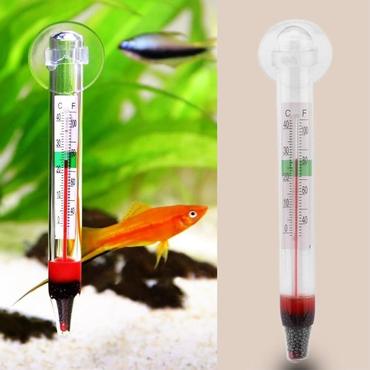
A common beginner mistake is adding tap water directly into the aquarium and then pouring the conditioner into the tank afterward. Even a few moments of exposure to raw tap water can stress your fish and damage your biological filter. The safest method is to prepare your water ahead of time in clean, dedicated buckets. Add the conditioner to the bucket, stir it thoroughly, and ensure the water has matched the temperature of your aquarium before pouring it in. Adjusting the temperature prevents thermal shock, which can compromise a fish's immune system and make them highly susceptible to parasites like Ich. To build a reliable foundation around your maintenance steps, read our step-by-step breakdown on Changing the Water in the Fish Tank effectively.
Water Compatibility and Species-Specific Care Considerations
One of the most rewarding aspects of the aquarium hobby is mixing different fish to create a bustling, vibrant community. However, successful fish keeping requires checking that your chosen species share matching water chemistry requirements. Forcing a fish to live outside its biological comfort zone causes chronic stress, shortens its lifespan, and dampens its natural colors.
Freshwater fish are broadly grouped into soft-water species and hard-water species based on the geographical regions they evolved in. Soft-water fish typically come from environments like the Amazon River basin, where heavy rainfall and decaying organic matter create incredibly soft, acidic conditions. Hard-water fish often originate from areas with limestone bedrock, such as the African Rift Lakes or Central American streams, which saturate the water with dissolved minerals.
Practical Breakdown of Popular Species Groups
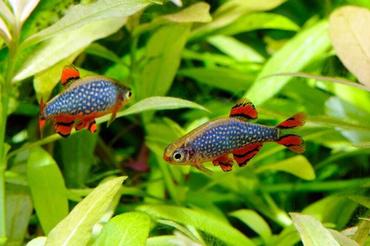
- Soft Water and Acidic Preferences (pH 6.0 - 6.8, Low GH/KH): This group includes iconic species such as Angelfish, Neon Tetras, Discus, Harlequin Rasboras, and South American dwarf cichlids like Apistogrammas. These fish thrive when organic driftwood or peat moss is added to the tank to naturally release tannins and soften the water.
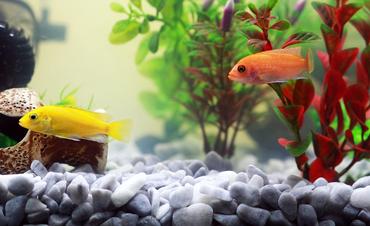
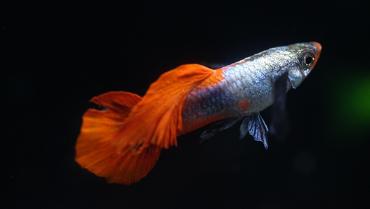
- Hard Water and Alkaline Preferences (pH 7.5 - 8.5, High GH/KH): This category features African Cichlids (from Lakes Malawi, Tanganyika, and Victoria), Guppies, Mollies, Platies, and Swordtails. These species require abundant minerals to stay healthy; adding crushed coral or aragonite sand to your substrate is an excellent way to maintain a high, stable pH and mineral profile.
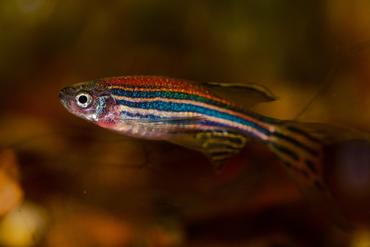
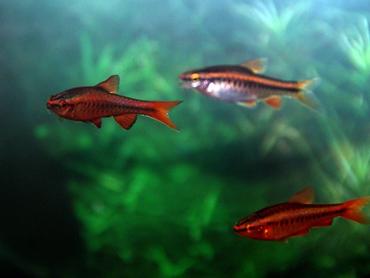
- Adaptable Community All-Stars (pH 7.0 - 7.4, Moderate GH/KH): Many captive-bred fish are remarkably resilient and can adapt beautifully to average, neutral tap water. This includes hardy favorites like Zebra Danios, Corydoras Catfish, Cherry Barbs, and White Cloud Mountain Minnows.
When planning a community tank, avoid mixing species from extreme opposite ends of the spectrum. For example, keeping a soft-water German Blue Ram in the same tank as a hard-water African Cichlid is a recipe for failure; one of the fish will constantly struggle against the water chemistry. Always select tankmates that naturally overlap in their preferred pH and hardness ranges to guarantee a peaceful, healthy ecosystem.
Avoiding Common Water Management Mistakes
Even with the best intentions, it is easy to fall into habits that disrupt your water chemistry. One of the most prevalent mistakes intermediate and beginner hobbyists make is attempting to actively chase a "perfect" pH number using commercial chemical adjusters like "pH Up" or "pH Down." These liquid chemicals provide a temporary fix but often cause dramatic, rapid fluctuations in your water parameters. Because the chemical changes wear off quickly, your pH will rapidly bounce back to its original baseline. This constant yo-yo effect is incredibly stressful to fish and is far more damaging than keeping them at a stable, slightly imperfect pH.
If you must adjust your pH or hardness, always do so naturally and gradually. To lower your pH and soften your water safely, consider incorporating natural driftwood, Indian Almond leaves, or utilizing an RO water blend. To raise your pH and increase your hardness, you can easily add decorative limestone, crushed coral inside your filter media, or specialized mineral salts. Natural adjustments occur slowly over days rather than seconds, giving your fish plenty of time to acclimatize safely.
Another common water management trap is neglecting regular, scheduled water changes under the assumption that a powerful filter removes the need for maintenance. While filtration successfully converts toxic ammonia into less harmful nitrates, it does not remove nitrates from the water. Over time, evaporation will cause pure water to escape your tank, leaving behind a highly concentrated soup of minerals, nitrates, and dissolved organic waste. If you simply top off the evaporated water with more tap water without performing a physical water change, your mineral levels will slowly rise to dangerous heights—a phenomenon known as "Old Tank Syndrome." A sudden drop in pH can wipe out your beneficial bacterial colony, stalling your biological filtration and leading to a toxic buildup of ammonia. To avoid this entirely, make sure you know how to navigate Understanding the Nitrogen Cycle to handle nutrient tracking correctly.
Conditioning Your Water for Long-Term Success
Mastering the art of choosing and conditioning your aquarium water is the ultimate secret to long-term success as an aquarium hobbyist. By taking the time to test your source water, understand critical parameters like pH, GH, and KH, and consistently neutralize harmful toxins with a premium conditioner, you create a stable environment where your fish can truly thrive. Remember that consistency and stability will always beat chasing specific chemical numbers; a stable environment allows your fish to showcase their brightest colors, engage in natural behaviors, and resist common diseases.
Great water care is an ongoing journey of learning and observation. To expand your aquarium expertise and discover more practical strategies for maintaining a crystal-clear display tank, be sure to explore our extensive archive of water chemistry tips and species care guides. Keeping your aquatic ecosystem healthy starts with the choices you make at the tap—treat your water with care, and your fish will thank you for years to come.


MOST RECENT ARTICLES