ALGAE EATERS FOR FRESHWATER TANKS

The Algae Dilemma: Why Every Tank Needs a Cleanup Crew
Algae is a natural component of any healthy aquatic environment. In moderation, it provides supplemental nutrition for herbivorous species, produces oxygen through photosynthesis, and absorbs excess nitrates. However, when light duration exceeds eight to ten hours per day or nutrient levels spike due to overfeeding, algae growth quickly spirals out of control. Beginner aquarists often assume that adding a single algae eater will instantly cure a severe outbreak, but biological control works best as a preventative measure and partner to good husbandry.
Before stocking your aquarium, it is vital to recognize that different algae eaters possess unique mouth morphology and feeding preferences. Soft brown diatoms require a very different grazer than tough, thread-like hair algae or coarse black beard algae. Attempting to solve a hair algae problem with a fish that exclusively consumes soft biofilm will result in a frustrated aquarist and an undernourished pet.
Furthermore, maintaining a clean tank requires a firm grasp of underlying water chemistry. If you are setting up a new aquarium or experiencing persistent water quality issues, reading our detailed breakdown in the Freshwater Water Parameter Guide will help you maintain the biological stability necessary for both your fish and your cleanup crew.
Top Algae-Eating Fish for Small to Medium Freshwater Tanks
For small to moderate setups ranging from 10 to 30 gallons, selecting compact species is critical. Large bottom-dwellers produce significant amounts of organic waste, which can actually feed the very algae you are trying to eliminate. The following compact fish offer maximum grazing efficiency without overloading your filtration system.
1. Otocinclus Catfish ( Otocinclus vestitus )
Often referred to simply as "Otos," these tiny dwarf catfish max out at just 1.5 to 2 inches in length, making them arguably the most efficient algae eaters per inch of body length. Otocinclus possess suckermouths tailored for rasping away soft green algae and brown diatoms from plant leaves, glass, and hardscape. Unlike larger catfish species, Otos are completely plant-safe and will never damage delicate leaf structures.
However, Otocinclus have a reputation for sensitivity during their first few weeks in a new home. Most specimens in local fish stores are wild-caught and often malnourished from transit. To succeed with Otos, introduce them only into well-established tanks with plenty of naturally occurring algae growth. Always keep them in social groups of at least five or six individuals, as solitary specimens experience severe stress and refuse to feed.
2. Bristlenose Pleco ( Ancistrus cirrhosus )
If you love the iconic look of a Plecostomus but do not have room for a massive display tank, the Bristlenose Pleco is the perfect compromise. Reaching an adult size of just 4 to 6 inches, Bristlenose Plecos feature unique fleshy tentacles on their snouts—particularly prominent in mature males. They are absolute powerhouses when it comes to scouring tank walls, rocks, and driftwood clean of green spot algae, diatoms, and surface film.
Bristlenose Plecos are hardy, peaceful, and adapt well to a wide range of water conditions. They do, however, require natural driftwood in their habitat. Digesting lignin found in real wood is essential for their gastrointestinal health. Provide a cave or dark hiding spot, as they are nocturnal by nature and perform most of their heavy grazing under moonlight or after dark.
3. Rubber Lip Pleco ( Chaetostoma milesi )
Another excellent compact option is the Rubber Lip Pleco (sometimes called the Rubbernose Pleco). Growing to approximately 4 to 5 inches, this species features a smooth, rubbery snout and a charming grey-patterned body. Rubber Lips are incredibly active grazers that excel in tanks with moderate to high water flow. They are particularly effective at clearing slick algae films from smooth cobbles and aquarium glass.
Heavy-Duty Algae Eaters for Larger Community Aquariums
Larger aquariums of 40 gallons or more allow for larger, faster-swimming fish capable of tackling tough, fibrous algae species that smaller fish avoid. When dealing with notorious nuisances like Black Beard Algae (BBA) or thick Staghorn algae, specialized species are required.
1. Siamese Algae Eater ( Crossocheilus oblongus )
The true Siamese Algae Eater (SAE) holds legendary status among aquascapers. Reaching up to 6 inches in length, the SAE is one of the very few freshwater fish species that actively consumes Black Beard Algae, Red Algae, and brush algae. They are sleek, energetic swimmers that glide along plant leaves and hardscape, picking off stubborn tufts of unwanted growth.
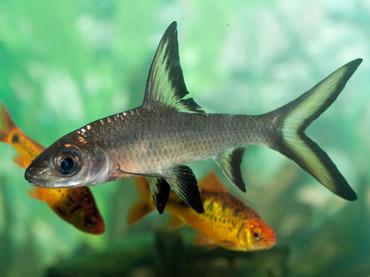
A crucial beginner mistake is confusing the true Siamese Algae Eater with lookalike species, such as the Flying Fox or the Chinese Algae Eater. The true SAE features a clear, non-pigmented dorsal fin and a dark horizontal black stripe that extends all the way through the fork of its tail fin, featuring jagged, zig-zag edges rather than a smooth line. Keep SAEs in small groups in tanks of 30 gallons or larger, providing ample swimming room and moderate current.
2. The Trap of the Chinese Algae Eater ( Gyrinocheilus aymonieri )
Sold frequently in chain pet stores under the generic label "Algae Eater," the Chinese Algae Eater (CAE) is one of the most common pitfalls for novice aquarists. While juvenile CAEs do eat green algae enthusiastically, their behavior changes drastically as they mature. Adult CAEs can grow to over 10 inches in length, become highly aggressive and territorial, and stop eating algae altogether. Even worse, mature CAEs often develop a habit of attacking broad-bodied tankmates—such as Angelfish and Discus—to strip off their protective slime coats. Unless you are stocking a large, aggressive semi-cichlid setup, avoid the Chinese Algae Eater in favor of true SAEs or Bristlenose Plecos.
3. American Flagfish ( Jordanella floridae )
Native to Florida, the American Flagfish is a colorful pupfish relative named for the male's striking red-and-blue pattern reminiscent of the stars and stripes. Growing to about 2.5 inches, Flagfish possess specialized jaw structures that allow them to rip apart tough hair algae, thread algae, and filamentous green algae. They are an ideal choice for cool-water or unheated community tanks, though males can occasionally display mild territorial behavior toward one another during breeding periods.
Invertebrates: The Unsung Heroes of Tank Sanitation
Fish are not the only creatures capable of keeping your aquarium immaculate. Invertebrates often outperform fish species because their light weight allows them to crawl across delicate leaves, tiny crevices, and narrow mosses without uprooting plants or disturbing substrate.
1. Nerite Snails ( Vittina waigiensis )
Nerite Snails are widely considered the gold standard of freshwater aquarium snails. Available in several visually striking shell variations—including Zebra, Tiger, and Horned Nerites—these invertebrates are pure herbivores that scrape green spot algae, glass film, and diatoms down to the bare surface. Unlike nuisance pest snails, Nerite Snails cannot reproduce in freshwater aquariums; their eggs require brackish water to hatch, meaning you will never experience an uncontrolled snail population boom.
Keep in mind that female Nerites will occasionally lay small, hard white egg capsules on driftwood, rocks, or glass. While harmless, these white dots can be visually annoying to remove. Ensure your water parameter GH and KH remain high enough to prevent shell erosion, and avoid keeping them with predatory species like Loaches or Pea Puffers.
2. Amano Shrimp ( Caridina multidentata )
Named after the legendary Japanese aquascaper Takashi Amano, who popularized their use, Amano Shrimp are unmatched in their appetite for hair algae, thread algae, and decaying plant organic matter. Reaching about 2 inches in length, these translucent shrimp possess tiny claws that constantly pick away at fibrous algae strands, cleaning java moss and carpeting plants that no fish could ever groom safely.
Amano Shrimp are peaceful scavengers that require calm tankmates. Large, predatory fish like Oscars or Cichlids will quickly view them as expensive snacks. Furthermore, copper is highly toxic to all freshwater shrimp; always verify that medications or plant fertilizers used in the tank are completely copper-free.
Targeting Specific Algae Types with the Right Species
Matching the correct livestock species to the precise type of algae invading your tank saves time, money, and stress. The following list outlines which creatures work best for each common algae variety:
- Brown Diatoms: Otocinclus Catfish, Nerite Snails, Bristlenose Plecos, and Rubber Lip Plecos.
- Green Hair / Filamentous Algae: Amano Shrimp, American Flagfish, and Rosy Barbs.
- Black Beard Algae (BBA): True Siamese Algae Eaters and Florida Flagfish (in moderate amounts).
- Green Spot Algae on Glass: Nerite Snails, Bristlenose Plecos, and manual scraping with a glass cleaner.
If you are struggling with persistent outbreaks or need help organizing your fish selection, explore our guide on Stocking a Freshwater Fish Tank for practical balance and maintenance strategies.
Compatibility, Tank Setup, and Care Considerations
Adding algae eaters into an existing aquarium ecosystem requires thoughtful planning. Simply dropping a cleanup crew into a tank and expecting them to survive on leftover debris alone is a recipe for failure. To ensure long-term health and peaceful cohabitation, consider the following dietary, structural, and environmental factors.
1. Supplemental Feeding: Preventing Starvation
The single most common mistake hobbyists make with herbivorous fish and snails is assuming the aquarium produces enough algae to sustain them permanently. Once your cleanup crew successfully clears the visible algae, they face immediate starvation unless you supplement their diet. Feed bottom-dwelling species high-quality sinking spirulina wafers, algae discs, and bottom feeder pellets two to three times per week after the main lights are turned off.
Fresh vegetables also provide fantastic, species-appropriate nutrition. Blanched zucchini slices, cucumber rounds, shelled peas, and spinach leaves weighted down with a veggie clip will be eagerly consumed by Plecos, Otocinclus, and Snails. Remove any uneaten vegetable matter within 12 to 24 hours to prevent polluting your water.
2. Habitat and Substrate Requirements
Many algae eaters spend their entire lives on or near the aquarium floor. Rough, sharp substrates like coarse crushed coral or crushed lava rock can lacerate sensitive barbels and delicate bellies. For bottom-dwelling species, opt for smooth natural gravel or fine aquascaping sand. If you are planning a planted layout with bottom cleaners, browse our archive of Freshwater Aquarium Articles to learn more about substrate selection and plant care.
Essential care guidelines to keep in mind for all cleanup crew species include:
- Provide Natural Wood: Plecos require real driftwood for shelter and cellulose fiber digestion.
- Maintain Adequate Minerals: Invertebrates require calcium and magnesium (GH above 6) for strong shell development and healthy molting.
- Secure Aquarium Lids: Nerite snails, Amano shrimp, and Siamese Algae Eaters are notorious jumpers that will escape tight gaps.
- Avoid Sudden Copper Exposure: Treatments containing copper sulfate will instantly kill shrimp, snails, and sensitive scaleless catfish.
- Avoid Overstocking Bioload: Plecos and large catfish produce substantial physical waste; account for their waste footprint when calculating filtration needs.
Five Common Beginner Algae-Eater Mistakes to Avoid
Even seasoned aquarists sometimes miscalculate when introducing biological algae controls. Avoid these five frequent pitfalls to maintain a balanced, disease-free aquarium:
- Buying Common Plecos for Nano Tanks: Common Plecos ( Hypostomus plecostomus ) routinely reach 18 to 24 inches long and require at least 150 gallons. Always double-check adult species sizes before purchasing.
- Adding Algae Eaters to Brand-New Aquariums: Immature tanks lack the beneficial biofilms and diatom growth required to sustain species like Otocinclus and Nerite snails. Wait at least 1 to 2 months post-cycle before introducing delicate grazers.
- Relying Entirely on Animals for Tank Maintenance: No animal cleans corners, scrapes behind filters, or performs water changes for you. Biological control complements, but never replaces, routine gravel vacuuming and glass scrubbing.
- Misidentifying Aggressive Species: Mistaking Chinese Algae Eaters for Siamese Algae Eaters leads to severe community tank aggression as the fish mature.
- Ignoring Medication Warnings: Treating community tanks with fish medications containing formalin, copper, or potassium permanganate without removing sensitive invertebrates or scaleless catfish first.
Final Takeaways: Building a Balanced Ecosystem
Managing algae in a freshwater aquarium is ultimately about balance. While lighting timers, nutrient management, and regular water changes form your primary line of defense, building a diverse, species-appropriate cleanup crew creates a dynamic, vibrant aquatic environment. Whether you choose a fleet of tiny Otocinclus Catfish for a nano planted tank, a hard-working Bristlenose Pleco for your glass and driftwood, or a squad of Amano Shrimp to pick through delicate plant leaves, these hard-working creatures bring endless entertainment and utility to your home aquarium.
Ready to showcase your immaculate setup or need personalized advice on stocking your tank? Visit the RateMyFishTank.com community forums to share photos of your setup, browse top-rated community tanks, and connect with thousands of passionate aquarium hobbyists today!


MOST RECENT ARTICLES