AQUARIUM DECORATIONS

The Functional Role of Aquarium Decorations: Beyond Aesthetics
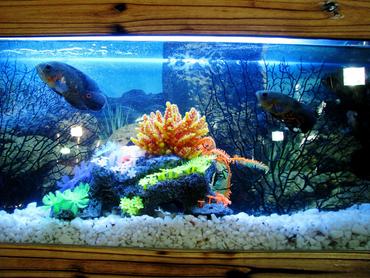
To design an environment that truly supports your livestock, you must first understand how fish interact with physical structure. While human keepers appreciate decorations for their color, texture, and artistic arrangement, fish evaluate their environment through the lens of survival, shelter, and reproduction. In nature—whether in slow-moving South American rivers, turbulent Asian streams, or alkaline African lakes—open, unstructured water is a dangerous battleground where smaller fish are vulnerable to predation. Introducing a thoughtful layout of physical structure gives your tank inhabitants a permanent sense of security, which directly reduces chronic stress, strengthens immune responses, and encourages natural swimming behaviors.
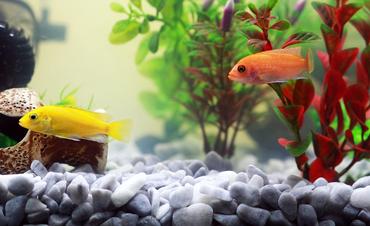
Decorations also serve as crucial physical visual breaks and territorial boundaries within the closed confines of a home aquarium. Territorial species, such as German Blue Rams (Mikrogeophagus ramirezi) or semi-aggressive African Cichlids, naturally claim specific rocks, caves, or wood outcroppings as their home turf. Without distinct hardscape features breaking up sightlines, dominant fish will continuously spot and chase subdominant tank mates throughout the entire length of the aquarium, leading to severe fin damage, exhaustion, and disease. By strategically placing taller rocks, branching driftwood, or ceramic caves throughout the tank, you establish clear "neighborhoods" that allow multiple fish to coexist peacefully in a shared footprint.
Beyond behavioral benefits, hardscape elements double as critical components of your tank's bio-filtration architecture. Every square inch of surface area provided by porous rocks, rough driftwood, and textured ornaments becomes prime real estate for nitrifying bacteria. These microscopic colonies process toxic ammonia and nitrites generated by fish waste into far less harmful nitrates. To understand how this biological filtration foundation operates alongside your hardscape, read our comprehensive Freshwater Water Parameter Guide. When you view decorations as biological assets rather than simple ornaments, your approach to selecting materials naturally improves.
Natural vs. Artificial Decor: Weighing Your Options
One of the first major design choices every aquarist encounters is deciding between a natural hardscape theme or an artificial ornament aesthetic. Both approaches offer unique advantages and distinct maintenance commitments, making it important to weigh them against your personal goals, experience level, and livestock preferences.
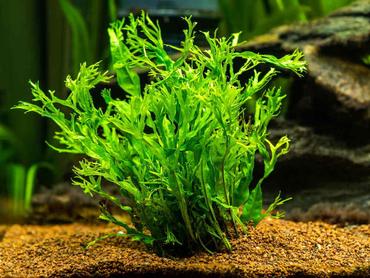
Natural decorations encompass real driftwood (such as Malaysian driftwood, dense Mopani wood, or intricate Spiderwood), natural stones (including Dragon Stone, Seiryu Stone, Slate, and Lava Rock), and living aquatic plants. The major benefit of natural materials is their dynamic interaction with the ecosystem. Wood releases beneficial organic compounds called tannins into the water column. Tannins naturally buffer water, slightly lower pH, and create a tea-tinted environment that closely replicates blackwater habitats. Species like Neon Tetras (Paracheirodon innesi), Harlequin Rasboras (Trigonostigma heteromorpha), and South American Angelfish (Pterophyllum scalare) thrive in these slightly acidic conditions, displaying brighter coloration and enhanced spawning behavior. Furthermore, combining natural hardscape with live plants helps absorb nitrates, control unwanted algae, and provide grazing surfaces for micro-fauna.
Artificial decorations—ranging from resin caves and ceramic logs to silk plants and themed sunken ships—provide complete creative freedom and unmatched predictability. Synthetic items do not decay, will not break down over time, and will never alter your pH or water hardness. They are exceptionally easy to sanitize and allow hobbyists to build fun, themed displays that appeal to family members of all ages. However, artificial decor requires regular inspection and occasional manual scrubbing to keep algae from dulling its appearance. Inferior plastic products may also possess sharp mold lines or cheap paints that can pose safety risks to delicate fish over time.
Selecting Safe Hardscape Materials and Testing Compatibility
Not every rock, piece of wood, or decorative object found in nature or home goods stores is safe for immersion in an aquarium. Placing unverified materials into your water column can leach toxic heavy metals, synthetic chemicals, or unwanted minerals into the water, causing sudden parameter swings or severe poisoning. When shopping for commercial aquarium items, always verify that products are explicitly certified non-toxic and aquarium-safe.
If you prefer to collect natural rocks or wood from local outdoors environments, strict testing and preparation are required before anything enters your display tank. Rocks containing high concentrations of calcium carbonate or limestone will continuously leach minerals into the water, raising general hardness (GH), carbonate hardness (KH), and pH levels. While this mineral-rich water is ideal for species like Guppies, Platies, and African Cichlids, it can prove detrimental to soft-water species like Discus or Cardina shrimp. You can perform a quick safety check by placing a few drops of household vinegar or weak acid onto a dry rock sample; if the liquid fizzes or bubbles, the rock contains carbonates and will increase your water hardness.
Natural wood collected outdoors must be completely dead, stripped of all bark, and thoroughly dried before use. Hardwoods like oak, beech, and maple are suitable once fully cured, but softwoods such as pine, cedar, and spruce contain heavy resins, sap, and aromatic oils that are toxic to fish and must be avoided entirely. Furthermore, any outdoor wood or rock must be thoroughly scrubbed and boiled for several hours to eliminate foreign pathogens, hitchhiking pests, and excess fungal spores before placement.
Essential Compatibility and Care Considerations
Selecting appropriate decor requires evaluating how physical shapes, textures, and material compositions interact with the specific behavioral traits and physical characteristics of your fish. Ignoring these compatibility factors is one of the most common causes of accidental injury, severe stress, and sudden water quality declines in home aquariums.
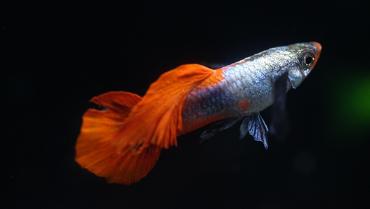
- Inspect all synthetic plants and ornaments for sharp plastic seams, rigid edges, or pointed tips that can easily tear delicate fins, particularly on long-finned species like Betta fish (Betta splendens) or Fancy Guppies.
- Ensure that every cave, hollow log, or resin structure features entrance holes significantly larger than the full adult size of your largest fish to prevent animals from wedging themselves inside and suffocating.
- Avoid placing artificial ornaments with hollow, dead-end interior spaces that lack water circulation, as trapped organic waste inside these voids can decompose and cause sudden, localized ammonia spikes.
- Boil natural driftwood for 2 to 4 hours prior to tank introduction to sanitize the wood, drive out trapped air pockets so it sinks immediately, and remove excessive initial tannin staining.
- Place heavy rock formations directly onto the bare glass bottom of the tank prior to pouring substrate to prevent burrowing species, such as Cichlids or Kuhli Loaches (Pangio kuhlii), from undermining the base and causing structural glass damage.
- Scrub accumulated algae off decorations using a dedicated, chemical-free toothbrush or pad rinsed only in drained aquarium water during routine maintenance.
- Never use household soaps, detergents, or chemical window cleaners on any aquarium item, as trace residues will destroy beneficial bacteria colonies and poison fish.
Matching physical decor to your livestock's swimming zone is equally critical. Bottom-dwelling catfish like Corydoras prefer smooth gravel or sand substrates paired with rounded river stones that won't abrade their delicate sensory barbels. Conversely, mid-water schooling fish require long horizontal corridors free of tall, obstructive items so they can swim naturally. For comprehensive guidelines on balancing physical structure with livestock stocking densities, consult our detailed resource on Stocking A Freshwater Fish Tank.
Creative Design Principles for a Stunning Aquascape
Building a visually striking layout requires applying fundamental artistic concepts such as depth, proportion, balance, and focal framing. Rather than scattering random ornaments evenly across the substrate—which creates a cluttered, artificial appearance—thoughtful design choices produce a harmonious underwater landscape that draws the viewer's eye across the entire display.
Start by establishing a singular focal point off-center using the classic visual "Rule of Thirds." Place your most impressive decorative element—such as an arched piece of Spiderwood, a massive Dragon Stone formation, or an intricate centerpiece ornament—roughly one-third of the way from either the left or right side of the tank. To enhance the perception of physical depth in standard rectangular tanks, slope your substrate gradually, creating a layer that is 1 to 2 inches deep at the front glass and rises to 3 to 4 inches deep along the rear wall.
Layer your physical elements by height to create distinct foreground, midground, and background zones. Keep low-profile rocks, small smooth pebbles, and ground-cover items near the front glass to preserve open viewing space. Position medium-sized stones, small caves, and bushy midground plants across the center. Finally, arrange tall rock columns, large branching driftwood pieces, and high-reaching background items along the rear glass to effectively frame the display while concealing functional equipment like heaters, air lines, and filter intake tubes. If you plan to incorporate real flora into your structural hardscape, explore our practical guide on Father Fish–Style Natural Aquariums to discover how plants and hardscapes work together to build balanced ecosystems.
Common Beginner Decorating Mistakes to Avoid
Even well-intentioned aquarists often make avoidable errors when selecting and arranging their first aquarium decorations. Recognizing these common pitfalls early will save you time, protect your financial investment, and prevent unnecessary stress for your livestock.
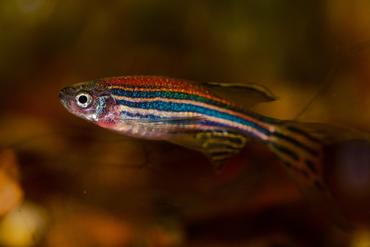
The most frequent error among beginners is over-decorating the aquarium. Filling every cubic inch of water volume with plastic castles, excessive rockwork, or dense artificial plants drastically reduces the total volume of actual water in the tank, making water parameters far less stable. Over-crowding also deprives active, high-energy swimming species like Zebra Danios (Danio rerio) or Boesemani Rainbowfish (Melanotaenia boesemani) of the open swimming corridors they require to burn energy and stay healthy. Always prioritize open swimming space alongside hideouts.
Another major mistake is mixing too many competing color palettes, unnatural themes, or disparate material types within a single setup. While bright pink gravel and neon green skulls might look fun individually, high-contrast, unnatural colors often cause timid fish to feel exposed and stressed. Under intense glare against bright substrates, many fish respond by washing out their natural colors as an instinctual defense mechanism. Choosing natural earth tones—such as warm browns, muted grays, and forest greens—mimics wild freshwater habitats, encouraging your livestock to feel secure and display their most intense, vibrant natural coloration. To avoid other structural and layout errors during your initial build, take time to review our foundational article on How to Select a Tank for a Freshwater Aquarium.
Final Takeaways: Designing Your Dream Underwater World
Designing and decorating an aquarium is one of the most creative, enjoyable aspects of maintaining a successful home display. By looking beyond pure aesthetic appeal and considering the biological, behavioral, and structural safety needs of your livestock, you can build a stunning underwater world that serves as a sanctuary for your fish. Always prioritize non-toxic materials, ensure all physical structures are stable and free of sharp edges, and establish clear open zones alongside secure hideouts to promote optimal fish health.
Are you ready to transform your display or put these aquascaping principles into practice? Browse through our extensive galleries of community-submitted aquariums on RateMyFishTank.com for endless hardscape inspiration, ask questions in our active forums, or upload photos of your finished aquarium setup to share your passion with thousands of fellow hobbyists today!


MOST RECENT ARTICLES