PEA PUFFER CARE AND COMPATIBILITY: STOCKING PLANS THAT ACTUALLY WORK
Understanding the Basics of Pea Puffer Care
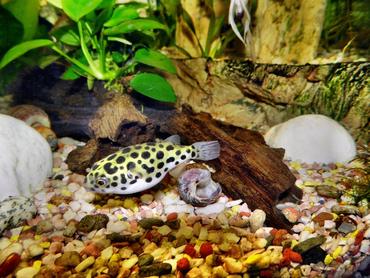
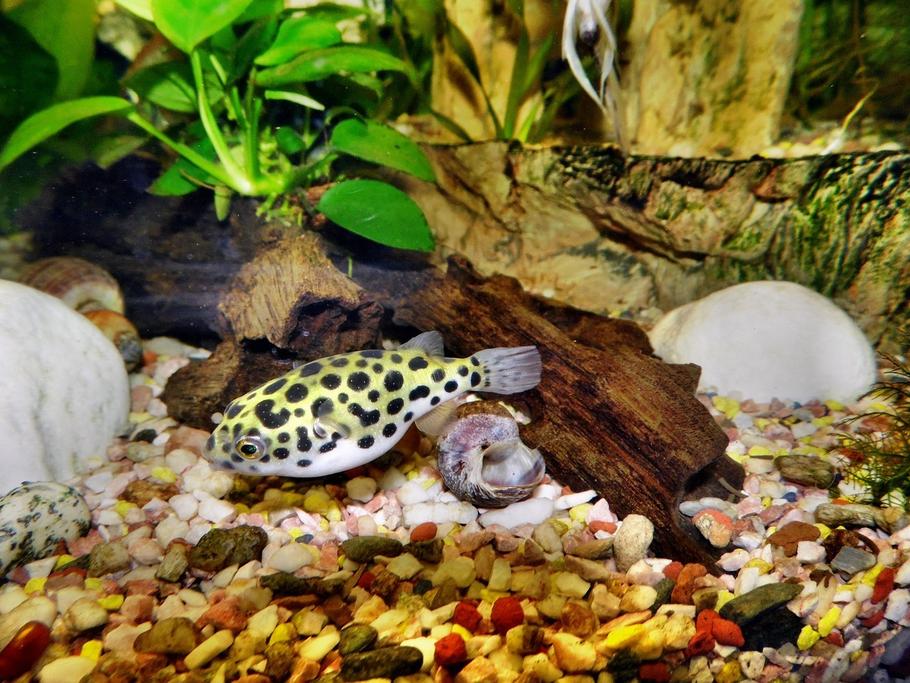
Before diving into stocking plans, it is vital to understand what makes a Pea Puffer tick. Unlike many community fish, Pea Puffers are highly intelligent and require an environment that prevents boredom. In the wild, they are found in the Western Ghats of India, inhabiting slow-moving rivers and heavily vegetated areas. Replicating this in the home aquarium is the first step toward success.
-
Tank Size: While a single puffer can technically live in a 5-gallon tank, we strongly recommend a minimum of 10 to 15 gallons for a small group. These fish are territorial, and a larger footprint allows for better "line-of-sight" breaks.
-
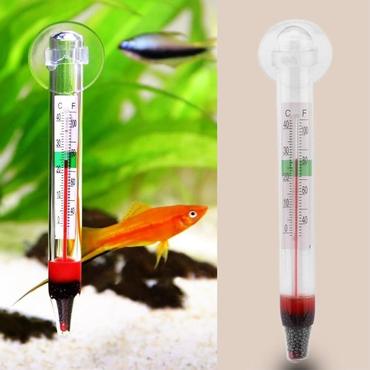
Water Parameters: Aim for a temperature between 74°F and 82°F. They prefer slightly acidic to neutral water (pH 6.5–7.5). Because they are messy eaters and lack scales, they are highly sensitive to ammonia and nitrites, making a consistent routine of water changes essential.
-
Filtration: Use a filter with a gentle flow. Pea Puffers are not strong swimmers and can become stressed by heavy currents. A sponge filter or a baffled hang-on-back filter works best.
-
Aquascaping: Dense planting is not optional. A "jungle style" tank provides the puffers with places to hide and explore. If they can see each other constantly, aggression will skyrocket.
The Dietary Demands of a Carnivorous Specialist
One of the most common reasons Pea Puffers fail to thrive in captivity is a poor diet. You cannot simply drop in a pinch of flakes or pellets and expect them to eat. Pea Puffers are opportunistic hunters that primarily eat small invertebrates in the wild, and they carry those instincts into your living room.
In the aquarium, their diet should consist almost exclusively of frozen or live foods. Live snails (such as Bladder snails or Malaysian Trumpet snails) are a staple. Unlike larger puffer species, Pea Puffers do not necessarily need snails to grind down their teeth, but the hunting behavior is crucial for their mental health. Other excellent food choices include:
-
Frozen or live bloodworms (a favorite, but feed in moderation to avoid constipation).
-
Live blackworms or tubifex worms.
-
Frozen brine shrimp or mysis shrimp.
-
Small live daphnia.
Beginners often make the mistake of assuming the puffer will "eventually" eat pellets. Many will starve to death before accepting dry food. Always ensure you have a reliable source of live food before bringing your first puffer home. Creating a separate "snail breeder" tank is a common and effective strategy for puffer owners.
The Truth About Pea Puffer Temperament and Compatibility
Pea Puffers are often labeled as "aggressive," but "territorial" and "nippy" are more accurate descriptions. They are known to nip the fins of slower-moving fish or those with long, flowy fins. Because of this, many hobbyists choose to keep them in a species-only setup, which is often the safest path for beginners.
If you are determined to try a community setup, you must choose tank mates that are either too fast to be caught or inhabit a different area of the tank. Success depends heavily on the individual personality of your puffer; some are relatively peaceful, while others are "bullies" that will harass anything that moves. For more information on managing difficult personalities, check out our guide on dealing with aggressive aquarium fish.
The most important rule for Pea Puffer compatibility is space. In a cramped tank, there are no "safe" tank mates. In a 20-gallon long tank that is heavily planted, your chances of success increase dramatically because the "victims" have room to retreat and the "aggressors" have defined territories to defend.
Stocking Plan 1: The Species-Only Colony (The Gold Standard)
For most hobbyists, the most rewarding way to keep Pea Puffers is in a dedicated colony. Contrary to older advice that suggested keeping them solitary, recent observations suggest that Pea Puffers are actually social shoalers in the wild. They do best in groups of 6 or more, provided the tank is large enough to support the hierarchy.
-
The Setup: 20-gallon long aquarium.
-
The Stock: 6 Pea Puffers (ideally 1 male and 5 females).
-
Why it works: In a group, aggression is dispersed. When kept in pairs or trios, a dominant puffer often singles out a weaker individual. In a larger group, the social hierarchy is more fluid, and the presence of many puffers actually reduces individual stress.
-
Key Tip: Distinguishing males from females can be tricky. Look for "wrinkles" behind the eyes and a dark vertical stripe on the belly of mature males. Females tend to be rounder and lack these features.
Stocking Plan 2: The "Fast and Nano" Community
If you want variety, you can pair Pea Puffers with fast-moving nano fish that stay out of the puffer's line of fire. This plan requires a minimum of 20 gallons and very heavy vegetation to break up the lines of sight.
-
The Setup: 20-gallon or 29-gallon aquarium.
-
The Stock: 3 Pea Puffers and a school of 8-10 Otocinclus Catfish or Kuhli Loaches.
-
The Dynamics: Otocinclus are generally ignored by puffers because they don't look like rivals and they spend their time rasping on surfaces. Kuhli Loaches are nocturnal and inhabit the bottom, meaning they rarely cross paths with the puffers during the day.
-
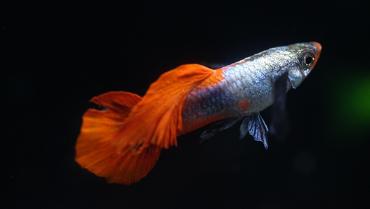
Avoid: Guppies, Bettas, or Goldfish. Their fins are targets, and their slow movement makes them easy prey for a nippy puffer. Small rasboras can sometimes work, but only in very large, heavily planted tanks.
Stocking Plan 3: The Invertebrate Experiment
Can you keep shrimp with Pea Puffers? The answer is a cautious "maybe." In many cases, the puffers will see shrimp as an expensive snack. However, some hobbyists have success with specific setups that prioritize size and cover.
-
The Setup: 15-gallon heavily moss-covered tank.
-
The Stock: 2 Pea Puffers and a colony of Amano Shrimp.
-
The Dynamics: Amano shrimp are much larger than Cherry Shrimp and are generally too big for a Pea Puffer to kill. They are also quite bold and can hold their own.
-
Risk Factor: Never put rare or expensive shrimp in a puffer tank. Expect that any shrimp offspring (shrimpettes) will be eaten immediately, which can actually serve as a great source of live food for the puffers. If the puffer is particularly aggressive, even Amanos may suffer from nipped antennae.
Common Mistakes to Avoid in Puffer Care
Success with Pea Puffers often comes down to avoiding a few critical errors that many intermediate keepers overlook during the initial excitement of setting up the tank:
-
Underestimating Waste: Because you are feeding high-protein live and frozen foods, your nitrate levels will rise faster than in a typical community tank. Regular testing and a robust filtration system are vital.
-
Inadequate Hiding Places: If you can see from one end of the tank to the other without obstruction, your tank is too open. Use driftwood, rocks, and tall plants like Vallisneria, Java Fern, or Amazon Swords to create visual barriers.
-
Buying Unhealthy Specimens: Many Pea Puffers in local fish stores are wild-caught and may arrive with internal parasites. Look for sunken bellies or lethargy. It is highly recommended to quarantine new arrivals and consider a preventive deworming treatment with a medication like Prazipro.
-
Ignoring the "Shoal" Aspect: A single puffer can become shy and withdrawn. While they are territorial, they also rely on the presence of others for a sense of security and mental stimulation.
Takeaway: Is the Pea Puffer Right for You?
Pea Puffers are not "set and forget" fish. They require a dedicated owner willing to source live foods, maintain pristine water conditions, and carefully monitor social interactions. However, the reward is a pet that truly recognizes you, displays complex behaviors, and turns your aquarium into a miniature underwater jungle. Their intelligence is palpable—they will often follow your finger across the glass and "beg" for food in a way that few other fish do. If you are willing to move away from the traditional community tank mindset and embrace the needs of these unique carnivores, the Pea Puffer will easily become the star of your collection.
Ready to start your puffer journey? Make sure you have your live food cultures started and your tank heavily planted before you head to the fish store. For more tips on creating the perfect environment, explore our extensive library of articles on aquascaping and specialized species care to ensure your new finned friends thrive for years to come.
Further Reading and Resources
To deepen your knowledge on specific puffer behaviors and advanced aquascaping techniques, we recommend checking out our related guides on maintaining high-tech planted tanks and our deep dive into the nitrogen cycle for sensitive species. Understanding these foundational concepts will make your Pea Puffer experience much smoother and more successful.
Do you have experience keeping these "murder beans"? We’d love to hear about your successful stocking plans or the challenges you’ve faced. Join the conversation in our community forums and share your photos!
MOST RECENT ARTICLES