CAN YOU KEEP OTHER FISH WITH YOUR BETTA?

The Golden Rules of Betta Community Tanks
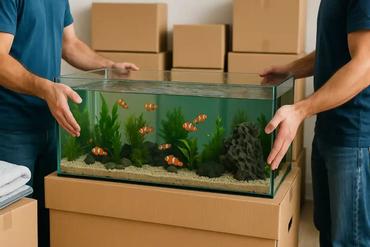
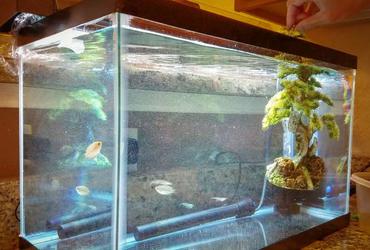
Before selecting tank mates, you must ensure the hardware and biological capacity of your aquarium can support a community. The single biggest mistake beginners make is trying to add tank mates to a 5-gallon tank. While 5 gallons is the minimum for a single Betta, a community tank requires at least 15 to 20 gallons. This extra space provides essential territorial buffers, allowing the Betta to claim a specific corner or plant thicket without feeling the need to patrol the entire tank. In smaller volumes, the proximity of other fish is perceived as a constant threat, leading to chronic stress and physical exhaustion for your Betta.
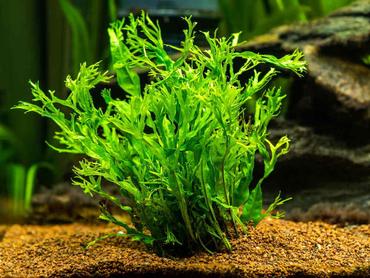
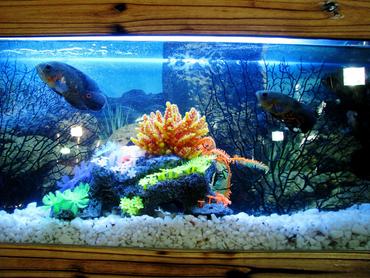
Another critical factor is the visual layout of the tank. A Betta community tank should be heavily decorated, preferably with live plants. Natural structures break up lines of sight, which is the primary method for diffusing aggression. If a Betta cannot see a neighbor from across the tank, it won't be triggered to flare or attack. Furthermore, you must ensure the filtration is appropriate for the increased bioload. Bettas prefer calm water, but a community of fish produces more waste than a single inhabitant. Utilizing a pre-filter sponge or a baffle on a powerful filter can keep the water clean without creating a turbulent current. Before you even think about adding companions, you must confirm that the process of cycling a fish tank is fully established to prevent toxic spikes.
Finally, consider the swimming space. A "long" tank is always superior to a "tall" tank for a Betta community. Because Bettas are labyrinth breathers, they need easy access to the surface to gulp air. A long tank provides more surface area and more horizontal swimming room for schooling fish like Tetras or Rasboras, keeping them safely away from the Betta's preferred resting spots near the top. Understanding these environmental requirements is the first step in moving from a beginner setup to an intermediate-level community tank that prioritizes the health and comfort of all residents.
Top Tank Mate Recommendations: Safe and Peaceful Bets
When choosing companions, you want to look for fish that are peaceful, lack long flowing fins (which can trigger a Betta’s competitive instinct), and occupy different levels of the water column. Since Bettas primarily occupy the upper third of the tank, bottom-dwelling and mid-water species are usually the safest choices. Here are some of the most successful recommendations for a harmonious community:
-
Corydoras Catfish: These are the ultimate Betta companions. They are strictly bottom-dwelling, incredibly peaceful, and have a thick armor of plates that protects them if a Betta gets curious. Pygmy, Panda, or Bronze Corys are all excellent choices that will busy themselves cleaning the substrate while staying out of the way.
-
Kuhli Loaches: These eel-like fish are nocturnal and spend most of their time in the substrate or under driftwood. Their odd, slinking shape doesn't register as a competitor to a Betta. They add a unique visual element to the tank without disrupting the peace.
-
Harlequin Rasboras: These small, fast-moving fish stay in the mid-water. They are peaceful and move in tight schools, which provides a distraction factor—the Betta is unlikely to focus on a single individual in a moving group of similar-looking fish.
-
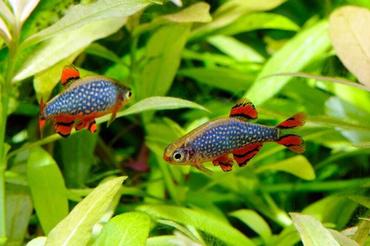
Ember Tetras: While some tetras can be nippy, Embers are very docile and stay small enough that they rarely bother a Betta’s fins. Their bright orange color provides a beautiful contrast to a blue or purple Betta.
-
Bristlenose Plecos: For a 20-gallon tank, a single Bristlenose Pleco can cohabitate well while helping with algae control, provided there is plenty of driftwood for them to rasp on. Their armored bodies make them very resilient to any curious Betta prods.
-
Invertebrates: Nerite snails are 100% safe due to their hard shells and lack of long tentacles for the Betta to nip. Amano shrimp are also great, as they are large enough that most Bettas won't try to eat them, unlike smaller cherry shrimp.
When selecting these fish, it is also important to consider their water parameter preferences. All of these species thrive in the same tropical temperatures (78-80°F) that Bettas require. For instance, Harlequin Rasboras are found in similar habitats in Southeast Asia, making them a biotope-accurate choice. By choosing species that share a natural history, you ensure that the water chemistry remains ideal for every inhabitant, reducing the likelihood of stress-related disease outbreaks.
Species to Avoid: The Trouble Makers and Fin Nippers
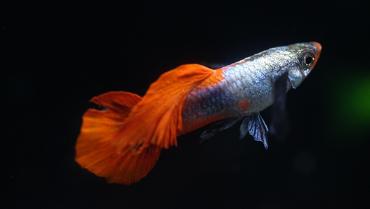
Success with a Betta community is as much about what you leave out as what you put in. You must strictly avoid any fish that could be mistaken for another male Betta. This includes fish with long, flowing fins or very bright, flashy colors that mimic the Betta’s own silhouette. For example, Fancy Guppies are often a disaster; their large, iridescent tails trigger the Betta’s fight response, leading to aggressive chasing and potential injury. Even if the Betta doesn't attack, the Guppies may nip at the Betta’s fins, causing a two-way conflict.
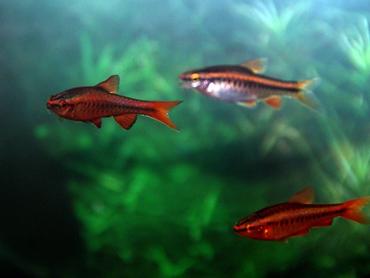
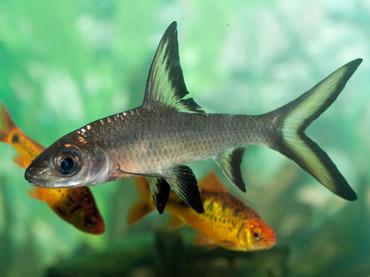
You must also avoid notorious fin-nippers. Because Bettas have heavy, delicate fins and are relatively slow swimmers compared to streamlined schooling fish, they are easy targets. Tiger Barbs and Serpae Tetras should never be housed with a Betta. These species are known for their nipping behavior, which can shred a Betta’s fins in a single afternoon, leading to stress and deadly conditions like fin rot. Furthermore, avoid other Labyrinth fish, such as Gouramis. Because they are closely related and share the same biological need to breathe air from the surface, they will compete directly for the same territory, almost always resulting in high-stress levels or physical combat. To avoid these common pitfalls, it is vital to research the basics of freshwater fish compatibility before making a purchase.
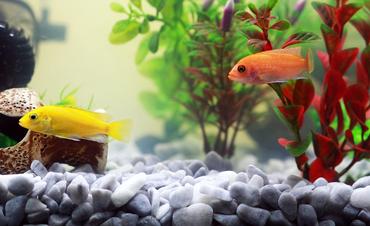
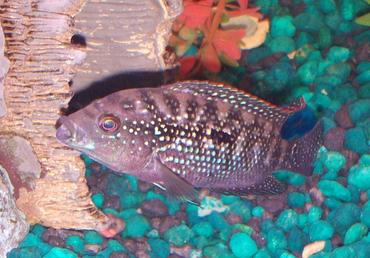
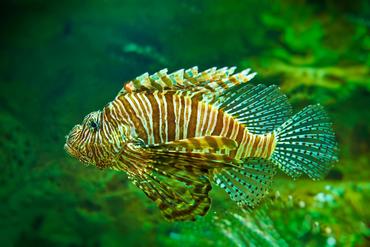
Other risky tank mates include very small shrimp like Cherry Shrimp. While some gentle Bettas may ignore them, many see these bright red invertebrates as an expensive snack. If you want to keep shrimp with your Betta, always provide a shrimp moss or dense ground cover where they can hide during the molting process when they are most vulnerable. Lastly, avoid large, aggressive fish like Cichlids or large Catfish that could easily swallow a Betta. Even a peaceful large fish might accidentally injure a Betta during feeding time or while defending a nesting site.
Personality Assessment: Is Your Betta a Lover or a Fighter?
Modern research has confirmed what many hobbyists have long suspected: fish have individual personalities. This is especially true for Bettas. Some individuals are remarkably chill and will happily share their space with almost anything, while others are rogues that will attack even a slow-moving snail. Before attempting to build a community, you should perform a simple personality test. Observe your Betta’s reaction to a mirror placed against the tank for two minutes. If the fish flares excessively, strikes the glass relentlessly, and refuses to back down, it may be a high-aggression individual best kept alone. If it flares briefly and then swims away out of boredom or curiosity, it is a much better candidate for a community tank.
When introducing new fish, use the acclimation and observation method. A pro-tip is to add the community fish to the tank first, and then introduce the Betta last. This prevents the Betta from feeling like the new fish are invading an established kingdom; instead, the Betta feels like it is the new guest in a pre-existing environment. During the first few hours of introduction, keep the aquarium lights off to reduce stress. For the first several days, spend at least 30 minutes a day watching the interactions. If you see the Betta persistently stalking a specific fish or if you notice your Betta is hiding and refusing to eat, you must have a backup plan—either a tank divider or a separate 5-gallon tank ready to go.
Real-world examples of successful communities often involve the ghost fish strategy. This involves choosing tank mates that are almost transparent or very dull in color. When a Betta looks at a Glass Catfish or a Ghost Shrimp, it often doesn't recognize them as fish at all, which almost entirely eliminates the territorial trigger. This psychological trick is one of the most effective ways to maintain a peaceful mixed-species tank while still enjoying a variety of aquatic life.
Compatibility and Care: Managing the Community Dynamic
Maintaining a community tank with a Betta requires a higher level of diligence than a single-specimen setup. The increased bioload means that waste products will accumulate more rapidly. You should aim for weekly water changes of 20-30% to keep the environment pristine. This is especially important because Bettas are highly susceptible to bacterial infections if water quality dips. You must also manage the feeding frenzy that occurs in community tanks. Most schooling fish are much faster swimmers than Bettas and will often consume all the food before the Betta can even realize it is feeding time.
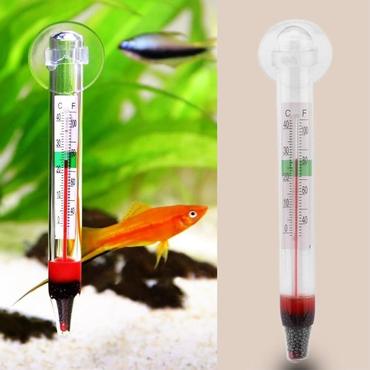
A practical tip is to use distraction feeding. Feed the community fish on one side of the tank with floating flakes, and while they are occupied, target-feed your Betta on the other side with its preferred high-protein pellets or frozen bloodworms. This ensures everyone gets the nutrition they need without the Betta having to fight for it. Additionally, keep a close eye on the water temperature. While some community fish can tolerate cooler water, Bettas thrive best at a stable 78-80 degrees. Ensure your chosen tank mates are comfortable in this high-tropical range. Ignoring these small details can lead to the dangers of high ammonia, nitrite and nitrate, which can be devastating in a crowded tank.
-
Use a liquid test kit weekly: Ensure Ammonia and Nitrite are 0 and Nitrates stay below 20 ppm to prevent health decline.
-
Incorporate floating plants: Species like Frogbit or Salvinia provide a canopy that makes the Betta feel secure and provides a place for bubble nesting.
-
Avoid sharp decor: Only use silk or live plants; plastic plants with sharp edges can easily tear a Betta's delicate, trailing fins.
-
Add Indian Almond Leaves: These release tannins that have natural antifungal and antibacterial properties, mimicking the Betta's wild blackwater habitat.
-
Vacuum the substrate: This is critical if you have bottom-dwellers like Corydoras, as they need a clean surface to prevent barbel erosion and infection.
-
Check the filter intake: Ensure the intake isn't strong enough to trap the Betta's long fins against the grate, which can cause severe injury.
Common Beginner Mistakes with Betta Communities
One of the most frequent and dangerous errors is the sorority tank. A Betta sorority involves keeping five or more female Bettas together. While this looks stunning in photos, it is incredibly difficult to manage and often ends in disaster for intermediate hobbyists. Female Bettas are still territorial and aggressive; the stress of maintaining a complex social hierarchy in a confined space often leads to suppressed immune systems and sudden outbreaks of disease. For the majority of hobbyists, a single male Betta with peaceful non-Betta tank mates is a much safer and more successful route to take.
Another mistake is underestimating the importance of a lid. When Bettas are in a community, they may occasionally get spooked by a fast-moving tank mate or a sudden movement outside the tank. Bettas are excellent jumpers, and an open top is an invitation for an accident. Always ensure your community tank has a secure, tight-fitting lid with no large gaps around the filter or heater. Furthermore, beginners often fail to recognize the signs of stress nipping. If you see your Betta’s fins becoming ragged but don't see any chasing, it might be the Betta itself nipping its own tail out of stress. This is a clear sign that the community dynamic isn't working and the Betta needs a calmer environment.
Takeaway: Creating a Harmonious and Thriving Betta Community
Keeping other fish with your Betta is a rewarding challenge that can result in a stunning and interactive aquarium. Success lies in the trifecta of a large enough tank, a heavily planted environment, and carefully selected, peaceful tank mates that occupy different water levels. By treating your Betta as an individual with its own unique personality and providing it with neighbors that do not threaten its territory, you can move away from the solitary confinement myth and toward a healthy, thriving ecosystem. Remember to monitor your water parameters closely, target-feed your Betta to ensure it isn't outcompeted, and always prioritize the stability of the environment. Are you ready to upgrade your Betta's lifestyle? Browse our species profiles to find the perfect Corydoras or Rasbora to join your Betta's world, and enjoy the beauty of a balanced tropical sanctuary! For more expert advice on fish health and tank management, continue exploring our latest guides at RateMyFishTank.com. Would you like me to help you design a specific stocking plan for your 20-gallon Betta tank?


MOST RECENT ARTICLES