WHAT ARE THE BEST CICHLIDS FOR A COMMUNITY TANK?

Understanding Cichlid Temperament and Compatibility
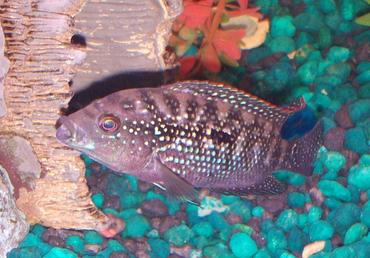
To successfully integrate cichlids into a community environment, one must first dismantle the myth that all cichlids are killers. The Cichlidae family is one of the largest vertebrate families on the planet, containing over 1,500 scientifically described species. Their behaviors range from the highly aggressive Oscars and Jack Dempseys to the timid and social Keyhole Cichlids. The primary challenge with keeping cichlids in a community tank is their inherent nature as territorial animals. Unlike schooling fish like tetras or rasboras, which find safety in numbers and move as a single unit, cichlids are individualists. They view the aquarium not as a shared swimming space, but as a collection of properties to be claimed, defended, and managed.
Most community-appropriate cichlids fall into the category of "Dwarf Cichlids" or specific "Peaceful Medium Cichlids." When evaluating a species for your tank, you must consider three critical factors: territoriality, size, and water chemistry. Many cichlids are only aggressive during specific life stages, such as when they are reaching sexual maturity or when they are guarding a brood of eggs. This "seasonal aggression" can be managed if the tank is large enough. However, size remains the ultimate arbiter of compatibility. In the fish world, the "big fish eats little fish" rule is an absolute law of nature. Even a peaceful species like a Severum will instinctively swallow a tiny Neon Tetra if the opportunity arises. Therefore, the best cichlids for a community tank are those that remain small or those whose mouth size is not a threat to their neighbors.
Water chemistry is the final pillar of compatibility. You cannot simply mix a cichlid from the alkaline, mineral-rich waters of Lake Malawi with a Tetra from the soft, acidic blackwaters of the Amazon. For a community tank to thrive, every inhabitant must be comfortable in the same pH and temperature range. This is why South American dwarf cichlids are the most popular choice for standard community setups, as they share the same water requirements as common community fish like Gouramis, Corydoras, and Livebearers. Before introducing any new species, it is essential to properly quarantine new fish to ensure you aren't introducing pathogens into your established community ecosystem.
Key Considerations for Cichlid Compatibility
- Territoriality: Most cichlids only become aggressive when they are breeding or protecting a specific "home" base, such as a cave or a flat stone. Understanding where a fish likes to hang out (bottom, middle, or top) helps in planning the layout.
- Social Signaling: Cichlids communicate through color changes and fin displays. In a community tank, you want species that don't interpret the presence of a different genus as a challenge.
- Feeding Habits: Some cichlids are substrate sifters, while others are surface hunters. A mix of both ensures that no single area of the tank becomes a focal point for food aggression.
Top South American Dwarf Cichlids for Community Tanks
South America is home to some of the most community-friendly cichlids in the hobby. These fish generally stay under four inches and are much more tolerant of other species than their larger cousins. Because they hail from the Amazon Basin and surrounding river systems, they are perfect companions for many of the most popular aquarium fish.
The Bolivian Ram (Mikrogeophagus altispinosus)
If there were an award for the most underrated community cichlid, it would go to the Bolivian Ram. Often overshadowed by the more colorful Blue Ram, the Bolivian variety is significantly hardier and more laid-back. They are bottom-dwellers that spend their time sifting through sand in search of morsels of food. Because they occupy the lower third of the tank, they rarely come into conflict with mid-water swimmers. They are also highly tolerant of a wider range of water parameters compared to their cousins, making them ideal for intermediate hobbyists who might still be perfecting their water maintenance routines.
The German Blue Ram (Mikrogeophagus ramirezi)
Famous for their electric blue and yellow coloration, these fish are stunning but come with a "handle with care" label. They are peaceful but require pristine water quality and higher temperatures (around 80-84°F). In a community setting, they act as the centerpiece. They are non-aggressive but can be quite shy. To help them feel at home, you should provide "dither fish"—fast-moving, peaceful schoolers like Rummynose Tetras—that signal the environment is safe. When the Rams see the Tetras swimming out in the open, they feel confident enough to leave their hiding spots.
The Cockatoo Cichlid (Apistogramma cacatuoides)
The Apistogramma genus contains dozens of species, but the Cockatoo Cichlid is perhaps the best suited for a community. They are named for the magnificent, crest-like dorsal fin found on the males. These are harem breeders, meaning one male usually lives with several females. In a community tank, they stay very small (males reach 3 inches, females about 2 inches). They are fascinating to watch as they claim small "territories" consisting of a single cave or coconut shell. They generally ignore any fish that doesn't try to enter their specific cave.
The Keyhole Cichlid (Cleithracara maronii)
Named for the keyhole-shaped mark on their side, these are perhaps the shyest cichlids in the hobby. They are famous for "blushing" or changing color when stressed and will rarely bother any tank mate. In fact, the Keyhole Cichlid is so peaceful that it is often the one being bullied by more assertive community fish like Zebra Danios. They are slow-moving and thoughtful, making them a great choice for a calm, planted aquarium. When keeping these species, providing plenty of leaf litter and driftwood mimics their natural habitat and helps them feel secure.
Mid-Sized "Gentle Giants" for Larger Aquariums
If you have a larger tank (55 gallons or more), you aren't limited to dwarf species. Some mid-sized cichlids possess a remarkably calm demeanor, provided they have enough swimming space to establish a territory without bumping into their neighbors every five seconds.
Angelfish (Pterophyllum scalare)
Perhaps the most iconic community cichlid, Angelfish add vertical elegance to a tank. They are generally peaceful but are ambush predators by nature. Their unique disc-like shape allows them to glide through thick vegetation, making them perfect for heavily planted tanks. However, beginners often make the mistake of keeping them with tiny fish. An adult Angelfish will easily eat a Neon Tetra. To keep them in a community, pair them with "tall" or "deep-bodied" tetras like Bleeding Hearts, Rosy Tetras, or Diamonds. These fish are too large to fit in the Angelfish's mouth, ensuring a peaceful coexistence.
The Severum (Heros effasciatus)
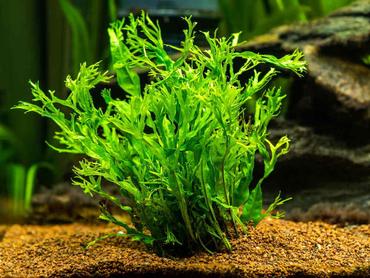
Often called the "Poor Man's Discus," Severums can grow quite large (up to 8 inches) but are surprisingly mellow. They are "gentle giants" that do well with larger community residents like Silver Dollars, Giant Danios, or larger Barbs. Severums come in various color morphs, including the stunning Gold Severum and the Rotkeil (Red Neck) Severum. While they are peaceful toward other fish, they are notorious for eating soft-leaved plants. If you want a Severum in your community, stick to tough plants like Anubias or Java Fern tied to rocks or driftwood.
The Electric Blue Acara (Andinoacara pulcher)
The Electric Blue Acara (EBA) is a modern hobby favorite. This is a man-made color strain of the traditional Blue Acara, and breeders have noted that the EBA is significantly more peaceful than its wild counterpart. They grow to about 5-6 inches and possess a glowing, neon-blue shimmer. They are incredibly active and hardy, making them one of the best "entry-level" medium cichlids. They rarely show aggression except when spawning, at which point they will defend their chosen flat stone with vigor. Because of their size, they should be housed with robust tank mates like Rainbowfish or larger Corydoras.
The Festivum Cichlid (Mesonauta festivus)
The Festivum is the Angelfish’s cousin and shares a similar temperament. They are slightly more skittish than Angelfish but equally peaceful. They have a unique diagonal stripe running from their mouth through their eye to the top of their dorsal fin. Festivums are excellent for community tanks because they tend to hang out in the top half of the water column, a space that most other cichlids avoid. This vertical separation reduces the chances of territorial disputes with bottom-dwelling species.
African Cichlids: The Exceptions to the Rule
While the vast majority of African Cichlids from Lake Malawi (like the Mbuna) are far too aggressive for a standard community tank, the continent offers a few "black sheep" that break the mold. These fish often come from different environments, such as river systems or Lake Tanganyika.
The Kribensis (Pelvicachromis pulcher)
Hailing from the river systems of West Africa, Kribs are colorful, easy to breed, and generally peaceful. Unlike their lake-dwelling cousins, they prefer slightly acidic to neutral water. They are cave dwellers and will live happily with tetras and danios. The most striking thing about Kribs is that the females are often more colorful than the males, sporting a bright cherry-red belly when they are ready to spawn. They are excellent parents and watching them lead a cloud of fry around the tank is one of the most rewarding experiences in the hobby. However, be warned: they are protective parents, so ensure the tank is at least 30 gallons to give other fish room to escape their "parental zone."
Shelldwellers (Neolamprologus multifasciatus)
From Lake Tanganyika come the "Multis," the smallest cichlids in the world. These tiny fish grow to barely an inch or two and live entirely in and around empty snail shells. While they are technically African Lake cichlids, their tiny size and specific habitat needs make them possible in specialized community tanks. You can have a "Multis" colony in one corner of a 40-gallon tank with shells, and as long as the other fish don't try to swim into their shells, the Multis will ignore them. They are surprisingly brave and will "bark" at fish ten times their size if they get too close to their shell.
Yellow Lab (Labidochromis caeruleus)
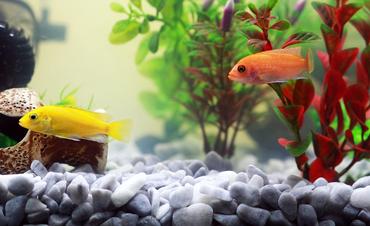
If you absolutely must have a Lake Malawi cichlid in a community setting, the Yellow Lab is your only real candidate. They are widely considered the most peaceful of the Mbuna group. They are bright "electric yellow" and lack the hyper-territorial drive of the Blue Johanni or Melanochromis species. They can be kept in a "semi-aggressive" community with robust fish like Giant Danios, Synodontis catfish, and larger Australian Rainbowfish. However, they still require the high pH and hard water typical of the African Rift Lakes.
Essential Care and Compatibility Considerations
Successful community cichlid keeping is less about the fish itself and more about the environment you provide. Cichlids are intelligent and observant; if their environment is boring or cramped, they will create their own "entertainment" by chasing their neighbors. To mitigate this, you must master the art of "aquascape engineering."
- Visual Breaks: This is the most important aspect of a cichlid community tank. Use tall plants (Valisneria), large rocks, and twisted driftwood to break the line of sight across the tank. If a dominant cichlid cannot see its neighbor across the glass, it is less likely to feel the need to chase it away.
- The "Dither Fish" Strategy: This involves using schools of active fish to reduce cichlid shyness. In the wild, if small fish are swimming in the open, it means no predators are around. Cichlids watch these schools; if the tetras are calm, the cichlids will spend more time in the open and less time lurking in corners.
- Substrate Choice: Many of the best community cichlids, like Rams and Apistogrammas, are "geophagic" (earth-eaters). They love to sift through sand to find food. Providing a sandy substrate instead of coarse gravel allows them to engage in this natural behavior, which reduces stress and keeps them occupied.
- Feeding Dynamics: Cichlids are often faster and more aggressive eaters than typical community fish. Ensure you spread food across the surface so that slower fish have a chance to eat. Using a mix of floating pellets and sinking wafers ensures that all levels of the tank are fed simultaneously.
Maintaining high water quality is also a non-negotiable aspect of cichlid care. High nitrates can lead to increased irritability and disease. Unlike some hardy community fish that can tolerate a missed maintenance session, cichlids—especially Rams and Discus—will show signs of stress immediately. You should aim for a consistent water change schedule to keep the environment stable and the nitrate levels below 20 ppm.
Common Beginner Mistakes and How to Avoid Them
Even seasoned hobbyists can run into trouble when integrating cichlids. One of the most common errors is buying a "juvenile" fish without researching its adult size and temperament. Many cichlids look adorable and peaceful at two inches—often sold in "assorted cichlid" tanks at big-box stores—but become predatory monsters at six inches. Always buy fish that are clearly labeled by their scientific name.
Another mistake is failing to provide enough "real estate." In a community tank, every cichlid needs a place to call its own. This is especially true for cave-dwellers. If you have three Apistogrammas but only one cave, there will be constant fighting. The rule of thumb is to provide at least 1.5 caves per cichlid. This gives the fish choices and prevents them from fighting over the "best" spot.
Lastly, be wary of "pair-bonding." While watching a pair of cichlids raise fry is a highlight of the hobby, a breeding pair of even the most peaceful species will become highly aggressive toward anything that swims near their eggs. A pair of Kribensis that was perfectly peaceful for three months can suddenly turn into a "tag-team" that pins every other fish into the top corners of the tank once they have eggs. If you don't want the drama of a "war zone" in your community tank, it is often better to keep a single specimen rather than a mated pair. A single male Cockatoo Cichlid will be just as beautiful and far more predictable in a community setting.
Final Takeaway: Choosing the Right Cichlid for You
Cichlids bring a level of personality, color, and interaction to an aquarium that few other fish can match. They are the "dogs" of the fish world—they will learn to recognize you, follow your finger, and even "beg" for food. By selecting peaceful species like the Bolivian Ram, Keyhole Cichlid, or Electric Blue Acara, you can enjoy the best of both worlds: the complex beauty of cichlids and the harmony of a diverse community tank. Success isn't just about the fish you choose, but the environment you build for them.
Remember that the key to success lies in research and preparation. Always verify the specific water requirements of your chosen species and ensure your tank layout provides plenty of visual barriers and hiding spots. With the right approach, your cichlid will not be a source of stress, but the centerpiece of a thriving, healthy ecosystem. If you are ready to take the next step in your aquarium journey, be sure to explore our extensive library of species profiles and equipment reviews.


MOST RECENT ARTICLES