GUPPY CARE GUIDE: HOW TO SUCCESSFULLY KEEP GUPPIES IN A FRESHWATER AQUARIUM
Understanding Guppy Water Parameters and Tank Setup
While guppies are incredibly adaptable, they are not invincible. The most common mistake beginners make is assuming that because guppies can live in varied conditions, they don't require a stabilized environment. To see your guppies display their best colors and most active behaviors, you must replicate their natural tropical habitat.
Tank Size
- While a 5-gallon tank is technically possible for a few males, a 10-gallon or 20-gallon long aquarium is highly recommended. Larger volumes of water are easier to keep chemically stable.
Temperature
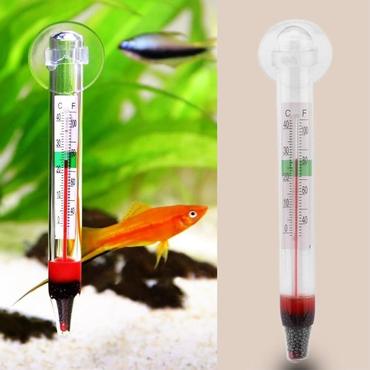
- Guppies thrive in temperatures between 74°F and 82°F (23°C to 28°C). Consistency is key here; use a reliable heater and thermometer to avoid "temperature shock," which can weaken their immune systems.
Water Hardness and pH
- Guppies prefer slightly alkaline water. Aim for a pH between 7.0 and 8.5. They also appreciate "hard" water with plenty of minerals (GH 8-12), which supports their metabolic functions.
Filtration
- Guppies have long, delicate fins that can be damaged by strong intake suctions or heavy currents. A high-quality sponge filter or a hang-on-back filter with an adjustable flow is ideal to keep the water oxygenated without blowing the fish around the tank.
[Image of the nitrogen cycle in a freshwater aquarium]
Before adding your fish, ensure you have a deep understanding of the nitrogen cycle and your aquarium. Guppies are sensitive to ammonia and nitrite spikes, so a fully cycled tank is a non-negotiable requirement for long-term success. Ammonia should always be 0 ppm, Nitrite 0 ppm, and Nitrates kept below 20 ppm through regular water changes.
Aquascaping for the Happy Guppy
Guppies are active swimmers that occupy the top and middle layers of the water column. However, they are also prone to stress if they feel too exposed. A well-designed aquascape provides both open swimming space and vital "safety zones."
Live plants are the single best addition you can make to a guppy tank. They help manage nitrate levels and provide natural foraging grounds. Consider these species:
- Java Moss: Essential for those interested in breeding, as it provides a dense thicket for fry to hide in.
- Hornwort: A fast-growing floating plant that provides cover from above and helps clarify the water.
- Amazon Swords: These provide large leaves for resting and create a sense of security in the mid-ground.
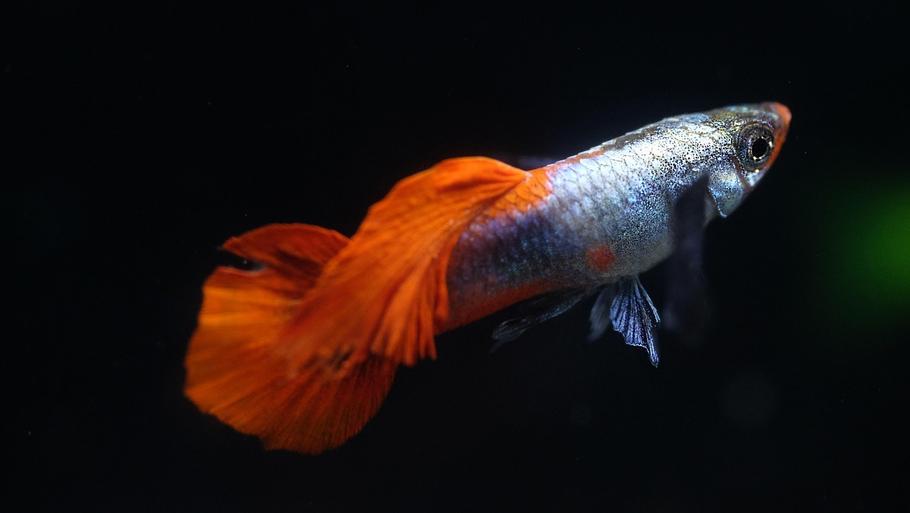
When choosing substrate, a fine gravel or sand works best. Avoid sharp-edged rocks or plastic decorations with jagged edges, as these are notorious for tearing the flowing caudal fins of male Fancy Guppies. If you use driftwood, ensure it does not lower the pH too significantly, as guppies do not enjoy acidic "blackwater" conditions.
Nutrition and Feeding Strategies
Guppies are opportunistic omnivores, meaning they will eat almost anything you put in the tank. However, a diet consisting solely of generic flakes will eventually lead to nutritional deficiencies and a dulling of their vibrant colors. To achieve peak health, a varied diet is essential.
The foundation of their diet should be a high-quality tropical flake or micro-pellet that is rich in protein and carotenoids to enhance their reds, oranges, and yellows. Complement this with "power foods" such as:
- Frozen or Live Brine Shrimp: High in protein and excellent for conditioning breeding pairs.
- Bloodworms: A favorite treat, but should be fed sparingly (once or twice a week) due to their high fat content.
- Vegetable Matter: Guppies naturally graze on algae. Occasional feedings of blanched zucchini or high-quality spirulina flakes will aid their digestion.
A common beginner pitfall is overfeeding. Guppies have very small stomachs. Only feed what they can consume in 60 seconds, twice a day. Any leftover food will rot, causing a spike in ammonia that can be fatal in smaller setups. For more tips on maintaining a healthy environment through proper feeding, check out our guide on how to prevent algae blooms in freshwater tanks.
Compatibility and Social Structure
One of the most complex aspects of guppy care is managing their social dynamics. Guppies are social fish, but they do not "school" in the traditional sense. Instead, they interact constantly, which can lead to aggression if the gender ratio is off.
The Golden Rule of Guppies
- Always keep at least two females for every one male. Males are relentless in their pursuit of mates; if you have a 1:1 ratio, the female will likely be harassed to the point of exhaustion and illness. Alternatively, many hobbyists opt for an "All-Male" tank to avoid the explosion of population that comes with breeding while enjoying the most colorful fish.
When choosing tank mates, avoid "fin nippers" like Tiger Barbs or certain Serpae Tetras. Instead, look for peaceful community fish such as:
- Corydoras Catfish: Excellent bottom-dwellers that stay out of the guppies' way.
- Neon Tetras or Rummy Nose Tetras: Small, peaceful dither fish that complement the guppies' colors.
- Mollies and Platies: Close relatives that share similar water parameter requirements.
- Honey Gouramis: A peaceful centerpiece fish that adds a different shape to the tank.
Avoid keeping guppies with large or aggressive species like Oscars or Cichlids, as the guppies will quickly become an expensive snack.
Breeding and Fry Care for Amateurs
If you have both males and females, breeding is not a question of "if," but "when." Guppies are livebearers, meaning the females give birth to fully formed, free-swimming fry rather than laying eggs. A single mating can result in multiple batches of fry because females can store sperm for several months.
The challenge is not getting them to breed, but ensuring the fry survive. Adult guppies (including the parents) have no parental instincts and will often eat the fry. If you want to raise a high survival rate, you have two options:
- The Natural Approach: Provide heavy covers of floating plants like Water Sprite or Guppy Grass. The strongest fry will hide until they are too large to be eaten.
- The Breeding Box: Move a pregnant female (identifiable by a large, dark "gravid spot" near her anal fin) into a mesh breeder box. Once she gives birth, remove her immediately.
Fry require tiny, frequent meals. Infusoria, crushed flakes, or "baby brine shrimp" are excellent choices. Be prepared for the logistics of a growing population; a single female can produce 20 to 60 fry every month, which can quickly lead to overstocking and stunted growth if you don't have a plan for rehoming them. High-frequency water changes are vital during fry development to ensure they don't succumb to nitrate poisoning.
Health Management and Common Diseases
Even with the best care, guppies can fall ill. Because they have been commercially bred for decades, some strains have weakened immune systems. The most common issues include Ich (white spot disease), Fin Rot, and Velvet.
Fin Rot is particularly prevalent in Fancy Guppies with large tails. It is almost always a symptom of poor water quality. If you notice the edges of the fins turning white, fraying, or receding, your first step should be a 50% water change and a check of your parameters. Maintaining a clean tank is 90% of the battle in fish health.
Quarantining new arrivals is a practice that separates intermediate hobbyists from beginners. Never add new guppies directly to your established display tank. Keep them in a separate 5-gallon "QT" tank for two weeks to ensure they aren't carrying parasites that could wipe out your entire colony. This simple step saves countless hours of frustration and medication costs.
The Guppy Takeaway: Creating a Sustainable Ecosystem
Successful guppy keeping is about more than just a pretty tank; it is about balance. By providing the right water chemistry, a diverse diet, and a stressful-free social environment, you can enjoy these magnificent fish for their full lifespan of 2 to 3 years. Remember that the "Million Fish" name is a reminder of their productivity, so always plan for future generations by maintaining high water quality and ample space.
The journey into the world of guppies is one of constant learning and discovery. Whether you are aiming to win a show with a specific strain of Delta-tail guppies or simply want a splash of color in your living room, the fundamentals of care remain the same. To continue expanding your knowledge and ensuring your aquarium remains a healthy, thriving environment, explore our extensive library of guides on tank maintenance and species-specific care here at RateMyFishTank.com.
Would you like me to create a specific water maintenance schedule or a list of the best live plants for guppy fry survival?
MOST RECENT ARTICLES