SPOTLIGHT ON THE OTOCINCLUS CATFISH

Spotlight on the Otocinclus Catfish
The Otocinclus catfish, affectionately known as the "Oto" or "dwarf suckermouth," is often the unsung hero of the freshwater aquarium. While many hobbyists initially gravitate toward flashy schooling fish or majestic centerpieces, the Otocinclus quickly earns its place as a favorite due to its unmatched efficiency as an algae eater and its peaceful, busybody nature. Unlike larger plecos that can eventually outgrow most home aquaria or become aggressive with age, the Otocinclus remains small, social, and entirely dedicated to keeping your glass and plants pristine. For beginner and intermediate keepers alike, adding a group of these diligent workers can be the turning point in maintaining a crystal-clear tank, provided you understand their specific dietary needs and delicate transition requirements. These tiny armored catfish bring a unique dynamic to the tank, scurrying across surfaces with a sense of purpose that is as entertaining as it is beneficial for your aquarium's ecology.

Understanding the Otocinclus: Tiny Titans of Algae Control

Native to the rivers and streams of South America, primarily across the Amazon basin in countries like Brazil, Peru, and Paraguay, the Otocinclus belongs to the Loricariidae family. These fish are evolutionarily designed for a life of constant grazing in varied water conditions, from slow-moving backwaters to faster-flowing forest streams. Their downward-facing suckermouth is a marvel of biological engineering, allowing them to latch onto surfaces even in turbulent water, scraping away biofilm and soft green algae with specialized, comb-like teeth. In the wild, they are rarely found alone; they inhabit massive shoals that can number in the thousands, which highlights the most critical aspect of their captive care: they are deeply social creatures that derive their sense of security from the presence of their own kind.

In the aquarium hobby, there are several species commonly found, though they are frequently mislabeled at local fish stores. Identifying the specific species can help you better understand their slight variations in size and pattern, though their care requirements remain largely identical across the genus:

  • Otocinclus vittatus: Perhaps the most common species in the trade, featuring a distinct, bold dark stripe running the length of its silver-grey body, ending in a clean tail spot.
  • Otocinclus vestitus: Very similar to vittatus but often slightly smaller with more subtle, diffused markings on the caudal fin.
  • Otocinclus cocama (Zebra Oto): A highly sought-after and premium species known for its striking black and white vertical stripes. They are slightly more sensitive to water quality but are arguably the most beautiful of the genus.
  • Otocinclus macrospilus: Often confused with vittatus, this species has a more marbled or "mottled" pattern on its back and a distinct, large rectangular blotch at the base of the tail.
  • Otocinclus huaorani: A hardier species often found in shipments from Peru, distinguished by specific counts of scutes along their sides, though visually similar to the common Oto.

Most Otocinclus reach a maximum size of only about 1.5 to 2 inches, making them the perfect candidate for maintaining a healthy nano tank. Because of their small stature and low-protein diet, they do not add a significant bioload to the aquarium compared to other scavengers. However, their small size should not be mistaken for hardiness; they require high-quality, well-oxygenated water to thrive over the long term. They are essentially the "canary in the coal mine" for your aquarium; if water quality dips, the Otos are often the first to show signs of distress.


Ideal Tank Setup and Water Parameters for Long-Term Success

Setting up a tank specifically with Otocinclus in mind requires a shift in perspective. You aren't just building a cage; you are cultivating an ecosystem. Because these fish spend their entire lives grazing, the more surface area you have—in the form of broad-leafed plants, smooth river rocks, and natural driftwood—the more successful you will be. A sterile, minimalist tank is a death sentence for an Otocinclus. They are not suited for brand-new setups that have just finished the nitrogen cycle. An Otocinclus should ideally be added to an "aged" aquarium (at least 3-4 months old) that has a established, steady growth of natural biofilm and soft algae on the decor.

To keep your Otos healthy and stress-free, aim for the following water parameters, keeping in mind that stability is far more important than hitting a specific number on a chart:

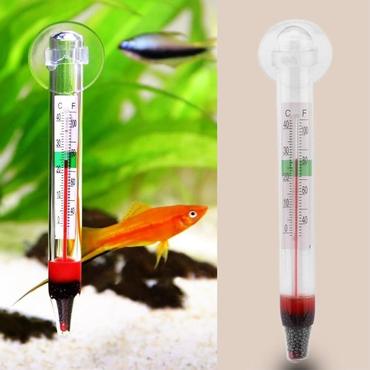
  • Temperature: 72°F to 79°F (22°C to 26°C). Avoiding the higher end of the tropical spectrum helps maintain higher dissolved oxygen levels, which Otos crave.
  • pH Level: 6.0 to 7.5; while they can adapt to slightly alkaline water, they flourish in slightly acidic to neutral environments that mimic the leaf-litter-rich waters of the Amazon.
  • Water Hardness: 6 to 15 dGH. Extremely hard water can lead to mineral deposits on their delicate gills over time.
  • Filtration and Oxygenation: High-quality filtration is non-negotiable. They have zero tolerance for ammonia or nitrites. Using an oversized sponge filter or a hang-on-back filter with a pre-filter sponge provides both clean water and additional grazing surfaces.

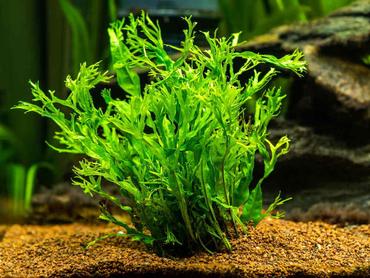
Substrate choice is also a factor. While they don't dig like Corydoras, a sandy or fine, smooth gravel substrate is safer for their delicate undersides when they rest on the bottom. Densely planting the tank is the best thing you can do for them. Large-leafed plants like Amazon Swords (Echinodorus), Anubias, and Java Fern are literal "dinner plates" for Otos. They will spend hours meticulously cleaning every square inch of these leaves. Furthermore, these plants provide the shaded, low-light areas where Otos like to retreat during the brightest parts of the day. Driftwood is another essential; as it breaks down, it creates a surface for "aufwuchs"—a German term for the microscopic community of algae, larvae, and rotifers that form the natural diet of these catfish.


The Critical Importance of Diet: Preventing Starvation

The most common mistake beginners make with Otocinclus—and the reason for their reputation as being "fragile"—is the assumption that they can survive solely on the "scraps" of algae naturally occurring in the tank. While they are exceptional cleaners, a clean-looking tank can actually be a starvation trap. Otocinclus have incredibly high metabolic rates for their size and need to consume food almost constantly. In a glass-enclosed environment, they can quickly deplete the natural algae supply. A healthy Oto should always have a slightly rounded, white "pearl" bellied appearance. If the belly looks flat or, worse, sunken (concave), the fish is in an advanced state of starvation and may be past the point of no return.

To ensure your Otos flourish and live out their full 3-to-5-year lifespan, you must proactively supplement their diet. Do not wait until the algae is gone to start feeding them. Practical food options include:

  • High-Quality Algae Wafers: Not all wafers are created equal. Avoid brands where "fish meal" or "wheat" are the first ingredients. Look for spirulina, kelp, or alfalfa-based wafers. Feed these at night, as Otos are often more active feeders in low light.
  • Blanched Vegetables: This is a staple for experienced keepers. Slices of zucchini, cucumber, yellow squash, or canned green beans (salt-free) are excellent. Blanch them in boiling water for two minutes to soften the fibers, cool them, and pin them to the bottom or side of the tank. Remove any uneaten portions after 24 hours to prevent water fouling.
  • Bacter AE or Biofilm Promoters: These powders, often used by shrimp breeders, encourage the growth of natural biofilm across all surfaces. This is perhaps the best way to ensure that even the shyest Otocinclus has something to eat.
  • Repashy Soilent Green: This gel food is a game-changer. You can mix it and "paint" it onto rocks or pieces of wood while it is still liquid. Once it sets into a rubbery gel, you place the rock in the tank. It mimics their natural grazing behavior perfectly and doesn't dissolve as quickly as wafers.

A specific technique for intermediate hobbyists is the "Algae Stone Rotation." Keep a shallow plastic container or glass jar on a sunny windowsill filled with aquarium water and a handful of smooth river stones. Within a week or two, the stones will be coated in thick, lush green algae. Place one of these stones into the tank, and watch your Otos swarm it. Once the stone is licked clean, swap it back for a fresh one from the windowsill. This provides a constant, natural, and free source of high-quality nutrition that keeps the fish's digestive system functioning as it would in the wild.


Compatibility and Social Dynamics in the Community Tank

Otocinclus are among the most peaceful fish in the entire aquarium hobby. They lack any aggressive instincts and possess no means of attacking other fish. Their primary defense is their "armor"—the hard bony plates (scutes) that cover their body—and their ability to dart away at lightning speed when spooked. However, their peaceful nature makes them vulnerable. They do not compete well for food with aggressive eaters, and they can be easily stressed by fast-moving or nippy tank mates.

Ideal Tank Mates for Otocinclus:

  • Peaceful Schooling Fish: Small tetras (Neon, Cardinal, Rummy Nose), Rasboras (Harlequin, Chili), and Hatchetfish occupy different levels of the tank and ignore Otos.
  • Invertebrates: Otos are 100% safe for freshwater invertebrates. They are one of the few fish that can be trusted with Neocaridina shrimp babies (shrimpets), as their mouths are simply not designed for predation.
  • Corydoras: These fellow catfish make excellent companions. While both occupy the bottom and mid-bottom levels, they do not compete for the same food; Corys want protein and worms, while Otos want greens and biofilm.
  • Gouramis: Most dwarf varieties, such as the Honey Gourami, are slow-moving and peaceful enough to share a space with Otocinclus.

Tank Mates to Avoid:

  • Aggressive Cichlids: Even medium-sized cichlids like Convicts or Firemouths may harass Otos. Large cichlids like Oscars will simply eat them, which can be fatal for the predator too; the Otocinclus has spines in its fins that can lock in the throat of a larger fish.
  • Goldfish: The high waste production and cooler water temperatures preferred by goldfish make them poor matches for the delicate Otocinclus. Additionally, goldfish are "mouth-brooders" of a sort—if it fits in their mouth, they will try to eat it.
  • Aggressive Algae Eaters: Avoid keeping them with Chinese Algae Eaters (Gyrinocheilus aymonieri), which become aggressive and may attempt to suck the slime coat off the sides of the Otocinclus.

The "Group Rule" is the most vital piece of compatibility advice: You must keep them in a group of at least six. In smaller numbers, Otocinclus spend most of their time hiding in a state of high stress. Stress in fish leads to a suppressed immune system, making them susceptible to diseases they would otherwise fight off. When kept in a proper shoal, you will see them "playing" in the filter flow and grazing together on the same leaf, which is their natural and healthy behavior.

Advanced Care: The "First Fortnight" and Health Management

Why do so many Otocinclus die within the first week of purchase? This is the most common question from intermediate hobbyists. The answer lies in their journey. Most Otos are wild-caught. Between the river and your tank, they are often held in sterile tanks without food for weeks to prevent water fouling during shipping. This prolonged starvation causes the specialized bacteria in their gut—which they need to digest plant matter—to die off. Even if the fish starts eating in your tank, it may not be able to absorb the nutrients and will eventually "starve with a full belly."

To beat the odds, follow these advanced acclimation steps:

  • The Drip Method: Do not just "float and plop." Use a drip line to slowly introduce your tank water to their transport bag over the course of 60 to 90 minutes. This prevents osmotic shock to their already weakened systems.
  • Quarantine with Food: If you use a quarantine tank, ensure it is not a "sterile" one. Put in a piece of algae-covered wood or a seasoned sponge filter.
  • Avoid Copper: Otocinclus are extremely sensitive to copper. Many medications for snails or algae control contain copper, which can be lethal to Otos. Always read the labels.
  • Monitor for "Ich": Because they are often stressed upon arrival, they can carry Ich (white spot disease). If treatment is needed, use heat-based methods or half-doses of medication, as their scaleless-like skin absorbs chemicals rapidly.

Another health concern is "Red Belly," which is usually a sign of bacterial septicemia caused by poor water quality or dirty substrate. This is why regular vacuuming of the "open" areas of your substrate is important, even if you are leaving some algae for them to eat. If you notice your Otos breathing rapidly at the surface, it is a sign of low oxygen or high nitrites. Immediately perform a 50% water change and increase surface agitation.

One often overlooked aspect of Otocinclus health is their sensitivity to sudden light changes. In the wild, light transitions are gradual. In the home aquarium, the sudden "slam" of a high-intensity LED turning on can cause Otos to dart blindly, sometimes hitting the glass or decor with enough force to cause internal injury. Using a light with a "ramp up/down" feature or turning on a room light 15 minutes before the tank light can significantly reduce this stress.

Common Misconceptions and Troubleshooting

There is a persistent myth that Otocinclus are "delicate" fish. In reality, once they have passed the initial 30-day mark in an established aquarium, they are actually quite hardy. The "delicacy" is almost entirely related to the stress of shipping and the lack of food in retail environments. As a keeper, your job is to bridge that gap. If you see an Otocinclus in a store that is already thin, it is best to avoid it, as the gut bacteria may already be compromised beyond repair. Look for the "fat and happy" ones that are actively grazing on the store glass.

Another misconception is that they will eat all types of algae. Otos are specialists. They love soft green algae, brown diatoms (common in new tanks), and biofilm. They will generally not touch Black Brush Algae (BBA), Staghorn Algae, or Green Spot Algae (which is too hard for their teeth). If you are buying them specifically to solve a BBA outbreak, you will be disappointed. For those tougher algae types, you might need to look into natural ways to balance your tank's ecosystem, such as adjusting lighting or CO2 levels, rather than relying on a "clean-up crew" alone.

Troubleshooting behavior is also key. If you notice your Otos are "glass surfing" (swimming up and down the glass frantically), it usually means one of two things: they are new to the tank and exploring, or they are hungry and searching for food. If the behavior persists in established fish, check your ammonia levels immediately. Conversely, if they are completely stationary for hours, don't panic. They are masters of energy conservation and will often "nap" on a leaf or the heater (ensure you have a heater guard!) for long periods.

Conclusion: The Ultimate Reward of the Otocinclus

The Otocinclus catfish is a rewarding addition to any community aquarium, offering a combination of utility and charm that few other species can match. They are the quintessential "helpers," working tirelessly to maintain the aesthetic of your underwater world while asking for very little in return—aside from a stable environment and a steady supply of greens. By respecting their need for a social group, providing a stable and aged environment, and ensuring they have a constant supply of diverse food sources, you can enjoy these "dwarf suckermouths" for years. They are the ultimate proof that sometimes the smallest fish make the biggest impact on the health and beauty of an ecosystem. For the hobbyist who is willing to put in the effort during those first few critical weeks, the reward is a peaceful, fascinating, and pristine aquarium that feels truly alive.

Success with Otocinclus represents a milestone in a hobbyist's journey; it shows that you have moved beyond simply "keeping fish" and have started "managing an environment." If you are looking to expand your knowledge on building the perfect community or dealing with specific algae types that even Otos might skip, be sure to explore our other guides on aquarium maintenance and species profiles. Does your tank have the right balance of light and nutrients to support these tiny titans? Keep observing, keep testing, and happy fishkeeping!

Spotlight on the Apple Snail
Apple snails are often overlooked by beginner and intermediate aquarists, yet these charismatic invertebrates can add fascinating behavior, eye-catching color, and beneficial cleanup activity to your freshwater aquarium.
Everything You Need to Know About Nerite Snails
If you’ve ever noticed pristine aquarium glass, spotless decorations, or felt mystified by a snail that seems to magically keep your tank algae-free, chances are you’re thinking about nerite snails — one of the most popular grazing snail species in the freshwater and saltwater aquarium hobby.

MOST RECENT ARTICLES

Overstocking Myths vs Reality
OVERSTOCKING MYTHS VS REALITY
Setting up a new aquarium is an exercise in restraint that many hobbyists, both beginners and seasoned veterans, find difficult to master.
Blackwater & Biotope Aquariums (Natural-Style Boom)
BLACKWATER & BIOTOPE AQUARIUMS (NATURAL-STYLE BOOM)
For decades, the gold standard of the home aquarium was a pristine, crystal-clear box of water, often decorated with neon gravel and plastic plants that bore little resemblance to the wild.
Sustainable & Ethical Fishkeeping
SUSTAINABLE & ETHICAL FISHKEEPING
Bringing a slice of the underwater world into your home is a rewarding experience, but as the hobby grows, so does our responsibility to ensure that our passion doesn’t come at the expense of the environments we admire.

Rate This Tank:

FRESHWATER AQUARIUM ARTICLES

Freshwater Water Parameter Guide (Complete 2025 Edition)
Maintaining a thriving freshwater aquarium is about much more than just a beautiful glass box and colorful fish; it is about managing a delicate, invisible ecosystem that exists within your living room.
Top 10 Beginner-Friendly Freshwater Fish (With Care & Compatibility Tips)
Embarking on the journey of fishkeeping is one of the most rewarding endeavors a nature lover can undertake, offering a unique blend of artistry, biology, and peaceful observation.
African Cichlid Aggression - How to Reduce Aggression
Learn about the causes of cichlid aggression and methods for reducing it.
Live Plant Basics for Freshwater Community Aquariums
Stepping into the world of live aquatic plants is often the moment a casual fish keeper becomes a true aquarist, transitioning from someone who simply "has fish" to someone who "maintains an ecosystem.
Pea Puffer Care and Compatibility: Stocking Plans That Actually Work
The Pea Puffer (Carinotetraodon travancoricus) is often described as a pint-sized powerhouse with a personality that far outweighs its tiny frame.
Guppy Care Guide: How to Successfully Keep Guppies in a Freshwater Aquarium
he Guppy (Poecilia reticulata) is arguably the most iconic species in the aquarium hobby, often serving as the gateway fish for generations of successful aquarists.
How to Interpret Fish Food Labels
Standing in front of a wall of fish food can feel overwhelming—bright packaging, bold claims, and ingredient lists that read more like a chemistry exam than a feeding guide.
Read more articles (7)

STOCKING THE TANK

The fish you choose to stock your tank is not a decision that should be made lightly. The articles in this category will help you understand the basics of fish compatibility and will provide you with other information you need to make an informed decision when stocking your tank.

What Are the Best Cichlids for a Community Tank?
Cichlids are often the crown jewels of the aquarium world, celebrated for their striking colors, complex behaviors, and undeniable intelligence.
Larger Tetras for the Community Tank
When most hobbyists think of Tetras, their minds immediately go to the diminutive Neon or the translucent Ember Tetra.
Choosing the Right Algae-Eater by the Type of Algae in Your Tank
Every aquarium hobbyist, from the wide-eyed beginner to the seasoned pro, eventually faces the green (or brown, or black) menace: algae.
The Ideal Tank Setup for Oscars
The Oscar (Astronotus ocellatus) is often referred to as the water dog of the aquarium world, and for good reason.
Compatible Tank Mates for Freshwater Angels
Freshwater angelfish (Pterophyllum scalare) are one of the most captivating and graceful species in community aquariums, with their tall, flowing fins and curious personalities.
The 15 Most Popular Types of Goldfish
Goldfish are among the most recognizable aquarium fish in the world, yet they are also some of the most misunderstood.
The Best 10-Gallon Fish Stocking Ideas (With Photos, Behavior Notes & Alternatives)
The 10-gallon aquarium occupies a unique and cherished space in the fish-keeping world, serving as the definitive starting point for countless beginners while offering a sophisticated "nano" challenge for seasoned veterans.
The Top 6 Freshwater Goby Species for Your Tank
For many years, the aquarium hobby viewed gobies as the exclusive crown jewels of the saltwater world, often associated with colorful reefs and symbiotic relationships with pistol shrimp.
Everything You Need to Know About Freshwater Angelfish
Freshwater angelfish are among the most iconic and recognizable aquarium fish in the hobby.
Everything You Need to Know About Nerite Snails
If you’ve ever noticed pristine aquarium glass, spotless decorations, or felt mystified by a snail that seems to magically keep your tank algae-free, chances are you’re thinking about nerite snails — one of the most popular grazing snail species in the freshwater and saltwater aquarium hobby.
The Most Popular Catfish for Freshwater Tanks
For decades, catfish have been the unsung heroes of the freshwater aquarium, serving as the backbone of the "cleanup crew" while providing a level of personality and behavioral depth that few other fish can match.
Jewel Cichlid Species Profile
The Jewel Cichlid is a stunning addition to any freshwater aquarium, known for its vibrant red coloration and captivating behavior.
Stocking Fresh Water Fish Tanks
Stocking a freshwater fish tank is one of the most rewarding parts of aquarium keeping—but it’s also where many beginners unknowingly run into trouble.
Spotlight on the Apple Snail
Apple snails are often overlooked by beginner and intermediate aquarists, yet these charismatic invertebrates can add fascinating behavior, eye-catching color, and beneficial cleanup activity to your freshwater aquarium.
The Basics of Freshwater Fish Compatibility
Creating a thriving freshwater aquarium is much like hosting a dinner party; the success of the evening depends entirely on whether your guests actually get along.
Corydoras Catfish: Community-Friendly Bottom Feeders
If you have ever spent more than five minutes browsing a freshwater fish gallery, you have likely encountered the charming, industrious, and perpetually busy Corydoras catfish.
The Top 10 Worst Community Fish
If you are interested in cultivating a peaceful tank full of multiple species, don't choose these fish.
South American Cichlid Species for Beginners
The freshwater rivers and tributaries of South America are home to some of the most charismatic, colorful, and intelligent fish in the aquarium hobby.
Algae Eaters for Freshwater Tanks
Every aquarium hobbyist, from the bright-eyed beginner to the seasoned aquascaper, eventually faces the inevitable "green wall"—the moment when algae begins to claim the glass, rocks, and plants of a carefully curated underwater world.
Stocking Your Tank with Schooling Fish
There is perhaps no sight more captivating in the aquarium hobby than a tight-knit school of iridescent fish moving in perfect unison across a lushly planted backdrop.
Common Myths About Bettas
If you’re new to the aquarium hobby or have kept fish for a few years, chances are you’ve heard plenty of advice—some good, some confusing—about Betta fish (Betta splendens).
The Top Choices for Stocking a 10-Gallon Tank
Stepping into the world of reef keeping is often described as the final frontier for the aquarium enthusiast, transforming a standard saltwater setup into a pulsing, glowing, and living tapestry of biological wonder.
Caring for the Plecostomus in the Freshwater Tank
If you’ve ever visited a pet store or aquarium show you may have noticed a group of tough-looking, algae‑eating fish whisking along the glass and decor — the plecostomus.
Cultivating a Tank for Red Bellied Pacus
Red Bellied Pacus are among the most fascinating and rewarding fish for freshwater aquarium enthusiasts, but they’re also fish that come with unique needs and challenges.
What Are Good Freshwater Fish For Beginners
Choosing your first freshwater fish can feel overwhelming, especially with hundreds of colorful species available at pet stores and online.
Choosing the Right Barbs for Your Tank
If you’re diving into the colorful world of freshwater aquariums and want active, charismatic fish that add energy and interest to your tank, few groups deliver like barbs — from the classic Tiger Barb to the dazzling Cherry Barb — but choosing the right barb species for your tank requires more than just picking your favorite color.
Show Tank-Worthy Tankmates for Fancy Guppies
Fancy guppies are among the most eye-catching freshwater fish available, prized for their flowing fins, vibrant colors, and constant activity.
The Top 5 Shrimp for the Freshwater Aquarium
Freshwater shrimp have exploded in popularity over the last decade, evolving from niche cleanup crew members to the absolute stars of the home aquarium.
The Natural Environments of African and South American Cichlids
Cichlids are some of the most fascinating freshwater fish in the aquarium hobby, admired for their intelligence, vibrant colors, and complex behaviors.
Species Spotlight: Archerfish
Few aquarium fish capture attention quite like the archerfish.
Top Freshwater Aquarium Bullies
Every aquarium hobbyist eventually learns that not all fish are as peaceful as they look.
Spotlight on the Otocinclus Catfish
The Otocinclus catfish, affectionately known as the "Oto" or "dwarf suckermouth," is often the unsung hero of the freshwater aquarium.
Species Spotlight: Keeping Arowanas in the Freshwater Tank
Often referred to as the Dragon Fish due to their shimmering, armor-like scales and majestic, undulating movements, the Arowana is the ultimate centerpiece for any serious freshwater aquarist.
Tips for Stocking Your Aquarium by Color
Creating a visually stunning aquarium is often compared to painting a living canvas, where the fish serve as the vibrant brushstrokes that bring the underwater landscape to life.
Spotlight on the Wolf Cichlid
The Wolf Cichlid, known scientifically as Parachromis dovii, is one of the most talked-about freshwater fish in the aquarium hobby, admired for its intelligence and power while simultaneously feared for its aggression and size.
The Top 10 Worst Tank Busters
Find out which fish will rapidly outgrow your tank, and the smaller alternatives that are available.
Cichlids - Understanding the Different Types
The Cichlidae family is arguably the most diverse and captivating group of fish in the aquarium hobby, offering a spectrum of colors, behaviors, and intelligence that rivals the complexity of a coral reef.
Keeping Goldfish
Keeping Goldfish
Goldfish are perhaps the most iconic aquatic pets in the world, yet they are also among the most misunderstood.
Care Guide for Keeping Brackish and Freshwater Puffers
The name "puffer fish" conjures an image of a balloon-like animal but these fish are so much more than their comical appearance.
Can You Keep Other Fish With Your Betta?
The Siamese Fighting Fish, or Betta splendens, is arguably the most misunderstood resident of the freshwater world.
Keeping Dwarf Gouramis in the Freshwater Tank
With their shimmering iridescent scales and deliberate, graceful movements, Dwarf Gouramis (Trichogaster lalius) have earned their place as one of the most beloved centerpieces in the freshwater hobby.
What Every Aquarium Hobbyist Should Know About Livebearers
Livebearers are often the fish that hook people on the aquarium hobby for life.
The Best Barbs for a Large Home Aquarium
When aquarium enthusiasts transition from a standard 20-gallon starter kit to a large-scale home aquarium, they often find themselves searching for fish that can truly fill the space with color and movement.
Species Spotlight: Keeping Freshwater Crayfish at Home
Freshwater crayfish are the rugged, charismatic architects of the invertebrate world, bringing a sense of prehistoric wonder and activity to any home aquarium.
Types of Freshwater Aquarium Snails
For many years, aquarium snails were unfairly labeled as nothing more than "pests" that hitched a ride on live plants and overran tanks with lightning speed.
Tips for Keeping Shoaling Species in the Aquarium
There is nothing quite as mesmerizing in the aquarium hobby as a synchronized group of fish moving as a single, shimmering unit across a well-planted tank.
Species Profile: Blind Cave Tetra
In the vast world of freshwater aquaria, few species spark as much curiosity and conversation as the Blind Cave Tetra (Astyanax mexicanus).
Freshwater Fish Article Database
Articles on dozens of different freshwater fish and appropriate care.
Read more articles (48) Aquarium Setup (16)
An Overview of Fish Bowls
Fish bowls are one of the most recognizable symbols of fishkeeping, often associated with simplicity, minimal effort, and a single fish gently swimming in a clear glass sphere.
What is an Unfiltered Tank and How do I Cultivate One?
The modern aquarium hobby is often defined by high-tech gadgetry, from pressurized CO2 systems to canisters that look like they belong in a laboratory.
Setting Up a Hospital Tank: Step-by-Step 14-Day Treatment Plan
Maintaining a thriving aquarium is a labor of love, but even the most diligent hobbyists will eventually encounter a sick fish or a sudden outbreak of disease.
Wall Mounted Fish Tanks
Wall mounted fish tanks have transformed from futuristic novelties into a popular design choice for modern aquarium hobbyists looking to save floor space while adding a living piece of art to their home.
Acclimating Fish - Drip Method
Bringing home new fish is one of the most exciting moments in the aquarium hobby—but it’s also one of the most dangerous times for your livestock.
What is a Biotope Tank?
For many aquarium hobbyists, the journey begins with a "community tank" featuring a mix of colorful fish from different corners of the globe.
Moving - How to Prepare Your Tank for a Move
Moving house is stressful enough — moving an aquarium adds a whole new layer of complexity.
Cultivating a Healthy Discus Community Tank
Often hailed as the "King of the Aquarium," the Discus (Symphysodon) is a breathtaking centerpiece for any freshwater enthusiast, boasting a majestic saucer-like shape and a kaleidoscopic array of colors and patterns.
When and How to Upgrade to a Larger Tank
Moving from a starter aquarium to a larger setup is one of the most exciting milestones for any hobbyist, representing both a growing passion for the craft and a commitment to the well-being of your aquatic inhabitants.
Questions to Ask Before Starting a Freshwater Fish Tank
Embarking on the journey of setting up your first freshwater aquarium is an exhilarating experience that blends art, science, and a touch of nature right in your living room.
FAQs for Novice Freshwater Hobbyists
Starting a freshwater aquarium is exciting, but it can also feel overwhelming when you’re faced with dozens of decisions about tank size, fish choices, equipment, and maintenance.
Tips for Aquascaping a Tank for Large Freshwater Fish
There is an undeniable majesty in keeping large freshwater fish, from the prehistoric allure of an Arowana to the puppy-like personality of a large Oscar.
All About Tropical Fish Tanks
An overview of tropical fish tanks, what they are, and the pros/cons of keeping one.
How to Select the Best Location for Your Tank
Where you place your aquarium can quietly determine whether your tank thrives for years or becomes a source of constant frustration.
Safety Tips for Freshwater Aquariums
Maintaining a freshwater aquarium is a deeply rewarding journey that brings a slice of nature into your home, but the transition from a simple glass box to a thriving ecosystem requires more than just water and fish.
How to Select a Tank for a Freshwater Aquarium
Selecting your first or even your fiftieth freshwater aquarium is far more than a simple aesthetic choice; it is the most fundamental decision you will make as an aquarist.
Planted Tanks (10)
12 Aquarium Plants That Don’t Need Substrate (Perfect for Beginners)
For many beginner aquarists, the prospect of managing a complex nutrient-rich substrate system—complete with root tabs, specialized soils, and the risk of anaerobic gas pockets—can be enough to delay their dreams of a lush, green tank.
Diagnosing Problems with Aquarium Plants
Healthy aquarium plants do more than just beautify your tank—they improve water quality, provide shelter for fish, and support a balanced ecosystem.
Fish to Avoid for Planted Freshwater Tanks
If you’re passionate about creating a lush, vibrant planted freshwater tank, choosing the right fish is just as important as selecting the right plants, lighting, and substrate.
Aquatic Mosses for Freshwater Tanks
Aquatic mosses are among the most versatile, forgiving, and visually appealing plants you can add to a freshwater aquarium.
The Top 6 Species for the Planted Tank
There is something inherently magical about a lush, vibrant underwater garden, but for many hobbyists, the challenge lies in finding the perfect inhabitants to compliment that greenery.
Tips for Rooting, Pruning, and Propagating Live Aquarium Plants
Live aquarium plants do far more than make a tank look beautiful—they actively improve water quality, provide shelter for fish, and create a more stable ecosystem.
Introduction to Planted Aquariums
Transforming a standard glass box into a lush, underwater garden is one of the most rewarding journeys an aquarium hobbyist can undertake.
Step-by-Step Guide for Setting Up a Planted Tank
There is something undeniably magical about a lush, green underwater garden teeming with life.
The Importance of Carbon Dioxide in Planted Tanks
A lush, thriving planted aquarium doesn’t happen by accident.
Freshwater Plant Article Database
Building a successful freshwater aquarium often starts with the fish, but it is the lush, green backdrop of live plants that truly brings the ecosystem to life.
Aquarium Lighting (5)
Choosing the Right Lighting According to Tank Size
Choosing the right lighting for your aquarium is a process that sits at the intersection of biological necessity and aesthetic art.
Types of Freshwater Aquarium Lighting
Lighting is one of the most critical yet often overlooked aspects of a freshwater aquarium.
Understanding the Basics of Freshwater Aquarium Lighting
Stepping into the world of freshwater aquariums often feels like balancing a delicate ecosystem, and few elements are as critical—yet as frequently misunderstood—as lighting.
Understanding the Lighting Spectrum
The key to finding the perfect lighting for your freshwater aquarium is to understand the basics of the lighting spectrum.
Finding the Right Balance with Aquarium Lighting
Lighting is often the most misunderstood component of a successful aquarium, frequently viewed as merely a way to see your fish better or a decorative lamp for the room.
Heating and Filtration (6)
Properly Aerating Your Aquarium
Whether you’re setting up your very first tank or you’ve been keeping guppies and goldfish for years, ensuring proper aeration is essential to healthy, vibrant aquarium life.
Common Problems with Tank Filters
You don’t have to be a genius to cultivate a thriving freshwater aquarium – all you need is the right tools and equipment.
How to Make Your Own Sponge Filter
Sponge filters are one of the simplest, safest, and most underrated filtration systems in the aquarium hobby—and the good news is that you don’t need to buy one to enjoy the benefits.
Overview of Filter Media Types
When you first set up your aquarium, whether it’s a freshwater community tank with neon tetras or a saltwater reef with clownfish, one of the most important but often misunderstood aspects of keeping water clear and fish healthy is filter media — the materials inside your filter that help remove waste and keep the water balanced.
Choosing the Right Filtration System for Your Aquarium
Stepping into the world of aquarium keeping is an exhilarating journey, but it often brings a wave of technical questions, with the most critical being how to keep your water crystal clear and your fish thriving.
Using Carbon in a Freshwater Aquarium
Activated carbon is one of the most commonly used filter media in freshwater aquariums—and also one of the most misunderstood.
Nutrition and Feeding (6)
Constipation/Indigestion in Aquarium Fish
Constipation and indigestion are among the most common — and most misunderstood — health problems aquarium fish face.
How to Culture Infusoria for Baby Fish
For many aquarium hobbyists, the excitement of seeing tiny fish fry quickly turns into concern when it comes time to feed them.
Will Algae Wafers Make my Tank Water Cloudy?
Algae wafers are a staple food for plecos, otocinclus, snails, and other algae-eating aquarium residents—but many hobbyists notice their tank water turning cloudy soon after feeding.
The Pros and Cons of Live Food for Fish
The type of food you choose to feed your aquarium fish will have a major impact on their health.
The Top Commercial Foods for Freshwater Fish
Feeding freshwater fish looks deceptively simple, yet nutrition is one of the most important—and most misunderstood—parts of aquarium care.
The Nutritional Needs of Freshwater Fish
Mastering the art of aquarium keeping goes far beyond selecting a beautiful tank and vibrant inhabitants; it requires a deep, scientific understanding of the biological requirements that sustain life beneath the surface.
Freshwater Fish Diseases (8)
Identifying and Treating the Most Common Cichlid Diseases
Cichlids are one of the largest families of freshwater fishes and they are prone to developing several aquarium fish diseases.
What is Dropsy and How Do I Treat it?
Few sights are more distressing for an aquarium hobbyist than looking into a tank and seeing a beloved fish with a bloated body and scales that stick out like a pinecone.
How to Set Up A Hospital Tank
A hospital tank is one of the most valuable tools an aquarium hobbyist can have, yet it’s often overlooked until a fish becomes sick or injured.
Behavioral Changes and Problems in Aquarium Fish
Fish rarely get the credit they deserve for communicating clearly with their owners.
Addressing the Shimmies in Live Bearers
The “shimmies” are one of the most frustrating and confusing problems aquarium hobbyists encounter with livebearer fish.
How to Deal with the Top Betta Fish Diseases
Betta fish, with their vibrant colors and flowing fins, are often the first pets to grace a new hobbyist's aquarium.
Improving Color in Aquarium Fish
The best part of keeping a freshwater aquarium is watching your tank inhabitants thrive and grow.
Common Freshwater Tropical Fish Diseases
Learn about common fish illnesses and how to effectively treat them.
Aquarium Maintenance (18)
How to Make Your Own Tank Divider
Every aquarium hobbyist eventually faces a moment of crisis that requires immediate intervention: a sudden outbreak of aggression between cichlids, an unexpected batch of fry that needs protection, or a sick fish that requires isolation but cannot be moved to a separate hospital tank.
The Process of Cycling a Fish Tank
Cycling a fish tank is the single most important step in setting up a healthy aquarium, yet it’s also one of the most misunderstood by beginners.
What to do About Aquarium Snail Infestations
If you’ve ever noticed small shells creeping across your aquarium glass or multiplying on your decorations, you might be dealing with a snail infestation.
Properly Maintaining the pH in a Freshwater Aquarium
Learn how about pH and how to properly maintain it in a freshwater aquarium.
Water Testing in Your Freshwater Aquarium
Mastering the art of freshwater fishkeeping is less about being a "fish person" and more about being a "water person.
Using a Gravel Vacuum in the Home Aquarium
A gravel vacuum is one of the simplest tools in aquarium keeping, yet it is also one of the most misunderstood.
Preparing an Aquarium for Your Vacation
Planning a vacation should be a time of relaxation and excitement, but for the dedicated aquarium hobbyist, it often brings a wave of "tank anxiety.
Controlling Algae Growth
Algae growth is one of the most common — and frustrating — challenges aquarium hobbyists face, whether you’re running a freshwater community tank or a full reef setup.
Fish Tank Maintenance and Cleaning
There is nothing quite as mesmerizing as a crystal-clear aquarium, where vibrant fish glide through lush plants or shimmering corals.
Tips for Cleaning and Maintaining Your Tank Filter
The filter is the beating heart of your aquarium, working tirelessly behind the scenes to keep the water clear and your fish healthy.
Choosing and Conditioning the Water in Your Aquarium
Learn about how to properly choose and condition the water you use in your freshwater aquarium.
Can a Routine Water Change Kill Your Fish?
It is the ultimate nightmare for any aquarium owner: you spend an afternoon performing what you think is a helpful, routine water change, only to wake up the next morning to find your prized Discus gasping at the surface or your school of Neon Tetras floating lifelessly.
Aquarium Water Test Kits
The key to keeping your aquarium fish happy and healthy is to maintain high water quality.
Tips for Protecting Your Aquarium Against High Summer Temperatures
As the mercury rises and we start reaching for the air conditioning remote, it is easy to forget that our underwater companions are feeling the heat just as much as we are—if not more.
Freshwater Fishless Cycling
Setting up a new aquarium is an exercise in excitement and anticipation, but for many beginners, that enthusiasm is quickly dampened by the mysterious "New Tank Syndrome.
Cleaning Algae off Tank Glass Properly
Algae-covered aquarium glass is one of the most common frustrations for beginner and intermediate fishkeepers.
How to Fix Cloudy Tank Water
Cloudy tank water is a common problem in the freshwater aquarium.
Summer Precautions for Freshwater Tanks - Keeping Your Tank from Overheating
Keeping the temperature in your tank is extremely important for the health of your fish but it can be a challenge during the hot summer months.
Aquarium Decorations (5)
Adding Rocks and Wood to Your Freshwater Aquarium
Adding wood and rocks to your aquarium can enhance its appearance and make it a better environment for your fish -- learn how in this article.
Aquarium Decorations
Aquarium decorations are far more than visual extras — they shape how fish behave, reduce stress, and help recreate the natural environments aquatic species rely on.
Selecting a Background for your Freshwater Tank
Aquarium backgrounds are often treated as an afterthought, but the right background can dramatically improve the look, health, and functionality of a freshwater tank.
Choosing a Freshwater Aquarium Substrate
Choosing the right substrate for your freshwater aquarium is one of the most critical decisions you will make during the setup process, as it serves as much more than just a decorative floor.
Using Driftwood and Live Plants in the Freshwater Tank
Transforming a standard glass box into a thriving underwater ecosystem is one of the most rewarding milestones in the aquarium hobby, and nothing achieves this more effectively than the strategic combination of natural driftwood and live plants.
Breeding (11)
Tips for Breeding Discus Fish
Breeding discus fish is often described as one of the most challenging yet rewarding achievements in the freshwater aquarium hobby.
How to Raise Cichlid Fry to Maturity
Raising cichlid fry to maturity can be one of the most rewarding experiences for aquarium hobbyists, offering a firsthand glimpse into the fascinating world of fish development.
Caring for Freshwater Angelfish Eggs
Watching a pair of freshwater angelfish carefully lay their eggs can be one of the most rewarding experiences for aquarium enthusiasts.
Tips for Breeding Gouramis in the Home Aquarium
Breeding gouramis in the home aquarium is one of the most rewarding milestones for freshwater hobbyists.
Tips for Breeding Silver Dollar Fish
Breeding Silver Dollar fish (Metynnis spp.
Breeding Mouth Brooding African Cichlids
Breeding mouth brooding African cichlids can be a thrilling and rewarding experience for aquarium enthusiasts.
The Top 5 Tetras for Breeding in the Home Aquarium
There is perhaps no greater milestone for a freshwater hobbyist than transitioning from a fish keeper to a fish breeder.
The Basics of Breeding Bala Sharks
Bala sharks are one of the most striking freshwater fish available to aquarium hobbyists, admired for their torpedo-shaped bodies, shimmering silver scales, and active schooling behavior.
Breeding and Rearing Live-bearing Species of Fish
For many aquarium enthusiasts, the transition from being a fish keeper to a fish breeder is one of the most rewarding milestones in the hobby.
Breeding Freshwater Fish
The transition from keeping an aquarium to breeding its inhabitants is one of the most significant leaps a hobbyist can take, marking the shift from being a casual observer to an active participant in the lifecycle of aquatic species.
Breeding the Two Kinds of Betta Fish
For many fishkeepers, the Betta splendens is the gateway fish that sparks a lifelong passion for the hobby, but few beginners realize that the world of Bettas extends far beyond the colorful, long-finned varieties found in local pet stores.

READ AQUARIUM ARTICLES