DIAGNOSING PROBLEMS WITH AQUARIUM PLANTS

Reading the Signs: Common Symptoms of Plant Distress
When live aquatic plants suffer, they communicate through physical transformations in their stems, leaves, and roots. Recognizing these early visual cues allows you to take corrective action before a minor imbalance leads to complete plant loss.
- Yellowing Leaves (Chlorosis): When foliage loses its rich green coloration and turns pale or yellow, the plant is typically failing to produce sufficient chlorophyll. This symptom frequently points to insufficient lighting or a lack of mobile nutrients like nitrogen, iron, or potassium.
- Melting or Disintegrating Foliage: Leaves that suddenly turn clear, soft, or mushy and collapse completely are experiencing a phenomenon known as "melting." This is common in crypts (Cryptocoryne species), sword plants (Echinodorus), and stem plants when adjusting to dramatic changes in water chemistry or lighting.
- Pinholes and Tattered Edges: Small, crisp holes developing in older growth—resembling micro-punches—are classic visual indicators of potassium deficiency. Left untreated, these tiny pinholes coalesce into larger ragged tears.
- Browning Tips and Blackened Spots: Dark spots, soft brown tips, or black patches on foliage can signal a variety of issues, ranging from severe nutrient toxicity and excessive lighting to harmless epiphytic algae blooms attached to leaf surfaces.
- Stunted, Twisted, or Deformed Growth: New leaves that emerge small, tightly curled, or distorted usually indicate micro-nutrient deficiencies, specifically calcium, magnesium, or boron deficiencies, or severe water hardness imbalances.
It is important to remember that plants prioritize young, actively growing leaves over older foliage. When mobile nutrients are lacking in the water column, the plant will actively pull nutrients out of its established bottom leaves to feed new crown growth. Therefore, always inspect whether the symptom is affecting newly formed leaves or older, bottom leaves to isolate the root cause accurately.
Decoding Nutrient Deficiencies: Macro vs. Micro Nutrients
To diagnose plant problems accurately, you must understand the nutritional diet required for submerged aquatic plants. Aquatic plant nutrients are categorized into two major groups: macronutrients (needed in high quantities) and micronutrients (needed in trace amounts).
Macronutrients include Nitrogen (N), Phosphorus (P), Potassium (K), Calcium (Ca), Magnesium (Mg), and Carbon (C). Micronutrients encompass Iron (Fe), Manganese (Mn), Zinc (Zn), Boron (B), Copper (Cu), and Molybdenum (Mo). A deficiency in any single element can choke plant progress, a concept known as Liebig's Law of the Minimum.
- Nitrogen (N) Deficiency: Older leaves turn uniform pale green or yellow from the tip inward, while overall plant growth halts. If you are interested in maintaining balanced water quality, review our detailed guide on understanding the nitrogen cycle to ensure your biological filter is providing adequate nitrates without creating toxic ammonia spikes.
- Potassium (K) Deficiency: Look for small, pinhole-sized spots appearing on mature leaves. As the shortage continues, leaf margins yellow, die off, and drop, while new growth remains small and pale.
- Phosphorus (P) Deficiency: Foliage turns extremely dark green or develops an unnatural reddish-purple sheen. Lower leaves slowly drop, and growth stalls completely. Excessive phosphorus, conversely, can trigger stubborn green spot algae.
- Iron (Fe) Deficiency: Leaves experience interveinal chlorosis on new, young growth. The tissue between leaf veins turns stark yellow or white while the main veins remain dark green. Iron is an immobile nutrient, so symptoms always strike new leaves first.
- Calcium and Magnesium Deficiencies: New leaves become brittle, cupped, or twisted, with pale yellowish borders. Water with extremely low general hardness (GH) frequently causes these shortages.
Dosing a comprehensive liquid fertilizer once or twice a week provides necessary micronutrients. For heavy root feeders like Amazon Swords, Crypts, and Bulb plants, liquid fertilizers are often insufficient; inserting root tabs into the substrate directly beneath their root system is essential for full nutrient absorption.
Lighting, Carbon, and Water Parameters: Finding the Ecosystem Balance
Nutrients represent only one leg of the aquatic plant tripod. The remaining two critical components are light and carbon dioxide (CO2). Aquatic plant health depends on keeping lighting, nutrients, and CO2 in tight, harmonious balance. If one parameter is cranked high while another is lacking, algae will immediately exploit the surplus.
Light drives photosynthesis. Without adequate photosynthetically active radiation (PAR), plants cannot absorb nutrients, leading to stagnation and decay. However, blasting a tank with 10 to 12 hours of high-intensity LED light without adding supplemental CO2 or fertilizers is a guaranteed recipe for intense hair algae and black beard algae outbreaks. Beginners often fall into the trap of over-illuminating their tanks to force growth. Most planted aquariums thrive on 6 to 8 hours of photoperiod daily controlled by an automated timer.
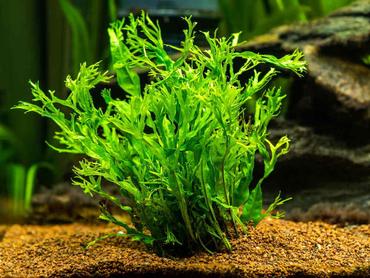
Carbon is another fundamental building block of plant tissue. In low-tech aquariums without injected gaseous CO2, plants rely on dissolved carbon in the water column and organic breakdown. High-demand plants like Glossostigma, Dwarf Baby Tears (Hemianthus callitrichoides), and vibrant red stem plants (like Rotala macrandra) strictly require liquid carbon additives or pressurized CO2 systems to thrive. Low-light species like Anubias, Java Fern (Microsorum pteropus), and Java Moss (Vesicularia dubyana) manage exceptional health under low-light, ambient CO2 conditions.
Water parameters such as pH, General Hardness (GH), and Carbonate Hardness (KH) also dictate nutrient availability. Soft-water plants struggling in ultra-hard, high-pH tap water may suffer from nutrient lock-out, where minerals exist in the water but cannot be absorbed chemically by the plant roots.
Plant Melting: Why It Happens and How to Recover
Few experiences are more alarming for beginner aquarists than watching newly purchased plants melt away into transparent mush within a few days of planting. Fortunately, plant melt is often a natural transitional phase rather than a permanent loss.
Commercial aquatic plant nurseries grow the vast majority of aquarium plants emersed (above water in humid greenhouses) rather than submerged under water. Emersed leaves are thicker, firmer, and adapted to taking carbon directly from the air. When you submerge these plants in your aquarium, their existing leaves are structurally incapable of efficiently taking up CO2 and nutrients from water.
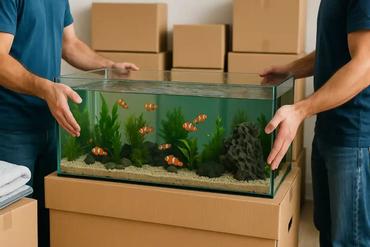
To adapt, the plant intentionally sheds its terrestrial leaves—melting them away—to divert stored reserves into growing aquatic-adapted foliage. Cryptocoryne species are notoriously famous for melting whenever water parameters change even slightly, such as during a simple water change or tank relocation.
When encountering plant melt, follow these recovery steps:
- Do Not Panic or Discard the Plant: As long as the root system, rhizome, or crown remains firm and intact, the plant is alive and will regenerate submerged leaves.
- Prune Decaying Tissue Promptly: Use sharp aquatic pruning scissors to remove melting leaves near the base. Allowing decaying plant matter to break down in the water causes ammonia spikes, which promote algae growth and distress fish.
- Maintain Stable Water Conditions: Keep water chemistry, temperature, and photoperiod consistent. Avoid rearranging plants or drastically altering liquid dosing routines while plants are transitioning.
- Support Root Systems: Ensure root feeders are anchored in quality aquatic soil or gravel supplemented with fresh root tabs.
Compatibility, Herbivorous Fish, and Proper Care Considerations
Sometimes, plant destruction is not caused by microscopic deficiencies or lighting errors, but by macro-level damage inflicted by tank inhabitants. Pairing delicate live plants with improper livestock is one of the most widespread beginner mistakes in the aquarium hobby.
Several popular aquarium fish species actively eat, uproot, or shred live vegetation:
- Goldfish (Carassius auratus): Goldfish are notorious omnivorous grazers. They will greedily devour soft-leaved plants like Cabomba, Anacharis, and Water Sprite, while uprooting carpet plants during their relentless search for food in the substrate.
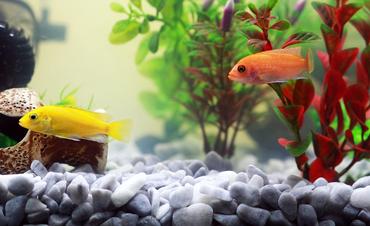
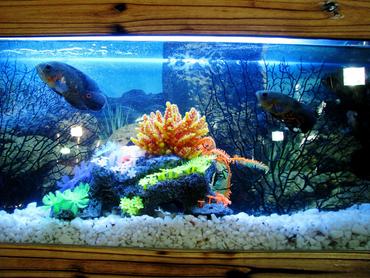
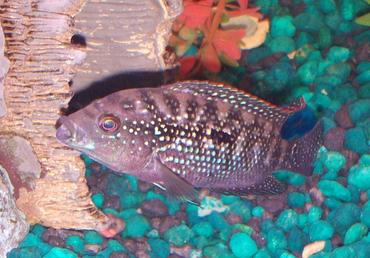
- Cichlids: African Cichlids from Lake Malawi and Lake Tanganyika, as well as large South American Cichlids like Oscars (Astronotus ocellatus) and Severums (Heros efasciatus), are notorious diggers. Severums actively eat tender greens, while digging cichlids uproot stems daily.
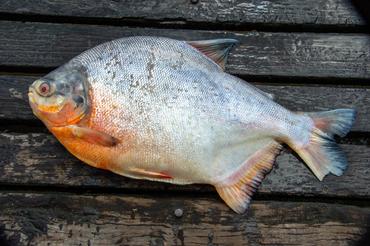
- Silver Dollars (Metynnis argenteus): These peaceful schooling characins are strictly herbivorous in nature and will strip a heavily planted tank down to bare stems within hours.
- Plecostomus Species: While smaller species like the Bristlenose Pleco (Ancistrus sp.) are excellent algae eaters, large Common Plecos (Hypostomus plecostomus) can rasp off the delicate surface layers of Amazon Sword leaves, leaving clear, damaged patches.
For tanks housing herbivorous or boisterous fish, select tough, unpalatable plants like Anubias barteri, Java Fern, or Bolbitis. These species feature tough, fibrous leaves that fish dislike, and their rhizomes must be attached to driftwood or rocks rather than buried in substrate, protecting them from digging behavior.
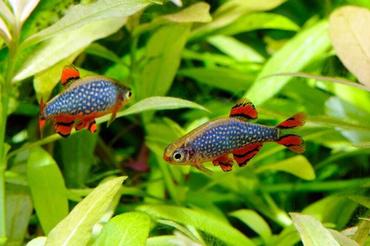
When stocking a planted tank, favor plant-friendly species such as Neon Tetras (Paracheirodon innesi), Harlequin Rasboras (Trigonostigma heteromorpha), Otocinclus Catfish (Otocinclus vestitus), Amano Shrimp (Caridina multidentata), and Nerite Snails. To ensure your underwater garden is populated with ideal tank mates, check out our community fish compatibility guide for detailed advice on species balance.
In addition to livestock selection, pay close attention to mechanical planting mistakes. Epiphytic plants like Anubias and Java Fern will rot and die if their green rhizome is buried under substrate. Always tie or glue their rhizomes to hardscape elements. Similarly, bundle weights used to transport stem plants in store displays must be removed before planting, as lead bands crush stems and cause basal rot.
Troubleshooting Common Beginner Mistakes
Even with access to nutrient charts, novice plant keepers frequently encounter setbacks due to a few simple, avoidable mistakes. Correcting these habits will dramatically improve your plant survival rates.
- Over-dosing Liquid Fertilizers to Fix Algae: Beginners often mistake algae growth for a lack of nutrients and flood the tank with fertilizers, which fuels even heavier algae blooms. If algae takes over, reduce lighting duration, perform extra water changes, and manually remove algae before adjusting fertilizer dosing.
- Using Inappropriate Substrates: Inert, smooth river gravel or plain white sand offers zero nutritional value for heavy root-feeding plants. If using inert substrate, you must supplement with root tabs, or switch to an active nutrient-rich aqua-soil. For detailed advice on selecting substrate, consult our guide on choosing a freshwater aquarium substrate.
- Neglecting Maintenance and Water Changes: Accumulating organic detritus leads to excess dissolved organics, clouding the water, reducing light penetration, and causing severe staghorn or black beard algae. Regular 25% to 30% weekly water changes replenish essential micro-minerals while exporting organic waste.
- Frequent Relocation of Stem Plants: Constantly pulling up and moving plants disrupts root system establishment and triggers stress-induced leaf drop. Choose your aquascape layout carefully and allow plants several weeks to establish before making structural adjustments.
Key Takeaways and Final Steps for a Thriving Planted Tank
Diagnosing aquarium plant problems requires patience, keen observation, and a methodical approach. When you spot yellowing leaves, pinholes, or melting tissue, avoid making multiple drastic changes all at once. Instead, systematically evaluate your photoperiod, check water parameters, assess fertilizer routines, and confirm that your fish species are not treating your foliage as a salad bar.
By balancing light, carbon, and essential nutrients, you create an environment where aquatic plants outcompete algae and deliver oxygen-rich, clean water to your fish. Every planted tank undergoes an adjustment phase, so treat occasional leaf melt or minor nutrient shortages as valuable learning opportunities along your aquascaping journey.
Ready to take your underwater garden to the next level? Explore more expert aquascaping guides, dive into detailed plant care profiles, and share photos of your flourishing setup with our passionate community at RateMyFishTank.com today!


MOST RECENT ARTICLES