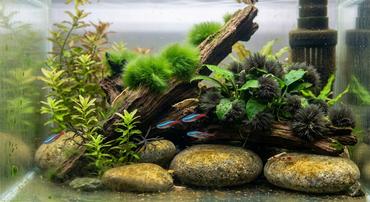
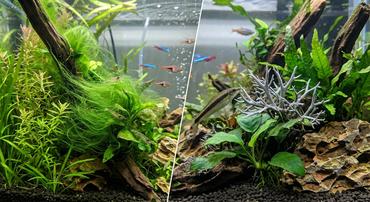
Nuisance algae is an inevitable challenge in any freshwater aquarium, but few things drain the joy of fishkeeping like an unexpected outbreak. Identifying whether you are dealing with Green Hair Algae or Staghorn Algae is the first step toward restoring balance to your aquascape.
Identifying Green Hair Algae vs. Staghorn Algae
Accurate identification is half the battle when learning how to control algae growth in your freshwater aquarium. Treating Green Hair Algae like Staghorn Algae—or vice versa—often leads to wasted effort, unnecessary chemical dosing, and prolonged stress for your tank inhabitants. Let's look closely at how each strain presents itself under normal tank lighting.
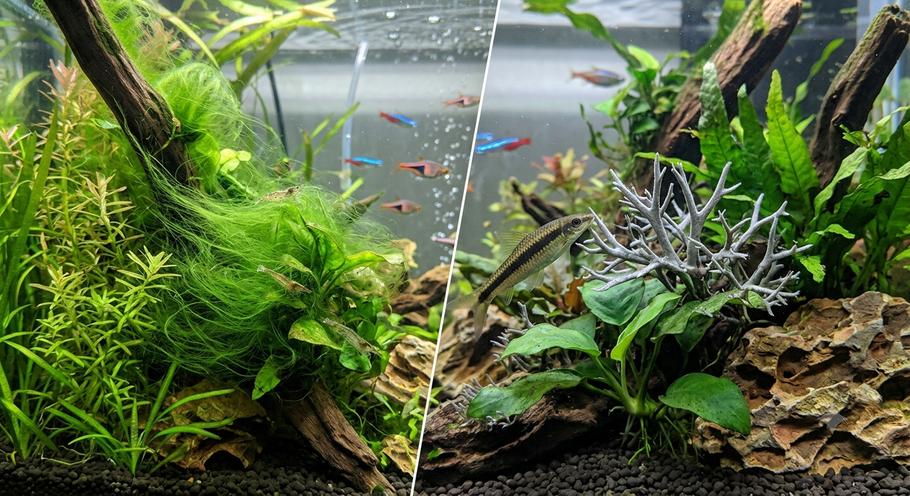
Green Hair Algae (Filamentous Algae)
Green Hair Algae belongs to the Chlorophyta family (true green algae). Visually, it lives up to its name with several defining characteristics:
Color: Bright grass-green, forest green, or yellowish-green.
Texture: Soft, flexible, slippery, and fine. It feels almost silk-like when rolled between your fingers underwater.
Structure: Forms long, unbranched, thread-like strands. It creates dynamic webs, mats, or floating veils that drift with the tank's water flow.
Anchor Points: It loosely clings to plant leaves, driftwood, intake tubes, and substrate, but it is exceptionally easy to pull away mechanically.
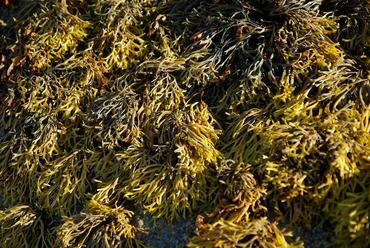
Staghorn Algae (Compsopogon caeruleus)
Despite its grayish appearance, Staghorn Algae actually belongs to the Rhodophyta family (red algae). It presents a stark contrast to hair algae upon closer inspection:
Color: Light gray, ash-blue, pale green-white, or dark charcoal. It often turns bright red or pink if treated with liquid carbon or hydrogen peroxide.
Texture: Coarse, stiff, rubbery, and tough. It feels wiry or crusty rather than soft.
Structure: Forms distinct, branching structures resembling deer antlers (hence its name). It grows in tight, dense tufts rather than flowing ribbons.
Anchor Points: Binds tenaciously to leaf margins, hardscape edges, filter outlets, and slow-growing plants like Anubias and Java Fern. It...
Every aquarium hobbyist, whether a complete beginner establishing a first desktop display or an experienced aquascaper managing a heavily planted setup, eventually comes face-to-face with an unsightly algae bloom. While seeing your crystal-clear glass coated in green film or your expensive aquatic plants choked by dark tufts can be frustrating, algae is actually a natural and vital component of aquatic ecosystems. The secret to maintaining a pristine tank is not attempting to sterilize your ecosystem, but rather understanding that algae blooms are dynamic biological indicators signaling underlying imbalances in lighting, nutrient levels, or maintenance routines. By accurately identifying the exact type of algae taking over your glass, substrate, or hardscape, you can target its root cause, restore water quality, and foster a healthy, thriving home for your fish and plants.
Understanding the Core Causes of Aquarium Algae Growth
Before diving into individual algae types, it is essential to understand why algae flourishes in closed aquatic environments. Algae requires three main components to thrive: light, water, and organic nutrients—primarily nitrates and phosphates. In a balanced aquarium, live plants outcompete algae for these exact resources. However, when parameter shifts occur, opportunistic algae species rapidly colonize available surfaces.
Managing an aquarium requires keeping nutrient input equal to nutrient output. When feeding routines, photoperiod lengths, or stocking levels get out of balance, excess nutrients build up rapidly. To maintain stable water chemistry, hobbyists should routinely adjust photoperiods according to our comprehensive guide on understanding the basics of freshwater aquarium lighting.
The primary catalysts for explosive algae growth include:
Excessive Photoperiods: Leaving aquarium lights on for more than 8 to 10 hours daily, or placing the tank in direct sunlight, provides unchecked energy for photosynthetic organisms.
High Nutrient Levels: Overfeeding fish, overstocking livestock, or failing to perform regular water changes creates an abundance of nitrates and dissolved organic compounds.
Fluctuating Carbon Dioxide (CO2): In planted tanks, swinging CO2 levels stress live plants, causing them to leak sugars into the water column which directly triggers algae spores.
Inadequate Water Flow: Dead spots with poor circulation allow detritus to settle, creating micro-environments rich in nutrients where stubborn nuisance algae can anchor.
Immature Biological Filtration: Newly established aquariums lack robust beneficial bacteria colonies, leading to temporary nutrient spikes that encourage early-stage algae outbreaks.
Common Types of Freshwater Algae and Identification
There are few things more disheartening for an aquarist than spending hard-earned money and countless hours meticulously crafting a freshwater planted aquascape, only to watch lush green foliage dissolve into clear, soft, and jelly-like fronds. When aquarium plants turn transparent, it is a definitive signal that their cellular structure is collapsing—a process universally referred to in the aquatic hobby as "melting." While seeing translucent foliage break down inside your tank can trigger immediate concern, identifying the precise underlying stressor allows you to halt the decay, stabilize your water parameters, and prompt vigorous new growth. In this ultimate guide, we will break down the biological mechanics of leaf transparency, diagnose the most common environmental triggers, explore species-specific vulnerabilities, and deliver a step-by-step action plan to restore your planted aquarium to peak health.
1. The Biological Mechanics of Leaf Melting and Chlorosis
To fix transparent leaves, you must first understand what is taking place at a cellular level inside the plant tissue. Leaves derive their vibrant green hue from chlorophyll, a pigment stored within chloroplasts that captures light energy to drive photosynthesis. When a plant undergoes acute environmental shock or suffers from a critical nutrient deficit, its metabolic processes break down. The plant loses the capability to synthesize chlorophyll or synthesize cellulose for structural cell walls. This initial phase is known as chlorosis—a loss of pigmentation that leaves the foliage looking pale yellow, washed out, or semi-translucent.
If the environmental stress continues unabated, chlorosis progresses to cellular necrosis. The structural walls of individual cells rupture, causing intracellular fluid to leak out into the surrounding water column. The leaf loses its rigidity and density, leaving behind a clear, flimsy lattice of cellulose skeleton that rapidly degrades into organic waste. Recognizing the difference between irreversible leaf necrosis and natural plant adaptation is key to proper tank management:
Irreversible Necrosis: The entire leaf structure becomes soft, slimy, and breaks apart when gently touched. This tissue cannot recover and will only decompose, polluting your water with ammonia.
Emersed Adaptation (Conversion Melt): Newly purchased plants grown out of water drop their terrestrial leaves to build specialized aquatic leaves. The leaves turn translucent, but the main stem, crown, and root system remain firm and active.
Cryptocoryne Stress Response ("Crypt Melt"): Members of the Cryptocoryne genus are famous for dropping almost all visible leaves...
Every aquarium hobbyist, whether a complete beginner establishing a first desktop display or an experienced aquascaper managing a heavily planted setup, eventually comes face-to-face with an unsightly algae bloom.
Every aquarium keeper eventually battles the dreaded nitrate buildup, relying on endless water changes, gravel vacuuming, and heavy filter maintenance to keep water parameters safe for their fish.
Bringing a slice of the underwater world into your home is a rewarding experience, but as the hobby grows, so does our responsibility to ensure that our passion doesn’t come at the expense of the environments we admire.
The transition from browsing the aisles of a local pet store to navigating the vast digital landscape of online aquarium retailers marks a significant milestone for any hobbyist looking to expand their aquatic horizons.
Starting a new aquarium is an incredibly exciting journey, filled with the promise of vibrant underwater landscapes and the soothing motion of colorful fish.
Setting up a new aquarium is one of the most exciting moments in the fishkeeping hobby, but it’s also where many beginners unknowingly create stressful — and sometimes deadly — conditions for their fish.
A power outage is every aquarium hobbyist’s worst nightmare, often striking at the most inconvenient times—during a summer thunderstorm or a winter blizzard.
Walking into a room and seeing a beautifully scaped aquarium is supposed to be a Zen experience, but for many hobbyists, that peace is shattered by the sight of a dominant fish relentlessly chasing its tank mates.
The allure of a saltwater aquarium is undeniable—the vibrant colors of a Coral Beauty Angelfish, the rhythmic pulsing of Xenia corals, and the fascinating symbiotic relationship between a Clownfish and its anemone are enough to captivate any nature lover.
For many aspiring aquarists, the sheer volume of equipment required to start a successful tank—sumps, plumbing, external filters, and lighting—can feel overwhelming.
When you see signs of stress in your fish, you can then take steps to identify the source of that stress and then to resolve it before it becomes a major issue.
Let’s be honest: while we all love the tranquil beauty of a thriving underwater ecosystem, very few of us actually enjoy the back-breaking labor of scrubbing algae at 10:00 PM on a Sunday.
If you're fascinated by the beauty of aquatic life but think a full-sized aquarium might be too overwhelming, a nano aquarium could be the perfect solution.
Setting up a 10-gallon planted aquarium is one of the most rewarding projects a hobbyist can undertake, offering a perfect slice of nature that fits comfortably on a desk or side table.
Starting a 10-gallon aquarium is one of the most exciting entry points into the fish-keeping hobby, offering a perfect balance between a manageable footprint and enough space to create a thriving underwater ecosystem.
The Betta fish, with its cascading fins and kaleidoscopic colors, has long been the victim of the "bowl" myth, but modern aquarists are finally recognizing that these intelligent, labyrinth-breathing creatures truly flourish when placed in a living, breathing ecosystem.
Starting a 10-gallon aquarium is one of the most exciting entries into the fish-keeping hobby, offering a perfect balance between a manageable footprint and enough space to create a stunning underwater garden.
Diving into the world of freshwater aquariums is an exhilarating journey, but for many beginners, the initial excitement is often met with the daunting challenge of keeping their new aquatic residents alive and thriving.
Maintaining the perfect environment for your aquatic pets is a delicate balancing act, and temperature is arguably the most critical variable in the equation.
Maintaining a thriving aquarium is often described as a balancing act, and no single task is more critical to that balance than the routine water change.
While many aquarium hobbyists start their journey with low-light plants like Anubias or Java Fern, they often find themselves wondering why their tanks do not look like the lush, vibrant underwater jungles seen in professional aquascaping competitions.
Creating a thriving community aquarium is one of the most rewarding experiences in the fish-keeping hobby, offering a dynamic window into a complex underwater ecosystem.
Adding a piece of driftwood to your aquarium is one of the most transformative decisions you can make as a hobbyist, shifting your tank from a simple glass box to a vibrant, living slice of nature.
Walking into a local fish store and seeing a vibrant display of neon tetras or majestic angelfish is enough to make anyone want to dive headfirst into the aquarium hobby.
Aquascaping is the transformative art of arranging aquatic plants, stones, driftwood, and substrate in a way that transcends the traditional fish tank, turning a glass box into a living, breathing underwater masterpiece.
The lush, vibrant landscape of a masterfully scaped planted aquarium is often what draws newcomers into the hobby, but it is also the source of the most common question: do I really need a CO2 system to achieve this?
The aquarium hobby offers a unique window into the wonders of the aquatic world, but as any seasoned hobbyist knows, maintaining a slice of the ocean or a tropical river in your living room requires a significant amount of resources.
The world of fishkeeping has evolved dramatically over the last few decades, moving away from anecdotal "old wives' tales" toward a more rigorous, science-based approach to aquatic husbandry.
Creating a captivating underwater landscape is about more than just choosing the right fish; it is about building a foundation that mimics the natural world.
There is perhaps no greater disappointment for an aquarium enthusiast than approaching a carefully curated tank only to find the view obscured by a thick, mysterious haze.
The mysterious, tea-colored depths of a blackwater aquarium may look "dirty" to the uninitiated, but for many tropical fish species, these tannin-rich environments are a slice of paradise.
Starting a new aquarium is one of the most exciting moments in the hobby, but nothing halts that enthusiasm faster than waking up to find a once-vibrant community decimated by aggression or stress.
The allure of the predatory fish has long been a driving force in the aquarium hobby, drawing enthusiasts toward the raw, primal energy of nature's most efficient hunters.
The first month after you bring home new fish is when most preventable losses happen—often because the fish are stressed, carrying hidden parasites, or placed into a tank that isn’t ready for them.
Setting up a new aquarium is one of the most exciting moments in the fishkeeping hobby—but it’s also where most beginners unintentionally make mistakes that lead to stressed fish, disease outbreaks, or early losses.
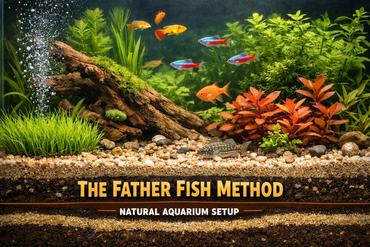
Natural aquariums are often described as “set it and forget it,” but the truth is calmer and more practical: you trade constant cleaning for thoughtful setup, steady habits, and time.
Creating a thriving community aquarium is one of the most rewarding aspects of the fish-keeping hobby, but it requires much more than simply picking out the most colorful fish at the local pet store.
One of the most common questions every aquarist asks—from the first-time Goldfish owner to the seasoned reef enthusiast—is exactly how often those hungry mouths should be fed.
For decades, the gold standard of the home aquarium was a pristine, crystal-clear box of water, often decorated with neon gravel and plastic plants that bore little resemblance to the wild.
Every aquarium hobbyist knows the sinking feeling of approaching their tank in the morning only to see a prized Neon Tetra shimmying awkwardly or a Goldfish sporting a single, ominous white speck on its fin.
In the modern world, the constant noise of digital notifications and the fast-paced demands of daily life often leave us searching for a sanctuary where we can reclaim a sense of peace.
For many aquarium enthusiasts, the hobby begins with the simple desire to bring a piece of the natural world indoors, yet they quickly discover that the rhythmic swaying of aquatic plants and the gentle glide of fish offer much more than aesthetic appeal.
Deep within the slow-moving blackwater swamps and densely vegetated ditches of the Southeastern United States dwells a tiny titan that has captured the hearts of nano-aquarium enthusiasts worldwide: the Everglades Pygmy Sunfish (Elassoma evergladei).
The aquarium hobby is no stranger to trends, but every so often, a species emerges that captures the collective imagination of fishkeepers in a way that feels more like a revolution than a passing fad.
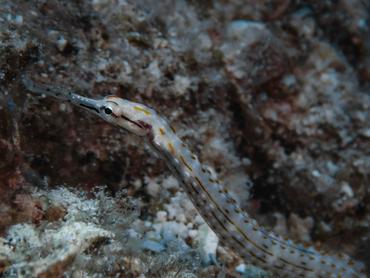
For hobbyists who have spent years perfecting their community tanks and are looking for something truly extraordinary, the freshwater pipefish represents one of the most intriguing and rewarding challenges in the aquatic world.
Aquarium keeping is a hobby built around creating a tiny ecosystem inside glass walls—but many hobbyists overlook how much usable material their tanks produce.
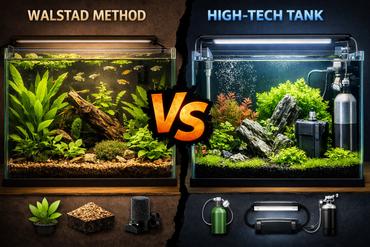
If you’re new to planted aquariums, you’ve probably come across two very different approaches: the low-tech, natural Walstad method and the equipment-driven high-tech planted tank.
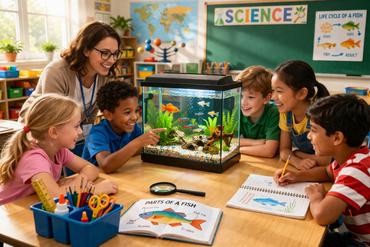
Transforming a classroom with a living ecosystem is one of the most rewarding projects a teacher can undertake, offering a dynamic, hands-on window into biology, chemistry, and responsibility.
For many aquarium enthusiasts, the dream of a massive 100-gallon reef tank or a sprawling African Cichlid wall often hits a significant roadblock: a standard residential lease agreement.
For decades, the saltwater aquarium hobby relied almost exclusively on wild-caught specimens harvested from coral reefs across the globe, a practice that often introduced high stress levels and acclimation challenges for the average hobbyist.
In the vibrant, fast-paced world of a home aquarium, feeding time can often resemble a chaotic underwater race where the fastest and boldest residents claim the lion's share of the resources.
Maintaining a thriving aquarium is often described as a balancing act, but few things can tip the scales toward disaster faster than a sudden pH crash.
Vertical wall aquariums are becoming one of the most talked-about aquarium design trends in 2026, especially for hobbyists who want to maximize style without sacrificing floor space.
Off-grid aquarium systems are becoming increasingly popular among hobbyists who want greater independence, sustainability, and resilience in their fishkeeping routines.
In-wall aquariums have undergone a major transformation over the years, evolving from complicated luxury installations into practical and highly rewarding aquarium systems for hobbyists of all experience levels.
The Dark Start Method: A Smarter Way to Start a Planted Aquarium
Starting a new aquarium is exciting, but many hobbyists quickly run into one frustrating problem: algae outbreaks.
Wabi Kusa has become one of the most creative and relaxing trends in the aquarium hobby, blending aquascaping, terrarium design, and nature-inspired artistry into a compact living display.
Few experiences in the aquarium hobby are as heart-stopping as looking into your tank during feeding time, counting fins, and realizing one of your favorite fish is missing, only to discover it squeezed into a perilous gap behind the filter or wedge-pinned behind a heavy resin castle.
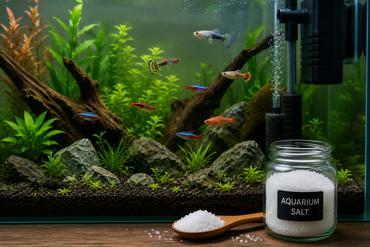
For decades, freshwater aquarium salt has been hailed as a staple remedy in the fishkeeping community, often passed down from experienced hobbyists as a universal cure-all for sick, stressed, or newly acquired fish.
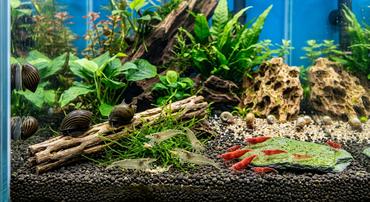
Maintaining a thriving, crystal-clear aquarium requires more than just high-performance filtration and routine water changes; it demands a functional internal ecosystem working around the clock.
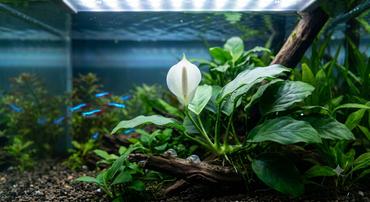
For many freshwater aquarium hobbyists, discovering a vibrant flower blooming beneath the surface of the water feels like unlocking a hidden biological miracle.
A heavily planted aquarium is one of the most stunning centerpieces you can create in the freshwater hobby, transforming a standard glass box into a thriving, dynamic underwater landscape.
Every aquarium keeper eventually battles the dreaded nitrate buildup, relying on endless water changes, gravel vacuuming, and heavy filter maintenance to keep water parameters safe for their fish.
Every aquarium hobbyist, whether a complete beginner establishing a first desktop display or an experienced aquascaper managing a heavily planted setup, eventually comes face-to-face with an unsightly algae bloom.