COMMUNITY FISH COMPATIBILITY GUIDE

Community Fish Compatibility Guide
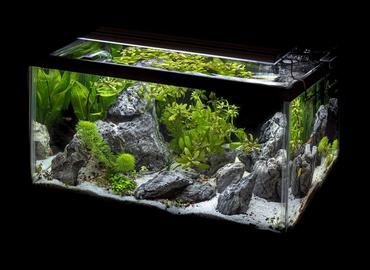
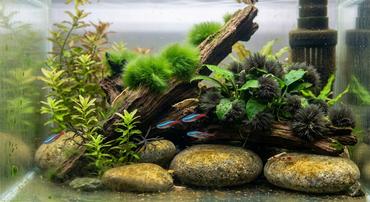
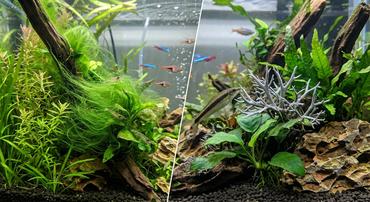
Creating a thriving community aquarium is one of the most rewarding aspects of the fish-keeping hobby, but it requires much more than simply picking out the most colorful fish at the local pet store. A successful community tank is a delicate balance of biology, temperament, and environmental needs where every inhabitant plays a specific role without infringing on the well-being of its neighbors. By understanding the social dynamics and physical requirements of different species, you can move beyond keeping a collection of fish and start maintaining a miniature, harmonious ecosystem that flourishes for years to come.

The Fundamentals of Freshwater Social Dynamics

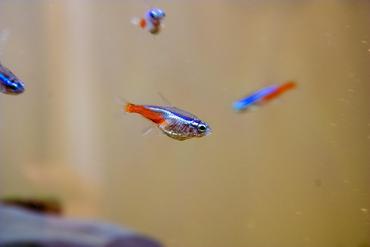
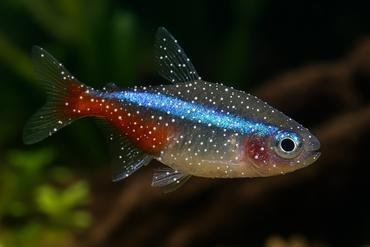
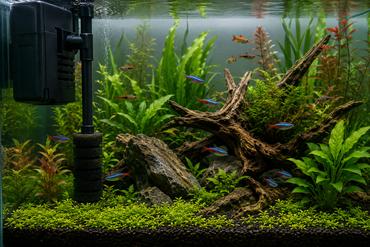
In the wild, fish have evolved specific social structures to survive, and these instincts do not disappear when they enter your glass aquarium. When building a community, you must categorize potential inhabitants into three primary social groups: schooling fish, shoaling fish, and solitary fish. Schooling fish, such as Neon Tetras or Rummy Nose Tetras, move in tight synchronization and require a group of at least six to ten individuals to feel secure. Without a sufficient group size, these fish become chronically stressed, leading to a weakened immune system and a much shorter lifespan.

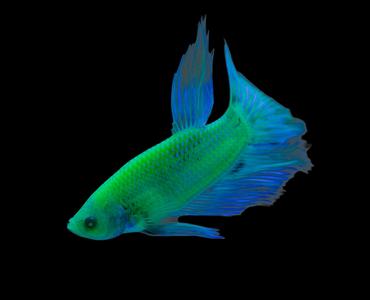
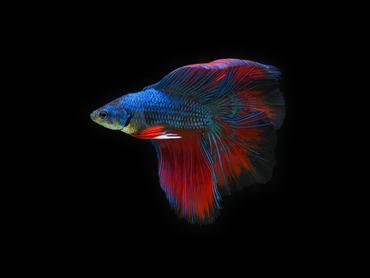
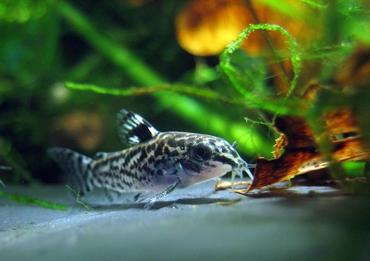
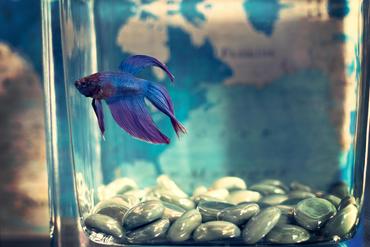
Shoaling fish, like Corydoras catfish, enjoy being near their own kind but do not necessarily swim in a coordinated pattern. These are the "socialites" of the tank and are essential for a peaceful bottom-dwelling presence. Conversely, solitary or territorial fish, such as the Male Betta or certain Cichlids, may view any other fish as a threat to their space. The key to a successful community is ensuring that you have enough "dither fish"—active, peaceful schoolers—to make the more timid species feel safe enough to come out of hiding.

A common beginner mistake is the "one of everything" approach. While it is tempting to buy one of every fish that catches your eye, this often results in a chaotic environment where no fish feels truly comfortable. Instead, focus on fewer species but larger groups of each. This not only looks more natural but significantly reduces aggression, as social fish will focus their energy on their own kind rather than pestering tank mates.

Matching Environmental Needs and Water Chemistry

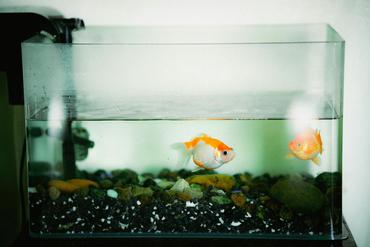
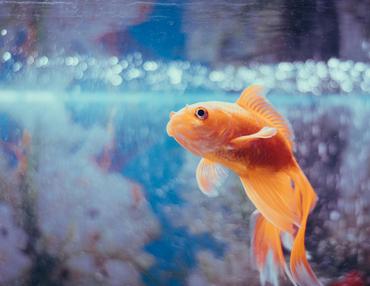
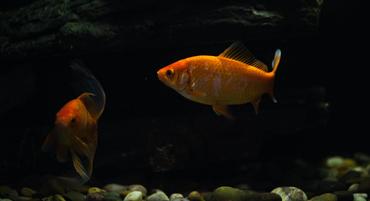
Compatibility is not just about whether two fish will fight; it is about whether they can thrive in the same water. Every species has a "preferred range" for temperature, pH, and water hardness (GH/KH). For instance, it would be inappropriate to house a Fancy Goldfish, which prefers cooler water (65-72°F), with a warmth-loving Discus or Cardinal Tetra (80-84°F). One of the fish will inevitably be living outside its metabolic comfort zone, leading to lethargy and disease.

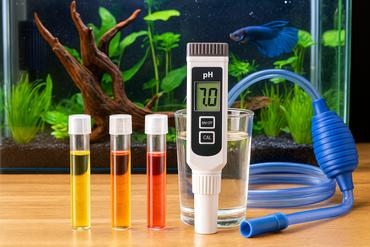
Water hardness is another critical factor often overlooked by intermediate hobbyists. Livebearers like Mollies, Guppies, and Swordtails originate from waters rich in minerals (hard water). In contrast, many South American species like Apistogrammas prefer soft, acidic water. While many captive-bred fish are adaptable, forcing them into extremes will prevent them from showing their best colors or breeding behaviors. Before purchasing your livestock, it is vital to understand the process of cycling a fish tank to ensure the water chemistry is stable enough to support a diverse community.

  • Always research the temperature requirements of every species before mixing them.
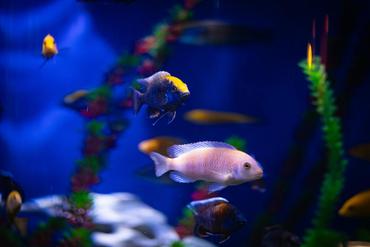
  • Avoid mixing "hard water" African Cichlids with "soft water" Amazonian species.
  • Ensure your filtration system is rated for the total "bioload" of your community.
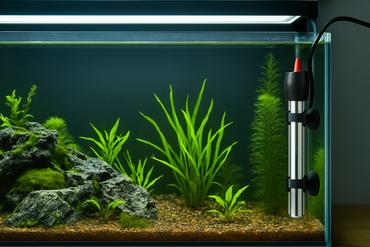
  • Use a reliable heater and thermometer to prevent fluctuations that stress sensitive fish.

Compatibility and Care Considerations for a Peaceful Tank

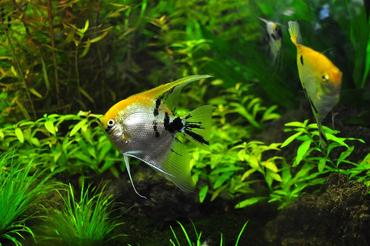
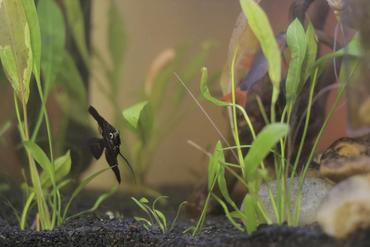
When selecting fish, you must consider the "Three S's": Size, Speed, and Specialization. The golden rule of aquarium compatibility is that if a fish can fit another fish into its mouth, it eventually will. Even a generally peaceful Angelfish will happily snack on tiny Neon Tetras once the Angelfish reaches its full adult size. Always research the maximum adult size of a fish rather than the size you see in the store tanks.

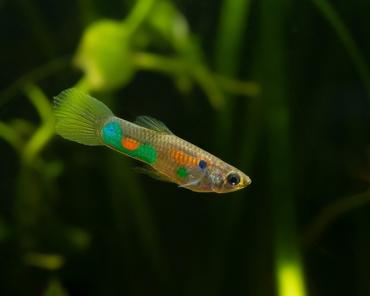
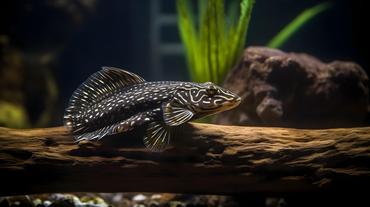
Speed and activity levels also play a role. If you have slow-moving, long-finned fish like Gouramis or Fancy Guppies, you should avoid "fin-nippers." Species like Tiger Barbs or Serpae Tetras are notorious for nipping at trailing fins, which can lead to secondary bacterial infections like fin rot. Furthermore, consider the specialized needs of bottom feeders. Many hobbyists add "Algae Eaters" as an afterthought, but species like the Otocinclus or Bristlenose Pleco require specific sinking wafers and driftwood to remain healthy; they cannot survive on scraps alone.

Understanding what are good freshwater fish for beginners can help you avoid high-maintenance species that might disrupt your community balance. For example, the Chinese Algae Eater is often sold as a juvenile "cleaner" fish, but as it matures, it becomes highly aggressive and may even latch onto the sides of larger, flat-bodied fish to eat their slime coat. Choosing a peaceful alternative like the Siamese Algae Eater or a group of Amano Shrimp is a much better choice for a communal setting.

Zoning Your Aquarium: Top, Middle, and Bottom

To maximize the visual appeal and minimize territorial disputes, you should aim to stock fish that occupy different "zones" of the water column. A tank where all the fish stay at the bottom will look cluttered and increase stress, while the top half remains empty. By selecting species for each level, you distribute the bioload and give every fish its own dedicated "neighborhood."

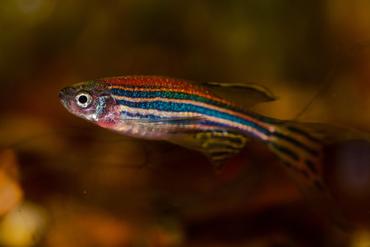
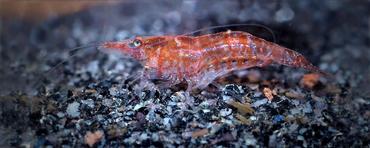
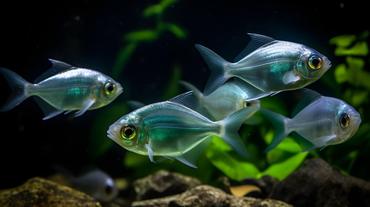
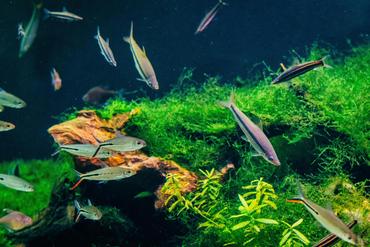
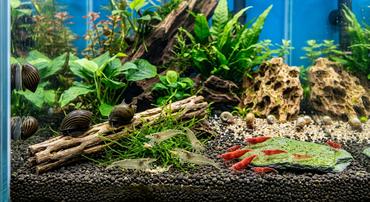
For the top zone, consider Hatchetfish or Zebra Danios. These fish are evolved to stay near the surface. The middle zone is the busiest area, perfect for schools of Tetras, Rasboras, or Rainbowfish. Finally, the bottom zone should be reserved for scavengers and "clean-up" crews like Corydoras, Kuhli Loaches, or ornamental shrimp. This vertical distribution ensures that even in a smaller tank, the inhabitants are not constantly bumping into one another, which is a primary trigger for defensive aggression.

  • Zebra Danios and Guppies are excellent for adding activity to the upper layer.
  • Harlequin Rasboras and Cherry Barbs provide vibrant color in the middle water column.
  • Corydoras Catfish are the gold standard for peaceful, social bottom-dwellers.
  • Kuhli Loaches add a unique "eel-like" aesthetic and stay mostly in the substrate or decor.

Common Beginner Pitfalls and How to Avoid Them

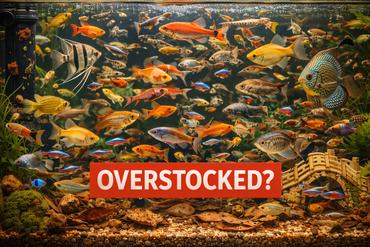
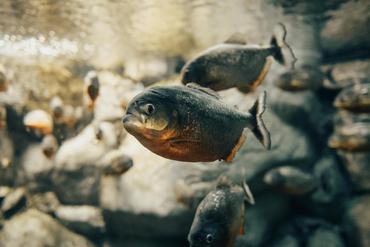
The most frequent error in community tank building is overstocking. While a tank may look empty initially, fish grow and produce more waste as they age. An overstocked tank leads to rapid nitrate buildup, which can crash your nitrogen cycle. It is also important to recognize that "semi-aggressive" is a broad term. A semi-aggressive fish like a Red Tail Shark might be fine in a 55-gallon tank with fast-moving mates, but it will become a terror in a 20-gallon tank with slow-moving companions.

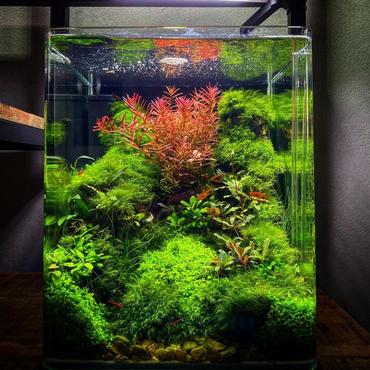
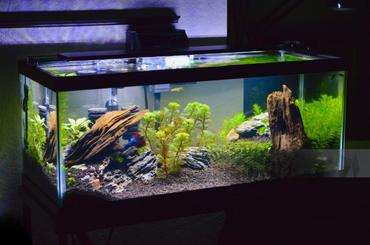
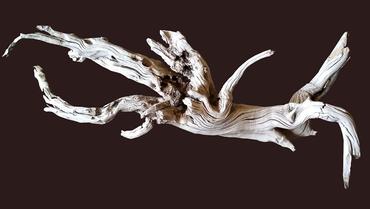
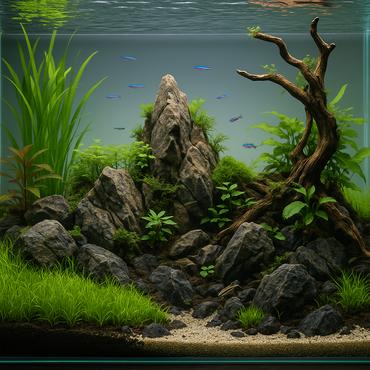
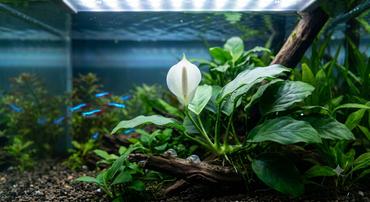
Another pitfall is the failure to provide adequate hiding spots. Even the most social fish need a place to retreat if they feel threatened or if they simply want to rest. A "bare" tank with only a few ornaments increases the line-of-sight between fish, which encourages chasing. Using live plants, rocks, and driftwood to break up the line-of-sight allows multiple territorial fish (like Dwarf Cichlids) to establish small boundaries within the larger tank without needing to fight for them. If you notice persistent chasing, adding more tall plants or rearranging the decor can often "reset" the territories and end the conflict.

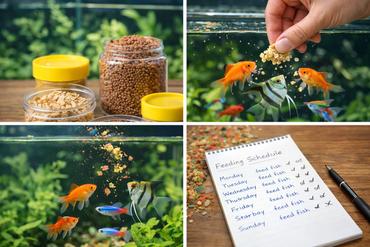
Lastly, pay attention to feeding time. In a community tank, fast, aggressive eaters can often consume all the food before the shy or bottom-dwelling species get a chance. This leads to malnutrition for some and obesity for others. To counter this, use a mix of floating flakes for the surface dwellers, slowly sinking pellets for the middle-dwellers, and rapidly sinking wafers for the bottom-dwellers. Spreading the food across the surface of the water also ensures that the "bullies" can't guard the entire food supply at once.

Summary of Ideal Community Combinations

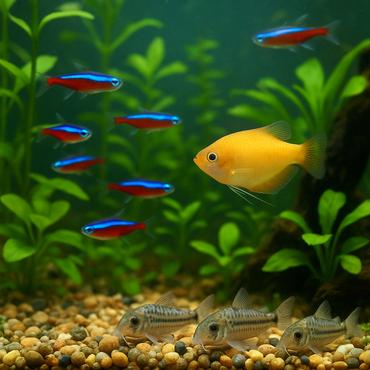
When starting out, sticking to tried-and-true combinations will save you significant frustration. A classic "Peaceful Community" for a 20 to 30-gallon tank might include a school of 8 Neon Tetras, 6 Bronze Corydoras, and a single Honey Gourami as a "centerpiece" fish. This mix covers all levels of the tank and features fish with very similar water requirements. For a slightly more active "Intermediate Community," you might consider 8 Tiger Barbs (kept in a large enough group to keep their nipping to themselves), a Bristlenose Pleco, and a pair of Kribensis Cichlids.

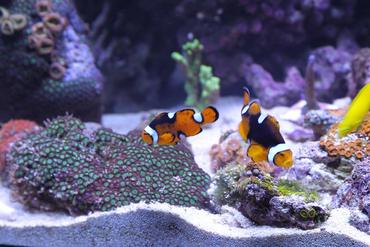
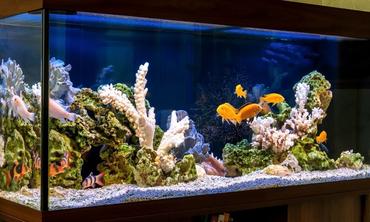
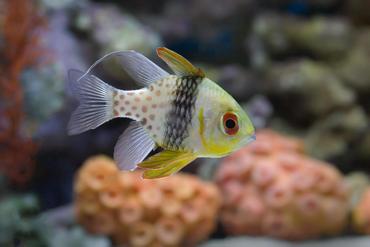
If you are venturing into saltwater, the rules of compatibility are even more stringent. Saltwater fish are often more territorial over specific rock formations. However, a common beginner-friendly marine community could include a pair of Ocellaris Clownfish, a Firefish Goby, and a Royal Gramma. Always remember that saltwater environments require even more stability, so understanding the dangers of high ammonia, nitrite and nitrate is paramount before introducing sensitive species like Tangs or Dwarf Angels.

  • Avoid mixing Male Bettas with other colorful, long-finned fish like Guppies.
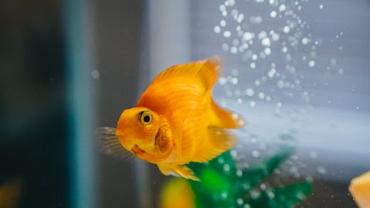
  • Goldfish should generally be kept in "species-only" tanks due to their high waste output.
  • Always quarantine new arrivals for 2-4 weeks to prevent spreading disease to your community.
  • Monitor your tank for at least 30 minutes after adding new fish to check for immediate aggression.

Takeaway: Your Path to a Harmonious Aquarium

Choosing the right community fish is a blend of scientific research and keen observation. By prioritizing water chemistry compatibility, respecting the social needs of schooling species, and thoughtfully "zoning" your aquarium, you create an environment where your fish can display their natural behaviors without stress. Remember that a peaceful tank starts with a well-informed hobbyist; always research a species' adult size and temperament before bringing them home. If you are ready to take the next step in your hobby, explore our extensive library of species profiles and equipment reviews to ensure your tank remains a healthy, vibrant centerpiece of your home. Happy fish keeping!

Fishless Cycling vs Fish-In Cycling: Which Method Is Best for Your Aquarium?
Setting up a new aquarium is one of the most exciting moments in the fishkeeping hobby—but it’s also where most beginners unintentionally make mistakes that lead to stressed fish, disease outbreaks, or early losses.
African Cichlid Aggression - How to Reduce Aggression
Learn about the causes of cichlid aggression and methods for reducing it.

MOST RECENT ARTICLES

Community Fish Compatibility Guide
COMMUNITY FISH COMPATIBILITY GUIDE
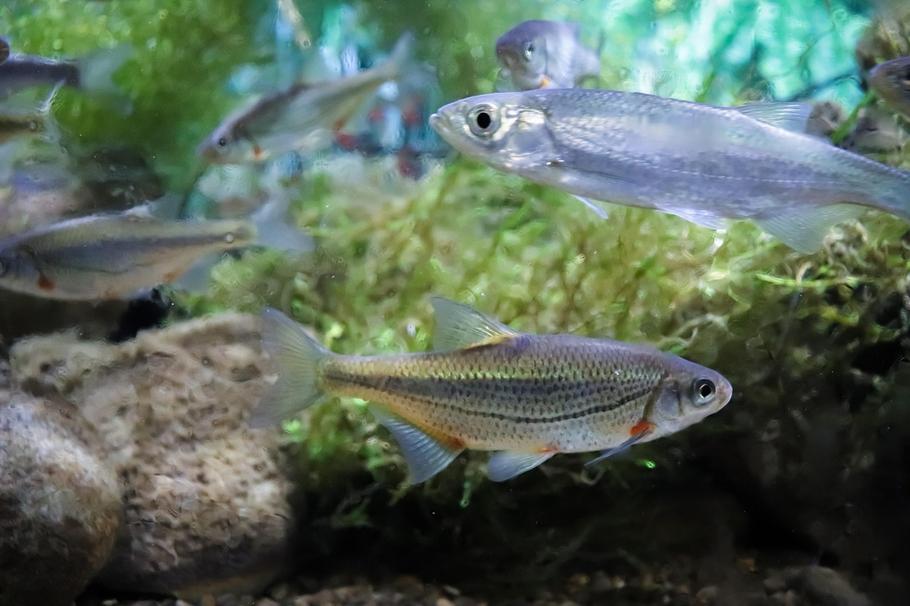
Creating a thriving community aquarium is one of the most rewarding aspects of the fish-keeping hobby, but it requires much more than simply picking out the most colorful fish at the local pet store.
Fishless Cycling vs Fish-In Cycling: Which Method Is Best for Your Aquarium?
FISHLESS CYCLING VS FISH-IN CYCLING: WHICH METHOD IS BEST FOR YOUR AQUARIUM?
Setting up a new aquarium is one of the most exciting moments in the fishkeeping hobby—but it’s also where most beginners unintentionally make mistakes that lead to stressed fish, disease outbreaks, or early losses.
Quarantine Tanks Explained: Why Most Fish Loss Happens in the First 30 Days
QUARANTINE TANKS EXPLAINED: WHY MOST FISH LOSS HAPPENS IN THE FIRST 30 DAYS
The first month after you bring home new fish is when most preventable losses happen—often because the fish are stressed, carrying hidden parasites, or placed into a tank that isn’t ready for them.

Rate This Tank:

GENERAL AQUARIUM ARTICLES
Top Fish for Community Tanks
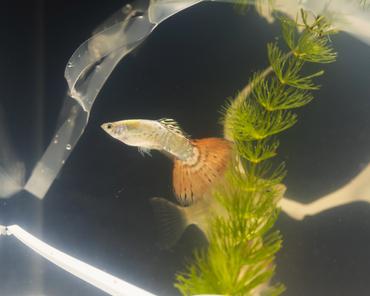
If you’re setting up (or refreshing) a freshwater tank and want fish that are colorful, hardy, and peaceful, you’re in the right place.
Top 10 Beginner-Friendly Freshwater Fish (Ranked by Ease of Care)
An essential guide for new aquarium owners looking to start with confidence.
Snail Boom 2025: The 10 Best Aquatic Snails for Planted Tanks
Aquarium snails have exploded in popularity heading into 2025.
Aquarium Water Changes: How Often and How Much?
Regular water changes are the single most powerful habit in fishkeeping
Blackwater Aquariums: How Tannins Improve Fish Health and Reduce Stress
Blackwater aquariums have surged in popularity thanks to their natural beauty and strong benefits for fish health.
Top 10 Nano Predators (and How to Keep Them Peacefully)
Nano aquariums have never been more popular, and with them comes a growing interest in nano predators—small fish with big personalities, hunting instincts, and fascinating behaviors.
Betta Fish in a Planted Tank: Setup, Care & Mistakes to Avoid
Betta fish are one of the most captivating freshwater species for aquarium enthusiasts.
Best Fish for a 10 Gallon Tank with Plants
If you’re setting up a 10 gallon aquarium with live plants, you’re on the path to creating a beautiful and natural aquatic environment.
AI and Smart Technology in Aquariums: The Future of Fishkeeping
Technology is transforming the aquarium hobby faster than ever before.
Beginner-Friendly Oddball Fish: Unique Species That Work in Small Tanks
Want something cooler than guppies and tetras in your small aquarium, but not ready for ultra-demanding species?
Beginner Aquarium Mistakes That Kill Fish in the First 30 Days
Setting up a new aquarium is exciting, but the first 30 days are also the most dangerous time for fish—especially in beginner tanks.
Aquarium Temperature Guide: What’s Best for Your Fish?
How to set, manage, and troubleshoot water temperatures in freshwater tanks.
Aquarium Hardscape Guide: Dragon Stone, Seiryu, Spider Wood & More.
Hardscape is the backbone of every great aquascape.
Fish Compatibility Checker: How to Build Peaceful Freshwater and Saltwater Communities
If you’ve ever stared at a wall of fish at the store wondering, “Will these guys actually get along in my tank?
How to Fix Cloudy Water Fast (White, Green & Yellow Water Explained)
Cloudy aquarium water is one of the most common problems beginners face—and one of the most frustrating.
Low-Light Aquarium Plants for Beginners
Live aquarium plants can completely transform a fish tank, making it look more natural while improving water quality—but many beginners hesitate, assuming plants require intense lighting and advanced care.
Driftwood in Aquariums: Benefits, Types, and How to Prepare It Safely
Driftwood is one of the most popular natural decorations for freshwater aquariums.
The Benefits of Having a Nano Aquarium and Tips for Setting One Up
If you're fascinated by the beauty of aquatic life but think a full-sized aquarium might be too overwhelming, a nano aquarium could be the perfect solution.
Cherry Shrimp Care for Beginners: Tank Setup, Water, and Breeding Tips
Red Cherry Shrimp are one of the most rewarding additions to a freshwater aquarium.
Aquascaping for Beginners: Designing a Natural Underwater Landscape
Aquascaping is more than just placing plants and rocks in your aquarium — it’s about creating a living, underwater piece of art.
Aquarium Science Myths: 10 Outdated Fishkeeping Rules You Should Stop Following
Aquarium advice has come a long way in the last two decades, yet many outdated “rules” still circulate in forums, pet stores, and beginner guides.
Creative hacks to keep your aquarium clean
Keeping your aquarium clean doesn't have to be a chore with these simple aquarium cleaning "hacks".
How to Build an Automatic Fish Feeder
An automatic fish feeder can be a great tool if you have to go out of town or want to regulate your feeding schedule for fish.
Early Disease Identifications in the Tank
One of the most important skills every aquarist should develop is the ability to recognize early signs of fish disease.
What Are GloFish and How Do You Care for Them?
Bright, glowing fish that look like they belong in a science fiction movie have become a familiar sight in modern aquariums.
Aquarium Water Chemistry Made Simple: pH, Hardness, and Healthy Fishkeeping
Understanding water chemistry is one of the biggest hurdles for beginner aquarists.
Best Fish for a 10-Gallon Tank with Plants: A Complete Guide for Beginners
Keeping a 10-gallon planted aquarium is a great way to enter the aquarium hobby
CO2 for Planted Aquariums: A Beginner’s Guide to Healthier, Faster Growth
Healthy plants transform an aquarium—soaking up nutrients, stabilizing water quality, and making fish feel at home.
Quarantine Tanks Explained: Why Most Fish Loss Happens in the First 30 Days
The first month after you bring home new fish is when most preventable losses happen—often because the fish are stressed, carrying hidden parasites, or placed into a tank that isn’t ready for them.
History Of Fish Keeping As A Hobby
Fish keeping is one of the world’s oldest and most enduring hobbies, blending art, science, and a deep fascination with aquatic life.
Fishless Cycling vs Fish-In Cycling: Which Method Is Best for Your Aquarium?
Setting up a new aquarium is one of the most exciting moments in the fishkeeping hobby—but it’s also where most beginners unintentionally make mistakes that lead to stressed fish, disease outbreaks, or early losses.
Brackish Aquariums for Beginners: Reliable Setups, Stocking, and Salinity Tips
Brackish aquariums bridge the gap between freshwater and saltwater, creating unique ecosystems filled with hardy, fascinating fish.
How to Keep Your Tank Safe During a Power Outage
A power outage may only be a minor inconvenience for you but, for your aquarium fish, it can be deadly.
What Is Driftwood Doing in Your Tank?
Benefits, Types, and How to Use It Safely in Your Aquarium
3 Problems Every Aquarist Can Avoid
Learn three common problems every aquarist can avoid.
Aquarium Fish Medications - Do or Don't?
Learn about how aquarium fish medications work and what diseases they may be used for.
Aquascaping Tips to Reduce Aggression in Fish
Keeping the peace in a tank full of aggressive fish can be tricky but smart aquascaping can help to diffuse the tension.
Spring Cleaning: How to Clean and Give Your Old Tank New Life
Keeping your tank clean is about more than just aesthetics - it also affects your fish.
Why Your Aquarium Lighting Matters More Than You Think
The complete beginner’s guide to lighting types, timing, and what your fish and plants really need.
Tips for Spotting Signs of Distress in Your Fish Before It's Too Late
When you see signs of stress in your fish, you can then take steps to identify the source of that stress and then to resolve it before it becomes a major issue.
How to Buy Aquarium Supplies Online
Why buy Aquarium Supplies online?
How Cycling the Tank Can Stress Your Fish
Setting up a new aquarium is one of the most exciting moments in the fishkeeping hobby, but it’s also where many beginners unknowingly create stressful — and sometimes deadly — conditions for their fish.
Eco-Friendly Aquarium Guide: Energy-Saving Gear and Responsible Stocking
Aquariums are beautiful living displays — but they can also be energy-intensive if not set up thoughtfully.
Do You Know What You Are Feeding Your Fish?
Not all aquarium fish food is created equal.
Why Keep Aquarium Fish?
Benefits of Fish Keeping.
What You Need to Know About All-in-One Aquariums
Starting a new tank can be time-consuming, especially if you have to choose all of your own equipment.
Is My Fish Stressed? A 10-Minute Checklist to Prevent Emergencies
Fish may not wag their tails or bark for attention, but they communicate constantly through behavior and appearance.
The Right and Wrong Way to Catch Fish
Stop chasing your fish around the tank with a net and learn the right and wrong way to catch aquarium fish!
Simple Tips for Building a Saltwater Tank Without Breaking the Bank
There is nothing more beautiful than a thriving saltwater tank, but these tanks can be expensive to set up and maintain.
Smart Planted Tanks: Budget Automation for Lighting, CO₂, and Safety
Technology isn’t just for reef tanks anymore.
Do You Need CO₂? Three Proven Paths to a Healthy Planted Tank
CO₂ injection is one of the most talked-about topics in planted aquariums.
Community Fish Compatibility Guide
Creating a thriving community aquarium is one of the most rewarding aspects of the fish-keeping hobby, but it requires much more than simply picking out the most colorful fish at the local pet store.
Read more articles (55)

READ AQUARIUM ARTICLES