MOVING - HOW TO PREPARE YOUR TANK FOR A MOVE
Planning and Supplies: Preparing Your Aquarium Weeks Before the Move
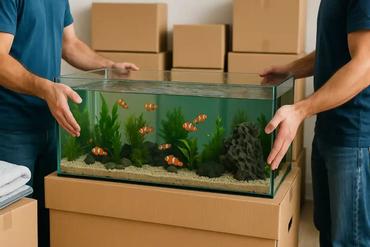
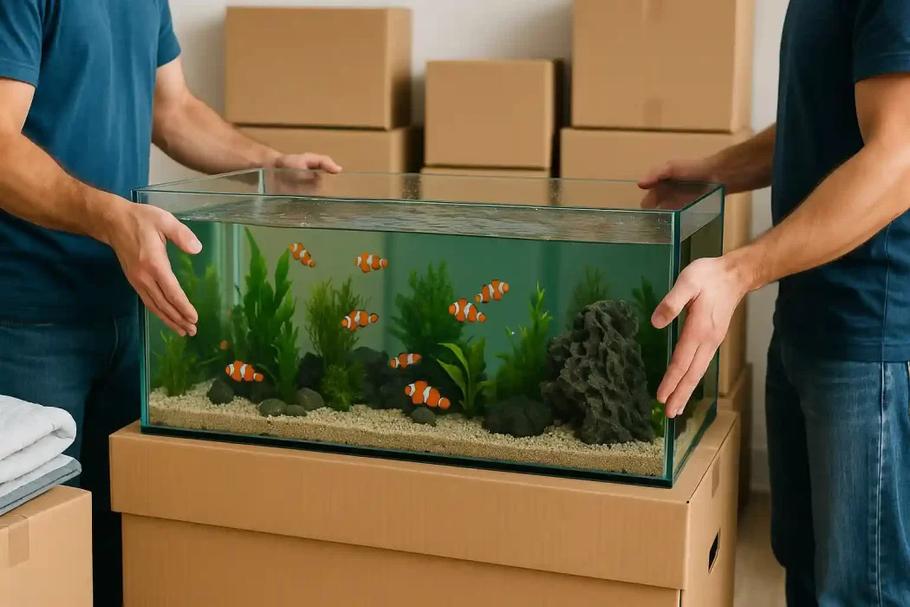
The single biggest mistake beginner hobbyists make when relocating an aquarium is treating the tank like just another piece of household furniture to pack on moving day. Moving a glass or acrylic tank while it contains water, gravel, or heavy aquascaping is a guaranteed recipe for catastrophic structural failure. Even a small 20-gallon aquarium weighs over 160 pounds when filled with water, and shifting water creates dynamic torque that easily twists glass panels, snaps silicone seals, or cracks bottom plates. Proper aquarium moving strategy starts three to four weeks before the actual moving date with meticulous planning and supply gathering.
Begin by assembling a specialized aquarium moving kit separate from your standard packing boxes. Having these dedicated tools organized in one accessible location ensures you are not searching through sealed cardboard boxes while your fish are sitting in unheated transport buckets.
- Five-gallon food-grade buckets with snap-tight lids (ideally 4 to 6 buckets for medium setups).
- Battery-powered air pumps with flexible airline tubing and air stones for oxygenation.
- Insulated styrofoam coolers or thermal bags to house water containers during transit.
- A siphon hose and dedicated gravel vacuum for draining clean water efficiently.
- Large fish nets, specimen containers, and plastic transport bags.
- Fresh bottles of water conditioner, nitrifying bacteria supplements, and emergency ammonia detoxifier.
In the two weeks leading up to your move, refrain from introducing any new livestock, live plants, or major aquascaping changes to your aquarium. New fish need time to adjust to your established water chemistry, and subjecting them to the dual stress of new tank acclimation followed immediately by a move drastically increases mortality rates. Additionally, perform routine 20% to 25% water changes during the fortnight before moving day to ensure your nitrate levels are as low as possible. Starting the move with pristine water quality gives your fish a much wider safety margin during temporary transport containment.
Forty-eight hours before the move, stop feeding your fish entirely. While withholding food might feel counterintuitive to compassionate care, fasting your fish for 1 to 2 days is a vital safety measure. Digesting food increases waste output, and fish held in temporary transport buckets will rapidly foul their limited water volume with excess ammonia through feces and respiration. A fasted fish produces significantly less waste, keeping transport water cleaner and oxygen levels higher throughout the journey.
Step-by-Step Guide to Breaking Down the Tank Safely
On moving day, your aquarium should be the very last thing you break down before loading the moving vehicle, and it must be the very first thing you set up upon arriving at your new destination. Leaving the tank active until the final moments minimizes the total duration your fish spend in temporary holding containers.
Start the teardown process by unplugging all electronic equipment, including heaters, canister filters, powerheads, and lighting units. Allow your glass heaters to cool down inside the tank water for at least 15 to 20 minutes before removing them. Taking a hot glass heater directly out of warm water into cool room air often causes the internal element or outer glass casing to shatter, creating both an electrical hazard and an unexpected equipment expense.
Next, siphon clean, clear water from the upper half of your aquarium into your clean five-gallon food-grade buckets. Always draw water from the mid-to-upper layer of the water column before disturbing the substrate or pulling up live plants. This preserved water contains stable parameters and familiar pheromones that ease the re-acclimation process later. Fill your transport buckets to roughly two-thirds capacity to prevent splashing while allowing sufficient air headspace at the top.
Once your holding buckets are filled with clean tank water, gently catch your fish using a combination of a large net and a plastic specimen container. Chasing fish frantically around a fully decorated tank creates extreme panic, physical exhaustion, and scale loss. Remove large rocks, driftwood, and artificial decorations first to clear open swimming space, making capture fast and gentle. Transfer fish swiftly into their assigned transport buckets or insulated coolers equipped with battery-operated air pumps.
After your fish are safely housed, drain the remaining dirty water into the sink or garden. Gently scoop out damp gravel or sand into sturdy plastic tubs; never leave heavy substrate inside the tank during transport, as the sliding mass can easily crack glass walls during transit. Keep your beneficial biological filter media wet at all times by submerging bio-rings, ceramic noodles, and sponge pads inside a small bucket filled with preserved tank water. Never let filter media dry out, and never rinse media with tap water, as chlorine will instantly kill the beneficial nitrifying bacteria colony. For a detailed guide on preserving your biological filter health during routine maintenance or moves, read our comprehensive overview on choosing and conditioning the water in your aquarium.
Species Compatibility and Temporary Housing Care During Transit
Housing fish in small, dark transport containers creates an artificial environment where natural territorial instincts, panic responses, and physical vulnerabilities become heightened. Beginner aquarists frequently make the error of dumping all tank inhabitants into a single large bucket, resulting in aggressive fin-nipping, territorial harassment, or physical trauma during bumps on the road.
Understanding specific species behaviors and physiological needs is essential when organizing temporary transport arrangements. Territorial species, fast-moving schoolers, and fragile scaleless fish require tailored containment strategies to prevent loss.
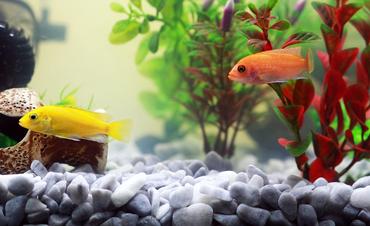
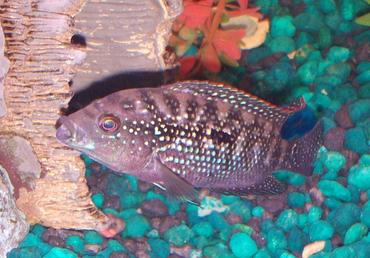
- Territorial Cichlids and Anabantoids: Aggressive species like Central American Cichlids, African Mbuna, and male Bettas must be isolated in individual bags or partitioned containers. Confining territorial fish together in a bucket removes established boundary markers, provoking immediate fighting.
- Sensitive Soft-Water Species: Delicate fish such as Discus, German Blue Rams, and Neon Tetras are highly susceptible to rapid temperature swings and oxygen depletion. House them in insulated styrofoam boxes with battery aeration and monitor water temperature closely.
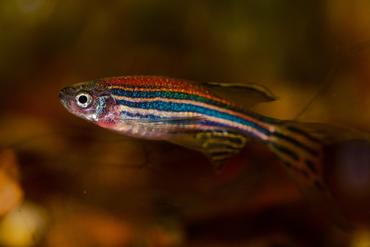
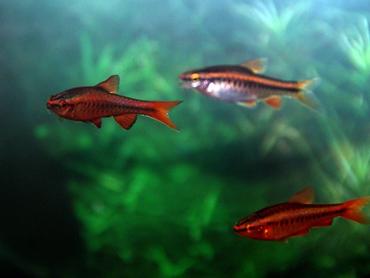
- Sturdy Schooling Fish: Community species like Zebra Danios, Harlequin Rasboras, and Cherry Barbs travel well in groups of 8 to 12 within a 5-gallon bucket, provided adequate aeration is maintained.
- Armored Catfish and Plecos: Large Bristlenose Plecos or Sailfin Plecos have sharp pectoral spines that easily puncture plastic bags. Transport heavy catfish in rigid, smooth-walled plastic buckets rather than soft bags.
In addition to behavioral aggression, consider the chemical sensitivity of your species. Active swimmers like Rainbowfish rapidly deplete dissolved oxygen in static water, making continuous battery-powered air pumps non-negotiable. Conversely, labyrinth fish like Gouramis can surface-breathe air, but still require warm, humid air space above the water line to prevent respiratory distress. If you are unsure about how your current livestock mix will handle shared confined space, consult our detailed breakdown on the basics of freshwater fish compatibility to evaluate potential behavioral risks before packing day.
Keep transport containers covered with opaque lids or dark blankets. Darkness acts as a natural sedative for most freshwater and saltwater fish, lowering their metabolic rate, reducing oxygen consumption, and keeping stress hormones like cortisol at manageable levels throughout transport.
Transporting Equipment and Maintaining Water Parameters on the Road
Once your tank is fully drained, stripped of substrate, and freed of livestock, the physical transport process begins. Glass aquariums require exceptional care during vehicle loading. Always move an empty tank on a flat, rigid surface such as a sheet of thick plywood, carrying it by the bottom frame rather than top plastic rims or center support bars. Placing a sheet of high-density foam or heavy moving blankets underneath the tank chassis absorbs road vibrations and prevents point-pressure cracking caused by stray pebbles on the vehicle floor.
Position your aquarium inside the moving truck or personal vehicle where it cannot slide or be struck by shifting boxes. Never stack heavy storage containers on top of an empty aquarium, even if the tank is covered with wood. Acrylic tanks, while less prone to shattering, scratch far easier than glass; wrap acrylic displays in soft micro-fiber sheets followed by multiple layers of bubble wrap to protect viewing panels from friction marks.
During travel, maintaining stable water parameters inside your temporary transport buckets is your top operational priority. Temperature fluctuations represent the fastest killer of aquatic life during a move. In winter months, ambient car temperatures can plunge rapidly, causing acute hypothermia in tropical species calibrated for 78 degrees Fahrenheit. In summer months, parked vehicles act as ovens, baking transport buckets within minutes.
To control thermal fluctuations, place sealed transport bags or bucket containers inside thick styrofoam coolers. If moving during freezing conditions, place disposable chemical heat packs on the underside of cooler lids, ensuring the heat pack never directly touches plastic transport bags. For summer moves, keep your vehicle air conditioning running continuously, and never leave fish-filled containers in a parked car while taking rest breaks.
For journeys lasting longer than three hours, check your battery-powered air pumps during every fuel stop to ensure tubing has not kinked and batteries remain fully charged. Keep extra batteries in your glove compartment. If water conditions begin to show signs of cloudiness or fish show gasping behavior at the surface, perform a mini 10% water change using pre-mixed, temperature-matched water treated with a quality water conditioner and an ammonia binder.
Rebuilding and Re-Establishing Your Tank at the New Location
Arriving at your new residence marks the halfway point of your moving journey. Before unpacking bedroom boxes or setting up furniture, your immediate focus must shift to reassembling the aquarium system to get fish out of temporary holding buckets as quickly as possible.
Carefully evaluate the physical placement of your aquarium stand in the new space before lifting the heavy glass tank into position. Verify that the floor structure is level, sturdy, and capable of supporting the full operational weight of your filled display. Ensure the location sits away from direct sunlight, which fuels explosive algae blooms, and far from heating vents or exterior doors that create drafty temperature swings. Double-check that electrical outlets are easily accessible and protected by Ground Fault Circuit Interrupter (GFCI) adapters to prevent electrical shocks.
Follow a precise, structured sequence to rebuild your aquarium ecosystem efficiently:
- Position the empty tank on its stand and verify level balance using a bubble level across all edges.
- Gently pour in your washed substrate, spreading sand or gravel evenly across the tank base.
- Place heavy aquascaping rocks and driftwood pieces securely into the substrate before filling water.
- Slowly pour in your preserved original tank water over a upturned saucer to avoid disturbing substrate.
- Top off the aquarium with fresh tap water conditioned to neutralize chlorine, chloramines, and heavy metals.
- Install and prime your filters, ensuring your preserved, damp biological filter media is installed correctly.
- Submerge your heater, allow it to adjust to water temperature for 10 minutes, then power it on.
Once your filtration and heating systems are operating smoothly and water temperature matches your species requirements, begin the fish re-introduction process. Do not simply pour fish directly from transport buckets into the newly refilled tank. Even if you used preserved tank water, differences in tap water chemistry at your new location—such as shifts in pH, general hardness (GH), and carbonate hardness (KH)—can induce lethal osmotic shock.
Float transport bags or use a slow drip acclimation system to blend new tank water into holding containers over a 30 to 45 minute window. This gradual transition allows fish to adjust their internal metabolic balance to new water parameters. Once acclimated, gently net fish out of transport containers and release them into the display tank, discarding the old transport water to prevent concentrated waste from entering your fresh setup. For detailed steps on proper re-introduction techniques, check out our step-by-step guide on acclimating fish using the drip method.
Takeaway: Post-Move Monitoring and Long-Term Success
Successfully placing your fish back into their rebuilt home is a massive milestone, but your responsibilities do not end on moving day. Transporting an aquarium inevitably causes some loss of beneficial nitrifying bacteria due to substrate disruption, parameter shifts, and temporary oxygen deprivation in filter media. As a result, your aquarium is vulnerable to a mini-cycle—a temporary spike in toxic ammonia and nitrite levels as the biological colony rebuilds itself.
Keep your aquarium lights off for the first 24 hours post-move. Dark environments significantly reduce stress, allowing disoriented fish to explore their surroundings and re-establish peace without territorial panic. Resist the urge to feed your fish on the night of the move; wait until the following day, and offer only a light portion equal to half their normal intake. Unconsumed food will decay rapidly, putting unneeded strain on your recovering biological filter.
Test your water parameters daily for the first 10 to 14 days using a reliable liquid master test kit. Monitor closely for any presence of ammonia or nitrite. If test results show readings above zero parts per million (ppm), perform immediate 25% water changes and dose your system with beneficial bacteria starters to accelerate bio-filter recovery. Keep a close eye on your fish for secondary stress-induced ailments such as Ich (white spot disease) or fin rot, treating any outbreaks promptly at the first sign of symptoms.
Moving a delicate aquarium requires patience, foresight, and systematic execution, but seeing your thriving aquatic community settled comfortably in your new home makes every bit of effort worthwhile. Have you recently completed a successful aquarium move, or are you currently planning a challenging relocation? Explore more of our expert aquarium care guides on RateMyFishTank.com, leave your questions in the comments below, and share your personal moving tips with our growing community of passionate hobbyists!


MOST RECENT ARTICLES