Aquarium News And Trends
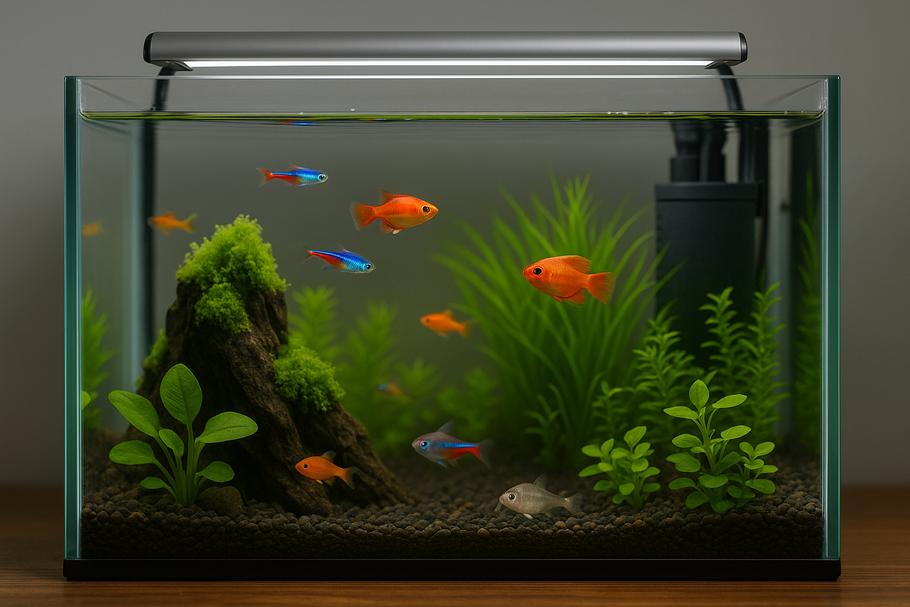
Understanding the Nano Ecosystem: Why Size Matters
To succeed with a 5 or 10-gallon setup, one must first grasp the concept of "water volume stability." In a 100-gallon aquarium, a single dead leaf or a small pinch of excess food is a minor biological event, easily processed by a massive colony of beneficial bacteria and diluted by a large body of water. In a 5-gallon nano tank, that same event is a potential catastrophe. The primary challenge of the nano keeper is managing the rapid fluctuations in water chemistry that occur when the buffer is small.
Nitrogenous waste, specifically ammonia and nitrite, can reach toxic levels in a matter of hours in a small tank. Furthermore, evaporation plays a much larger role here than in larger systems. As water evaporates, the minerals and salts stay behind, meaning the concentration of dissolved solids increases. This can lead to osmotic stress for sensitive inhabitants like freshwater shrimp or soft-water fish. To mitigate these risks, the modern 2025 nano hobbyist uses high-quality equipment, such as auto-top-off (ATO) systems or precision heaters, to ensure the environment remains as static as possible.
Key Considerations
- The Biological Buffer: Smaller tanks have less surface area for beneficial bacteria. Utilizing high-porosity ceramic media in your filter is essential to maximize biological filtration.
- Oxygen Exchange: In small volumes, oxygen can be depleted quickly, especially at higher temperatures. Ensure your filter provides adequate surface agitation.
- The "Golden Rule" of Nano Stocking: Always under-stock. A visually "empty" tank is almost always healthier than one pushed to...

The Power of the Citizen Scientist: The CARES Movement
The concept of "ark populations" is simple but profound: if a species loses its natural home in the wild, it can survive in captivity until habitat restoration makes reintroduction possible. Organizations like CARES (Conservation, Awareness, Recognition, Encouragement, and Support) have identified hundreds of species at risk. By documenting the fish they keep and following strict breeding protocols, hobbyists provide a safety net for species that would otherwise vanish. This is a massive shift from the early days of the hobby, moving away from wild-caught specimens toward a sustainable, breeder-focused culture. When you choose to keep a species listed on a conservation priority list, you aren't just decorating a room; you are managing a genetic legacy.
One of the most famous success stories involves the Skiffia francesae, a small live-bearer from Mexico that was declared extinct in the wild in the late 20th century. Thanks to a handful of hobbyists in the United Kingdom and North America, the species remained stable in home aquariums for decades. Recently, these captive-bred populations have been used to reintroduce the fish back into its native springs. Before embarking on a conservation project, it is essential to understand the process of cycling a fish tank to ensure you provide a stable environment for these precious animals. Endangered fish often have zero tolerance for poor water quality, making a mature biological filter your first priority.
- Genetic Integrity: Conservation hobbyists avoid cross-breeding different color morphs to keep the "wild type"...

The Physiology of the Blue Space Effect
Scientists have long studied the concept of Blue Space—the idea that being near or looking at water has a transformative effect on human health. An aquarium provides a concentrated version of this effect. Studies conducted by the National Marine Aquarium in the UK revealed that people who spent time watching a fish tank experienced a significant drop in both heart rate and blood pressure. The effect was measurable within the first five minutes of observation. This physiological relaxation response is particularly beneficial for individuals dealing with high-stress jobs or chronic anxiety, as it triggers the parasympathetic nervous system, helping the body move from a state of fight or flight into a state of rest and digest.
To maximize these physical benefits, the choice of species matters. While a fast-paced tank with aggressive cichlids might be exciting, it doesn't offer the same calming effect as slow-moving, graceful species. For a truly relaxing display, many hobbyists opt for long-finned varieties or schooling fish that move in a synchronized, rhythmic fashion. The visual flow of these animals mimics the movement of tall grass in the wind or waves on a beach, which the human brain is hardwired to find soothing. If you are looking to lower your daily stress levels, consider these calming residents:
- Fancy Goldfish: Their slow, waddling swimming style is inherently peaceful and meditative to watch.
- Angel Fish: Their graceful, gliding movements create a sense of underwater elegance.
- Cardinal Tetras: A large school moving together creates a mesmerizing,...
MOST RECENT ARTICLES