FAQS FOR NOVICE FRESHWATER HOBBYISTS

1. What Is the Aquarium Nitrogen Cycle and Why Is It Essential Before Adding Fish?
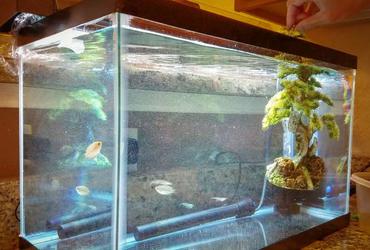
The single most destructive error a beginner can make is setting up a new glass tank, filling it with tap water, pouring in a capful of dechlorinator, and introducing a full community of fish on the exact same afternoon. Within three to seven days, the water inevitably turns hazy, the fish begin gasping frantically at the surface or sitting on the gravel, and widespread mortality occurs. In the aquarium community, this tragic scenario is known as New Tank Syndrome, and it stems directly from a complete lack of biological filtration—specifically, an uncycled tank.
The nitrogen cycle is the natural biological process by which microscopic, beneficial nitrifying bacteria establish colonies within your aquarium filter media, substrate, and hardscape to transform toxic metabolic waste into harmless compounds. Understanding this cycle requires breaking down the chemical pathway of aquatic waste:
- Ammonia (NH3/NH4+): Fish excrete ammonia constantly through their gills and urine. Additionally, uneaten fish food, decaying plant leaves, and organic debris decompose into raw ammonia. Ammonia is acutely toxic to aquatic life; even trace levels as low as 0.25 mg/L (ppm) cause severe gill burn, respiratory distress, systemic stress, and rapid death.
- Nitrite (NO2-): As ammonia builds up, a group of autotrophic bacteria known primarily as Nitrosomonas colonizes your filter media and consumes the ammonia, converting it into nitrites. Nitrite is equally lethal to fish because it enters the bloodstream and oxidizes the iron in hemoglobin, forming methemoglobin—a compound that renders the blood incapable of transporting oxygen. Fish suffering from nitrite poisoning essentially suffocate internally regardless of how well-oxygenated the water is.
- Nitrate (NO3-): A second distinct group of beneficial bacteria, known as Nitrobacter and Nitrospira, slowly develops to consume nitrites and convert them into nitrates. Nitrate is exponentially less toxic than ammonia or nitrite. Most freshwater fish can safely tolerate nitrate levels up to 20 to 40 ppm without long-term harm. Because home aquariums lack the anaerobic environments needed to process nitrate into gas, manual water changes are required to dilute nitrates down to safe levels.
To establish this vital biological engine without subjecting live animals to toxic spikes, you should always complete a fishless cycle before introducing your livestock. Set up your tank complete with a running filter, heater, and substrate. Introduce a synthetic ammonia source—such as pure ammonium chloride liquid or a daily pinch of decaying fish food—to simulate biological waste. Supplement the tank with bottled nitrifying bacteria starter cultures to accelerate colonization, and test the water parameters every two days using a liquid testing kit. Once your test results consistently show 0 ppm Ammonia, 0 ppm Nitrite, and a readable trace of Nitrates after adding an ammonia dose, your tank is fully cycled and biologically ready for fish. This process generally takes between 2 to 6 weeks. To explore the deep biochemistry of filter media colonization, read our detailed guide on understanding the nitrogen cycle.
2. How Do I Choose the Right Aquarium Size, Equipment, and Location?
One of the most persistent myths in the pet industry is that a tiny aquarium—such as a 2.5-gallon bowl or a 5-gallon desktop kit—is the easiest starting point for a novice. In reality, small water volumes are vastly more delicate, unstable, and unforgiving than large ones. In a 5-gallon aquarium, a tiny piece of uneaten food or a single decaying snail can cause an instantaneous ammonia spike capable of wiping out every inhabitant within hours. Furthermore, small bodies of water shift temperature rapidly in response to ambient room changes. Conversely, larger volumes of water act as chemical and thermal buffers, absorbing minor mistakes and diluting waste products safely until your next scheduled maintenance window.
For an absolute beginner, a 20-gallon "Long" or a standard 29-gallon aquarium represents the ideal balance of volume, footprint, cost, and physical weight. A 20-gallon long tank, measuring 30 inches across, provides generous horizontal swimming space for schooling species while keeping the total weight manageable for standard home flooring.
When selecting the physical location for your setup, evaluate the room against the following critical parameters:
- Avoid Direct Sunlight: Placing an aquarium near a window exposes it to natural sunlight, which drives rapid, uncontrollable green water and hair algae blooms. Natural sunlight also causes erratic temperature spikes throughout the day.
- Climate Control & Drafts: Position the aquarium away from HVAC heating vents, portable space heaters, air conditioners, and exterior doorways to prevent constant temperature fluctuations that stress fish immunity.
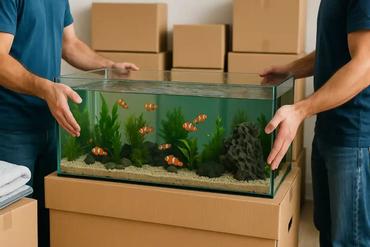
- Structural Support: Freshwater with substrate and glass weighs roughly 10 pounds per gallon. A fully decorated 29-gallon aquarium will weigh upwards of 300 pounds. Always use an engineered aquarium stand designed to support distributed downward weight evenly, rather than standard particle-board household furniture.
- Electrical & Water Accessibility: Ensure there are dedicated, GFCI-protected electrical outlets nearby to run your filter, heater, and lighting. Make sure the location is within a reasonable distance of a water source to facilitate hassle-free weekly water changes.
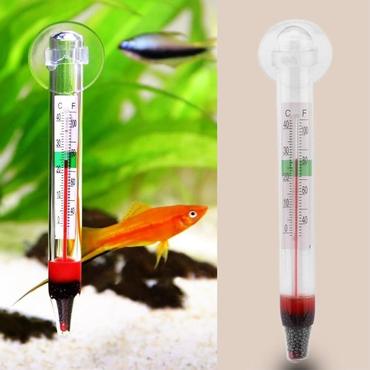
Equally vital to tank location is selecting the proper mechanical hardware. Your filtration system should turn over the total volume of your aquarium at least 4 to 6 times per hour (GPH). For example, a 20-gallon tank requires a filter rated for at least 80 to 120 gallons per hour. Select a submersible glass or titanium heater rated at roughly 5 watts per gallon of water, and pair it with an external digital controller or secondary thermometer to guard against heater failure—a common point of hardware breakdown in the hobby.
3. Stocking & Compatibility: Which Fish Species Belong Together in a Community Tank?
The visual appeal of a vibrant community tank leads many beginners to impulsively purchase fish based purely on aesthetic color or retail availability. However, stocking an aquarium successfully requires evaluating species-specific behavioral traits, adult physical dimensions, territorial boundaries, water parameter preferences (pH and hardness), and swimming zone distribution. Forcing aggressive territorial species into close quarters with delicate schooling fish creates severe, chronic stress that compromises fish immune systems and leads to fatal disease outbreaks.
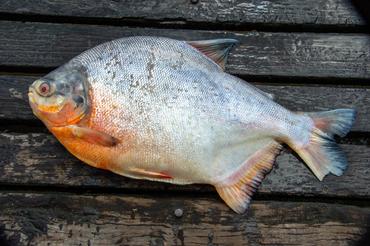
A classic beginner mistake is failing to research the adult size of juvenile fish sold in commercial pet stores. The Common Pleco (Hypostomus petenense or Hypostomus plecostomus) is frequently marketed as an innocent 2-inch algae cleaner; within two years, however, a Pleco can exceed 18 inches in length, produce massive amounts of heavy waste, and completely outgrow anything smaller than a 125-gallon tank. Similarly, juvenile Redtail Catfish, Clown Loaches, and Silver Dollars quickly outgrow standard home setups.
To design a balanced, harmonious freshwater community aquarium, construct your stocking plan around distinct swimming tiers within the water column:
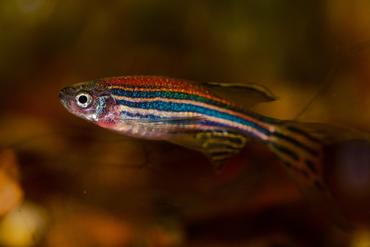
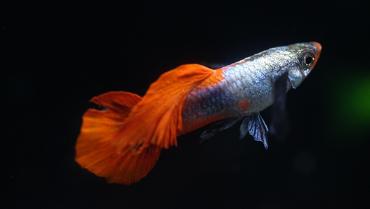
- Upper Water Column (Surface Dwellers): Species occupying the top third of the tank add lively movement without disturbing bottom territory. Male Guppies (Poecilia reticulata), Endlers, Platies, Zebra Danios (Danio rerio), or a single surface-oriented centerpiece fish like the peaceful Honey Gourami (Trichogaster chuna) thrive here.
- Middle Water Column (Mid-Tier Schoolers): The center of your tank is best populated by non-aggressive, mid-water schooling species. Neon Tetras (Paracheirodon innesi), Cardinal Tetras (Paracheirodon axelrodi), Harlequin Rasboras (Trigonostigma heteromorpha), and Rummy-Nose Tetras (Hemigrammus rhodostomus) should always be kept in shoals of at least 6 to 10 individuals of the same species. When kept in inadequate numbers, shoaling fish become anxious, lose their vivid coloration, and may resort to nipping fins out of stress.
- Lower Water Column (Substrate Benthic Dwellers): Bottom-dwelling species clean up stray food particles while giving the substrate life. Peaceful schooling catfish such as Corydoras (e.g., Corydoras bronze, Corydoras panda, or Corydoras sterbai) and secretive loaches like the Kuhli Loach (Pangio kuhlii) excel in this zone. Always provide smooth, fine sand or rounded gravel substrates to prevent eroding their delicate sensory barbels.
Pay strict attention to behavioral anti-patterns. Avoid combining long-finned, slow-moving species like the Betta (Betta splendens) or Fancy Guppies with notorious semi-aggressive fin-nippers like Tiger Barbs (Puntigrus tetrazona) or Serpae Tetras. Likewise, keep predatory cichlids completely separate from small nano-tetras that fit easily into their mouths. For an itemized list of resilient species ideal for starting out, check out our editor-curated list of the top 10 beginner-friendly freshwater fish.
4. Water Care & Routine Maintenance: How Do I Keep My Tank Pristine and Stable?
Maintaining a pristine, healthy aquarium is fundamentally about consistency rather than disruptive, heavy-handed interventions. A widespread misconception among novices is that cleaning an aquarium means draining 100% of the water, scrubbing the glass until it squeaks, taking out the gravel to wash under scalding tap water, and replacing the filter cartridge with a fresh one. Executing a tear-down of this magnitude completely destroys your biological filter, strips away beneficial nitrifying bacterial colonies, and triggers an immediate, devastating re-cycle that will poison your fish.
Instead, sound aquarium care revolves around regular, partial water changes. Perform a 15% to 25% water change once every week. This routine removes accumulated dissolved organic compounds, replenishes depleted trace minerals, and keeps nitrate levels safely below target thresholds without destabilizing the biological ecosystem.
Follow a structured maintenance routine using proper equipment and techniques:
- Substrate Vacuuming: Use a siphon-powered gravel vacuum during your weekly water change. Push the vacuum nozzle deep into the gravel bed to lift out trapped mulm, fish feces, and decaying debris without disturbing the beneficial bacterial film attached to the stones. If keeping live plants or fine sand, hover the siphon just above the surface to lift loose waste.
- Water Conditioning & Temperature Matching: Municipal tap water contains dangerous disinfectant chemicals, including raw chlorine and chloramines, designed to kill bacteria. Always treat incoming tap water with a high-concentration water conditioner (such as Sodium Thiosulfate or advanced municipal neutralizers) before adding it to the tank. Ensure the temperature of the replacement water matches your tank water within 1 to 2 degrees Fahrenheit to avoid thermal shock, which causes swim bladder issues and triggers dormant parasites like Ich (white spot disease).
- Filter Media Care: Never wash your biological filter media (sponges, ceramic rings, bio-balls) under raw tap water. The chlorine in tap water will instantly eradicate your bacterial colonies. Instead, fill a dedicated plastic bucket with dirty aquarium water removed during a water change, submerge your filter media in it, and gently squeeze or swish the sponges to dislodge thick particulate sludge. Reinsert the rinsed media back into the filter housing immediately.
- Testing Parameters: Ditch paper test strips, which degrade rapidly when exposed to ambient room humidity and frequently provide misleading readings. Invest in a liquid reagent master test kit. Routinely monitor your core chemistry: Ammonia (Target: 0 ppm), Nitrite (Target: 0 ppm), Nitrate (Target: < 20-40 ppm), and pH (Target: Stable, typically 6.5 - 7.8 for community fish).
Remember that stability is far more important than achieving a "perfect" textbook pH value. Attempting to force your water pH up or down using aggressive chemical powders creates rapid pH swings that damage delicate gill tissues and cause metabolic distress. Most captive-bred freshwater fish adapt comfortably to a wide range of stable pH values. If you are struggling with persistent clarity issues, read our detailed guide detailing step-by-step solutions on how to fix cloudy tank water.
5. How Much, How Often, and What Should I Feed My Aquarium Fish?
Overfeeding is undeniably the single leading catalyst for aquarium failure among beginner hobbyists. In natural aquatic environments, wild fish spend the majority of their day hunting for scarce food sources, often enduring prolonged periods between meals. In captivity, fish are opportunistic feeders that will enthusiastically beg at the front glass every time a person walks past. This instinctive behavior misleads owners into assuming their fish are starving, prompting excessive feedings that pollute the aquarium.
When you feed more than your fish require, the excess food sinks into hard-to-reach crevices beneath rocks and wood, where it rapidly rots. This organic overload drives sudden spikes in ammonia, fuels explosive unwanted pest snail populations, and provides endless nutrients for unsightly brush and cyanobacteria algae blooms. Internally, overeating leads to severe digestive bloat, fatty liver degeneration, constipation, and lethal swim bladder disorders.
Adopt the following practical feeding rules to maintain optimal health and pristine water clarity:
- The Two-Minute Rule: Offer only the amount of food your fish can consume in 2 minutes or less. If any flakes, pellets, or wafers remain untouched at the bottom after 3 to 5 minutes, you have overfed. Immediately siphon out the excess debris using a turkey baster or siphon hose.
- Frequency: Feed your adult fish once or twice per day at maximum. Young, rapidly growing fry may require smaller, more frequent meals, but mature community fish thrive on a controlled schedule.
- Dietary Diversity: Avoid relying exclusively on a single jar of dry shelf-stable flake food. Flake foods rapidly oxidize once opened, losing critical Vitamin C and trace nutrients over time. Alternate between high-grade micro-pellets, freeze-dried bloodworms, and high-protein frozen foods such as Daphnia, Mysis Shrimp, and Cyclops.
- Targeted Substrate Feeding: Remember that surface-dwelling fish will eat all floating food before it reaches the bottom. Ensure bottom-dwellers like Corydoras catfish and Plecos receive specialized sinking algae wafers or sinking carnivore pellets dropped directly into their territory after the tank lights are turned off.
- Weekly Fasting Day: Designate one day every week (e.g., every Sunday) as a fasting day where no food is introduced. Fasting allows your fish to clear their digestive tracts completely, drastically reducing instances of bloat and internal blockage while encouraging them to forage for organic micro-debris around the tank.
6. How Do I Identify, Prevent, and Treat Common Freshwater Fish Diseases?
Even with meticulous maintenance, disease outbreaks can occasionally strike an aquarium. Stress is the primary precursor to almost all aquatic illnesses; when a fish experiences stress from poor water quality, bullying, shipping trauma, or temperature swings, its mucous coat thins and its immune system drops, allowing ubiquitous opportunistic pathogens to attack.
Recognizing early signs of physical distress is essential for treating diseases before they spread across the entire tank community. Keep a close eye on your livestock daily for subtle behavioral shifts:
- Ich (White Spot Disease): Caused by the protozoan parasite Ichthyophthirius multifiliis, this is the most common parasite in the freshwater hobby. Infected fish look as though they have been sprinkled with grains of white salt across their body and fins. Behavioral symptoms include "flashing"—rubbing their bodies aggressively against rocks, plants, or substrate to relieve irritation. Treatment involves slowly raising the aquarium temperature to 82°F–86°F to accelerate the parasite's life cycle while dosing an anti-parasitic medication containing formalin or malachite green, or performing salt treatments.
- Fin Rot & Tail Rot: This bacterial or fungal infection causes the edges of a fish's fins to appear frayed, tattered, white, or inflamed. Fin rot is almost exclusively caused by poor water conditions, high nitrates, or physical damage from fin-nipping tankmates. Improving water quality through clean, warm water changes and dosing mild antibacterial medications will quickly stop the progression and allow fins to regenerate over time.
- Velvet (Oodinium): Velvet is caused by a microscopic parasite that produces a fine, dust-like gold, yellow, or rust-colored film over the fish’s skin. Infected fish often appear lethargic, clamp their fins tight against their bodies, and suffer from heavy respiration. Velvet is treated with copper-based medications or anti-protozoan treatments while keeping the aquarium lights completely off, as the parasite relies partly on photosynthesis.
- Dropsy: Dropsy is not a specific disease itself, but rather a clinical symptom of severe internal organ failure (typically liver or kidney failure), causing fluid to build up inside the abdominal cavity. The fish becomes severely bloated, causing its scales to stick out sideways like a pinecone. Dropsy is notoriously difficult to cure once pineconing occurs; isolating the affected fish in a dedicated hospital tank with Epsom salt baths and broad-spectrum antibiotic foods offers the only chance of recovery.
To prevent diseases from entering your display tank, always establish a simple Quarantine Tank (QT) setup. A basic 10-gallon plastic tote or bare-bottom glass tank equipped with a simple sponge filter and heater allows you to isolate newly purchased fish for 2 to 4 weeks before adding them to your established community. This quarantine period ensures any hidden infections manifest and can be treated safely without risking your main setup.
Conclusion & Key Takeaways for Long-Term Aquarium Success
Succeeding in the freshwater aquarium hobby does not require an advanced degree in biology, but it does demand patience, observation, and a fundamental respect for natural biological processes. By taking the crucial time to complete a full fishless nitrogen cycle before stocking, choosing a forgiving aquarium size, selecting peaceful and parameter-compatible species, maintaining a consistent feeding discipline, and committing to small, weekly partial water changes, you effectively eliminate 90% of the common pitfalls that cause novice aquarists to abandon the hobby in frustration.
Always remember that swift, drastic changes in water chemistry are far more dangerous to aquatic life than minor, stable departures from ideal textbook conditions. Make any environmental adjustments gradually, observe your fish daily for subtle shifts in behavior, and view your aquarium as a living ecosystem that rewards consistency and care.
Are you ready to design your first planted aquascape, select the ideal filtration setup, or troubleshoot a persistent water clarity issue in your tank? Dive deeper into our vast, expert-reviewed catalog of detailed species care sheets, comprehensive equipment teardowns, and step-by-step aquascaping guides right here at RateMyFishTank.com. Have a setup you are proud of? Join our vibrant community by uploading your tank photos to our user gallery today to share your progress, gather constructive feedback, and draw inspiration from thousands of passionate aquarists worldwide!


MOST RECENT ARTICLES