BREEDING AND REARING LIVE-BEARING SPECIES OF FISH

Understanding Livebearers: Popular Species and Their Unique Biology
To succeed at breeding live-bearing fish, it helps to first understand the unique reproductive biology that sets them apart from the majority of freshwater species. Livebearers belong primarily to the Poeciliidae family, a group of freshwater fish native to North, Central, and South America. What distinguishes these species is their method of internal fertilization. Male livebearers possess a specialized, modified anal fin known as a gonopodium. The male uses this fin to transfer spermatophores directly into the female. Once fertilized, the eggs develop internally inside the female's body, where she provides oxygen and protection until the fry reach full development and are born alive.
One of the most fascinating features of female livebearers is their ability to store viable sperm in their reproductive tract for several months. A single mating event can result in up to six consecutive broods of fry, spaced roughly four to five weeks apart, even if no males are present in the tank. This biological mechanism frequently surprises novice aquarists who purchase a female fish from a local store, only to discover a swarm of tiny fry swimming in their tank weeks later. Understanding this timeline allows breeders to anticipate births and prepare suitable habitats well in advance.
Selecting the right species depends on your tank size, water chemistry, and breeding goals. While all common livebearers share similar reproductive traits, each species brings distinct physical features and behavioral quirks to the home aquarium:
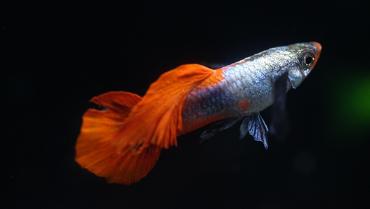
- Fancy Guppies ( Poecilia reticulata ): Small, peaceful, and infinitely varied in tail shape and color pattern, guppies are the quintessential beginner fish. Males reach only 1.5 inches, while females grow slightly larger at 2 inches. They thrive in warm, neutral to slightly hard water and produce broods ranging from 20 to 50 fry.
- Platies ( Xiphophorus maculatus ): Stout, colorful, and highly active, platies come in numerous cultivated strains including Sunburst, Wagtail, and Tuxedo. Reaching about 2 to 2.5 inches, they are remarkably forgiving of fluctuating water parameters and exhibit gentle community temperaments.
- Swordtails ( Xiphophorus helleri ): Closely related to platies, male swordtails are easily recognized by the elongated lower ray on their caudal fin. They are larger and faster swimmers, often reaching 4 to 5 inches in length. Due to their active nature and potential for male territoriality, swordtails require larger tanks of at least 20 to 30 gallons.
- Mollies ( Poecilia sphenops / latipinna ): Available in Black, Sailfin, Dalmatian, and Lyretail varieties, mollies are robust livebearers that appreciate higher mineral content in their water. They can adapt to brackish conditions and produce large broods, often exceeding 50 to 80 fry per drop in mature females.
- Endler's Livebearers ( Poecilia wingei ): Smaller relatives of the guppy, Endlers feature intense, metallic color blocks. They are ideal for nano aquariums, reproduce rapidly, and tend to show significantly less fry predation behavior than standard fancy guppies.
Setting Up the Ideal Breeding and Birthing Environment
While livebearers will occasionally reproduce in a standard community aquarium, relying strictly on a main display tank often yields low survival rates. Hungry tankmates—and even the parents themselves—will readily eat newborn fry if adequate cover is not provided. To maximize yield and keep stress levels low, dedicated breeders utilize a two-tank system or thoughtfully re-engineer their display environment to protect vulnerable newborns.
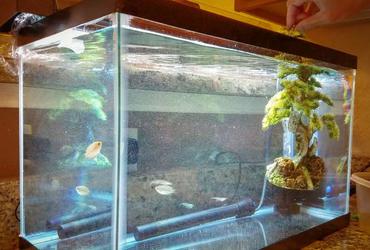
The foundation of any successful breeding setup begins with water quality and filtration. Standard hanging power filters or canister units pose a severe hazard to newborn livebearers. The powerful intake tubes can easily pull delicate, weak-swimming fry into the filter media, resulting in heavy losses. Instead, equip your breeding and rearing tanks with mature sponge filters driven by an air pump. Sponge filters provide gentle circulation, prevent suction hazards, and cultivate rich microscopic biofilms that young fry can graze on throughout the day. Before stocking your breeding setup, ensure your aquarium is fully conditioned by following best practices for getting your aquarium set up and fully cycled to establish an active biological filter.
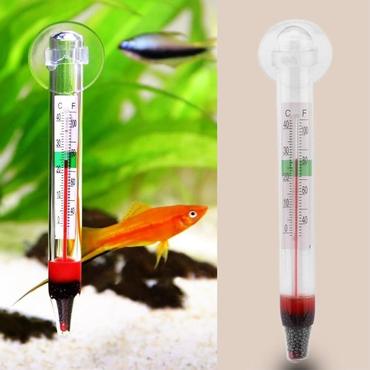
Water chemistry plays an essential role in triggering healthy gestation and strong embryonic development. Livebearers thrive in moderately hard to hard water with a pH between 7.0 and 8.2 and a temperature maintained steadily between 76°F and 80°F (24°C to 27°C). Warmer temperatures elevate the fish's metabolic rate, shortening the gestation window slightly, while colder water can delay birth or weaken the mother's immune response. For mollies in particular, adding a small amount of mineral salts or maintaining a higher general hardness (GH) helps prevent common physical ailments like "the shimmies," a neurological distress signal caused by soft, mineral-deficient water.
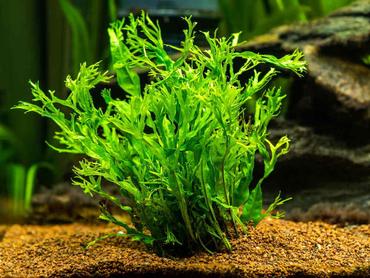
Plant cover is the single most critical factor for fry survival. Newborn fry instinctively head for dense cover or dart upward toward the water surface immediately after birth. Integrating dense layers of fine-leafed flora creates a safe haven where adult fish cannot easily maneuver. Plants like Java Moss, Guppy Grass ( Najas guadalupensis ), Hornwort, and floating Water Sprite provide intricate matrixes where fry can hide, rest, and feed without fear of predation.
Managing Male-to-Female Ratios, Compatibility, and Care
One of the most frequent mistakes made by beginner aquarists is stocking an equal number of male and female livebearers in a single aquarium. Male livebearers possess an unyielding drive to mate. If kept in a 1:1 ratio, a single male will continuously chase, flare at, and bother a single female. This incessant courtship causes severe physical exhaustion, chronic stress, weakened immune function, and in severe cases, premature abortion of developing embryos or death of the female.
To maintain order and safeguard female health, always observe the "Golden Ratio" of livebearer stocking: maintain at least two to three females for every single male (a 1:3 ratio is ideal). Distributing male attention across multiple females ensures no individual fish bears the brunt of constant pursuit. If you notice a male becoming excessively dominant or aggressive toward females despite proper ratios, adding more female stock or expanding visual barriers with driftwood and tall plants helps diffuse line-of-sight aggression.
Compatibility considerations extend beyond simple sex ratios. When housing multiple livebearer species in the same tank, aquarists must be aware of hybridization risks. Guppies and Endlers crossbreed effortlessly, producing fertile hybrid offspring that lose the distinct tail shapes and pristine coloration of pure lines. Similarly, Platies and Swordtails belong to the same genus ( Xiphophorus ) and readily interbreed. While hybridization can be an interesting personal project, it generally results in mixed genetic traits that local fish stores and hobbyists may be hesitant to adopt. Keep pure species lines separated if your goal is to sell or distribute high-quality strains.
Because livebearers require frequent feeding and high-protein diets to support rapid reproduction, bio-load management is a critical aspect of ongoing care. High feeding frequencies quickly degrade water quality if maintenance slips. Accumulations of ammonia, nitrite, and high nitrate cause stress that directly compromises embryo health and fry yield. Establishing a firm habit of testing water parameters weekly and staying consistent with routine aquarium maintenance and water changes ensures organic waste remains minimal and mineral levels remain stable for healthy bone development in growing juveniles.
Spotting Pregnancy and Navigating the Birthing Process
Recognizing when a female livebearer is approaching delivery allows you to make timely decisions about whether to isolate her or let her give birth in a heavily planted main tank. The gestation cycle for most livebearers ranges from 28 to 35 days, depending on species, age, diet, and water temperature. As the delivery date draws near, several distinct physical and behavioral signs manifest:
- The Gravid Spot: Located near the female's anal fin, this dark, pigmented area enlarges and turns deep black or rich red (depending on the fish's natural coloration). This dark patch is actually the visible eyes and bodies of the developing fry showing through the mother's translucent body wall.
- The "Squared-Off" Abdomen: During early pregnancy, a female's belly appears round and plump. In the final 24 to 48 hours before birth, her abdomen flattens out on the bottom, taking on a distinctly boxy or squared-off shape when viewed from the side.
- Behavioral Isolation: A female on the verge of giving birth typically detaches from the main group. She may seek out quiet, shaded areas near the heater, rest on the substrate, or hide densely within floating plants while hovering rhythmically.
- Refusal to Eat: While livebearers are usually insatiable eaters, a female may ignore food or display reduced appetite during the hours immediately preceding labor due to internal pressure from the fully formed brood.
When labor begins, the female releases fry individually or in small batches over a period lasting anywhere from two to eight hours. Healthy fry emerge tail-first or rolled into tiny balls, dropping toward the substrate before uncurling and swimming toward cover. A single brood size can range from a modest 10 to 15 fry for a young female's first drop to over 100 fry for a large, fully mature female molly or swordtail.
A common beginner pitfall is the misuse of small plastic breeding boxes or hanging traps. While these plastic containers successfully separate fry from adult fish, placing an over-stressed female into a cramped, uncirculated box too early can trigger severe shock. This stress frequently leads to premature births, stillborn broods, or the sudden death of the mother. If you choose to use a breeding trap, introduce the female only when she exhibits obvious "squared-off" physical signs, and ensure the trap is positioned directly in a gentle water current. A far safer, stress-free alternative is moving the pregnant female to a dedicated 5-gallon or 10-gallon birthing tank equipped with plants and a sponge filter well ahead of her expected due date.
Raising and Rearing Fry for Maximum Survival and Fast Growth
Once delivery is complete, immediately return the adult female to the main display tank so she can rest and recover without eating her offspring. The newly born fry are now in a delicate phase where proper nutrition, spotless water quality, and consistent monitoring dictate their long-term growth trajectory and physical development.
Newborn livebearers possess tiny stomachs and high metabolic rates, requiring small, frequent meals rather than one large daily feeding. During their first two weeks of life, offer food four to six times daily in small quantities that can be completely consumed within two minutes. Excellent nutritional choices for young fry include:
- Newly Hatched Baby Brine Shrimp ( Artemia ): The undisputed gold standard for livebearer fry. High in lipids and protein, live baby brine shrimp stimulate natural hunting instincts and accelerate growth dramatically.
- Micro-worms and Vinegar Eels: Tiny live cultured worms that stay suspended in the water column, making them accessible to small guppy and Endler fry.
- High-Quality Dry Fry Foods: Commercially prepared micro-powders, golden pearls, or finely crushed high-protein flakes (40%+ crude protein) provide essential vitamins and minerals when live foods are unavailable.
- Natural Biofilm and Infusoria: Microscopic organisms growing on live plants, Java moss, and sponge filter sleeves provide round-the-clock grazing opportunities between scheduled feedings.
Clean water is just as vital as nutrition for growing juveniles. In crowded rearing tanks, fish release growth-inhibiting pheromones that can accumulate, resulting in stunted growth, crooked spines, and uneven development among siblings. To combat this, perform small daily or bi-weekly water changes of 10% to 15% on the rearing tank. Always use a fine mesh sieve or pantyhose cover over your siphon hose to prevent accidentally vacuuming up tiny, curious fry. Maintaining pristine water conditions reduces mortality and ensures vibrant color development within four to six weeks.
As fry mature into juveniles, separating them by sex (often called "sexing out") around the four-week mark gives you total control over reproduction. Look closely at the anal fin of each juvenile: females retain a rounded, fan-shaped fin, while males begin developing a straight, pointed gonopodium. Separating males into a distinct grow-out tank prevents indiscriminate breeding among immature juveniles and allows young females to direct their energy toward healthy physical growth rather than early pregnancy. Implementing proven freshwater fish breeding techniques allows hobbyists to refine color traits, manage genetic vigor, and produce healthy stock.
Final Takeaways: Building a Thriving Livebearer Colony
Breeding and rearing live-bearing fish is one of the most fulfilling experiences available to home aquarium enthusiasts. By transitioning from passive community tank breeding to an intentional, well-managed care regimen, you can observe the fascinating life cycle of these dynamic species firsthand while producing stunning, healthy fish. To ensure continuous success across generations, keep these core principles at the forefront of your fish-keeping routine:
- Select robust, healthy breeding stock with straight spines, active swimming patterns, and vivid coloration.
- Maintain a strict 1:3 male-to-female ratio to eliminate harassment and safeguard female health.
- Equip birthing and rearing environments with gentle sponge filters and dense live plants like Java Moss and Guppy Grass.
- Feed newborns small, high-protein meals 4 to 6 times daily, leveraging live foods like baby brine shrimp for rapid development.
- Stay disciplined with regular, small water changes to remove growth-inhibiting hormones and maintain stable water parameters.
Whether your goal is to breed award-winning Fancy Guppy strains, preserve rare wild livebearer species, or simply share the joy of newborn fry with family and friends, taking a structured approach ensures a rewarding journey. Ready to take your aquarium skills to the next level? Explore our extensive library of care guides, equipment reviews, and community showcases right here on RateMyFishTank.com, and don't hesitate to share your own breeding setup photos and success stories with our growing community of passionate hobbyists!


MOST RECENT ARTICLES