AUTOMATED GLASS CARE: A REVIEW OF THE LATEST ROBOTIC GLASS CLEANERS

Why Clean Aquarium Glass Matters
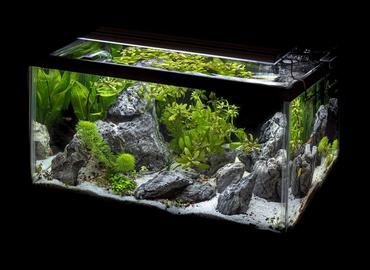
Crystal-clear glass is more than just a cosmetic preference—it’s an important part of maintaining a healthy aquarium environment. Algae and biofilm buildup can reduce light penetration, block your view of fish behavior, and indicate underlying nutrient issues in the tank.
Algae growth itself is normal and unavoidable in aquariums. In fact, a small amount of algae can even support a healthy ecosystem. However, when left unchecked, algae can quickly coat the glass and décor. According to the guide on controlling algae growth, excess nutrients, long lighting periods, and overfeeding are among the most common triggers for algae outbreaks.
Regular glass cleaning helps:
- Maintain clear viewing of fish and aquascaping
- Prevent thick algae layers from forming
- Improve light penetration for live plants and corals
- Identify health or behavior changes in fish earlier
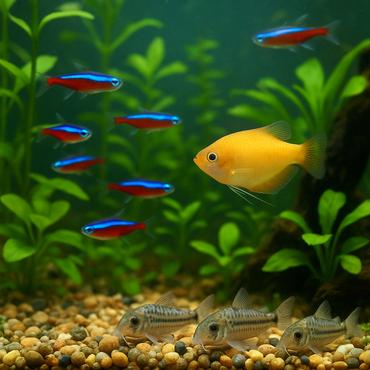
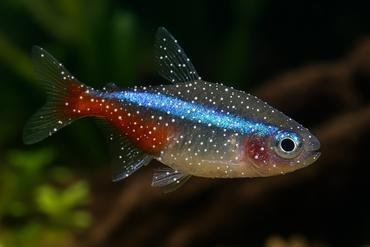
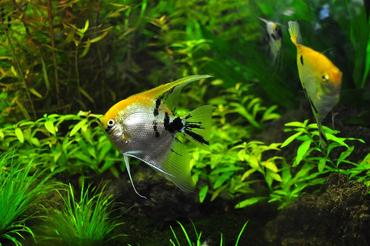
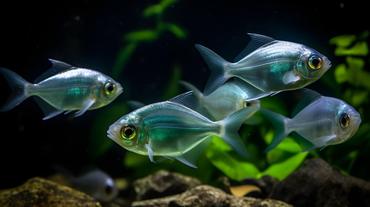
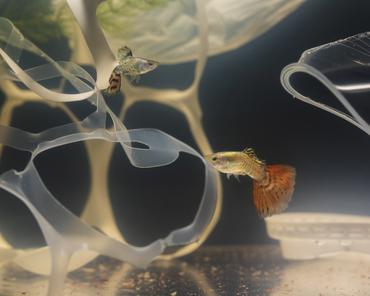
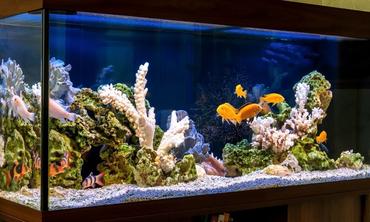
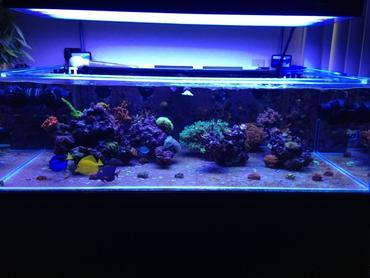
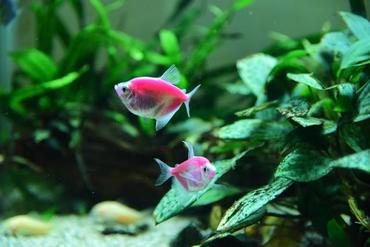
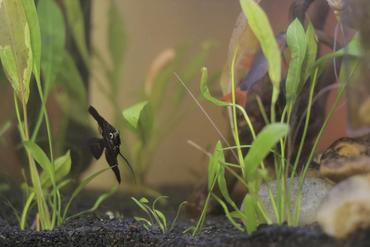
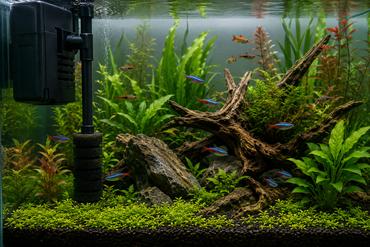
In freshwater tanks with fish like neon tetras, guppies, or angelfish, algae film can build up surprisingly fast. Saltwater aquariums, especially reef tanks, often experience coralline algae that sticks stubbornly to glass surfaces. This is where automated glass cleaners can save significant time and effort.
How Robotic Aquarium Glass Cleaners Work
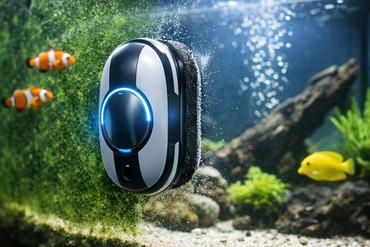
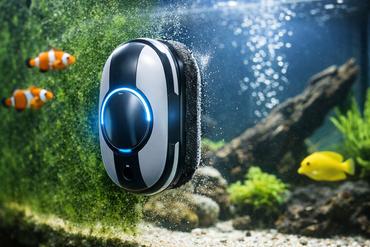
Robotic aquarium cleaners are designed to move across glass panels while scrubbing away algae and debris. While designs vary between manufacturers, most systems rely on either magnetic coupling or internal motors to move the cleaning pad.
In general, these devices consist of two components: a motorized cleaning unit inside the aquarium and a control unit outside the glass. Strong magnets or suction systems keep the device attached to the wall while it travels across the surface.
Modern models often include features like:
- Programmable cleaning paths or automated navigation
- Replaceable cleaning pads or brushes
- Safety tethers to prevent falling
- Compatibility with both freshwater and saltwater tanks
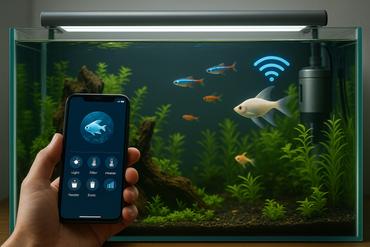
- Remote or smartphone control
Many hobbyists compare them to robotic pool cleaners or robotic window washers. Once placed in the tank, the unit moves across the glass, gently scrubbing algae without disturbing fish or plants.
While these devices can significantly reduce manual cleaning, they should be viewed as part of a broader maintenance routine. As discussed in the fish tank maintenance and cleaning guide, consistent water changes and filtration management remain the foundation of a healthy aquarium system.
Popular Robotic Glass Cleaners for Aquariums
The aquarium equipment market has expanded quickly in recent years, and several brands now offer automated glass-cleaning solutions. While not every model is designed specifically for aquariums—some originate from window-cleaning technology—several have become popular among hobbyists.
Here are some commonly discussed robotic cleaning options:
- Magnetic robotic cleaners: These use powerful magnets to move a cleaning pad inside the tank while the motor unit stays outside.
- Fully submersible robotic cleaners: Designed to operate entirely underwater with sealed motors and rechargeable batteries.
- Programmable smart cleaners: Higher-end units that map the glass and follow automated cleaning routes.
Beginner hobbyists with tanks between 20 and 75 gallons often find that magnetic robotic cleaners offer the best balance of cost and convenience. Larger aquariums—especially reef systems with large glass panels—benefit more from programmable robotic cleaners that can cover wide surfaces efficiently.
One important note: robotic cleaners are most effective on film algae and light buildup. Thick algae patches, coralline algae in reef tanks, or mineral deposits may still require occasional manual scraping.
Compatibility with Tank Size, Fish, and Aquascaping
Before adding any robotic cleaner to your aquarium, it’s important to consider compatibility with your tank layout and livestock. While these devices are generally safe, certain tank conditions can affect their performance.
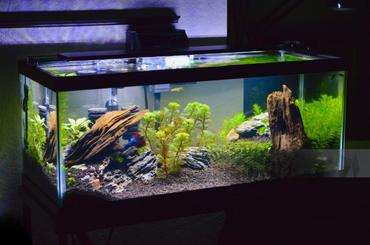
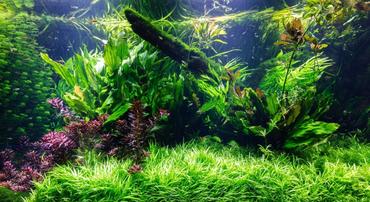
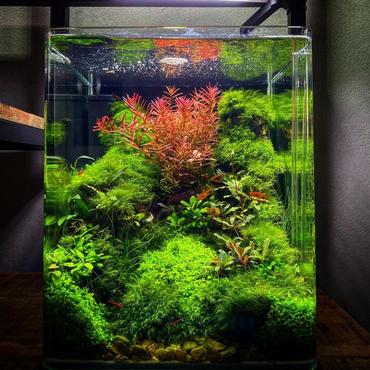
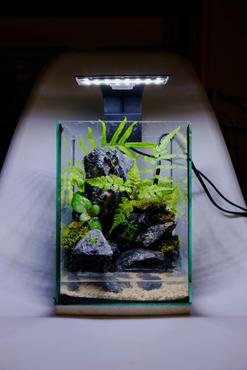
For example, heavily aquascaped tanks with large rocks, driftwood, or coral structures may limit the cleaner’s movement. Nano tanks under 10 gallons may also be too small for some devices to navigate effectively.
Fish behavior is another factor. Most species quickly ignore robotic cleaners after a short adjustment period, but shy fish may initially react to the moving object.
Species that typically adapt well include:
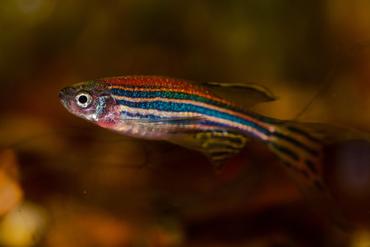
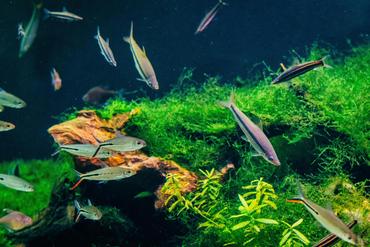
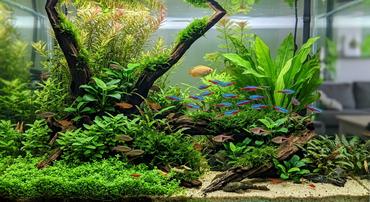
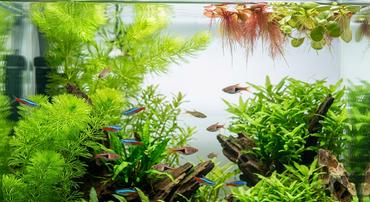
- Community fish like tetras, rasboras, and guppies
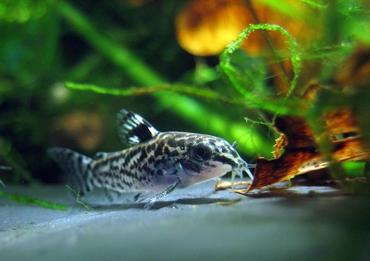
- Bottom dwellers such as Corydoras catfish
- Peaceful algae eaters like Otocinclus
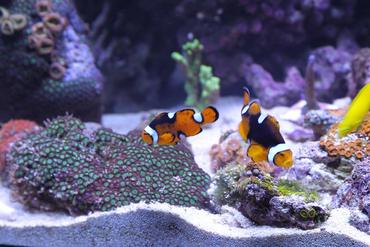
- Small reef fish like clownfish and gobies
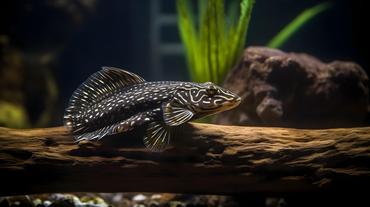
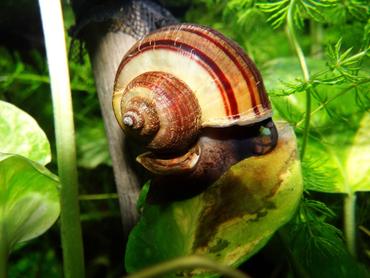
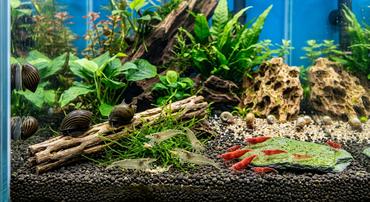
Some algae-eating species may even follow the cleaner as it moves across the glass. Fish such as bristlenose plecos or nerite snails naturally graze on algae and can complement robotic cleaning. The article on algae eaters for freshwater tanks highlights how species like Otocinclus and bristlenose plecos help maintain surfaces naturally.
Combining biological cleaners with robotic tools often produces the best results.
Common Beginner Mistakes with Automated Cleaners
Like any piece of aquarium equipment, robotic cleaners work best when used correctly. Beginners sometimes assume these devices completely replace routine tank care, which can lead to problems.
Here are several mistakes to avoid:
- Using the cleaner in tanks with loose gravel near the glass, which can scratch surfaces
- Allowing algae buildup to become too thick before running the device
- Ignoring underlying algae causes like excess lighting or overfeeding
- Choosing a unit too large or too powerful for the tank size
Another common mistake is expecting robotic cleaners to eliminate algae entirely. Algae is a natural part of aquatic ecosystems, and even well-maintained tanks will develop small amounts over time. In fact, certain species rely on algae as a food source.
Understanding the causes of algae growth—and managing lighting, nutrients, and stocking—will dramatically improve the performance of any automated cleaning system.
Maintenance and Long-Term Care for Robotic Cleaners
While robotic cleaners reduce manual labor, they still require occasional maintenance to operate effectively. Cleaning pads wear out over time and may need replacement depending on how frequently the device is used.
Most manufacturers recommend rinsing the cleaning pads and removing trapped debris after each use. This prevents grit from scratching the glass and ensures consistent cleaning performance.
Other maintenance tips include:
- Inspecting magnets and moving parts regularly
- Charging battery-powered units fully before each cleaning cycle
- Removing the device during feeding or heavy aquascaping work
Saltwater aquariums require extra attention because salt buildup can affect seals and motors. After each use in a marine tank, it’s a good idea to rinse external components with freshwater to prevent corrosion.
When properly maintained, many robotic cleaners can last for several years and significantly reduce the effort required to keep aquarium glass spotless.
Final Takeaway: Are Robotic Glass Cleaners Worth It?
Automated glass cleaners represent one of the more exciting innovations in aquarium maintenance. For busy hobbyists or those managing larger tanks, these devices can dramatically reduce the time spent scraping algae from glass panels.
That said, they work best as part of a complete aquarium care routine rather than a replacement for good maintenance habits. Regular water changes, balanced feeding, proper filtration, and algae-eating livestock all play essential roles in keeping your aquarium healthy.
If you’re looking for ways to simplify your maintenance routine while keeping your aquarium crystal clear, a robotic glass cleaner may be a worthwhile upgrade. Combine it with smart tank management and natural cleanup crews, and you’ll spend less time scrubbing and more time enjoying the beauty of your underwater ecosystem.
For more aquarium maintenance tips and equipment advice, explore additional guides on RateMyFishTank.com and continue refining your skills as a confident aquarist.
MOST RECENT ARTICLES