CHOOSING A FRESHWATER AQUARIUM SUBSTRATE

The Big Three: Aquarium Gravel, Sand, and Specialized Soils
Freshwater substrates generally fall into three distinct categories, each offering its own unique set of advantages, challenges, and structural properties. Understanding these core materials is the first step toward tailoring your tank environment to match your target fish and plant species.
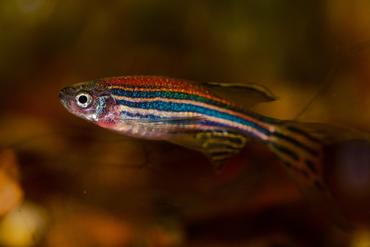
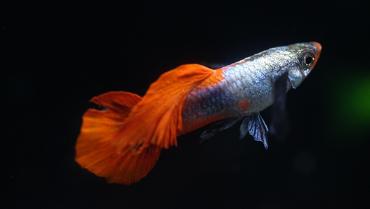
Standard aquarium gravel remains the most traditional and widely used choice for beginner hobbyists. Typically measuring between two to five millimeters in diameter, high-quality gravel is inert, meaning it will not alter your water chemistry or alter your pH levels over time. Because the individual stones are relatively large, gravel creates a highly porous bed that allows water to flow freely through it. This continuous water movement delivers vital dissolved oxygen to the root zones of hardy plants and prevents toxic anaerobic zones from forming. It is an excellent match for classic beginner community fish like Neon Tetras, Fancy Guppies, Harlequin Rasboras, and Zebra Danios. However, its porous nature is a double-edged sword; fish waste, uneaten food flakes, and dead plant matter easily slip down into the massive gaps between the pebbles, requiring regular vacuuming to prevent dangerous ammonia spikes.
Aquarium sand has surged in popularity among intermediate hobbyists who want a more natural, riverbed aesthetic. Fine sand grains pack together closely under the weight of the water, creating a dense barrier that prevents organic waste from sinking below the surface. Instead of vacuuming deeply into the bed, you simply wave your siphon tube just above the sand to sweep away accumulated debris. Sand is the absolute gold standard for sensitive bottom-dwellers, but it requires a bit of foresight. Over time, the tightly packed grains can form anaerobic pockets—oxygen-depleted zones where toxic hydrogen sulfide gas can slowly build up. If you choose sand, you must either manually stir the bed during your weekly maintenance or introduce specific tunneling species to do the heavy lifting for you.
Specialized active soils are engineered specifically for dedicated planted tanks, often referred to as high-tech or low-tech aquascapes. Unlike gravel and sand, active soils are packed with vital nutrients like iron, potassium, and magnesium, and they possess a high Cation Exchange Capacity (CEC). This means they can actively absorb excess nutrients from the water column and store them safely within the substrate for plant roots to feed on over time. Active soils are soft and clay-based, which makes it incredibly easy for delicate root systems to spread out and carpet. The major caveat here is that active soils naturally lower your water hardness and buffer your pH down into the acidic range (often between 6.0 and 6.8). While this is perfect for soft-water Amazonian fish, it can be disastrous if you are trying to keep species that thrive in hard, alkaline water.
Matching Substrate to Your Fish and Plant Species
One of the most common mistakes a beginner can make is selecting a substrate based purely on visual appearance without checking if it matches the biological behaviors of their intended livestock. Your fish will interact with the bottom layer of the tank every single day, and picking an incompatible material can cause chronic stress or severe physical harm.
If you plan to keep popular bottom-dwelling scavengers like Corydoras catfish, Kuhli loaches, or various species of freshwater ornamental shrimp, sand is non-negotiable. Corydoras catfish possess delicate sensory whiskers called barbels, which they use to root around frantically in the substrate looking for food bits. If they are forced to dig through sharp, artificial gravel, their barbels will quickly wear down or suffer small cuts. These micro-wounds easily become infected by opportunistic aquarium bacteria, leading to a painful condition known as barbel erosion that can turn fatal. Kuhli loaches like to completely bury themselves in the substrate when they feel startled; forcing them to burrow into heavy gravel can scrape away their protective slime coat and lead to body ulcers.
Conversely, if your primary goal is to grow a lush, green underwater garden featuring heavy root-feeding plants like Amazon Swords, Cryptocoryne species, or dwarf hairgrass, an inert sand or gravel bed alone will leave your flora starved for nutrition. In these scenarios, an active aquarium soil is highly recommended. If you prefer the look of sand or gravel but still want to keep root-heavy plants, you will need to manually insert commercial fertilizer root tabs directly into the substrate every few months to keep your plants from turning yellow and dying. For more detailed insights on balancing your plants, fish, and filtration systems, check out the specialized resources in our introduction to planted aquariums guide.
Water Chemistry and the Perils of Changing pH
Intermediate hobbyists must understand that substrate choice can actively rewrite their water chemistry profile. This is where many keepers accidentally trigger unexplained livestock losses because they did not realize their beautiful new substrate was actively leaching minerals into the water column.
Inert substrates like standard quartz gravel, natural river sand, and specialized kiln-fired ceramic clays will not change your water parameters. What goes in is what stays out. However, many decorative substrates sold in pet stores—such as crushed coral, aragonite sand, dolomite, and certain types of marine shells—are rich in calcium carbonate. As these materials slowly dissolve in your freshwater setup, they will steadily raise your water hardness (GH and KH) and push your pH well above 8.0.
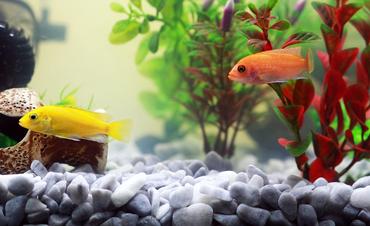
This mineral leaching is fantastic if you are designing a specialized biotope for African Cichlids from Lake Malawi or Lake Tanganyika, or if you are keeping livebearers like Mollies, Swordtails, and Platies that require hard water to thrive. But if you mix crushed coral with soft-water species like Discus, Angelfish, or Cardinal Tetras, the high mineral content and alkaline pH will induce severe, chronic osmotic stress, suppressing their immune systems and leaving them highly vulnerable to parasitic infections like Ich.
To ensure your water parameters remain steady and perfectly tailored to your species, keep the following baseline material properties in mind:
- Always test unknown or collected rocks and gravel with a few drops of white vinegar; if the material fizzes, it contains calcium carbonate and will raise your tank pH.
- Use active volcanic ash or clay soils if you want to naturally lower the pH for soft-water shrimp and tropical fish species.
- Avoid using beach sand or playground sand unless it has been thoroughly washed and certified free of coral fragments, salt residues, and industrial chemical contaminants.
Substrate Compatibility and Long-Term Care Considerations
Maintaining a healthy aquarium requires a long-term care strategy tailored specifically to the physical properties of the bed material you choose. Mixing incompatible species or neglecting substrate-specific maintenance can ruin your tank balance over time.
A classic intermediate mistake is trying to mix heavy digging fish with specialized active soils or precision aquascaping layouts. Large cichlids, such as Oscar fish, Jack Dempseys, or Convict Cichlids, possess an innate drive to rearrange their environment. They will constantly scoop up substrate in their mouths and spit it out across the tank to build breeding pits or mark territories. If you place these industrious diggers in a tank with lightweight active soil or layered substrates, they will kick up a massive, muddy cloud of dust that will choke out your mechanical filter pads, turn your water dark brown, and uproot every plant in the aquarium. For large diggers, a simple, heavy natural river gravel or deep sand bed is the only practical approach.
When it comes to cleaning routines, your technique must shift depending on your choice of material. For gravel beds, you should use a standard gravel vacuum during your bi-weekly water changes, pushing the tube all the way down to the glass bottom to pull up the trapped fish waste. If you leave this waste to rot indefinitely, it will fuel massive algae outbreaks and drive up your nitrate levels. To see how to manage your filter during substrate cleaning, check out our guide on tips for cleaning and maintaining your tank filter without destroying beneficial biological bacteria colonies.
For fine sand beds, deep vacuuming is a mistake because the siphon will easily suck the sand right out of the aquarium and down your drain. Instead, keep your siphon nozzle positioned roughly one inch above the surface of the sand, moving it in a gentle swirling motion to lift the light fish waste into the current without disturbing the heavy sand grains below. To combat the threat of dangerous anaerobic dead zones in sand, consider adding helpful utility tankmates like Malaysian Trumpet Snails. These small, nocturnal snails spend their daytime hours burrowing through the sand bed, naturally aerating the grain structures and consuming buried organic matter without damaging your plant roots.
Common Beginner Mistakes to Avoid
When selecting and installing your very first substrate bed, avoiding a few common pitfalls can save you hours of frustration and safeguard your budget.
The single biggest mistake beginners make is failing to rinse their new substrate thoroughly before dumping it into the aquarium. Even high-grade branded gravel and sand accumulate a massive amount of fine dust and powder during manufacturing and shipping transit. If you skip the rinsing process, your tank will turn into an opaque, milky mess the moment you pour in the water. This dust can take several days or even weeks to settle, and the fine particulate matter can easily score the internal impellers of your aquarium pumps, causing permanent mechanical damage and loud operational noise. To avoid this, wash your substrate in small batches using a five-gallon bucket in your shower or yard, rinsing until the wastewater runs completely clear.
Another prevalent error is creating an improper depth profile. Beginners often distribute their substrate in a perfectly flat, thin layer across the entire bottom of the tank. For optimal plant health and enhanced visual depth, you should aim for a substrate bed that is roughly two to three inches deep, sloped gently from a shallower depth at the front glass to a higher elevation at the back of the tank. This creates a striking sense of perspective and ensures that large, heavy-rooting background plants have plenty of vertical room to anchor themselves firmly against buoyant water currents. If you want to dive deeper into selecting specialized cleanup crews to keep your substrate pristine, you can review our breakdown on choosing the right algae-eater by the type of algae in your tank.
Summary of Key Substrate Profiles
To help you quickly visualize how these options stack up against one another, review this comparison of the three primary freshwater substrate paths:
| Substrate Type | Ideal Fish Species | Plant Suitability | Primary Maintenance Step |
|---|---|---|---|
| Standard Gravel | Tetras, Danios, Guppies, Platies | Low to Moderate (Requires root tabs) | Deep siphon vacuuming into the debris gaps |
| Fine Sand | Corydoras, Loaches, Geophagus Cichlids | Moderate (Great for shallow runners) | Surface skimming and regular manual stirring |
| Active Aquarium Soil | Discus, Angelfish, Caridina Shrimp | High (Excellent built-in nutrition) | Gentle surface debris removal; avoid deep disturbance |
Choosing Your Path Forward
Selecting the right freshwater aquarium substrate is a balancing act between the specific biological needs of your target fish, your long-term goals for live plant cultivation, and the amount of weekly maintenance you are willing to perform. By matching your bottom layer to the natural behaviors of your ecosystem's residents, you will prevent stress and disease while building a stunning visual display. Take your time to plan your tank dynamic before buying your materials, rinse your selection thoroughly to protect your filtration gear, and monitor your water chemistry closely during the initial cycling phase. For more step-by-step care guides, livestock profiles, and community tank inspiration, continue exploring our deep archive of resources here at RateMyFishTank.com.

MOST RECENT ARTICLES