TIPS FOR PROTECTING YOUR AQUARIUM AGAINST HIGH SUMMER TEMPERATURES

The Physics of Heat: Why Summer is Dangerous for Fish
To effectively combat high temperatures, we must first understand the biological and chemical changes occurring within the glass walls of the aquarium. The most critical factor is the relationship between temperature and dissolved oxygen ($O_2$). In the world of aquatic chemistry, as the temperature of water increases, its ability to hold gases decreases. This means that at the very moment your fish's metabolism is speeding up due to the heat—requiring them to consume more oxygen to maintain bodily functions—the available oxygen in the water is hitting record lows.
This "double whammy" is why you often see fish hanging near the surface or the filter output during a heatwave. They are literally suffocating in warm water. Furthermore, the beneficial bacteria living in your filter media, which are responsible for the nitrogen cycle, also see an increase in activity and oxygen consumption. If the oxygen levels drop too low, these bacteria can die off, leading to a secondary catastrophe: an ammonia spike. Beginners often mistake heat death for disease, but the root cause is frequently a collapse of the tank's life support capacity under thermal stress.
Common signs of heat stress include:
- Gasping at the surface (piping).
- Rapid, labored gill movements.
- Loss of appetite or refusal to eat even favorite foods.
- Lethargy, where fish sit on the bottom or hide in corners.
- Pale coloration or clamped fins.
Immediate Cooling Strategies for the Home Hobbyist
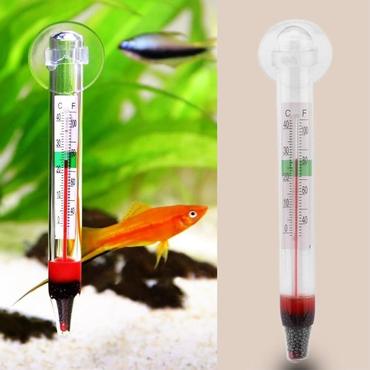
When you notice your thermometer climbing into the danger zone—typically anything above 82°F for standard tropical fish or 74°F for temperate species—you need to act. However, the most important rule in fishkeeping is that "nothing good happens fast." A sudden drop in temperature can be just as lethal as the heat itself, causing thermal shock that shuts down the fish's immune system. The goal should be a steady, controlled reduction of 1 or 2 degrees per hour until you reach the safety zone.
-
The first and easiest step is to turn off the aquarium lights. Modern high-intensity LED and T5 lighting systems generate significant heat. Even if the lights themselves don't feel hot to your touch, the radiant energy they emit can raise water temperature by several degrees over an eight-hour photoperiod. During a heatwave, it is perfectly fine to leave the lights off for several days. Your plants will survive a short period of darkness, and your fish will appreciate the lower stress levels.
-
Secondly, utilize the power of evaporation. By removing the aquarium hood or glass lids and positioning a standard electric desk fan so that it blows across the surface of the water, you can achieve "evaporative cooling." As the driest air hits the water surface, it facilitates the transition of water from liquid to gas, a process that consumes heat energy from the remaining water. This simple trick can lower a tank's temperature by as much as 5 to 7 degrees. Be aware that this will significantly increase your evaporation rate, so keep plenty of dechlorinated "top-off" water ready to replace what is lost. For those seeking long-term stability, mastering proper aquarium maintenance is essential for managing these seasonal shifts.
Advanced Equipment: Chillers and Cooling Fans
If you live in an area where summer temperatures consistently exceed 90°F, or if you maintain a high-end reef tank with delicate corals, manual intervention may not be enough. In these cases, investing in specialized cooling hardware is the only way to ensure the long-term survival of your livestock. These tools range from affordable DIY-style fans to complex refrigeration units.
Aquarium chillers are the ultimate solution for temperature control. They work similarly to a mini-fridge or an air conditioner. Water is pumped out of the tank or sump, through a heat exchanger inside the chiller, and back into the aquarium. You set a target temperature on a digital thermostat, and the chiller maintains it precisely. While chillers are an expensive investment, they are virtually mandatory for specialized setups like Axolotl tanks or cold-water marine environments. When choosing a chiller, always "oversize" your unit slightly. A chiller that is too small will run constantly, generating its own heat in the room and spiking your electricity bill.
For a more budget-friendly approach, aquarium cooling fan units are available. These are sleek, multi-fan arrays that clip directly onto the rim of the tank. They are more aesthetically pleasing than a standard house fan and are often quieter. Some higher-end models can even be connected to a temperature controller, such as an Inkbird, which will automatically turn the fans on when the water hits a certain threshold and turn them off once the tank has cooled. This automation is a lifesaver for hobbyists who work long hours and cannot monitor the tank during the hottest part of the afternoon.
Oxygenation and Water Chemistry Management
As discussed, the primary killer in a hot tank is the lack of oxygen. Therefore, even if you cannot get the temperature down immediately, you can save your fish's lives by increasing the oxygen saturation. This is achieved through surface agitation. The more the surface of the water "breaks" and ripples, the more gas exchange occurs. This is why it is vital to understand the importance of water changes and equipment placement during the summer.
Consider the following methods to boost oxygen:
- Air Stones and Bubblers: Add an extra air pump with a large air stone. While the bubbles themselves don't add much oxygen as they rise, the turbulence they create when they pop at the surface is highly effective.
- Powerhead Direction: If you have internal powerheads or wavemakers, aim them upward. You want the surface of the water to look like a rolling boil without splashing out of the tank.
- Filter Adjustments: If you use a Hang-On-Back (HOB) filter, lower the water level in the tank by an inch. This forces the returning water to "splash" into the tank, carrying more air with it.
Furthermore, keep a close eye on your water chemistry. High temperatures accelerate the decay of uneaten food and fish waste. Ammonia ($NH_3$) becomes significantly more toxic at higher temperatures and higher pH levels. During a heatwave, it is a smart practice to reduce feeding to once every other day. Fish are cold-blooded, and while their metabolism is high, their digestive systems can struggle with heavy loads in extreme heat. Reducing the "bio-load" entering the tank will prevent a dangerous ammonia spike when the system is already stressed.
Species Compatibility and Thermal Limits
Successful summer management requires knowing the specific needs of your inhabitants. Not all tropical fish are created equal when it comes to heat tolerance. A community tank might contain species from very different geographical regions, each with its own "breaking point." For instance, a tank containing both German Blue Rams and Bronze Corydoras will face a conflict during a heatwave. The Rams originate from the warm Llanos of Venezuela and Colombia and can tolerate temperatures in the mid-80s quite well. However, the Corydoras are often from cooler, fast-moving streams and will begin to suffer as soon as the water hits 80°F.
Sensitive Species Spotlight:
- Axolotls: These Mexican salamanders are perhaps the most heat-sensitive pets in the hobby. They require temperatures between 60°F and 68°F. If their water hits 74°F, they can die within hours. For Axolotl owners, a chiller is not an "extra"—it is a necessity.
- Fancy Goldfish: Despite being labeled as "cold water" fish, Goldfish are quite hardy. However, because they are heavy waste producers and have high oxygen demands, they are often the first to die in an overheated, poorly aerated tank.
- Hillstream Loaches: These fish evolved to live in freezing, oxygen-saturated mountain rapids. They have specialized gills that do not function well in low-oxygen environments. They require extreme surface agitation and cooling during summer.
- Neocaridina Shrimp: While hardy, "Cherry Shrimp" can suffer from molting issues if the temperature fluctuates too rapidly in the summer. High heat can trigger a premature molt, leading to the "White Ring of Death" where the shrimp fails to exit its old shell.
When stocking your tank, always research the "natural range" of your fish. If you live in a tropical climate without air conditioning, you should avoid temperate species and stick to true tropicals like Discus, Bettas, and certain Gouramis that have evolved to handle seasonal heat. Conversely, if you prefer the "cool water" aesthetic, you must be prepared with the infrastructure to keep them chilled.
Proactive Room Management and Insulation
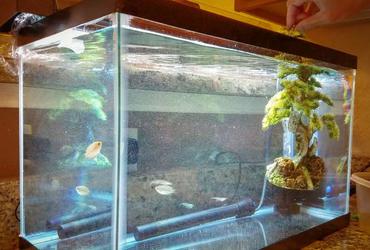
Sometimes the best way to keep a tank cool is to manage the room it sits in. The location of your aquarium plays a massive role in its thermal stability. A common beginner mistake is placing a tank directly across from a south-facing window. Even with the blinds closed, the ambient radiant heat can turn a 20-gallon tank into a slow cooker. If you cannot move the tank, consider applying a 3D background or a simple piece of foam insulation board to the back and sides of the aquarium to reflect heat away.
Another overlooked factor is the "heat trap" created by aquarium cabinets. Many modern stands are enclosed to hide filters and CO2 canisters. These areas can become incredibly hot due to the heat generated by filter motors and UV sterilizers. During the summer, leave the cabinet doors open or install a small computer fan in the back of the stand to vent the hot air. This prevents the heat from radiating upward through the bottom of the glass tank.
In emergency situations where the house air conditioning has failed, you can use "ice bottles." Take a clean plastic soda bottle, fill it 80% with water, and freeze it. Once frozen, float the bottle in your tank or sump. This provides a slow, localized cooling effect. Never dump loose ice cubes into the tank, as they may contain chlorine (if made from tap water) and can cause a "cold shock" if a fish swims too close to the melting ice. Floating a bottle allows for a barrier between the ice and the aquarium inhabitants, providing a more gradual transition.
The Impact of High Heat on Aquatic Plants
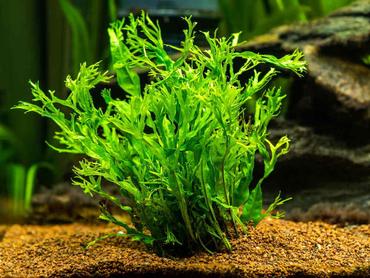
While we often focus on the fish, your aquascape is also at risk. Most aquatic plants, such as Anubias, Java Fern, and various Cryptocorynes, prefer temperatures between 72°F and 78°F. When the water stays above 82°F for extended periods, many plants will begin to "melt." This is a survival mechanism where the plant sheds its leaves to preserve energy in its rhizome or root system. However, this melting process releases a massive amount of decaying organic matter into the water, which further depletes oxygen and spikes ammonia.
To protect your plants during the summer:
- Reduce Fertilization: Plants slow down their growth in extreme heat. Excess nutrients in the water column will not be absorbed by the plants and will instead trigger a massive algae bloom, specifically hair algae or blue-green algae (cyanobacteria), which thrives in warm, stagnant water.
- Increase CO2 (Carefully): If you run a pressurized CO2 system, you may be tempted to turn it up to help the plants. Be extremely careful; remember that the water's gas-holding capacity is lower. Too much CO2 in warm water can easily suffocate your fish.
- Trim Early: If you see leaves beginning to yellow or soften, trim them immediately. Don't let them rot in the tank.
Conclusion: Stay Vigilant for a Stress-Free Summer
Protecting your aquarium against the sweltering summer heat is a multi-front battle involving temperature control, oxygenation, and waste management. By implementing evaporative cooling with fans, reducing lighting periods, and maintaining high levels of surface agitation, you can navigate even the most intense heatwaves without losing your precious aquatic life. Remember that the key to success is observation—spend a few extra minutes each day checking your thermometer and watching your fish's behavior. A proactive approach is always better than a reactive one.
Ready to Take Your Tank to the Next Level?
The transition between seasons is the perfect time to audit your aquarium setup and ensure your equipment is up to the task. Whether you are looking for the best chiller for a reef tank or simply want to learn more about hardy species that can handle the heat, we have the resources you need. Continue your journey by reading our deep dives into species compatibility and advanced filtration techniques. Stay cool, keep your water moving, and enjoy the vibrant beauty of your aquarium all summer long. For more expert advice, visit our comprehensive aquarium blog and join the conversation with fellow hobbyists!


MOST RECENT ARTICLES