EVERYTHING YOU NEED TO KNOW ABOUT NERITE SNAILS

What Are Nerite Snails?
Nerite snails are a group of freshwater and brackish water snails from the family Neritidae. They are known for their striking shells, algae-scraping radula (a tongue-like feeding organ), and generally peaceful temperament. Unlike many snail species that can reproduce rapidly and become pests, most nerite snails require brackish water for breeding, meaning they won’t overrun your freshwater aquarium — a major perk for hobbyists looking for automatic tank cleaners without a population explosion.
Nerite snails come from various habitats around the world, including rivers, estuaries, and coastal regions. Their adaptability to a range of water conditions makes them ideal for both freshwater and brackish aquariums, although saltwater nerites exist as well.
Most hobbyists encounter nerite snails because of their ability to reduce algae buildup on glass, rocks, and decorations. Their vibrant shell patterns — from zebra stripes to tiger-like swirls — make them popular additions for aquascapes and reef tanks alike.
Popular Nerite Snail Species and Varieties
There are several nerite snail species available to hobbyists, each with distinct shell patterns and slight differences in care. Here are some of the most common ones you’ll see at local fish stores or online:
- Zebra Nerite Snail (Neritina natalensis) – Recognizable by its black-and-white striped shell. Great for freshwater tanks with moderate algae.
- Tiger Nerite Snail (Vitta tigrina) – Similar to zebra nerites but with tan and brown-striped patterns.
- Olive Nerite (Vitta usnea) – A muted, olive-colored shell that blends well in more natural aquascapes.
- Mosaic Nerite Snail (Neripteron spp.) – Named for its intricate, multicolored shell patterns, perfect for planted tanks or nano setups.
- Horned Nerite (Nerita spp.) – Known for its small protrusions (“horns”) on the shell; popular in both freshwater and brackish setups.
Many hobbyists refer to shell variations like “zebra,” “tiger,” or “olive” more often than the scientific names, but each type generally shares similar care requirements.
How to Choose Nerite Snails for Your Aquarium
Before you stock your tank with nerites, there are important factors to consider. Thoughtful selection ensures your snails thrive and don’t negatively impact other tank inhabitants.
Tank Size and Setup
Nerite snails are adaptable but they need adequate space and stable water parameters. Most nerites do well in tanks as small as 5 gallons, but larger aquariums provide more grazing area and stability. Nano tanks under 5 gallons can work, but water parameters can fluctuate rapidly, so careful monitoring is essential.
Freshwater vs. Brackish Needs
While many nerite species tolerate freshwater, some are brackish-water natives and appreciate a slight salt presence. If you plan to breed nerite snails (more on that later), brackish conditions are often required. For general algae cleanup, however, freshwater nerites are ideal for community tanks.
Compatibility With Other Inhabitants
Nerite snails are gentle and peaceful, but they aren’t invincible. Consider these points when selecting tankmates:
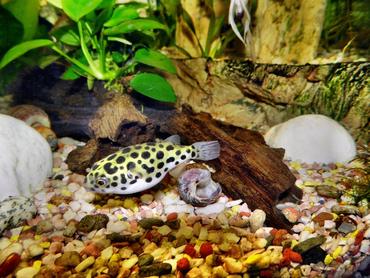
- Avoid fish known for snail predation, like larger loaches (e.g., clown loaches) or puffers.
- Passive community fish like tetras, gouramis, and rasboras coexist well with nerites.
- Pairing with other cleanup crew members like Amano shrimp or otocinclus catfish can enhance algae control.
For advice on compatible species and stocking levels, check out our guides on best community fish for freshwater aquariums and effective cleanup crews for planted tanks.
Setting Up the Perfect Environment for Nerite Snails
Creating a comfortable home for nerite snails means paying attention to water chemistry, substrate, and tank decor. Here’s how to provide conditions they’ll thrive in:
Water Parameters
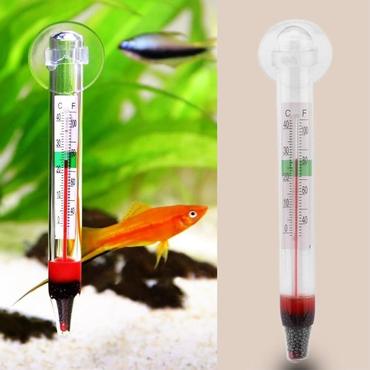
- Temperature: 72–78°F (22–26°C) is ideal for most nerite species.
- pH: 7.0–8.0 — slightly alkaline water mimics their natural habitats.
- Hardness: Moderate to hard water supports stronger shells and overall health.
- Ammonia/Nitrite: Should always be zero; nerite snails are sensitive to spikes.
Regular water testing ensures stability. Sudden swings in pH or temperature can stress snails and make them prone to shell damage or disease.
Substrate and Décor
Nerite snails spend much of their time grazing on algae-covered surfaces. Providing smooth rocks, driftwood, and aquarium-safe décor gives them ample grazing spots. A bare-bottom tank may limit algae presence, so consider adding some hard surfaces even in heavily planted tanks.
Fine gravel or sand substrate is fine for nerites. They don’t burrow deeply, so the substrate is more about aesthetics and plant anchoring than snail survival.
Lighting and Algae Growth
Ironically, while algae is often seen as a problem, nerites need some algae to graze on! Too much lighting can create nuisance algae blooms that outpace your snails’ grazing ability, but too little can leave them with nothing to eat. Aim for balanced lighting based on your plant needs, and supplement with algae wafers if natural algae is scarce.
Feeding Nerite Snails: A Practical Guide
Nerite snails are excellent grazers, but they don’t rely exclusively on natural algae in every tank. Offering supplemental food ensures they get the nutrition they need, especially in well-maintained aquariums where algae levels are low.
Natural Algae Grazing
In tanks with some algae buildup on glass, rocks, and filters, nerites will spend much of their time scraping these surfaces. This is their primary food source in many community setups.
Supplemental Foods
- Algae wafers designed for snails and shrimp
- Blanched vegetables such as zucchini, spinach, and cucumber (remove uneaten portions within a day)
- Calcium-rich foods to support shell health
Be cautious with overfeeding. Excess food decomposes and degrades water quality, which can stress snails and other inhabitants.
Calcium and Shell Health
Shell quality is essential not just for appearance, but for nerite snail survival. Soft, pitted, or eroded shells can indicate low calcium levels or poor water chemistry. To support healthy shell development:
- Use crushed coral or a calcium additive in the filter if water hardness is low
- Avoid soft, acidic water environments without proper buffering
- Include foods high in calcium
If you notice shell deterioration, test water parameters immediately and adjust buffering or hardness as needed.
Compatibility and Care Considerations
Nerite snails are peaceful and beneficial in many aquarium setups, but they’re not a maintenance-free solution. Understanding how they interact with fish, plants, and other tank inhabitants helps you avoid common pitfalls.
Fish and Invertebrate Tankmates
Compatible companions include:
- Small tetras (e.g., neon tetras, ember tetras)
- Corydoras catfish — great bottom dwellers that don’t bother snails
- Amano shrimp and cherry shrimp — peaceful grazers
- Otocinclus catfish — excellent algae eaters that complement nerites
Avoid placing nerite snails with aggressive snail predators such as:
- Clown loaches and other larger loaches
- Pufferfish and some cichlids
- Certain crabs and crayfish
Even fish that are generally peaceful may harass snails during feeding; observe initial introductions closely and provide hiding spaces to reduce stress.
Plant Compatibility
Nerite snails are reef-safe and plant-safe. They won’t eat live plants, so they’re often chosen for planted aquariums. However, in tanks with delicate mosses or slow-growing plants, be aware that vigorous grazing on algae might inadvertently disrupt plant surfaces. Regular pruning and balanced lighting help ensure plants and snails coexist harmoniously.
Common Health Issues and Troubleshooting
Nerite snails are hardy, but they can experience issues if conditions are poor:
- Shell erosion or pitting: Often caused by low calcium, acidic pH, or poor water quality.
- Lethargy: Can result from sudden parameter changes or inadequate food sources.
- White or chalky buildup: A harmless calcium deposit that can be wiped off if desired.
- Death shortly after introduction: Often due to “new tank syndrome” or incompatible water chemistry.
Testing water, acclimating snails slowly during introductions, and providing supplemental foods dramatically reduce risks of health problems.
Breeding Nerite Snails: What You Should Know
One of the most intriguing aspects of nerite snails is that, unlike many aquarium snails, they don’t typically breed successfully in freshwater. While females can lay eggs in freshwater tanks, these eggs usually require brackish water to hatch. This means you won’t end up with hundreds of unwanted babies in your community tank — a big advantage for many hobbyists.
Understanding the Reproductive Cycle
Nerite snails deposit small, round egg capsules on hard surfaces. These can be easily spotted as tiny beads stuck to glass, rocks, or décor. Even if you see eggs, don’t expect them to hatch in a freshwater tank.
To breed nerites successfully:
- Move egg-covered surfaces to a brackish grow-out tank with a specific gravity around 1.005–1.015
- Maintain stable salinity and clean water to support larval development
- Be prepared for a larval stage that requires specialized feeding before snail juveniles emerge
For most hobbyists focused on algae control and aesthetics, breeding isn’t necessary — and many prefer it that way.
Maintaining a Healthy Nerite Snail Population
Once you’ve introduced nerite snails to your aquarium, long-term success comes down to routine care and monitoring. Here’s how to keep your snail population thriving:
Regular Water Changes
Water changes dilute nitrates and other waste products that can accumulate, ensuring the environment stays clean and safe. Aim for weekly or biweekly changes of 20–30% of tank volume, depending on stocking levels and plant density.
Monitor Water Chemistry
Test ammonia, nitrite, nitrate, pH, and hardness regularly. A stable environment prevents stress-related illnesses and supports healthy shell growth.
Inspect Shells and Behavior
Healthy nerite snails are active grazers. If you notice inactivity, shell damage, or unusual spots on the shell, assess water parameters and dietary offerings promptly. Addressing issues early prevents bigger problems later.
Avoid Overcrowding
Even though nerites don’t reproduce rapidly in freshwater, adding too many at once can strain biological filtration and food resources. A common guideline is 1 snail per 5 gallons, adjusted based on algae levels and tank ecology.
Real-World Examples from the Hobby
To give you a practical sense of how nerite snails perform in different setups, here are a few hobbyist scenarios:
- Community Freshwater Tank: A 29-gallon planted aquarium with neon tetras, corydoras, and a trio of tiger nerite snails. After an initial week of adjusting, the snails kept glass and rocks virtually algae-free, complementing the plant-maintenance routine without startling any fish.
- Nano Planted Tank: In a 10-gallon setup with an olive nerite and Amano shrimp, gentle algae growth was controlled effectively. Careful monitoring prevented rapid water changes from stressing the snail.
- Brackish Mangrove Tank: Hobbyists aiming for breeding experimented with horned nerite eggs transferred to a brackish grow-out tank. While challenging, tracking salinity and nutrition yielded a small batch of juveniles.
These examples underscore that while nerites are versatile, success depends on matching your care approach to your aquarium’s unique conditions.
Common Beginner Mistakes and How to Avoid Them
Even though nerite snails are forgiving, beginners can still make missteps. Here’s how to sidestep common pitfalls:
- Adding too many snails: Start with a few and observe how your tank balances algae and nutrients.
- Neglecting calcium needs: If shells appear worn or soft, introduce calcium supplements or adjust water hardness.
- Rapid water changes: Always match temperature and pH when performing changes to avoid shock.
- Expecting instant results: Algae control takes time; don’t panic if nerites don’t clean everything in the first week.
With patience and consistent care, these snails become reliable and rewarding additions to your aquatic ecosystem.
Final Takeaway
Nerite snails are among the most beneficial and visually appealing invertebrates you can add to your aquarium. Whether you’re battling algae in a planted freshwater tank or exploring brackish setups, nerites bring both practicality and beauty to the hobby. By understanding their environmental needs, feeding habits, compatibility considerations, and common care challenges, you’ll be well-equipped to help these snails thrive. Remember to maintain stable water conditions, provide supplemental foods when needed, and monitor shell health regularly. For further guidance on compatible tankmates and cleanup crews, be sure to explore our articles on community fish suggestions and effective cleanup crews for planted tanks. Dive in with confidence — your nerite snails are ready to make your aquarium cleaner and more captivating than ever.


MOST RECENT ARTICLES