FISH TO AVOID FOR PLANTED FRESHWATER TANKS

The Voracious Plant Eaters: Herbivorous and Omnivorous Shredders
When selecting livestock for a planted aquascape, the most obvious culprits to avoid are fish whose natural diets rely heavily on plant matter. In the wild, these species forage on aquatic vegetation, macroalgae, and fallen leaves. When placed inside the enclosed boundaries of a home aquarium, their natural instinct leads them to systematically strip soft-leaved plants down to bare stems in a matter of days. Beginner aquarists often purchase these species when they are small juveniles, completely unaware of their adult dietary habits or rapid growth rates.
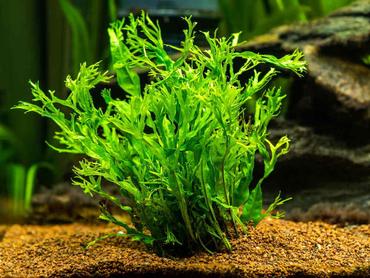
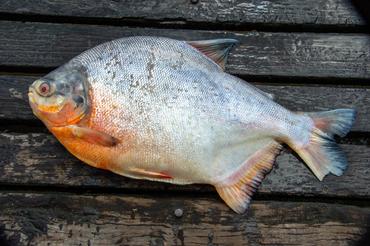
The most notorious plant eater in the freshwater hobby is the Silver Dollar (Metynnis argenteus and related species). Closely related to the piranha, Silver Dollars are peaceful, schooling fish that possess sharp teeth specifically adapted for cropping vegetation. A small school of Silver Dollars will devour delicate species like Cabomba, Anubias, Amazon Swords, and Java Fern with unbelievable speed. Even tough, leathery foliage that other fish usually ignore will eventually be chewed down to ragged nubs. If you want to keep Silver Dollars, you must either commit to fake silk plants or stick to extremely tough, fast-growing floating plants that can outpace their grazing habits.
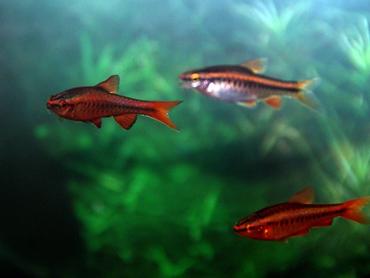
Another deceptive plant destroyer is the Buenos Aires Tetra (Hyphessobrycon anisitsi). Unlike many popular tetras—such as Neons, Cardinals, or Rummynoses—which are completely plant-safe micro-predators, the Buenos Aires Tetra has a voracious appetite for soft greenery. They are fast, active, and attractive schooling fish, making them a common impulse buy for hobbyists looking to stock a newly established tank. Unfortunately, once settled in, a small group will quickly target soft stem plants like Ludwigia, Rotala, and Myriophyllum. If you are aiming for a classic planted community, you are far better off reviewing our guide on introduction to planted aquariums and sticking to strictly plant-safe nano schooling species.
We must also discuss the common Goldfish (Carassius auratus). Goldfish are dedicated foragers that spend their entire waking lives sifting through substrate and nibbling on anything green. Their coldwater requirements, high bioload, and non-stop grazing make them fundamentally incompatible with standard high-tech or low-tech planted setups. While some aquarists successfully keep thick-leaved species like Anubias gigantea tied securely to driftwood in goldfish tanks, soft foreground carpeting plants or fine stem plants will be uprooted and eaten instantly.
The Underwater Excavators: Diggers and Substrate Disruptors
Even if a fish has zero interest in eating plant tissue, it can easily destroy a planted aquarium through relentless digging and substrate reshaping. Aquatic plants rely on intact root structures anchored firmly into nutrient-rich substrate to draw up minerals and stabilize themselves. When large or aggressive species continually move gravel and sand around, plants are repeatedly uprooted, leading to root damage, stunted growth, and eventual decay.
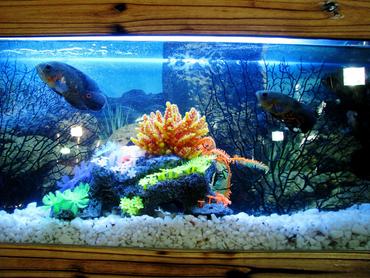
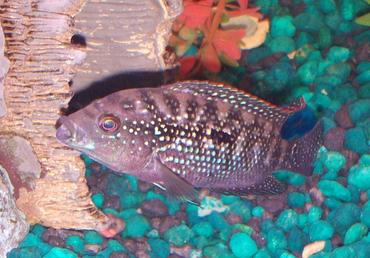
Large Central and South American cichlids are the undisputed heavyweights of tank redesign. Species like the Oscar (Astronotus ocellatus), Jack Dempsey (Rocio octofasciata), and Convict Cichlid (Amatitlania nigrofasciata) are notorious for moving vast quantities of substrate during territory defense and breeding rituals. An adult Oscar will actively grab plants in its mouth and rip them out of the gravel purely because they interfere with its preferred line of sight or resting spot. For these powerhouses, aquascaping is a personal challenge, and any plant standing in their way will be forcefully removed.
Similarly, African Cichlids from Lake Malawi and Lake Tanganyika—including popular Mbuna species—are ill-suited for planted aquariums. Mbuna are naturally adapted to scraping algae off rocky reefs and digging extensive pits beneath rock formations. In a planted environment, they combine constant substrate excavation with active plant grazing. The hard, alkaline water parameters required for Rift Valley cichlids (pH 7.8–8.6, high general hardness) also exceed the ideal growth range for the vast majority of aquatic plant species, creating a double-whammy of environmental mismatch and physical damage.
It is not just large cichlids that cause digging issues. The Geophagus genus, affectionately known as "Eartheaters," uses a specialized feeding technique: taking mouthfuls of substrate, sifting out micro-organisms, and expelling the cleaned sand through their gills. While Geophagus species are generally peaceful community members, their continuous sifting destabilizes carpets of Dwarf Hairgrass, Monte Carlo, and delicate foreground plants. If you want to maintain a pristine aquascape, keeping heavy sifters out of your primary planted display is a wise move.
Heavyweight Tank Mates: Large Catfish and Destructive Bottom Dwellers
Bottom-dwelling fish are essential for a balanced aquarium, helping to clean up leftover food and adding activity to the lower strata of the water column. However, as certain catfish and loach species grow, their sheer physical size, weight, and clumsy movements can turn them into natural bulldozers inside a planted aquarium.
The Common Pleco (Hypostomus plecostomus) is perhaps the single biggest trap for beginner hobbyists. Sold in fish stores at a cute, manageable two inches in length, these fish can easily reach 15 to 24 inches in adult size. As juveniles, Common Plecos consume some soft algae, but as they mature, their dietary needs shift, and their powerful sucker mouths can tear right through broad leaves, leaving translucent, rasped patches. Furthermore, an adult Pleco swimming rapidly across a planted bed will act like a log rolling through a flower garden, uprooting freshly planted stems and knocking over hardscape elements.
Another popular species that poses hidden threats to planted tanks is the Clown Loach (Chromobotia macracanthus). Beloved for their striking orange-and-black stripes and active schooling behavior, Clown Loaches are frequently recommended as natural pest snail control. While they excel at hunting snails, adult Clown Loaches grow up to 12 inches long and develop a habit of punching small, neat holes in the leaves of aquatic plants. Their social, high-energy behavior involves darting wildly through the substrate, which inevitably uproots delicate stem plants and disturbs carpet beds.
Large predatory catfish, such as the Redtail Catfish (Phractocephalus hemioliopterus) and Tiger Shovelnose (Pseudoplatystoma fasciatum), should never be placed in standard home aquariums, let alone planted ones. Beyond outgrowing nearly all home displays, their massive body mass makes maintaining rooted plants completely impossible. If you are exploring low-maintenance flora alternatives, check out our guide on aquatic mosses for freshwater tanks to complement your scape safely.
Plant Compatibility and Care Considerations
Maintaining a successful planted tank requires finding harmony between the physical needs of your flora and the biological habits of your fauna. When evaluating whether a specific fish species belongs in your planted tank, you must consider several key compatibility and environmental factors rather than looking solely at temperament or water parameters.
First, consider the structural strength of the plants you intend to grow versus the physical power of the fish. Soft, delicate species—such as Cabomba caroliniana, Mayaca fluviatilis, and fine-leaved mosses—are extremely susceptible to damage from grazing or heavy physical contact. Conversely, heavy-textured epiphytes like Anubias nana, Microsorum pteropus (Java Fern), and Bucephalandra species feature thick, fibrous leaves that deter light nibbling and can be securely attached to hardscape above the substrate layer, making them far more resilient in tanks with mild substrate disturbers.
Second, payload and waste production play a critical role in planted tank health. Large, messy feeders like Goldfish, Oscars, and adult Plecos generate substantial amounts of organic waste. While living plants do absorb nitrates and phosphates as fertilizers, excessive biological loads overwhelm the ecosystem, causing organic matter to accumulate on leaf surfaces. This accumulation blocks light, chokes off gas exchange, and triggers severe outbreaks of black beard algae (BBA) and hair algae. Understanding the biological capacity of your filtration system and the basics of understanding the nitrogen cycle is crucial before adding heavy-waste species to any planted setup.
To summarize the primary reasons fish species fail in planted aquariums, keep the following behavioral profiles in mind when browsing your local fish store:
- Active Herbivores: Species that naturally consume plant tissue as a primary dietary component (e.g., Silver Dollars, Pacus, Buenos Aires Tetras).
- Substrate Excavators: Species that dig pits for breeding or territory defense, destabilizing plant roots (e.g., Central/South American Cichlids, African Rift Lake Cichlids).
- Heavy Sand Sifters: Species that continuously sift substrate during foraging, disturbing fragile carpeting plants (e.g., Geophagus species, large Gobies).
- High-Bioload Heavyweights: Species whose extreme waste output causes nutrient imbalances and severe algae growth on plant leaves (e.g., Goldfish, Common Plecos).
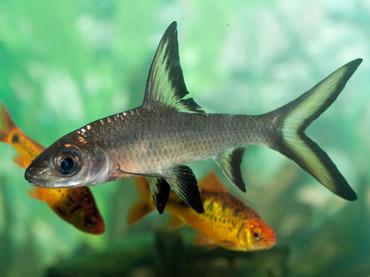
- Mechanical Bulldozers: Large-bodied, fast-swimming species that physically uproot foliage through movement alone (e.g., Adult Clown Loaches, Iridescent Sharks).
Alternative Fish Species for a Thriving Planted Aquascape
Now that you know which species to avoid, you might be wondering which fish will actually help your planted display flourish. The ideal planted tank inhabitants are small, peaceful, non-destructive, and either neutral or beneficial toward plant health. These species allow you to create a dynamic, balanced ecosystem where flora and fauna support each other naturally.
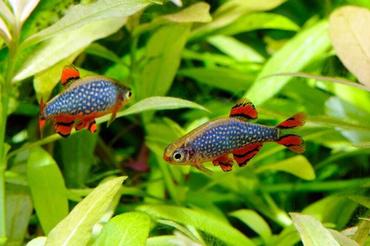
Small schooling characins and cyprinids make outstanding planted tank candidates. Species such as Neon Tetras, Cardinal Tetras, Harlequin Rasboras, Rummynose Tetras, and Ember Tetras add brilliant bursts of color while weaving through densely planted background stems without damaging a single leaf. Their small physical size means minimal physical impact, and their modest bioload is easily processed by a healthy plant mass.
For algae management and cleanup duty, skip the Common Pleco in favor of specialized, plant-safe invertebrates and dwarf fish. The Bristlenose Pleco (Ancistrus sp.) stays at a manageable 4 to 5 inches, rarely damages plant foliage, and actively grazes on nuisance green algae. Otocinclus Catfish (Otocinclus vestitus) are legendary micro-algae eaters that gently clean plant leaves without tearing delicate tissue. Combine these with Amano Shrimp (Caridina multidentata) or Neritina Snails, and you will have an efficient cleanup crew that keeps your aquascape spotless.
If you prefer larger focal-point fish for your aquascape, consider peaceful dwarf cichlids or gouramis. German Blue Rams (Mikrogeophagus ramirezi), Apistogramma species, Pearl Gouramis, and Angelfish bring impressive personality and striking colors without the destructive digging behaviors associated with their larger cichlid cousins. When kept in well-maintained parameters, these centerpiece fish thrive among live foliage and driftwood structures.
Key Takeaways and Final Recommendations
Building an enviable planted freshwater aquarium comes down to planning and picking compatible livestock. While it can be tempting to buy an eye-catching fish at the store, failing to research its adult size, diet, and digging habits often leads to ruined aquascapes, frustrated hobbyists, and stressed fish. By steering clear of known plant shredders like Silver Dollars, heavy excavators like Oscars and African Cichlids, and massive bulldozers like the Common Pleco, you set your underwater garden up for long-term stability and growth.
Always tailor your fish selection to match the visual style, substrate type, and plant choices of your specific setup. Focus on peaceful community nano fish, specialized dwarf algae eaters, and gentle centerpiece species that complement your aquascape rather than tear it down. Ready to take your aquarium journey to the next level? Explore our extensive library of guides at RateMyFishTank.com, join our community forums to showcase your tank setups, and drop a comment below sharing which fish species have worked best in your planted aquariums!

MOST RECENT ARTICLES