COMMON MYTHS ABOUT BETTAS


The Puddle Myth: Bettas Thrive in Small Bowls and Vases
Perhaps the most persistent and damaging myth in the entire aquarium hobby is that bettas naturally live in tiny, stagnant puddles left behind by animal footprints in their native Southeast Asia, and therefore prefer small bowls, cups, or decorative flower vases. This misconception is often used to justify housing these active fish in setups containing less than a single gallon of water. While it is true that bettas can survive in shallow water during the dry season, this is an evolutionary survival mechanism, not a preferred lifestyle. In the wild, their natural habitats are expansive rice paddies, slow-moving streams, marshes, and floodplains. While these waters may be shallow, they represent massive, continuous ecosystems with highly stable water chemistry and complex territories stretching over several square miles.
When kept in a small bowl or novelty vase, a betta is subjected to rapid and severe environmental fluctuations. Without a large volume of water to dilute metabolic waste, toxic compounds like ammonia and nitrite quickly reach lethal concentrations. This stress compromises the fish's immune system, making them highly susceptible to conditions like fin rot, ich, and dropsy. To prevent these preventable tragedies, intermediate and beginner hobbyists alike should treat a 5-gallon tank as the absolute bare minimum for a single male or female betta, with a 10-gallon tank being highly recommended. A larger volume of water provides a chemical buffer, ensuring that your parameters remain stable and giving your pet the physical space they need to swim, explore, and stretch their long, delicate fins. Understanding how to prepare your aquarium and get the tank ready is essential before establishing any tank of this size, as a fully biological setup is the only way to safely process the waste your fish produces.
The Climate and Filtration Illusion: No Heaters or Filters Required
Because bettas possess a specialized evolutionary adaptation known as the labyrinth organ, many believe they do not require standard aquarium equipment like filters or heaters. The labyrinth organ allows bettas to breathe atmospheric air directly from the water's surface, a trait that helps them survive in oxygen-depleted waters during extreme droughts. However, this does not mean they prefer to breathe dirty, unoxygenated water. A common mistake is assuming that because a betta can gasp for air at the surface, they are perfectly content in a stagnant, unfiltered enclosure. In reality, a high-quality, low-flow filter is essential for housing beneficial bacteria that neutralize waste. Because bettas are not strong swimmers due to their heavy, flowing fins, standard power filters can generate excessive currents that exhaust and stress the fish. To combat this, look for gentle filtration options such as adjustable hang-on-back filters or air-driven sponge filters, which provide excellent biological filtration without creating turbulent water currents.
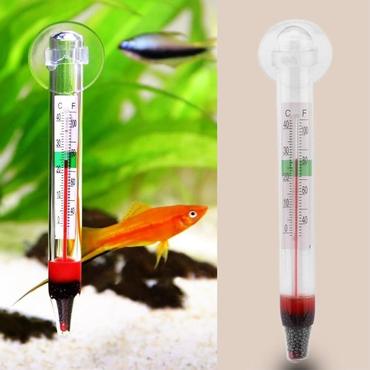
Water temperature is another critical factor that is frequently overlooked. Bettas are tropical fish native to the warm climates of Thailand, Cambodia, and Vietnam, where water temperatures consistently hover between 76 and 82 degrees Fahrenheit. Keeping a betta in an unheated bowl in a room adjusted to standard human comfort (typically 68 to 72 degrees Fahrenheit) will cause the water temperature to drop too low. When kept in cold water, a betta’s metabolism slows down dramatically. They become lethargic, lose their vibrant colors, stop eating, and their immune system weakens, leaving them defenseless against pathogens. A reliable, submersible heater paired with an accurate thermometer is a non-negotiable component of any proper betta setup, ensuring a stable, warm climate that keeps your fish active, colorful, and healthy.
The Nutritional Myth: Surviving on Plant Roots Alone
During the late 1990s and early 2000s, a design trend took the home decor world by storm: the "peace lily betta vase." This novelty product featured a peace lily plant suspended at the top of a small glass vase, with a betta swimming in the water below. The marketing behind these setups claimed that the betta would eat the plant’s roots for food, while the plant would absorb the fish’s waste to clean the water, creating a perfect, self-sustaining ecosystem. This concept is a complete biological fabrication that has resulted in the starvation of countless fish.
Bettas are strict carnivores. In their natural wild habitats, their diet consists almost entirely of insects, insect larvae, small crustaceans, and other high-protein aquatic organisms. Their upturned mouths are specifically engineered to grab insects that land on the water's surface. They cannot digest plant matter, and attempting to survive on plant roots will quickly lead to malnutrition, organ failure, and starvation. Additionally, while plants do absorb nitrates, they cannot keep up with the concentrated ammonia output in an unfiltered, tiny vase, resulting in toxic living conditions. To keep your betta in peak health, feed them a varied, high-protein diet consisting of the following items:
- Premium, protein-rich betta pellets designed specifically for insectivores.
- Freeze-dried or frozen bloodworms as an occasional high-protein treat.
- Frozen brine shrimp or daphnia, which aid in digestion and prevent bloating.
When feeding, remember that a betta’s stomach is roughly the size of its eye. Feed them only what can be consumed in 60 seconds once or twice a day, and carefully remove any uneaten food after a few minutes to prevent it from decaying and fouling your water parameters.
If you are planning to transition your fish from a temporary container to a proper, healthy ecosystem, reading up on how to design the best 5-10 gallon nano tank setups will guide you step-by-step through choosing the right substrates, live plants, and equipment to ensure their nutritional and biological needs are met.
Compatibility and Care: Bettas Must Always Live Alone
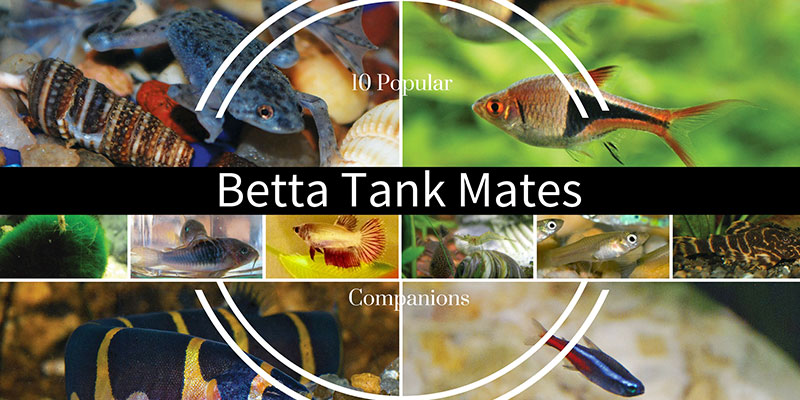
While the historical name "Siamese fighting fish" accurately reflects the territorial nature of male bettas toward their own species, the belief that they must live in complete isolation is a major misconception. Two male bettas should never be housed together in the same aquarium, as they will fight to the death over territory. However, a single male betta can absolutely thrive in a community setting, provided the tank is large enough (ideally 15 to 20 gallons or more) and the tank mates are chosen with care and strategy.
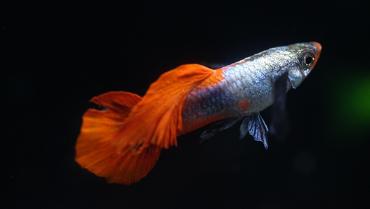
When designing a community tank centered around a betta, the golden rule is to avoid species that look similar to bettas or possess behaviors that conflict with them. Avoid fish with long, flowing fins (like fancy guppies) because your betta may mistake them for rival males. Similarly, avoid notorious "fin-nippers" like Tiger Barbs, which will shred your betta’s delicate fins and cause immense physical stress. Instead, opt for peaceful, fast-moving schoolers or bottom-dwellers that occupy different areas of the water column. Here are several excellent, highly compatible options for a betta community tank:
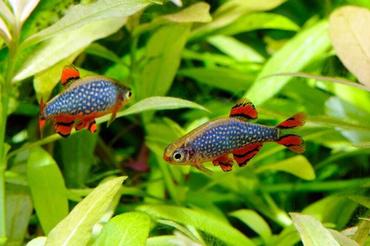
- Harlequin Rasboras (Trigonostigma heteromorpha): These peaceful, active schooling fish share the same native Southeast Asian waters as bettas. They are fast enough to easily avoid any curiosity from a betta, and their calm demeanor makes them ideal companions.
- Neon Tetras (Paracheirodon innesi): Colorful and docile, these small schoolers add vibrant motion to the mid-water column without exhibiting nipping behaviors.
- Corydoras Catfish (Corydoras spp.): These charming, social bottom-dwellers spend their days snuffling through the substrate for food. Because they stay at the bottom of the tank, they rarely cross paths with the surface-dwelling betta, ensuring a peaceful dynamic.
- Kuhli Loaches (Pangio kuhlii): These unique, eel-like bottom-dwellers are peaceful and nocturnal, keeping to themselves while adding visual interest to the lower levels of the tank.
- Mystery Snails (Pomacea bridgesii): Excellent utility tank mates that help control algae and clean up uneaten food without triggering any territorial aggression from your betta.
For more inspiration and a detailed compatibility breakdown, consult our guide on keeping other fish with your betta to ensure a peaceful, stress-free community tank.
The Behavior Fallacy: Bettas Are Dull, Short-Lived, and Lazy
It is not uncommon to walk into a pet store and see rows of bettas sitting motionless at the bottom of plastic cups. This sight has led many beginners to assume that bettas are naturally low-energy, boring pets that do little more than float in place. In reality, this lethargy is a direct response to stress, cold water, and poor water quality. When placed in a spacious, filtered, heated, and planted aquarium, a healthy betta is incredibly active, inquisitive, and expressive.
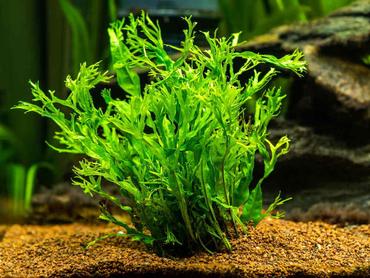
Bettas have distinct personalities. Some are highly curious and will swim to the front of the glass to greet their owners, while others are more laid-back and enjoy exploring the intricate leaf structures of live plants. They are highly intelligent for fish and can even be trained to follow your finger, swim through hoops, or target-feed. To keep their minds active, it is highly beneficial to provide environmental enrichment. Adding live plants like Anubias or Java Fern gives them natural resting ledges near the surface, while smooth driftwoods and caves provide secure areas to explore. You can also occasionally place a small mirror outside the tank for a minute or two; seeing their reflection will cause them to flare their gills and fins. This flaring behavior is natural exercise that stimulates their minds and helps stretch their fins, though it should be kept brief to avoid causing excessive stress.
Furthermore, the myth that bettas only live for a year or two is largely a byproduct of poor husbandry. When kept in tiny, cold, unfiltered bowls, their lifespans are drastically cut short. However, with proper care, a varied diet, and a stable, heated aquarium of 5 gallons or more, a betta can easily live for 3 to 5 years, and sometimes even longer. Providing them with a high-quality environment is the single best way to unlock their full lifespan and enjoy their dynamic behaviors to the absolute fullest.
Summary of Betta Myths vs. Biological Facts
To help you quickly reference the most critical care guidelines and bypass the common misinformation found in pet stores, keep these key distinctions in mind:
-
Myth: Bettas can live happily in tiny bowls and vases.
Fact: Bettas require a minimum of 5 gallons (10 gallons is preferred) with stable water chemistry. -
Myth: They do not need a filter or a heater.
Fact: Bettas are tropical fish that require temperatures of 75-80 degrees Fahrenheit and gentle, low-flow filtration. -
Myth: Bettas can survive by eating plant roots.
Fact: Bettas are strict carnivores that require high-protein pellets, frozen foods, or live prey. -
Myth: Bettas are solitary and must always live alone.
Fact: While males cannot live together, they can successfully share larger tanks with peaceful companions. -
Myth: Bettas are naturally lazy and short-lived.
Fact: Active, healthy bettas can live 3 to 5 years when given proper space, warmth, and mental stimulation.
Ensuring Your Betta's Long-Term Success
Dispelling these long-standing myths is the most powerful thing you can do to ensure your betta lives a long, vibrant, and healthy life. By moving away from miniature bowls, cold water, and poor nutrition, you elevate your fishkeeping experience and give your pet the chance to show off their true, energetic colors. Setting up a proper tank with gentle filtration, stable heating, and high-quality nutrition may require a bit more effort upfront, but the reward of watching an active, curious betta interact with you daily is absolutely worth it. We encourage you to continue researching and optimizing your aquarium setups. Explore our library of articles on freshwater husbandry, join the conversation in our community forums, and share your own aquascaping journeys as you build the ultimate underwater paradise for your aquatic companions.


MOST RECENT ARTICLES