THE MOST POPULAR CATFISH FOR FRESHWATER TANKS

The Essential Role of Catfish in the Home Aquarium
Catfish are more than just aesthetic additions; they are functional components of a closed aquatic ecosystem. In nature, most catfish are benthic, meaning they live on or near the bottom of riverbeds and lakes. This evolution has equipped them with specialized tools, most notably their barbels, which are sensory organs used to "taste" and "smell" their environment. This makes them incredibly efficient at locating food in the substrate that other fish might miss.
- Ammonia Prevention: By consuming leftover flakes, pellets, and frozen foods that sink to the bottom, catfish prevent organic matter from decaying. This is a critical line of defense against ammonia and nitrite spikes.
- Algae Management: Many popular species, such as those in the Loricariidae family (suckermouth catfish), possess specialized mouthparts designed to rasp algae off rocks, driftwood, and glass.
- Substrate Aeration: Sifting species, like Corys, constantly stir the sand or fine gravel. This movement prevents the formation of anaerobic gas pockets, which can be toxic to fish if suddenly released.
- Biodiversity and Layering: A well-planned aquarium has life at every level. Catfish ensure that the "bottom floor" of your tank is just as engaging as the middle and top.
Despite these benefits, a common beginner mistake is viewing catfish as "garbage disposals." While they do clean up leftovers, relying on waste alone leads to malnutrition. To maintain a truly healthy environment, you must also focus on maintaining proper water quality, as catfish are often the first to show signs of stress when nitrates climb too high.
The Best Beginner-Friendly Catfish Species
If you are just starting your journey into the hobby, you want fish that are hardy, peaceful, and manageable in size. The following species have remained aquarium staples for decades because of their adaptability and charming social behaviors.
The Corydoras Genus (Cory Cats)
No list of popular catfish is complete without the Corydoras. These armored catfish are small (usually 1 to 3 inches) and incredibly peaceful. They are schooling fish by nature, meaning a single Cory is a lonely and stressed fish. To see their true behavior, you should keep them in groups of at least six. Popular varieties include:
- Bronze and Albino Corys: Highly resilient and perfect for the first-time keeper.
- Panda Corys: Smaller and strikingly patterned, though they prefer slightly cleaner, cooler water.
- Julii and Three-Stripe Corys: Known for their intricate, maze-like patterns.
The Bristlenose Pleco (Ancistrus)
For many, the "Common Pleco" is the first catfish they see at the pet store. However, the Common Pleco can grow to nearly two feet long, making it unsuitable for most home tanks. The Bristlenose Pleco is the perfect alternative. Maxing out at 4 to 5 inches, they are incredible algae eaters and are easily identified by the fleshy "whiskers" on the snouts of the males. They are generally peaceful but can be territorial over their favorite piece of driftwood.
The Otocinclus (Oto Cat)
Often called "dwarf suckermouths," these tiny catfish are the gold standard for planted tanks. They are strictly herbivorous and will spend their entire day grooming leaves and glass. Because they are wild-caught frequently, they can be delicate during the first few weeks in a new tank. They thrive best in established aquariums with plenty of natural algae growth.
The Pictus Catfish
If you have a larger community tank (55 gallons or more), the Pictus catfish offers high-energy movement. With their silver-and-black spotted bodies and extremely long barbels, they are a visual treat. They are faster swimmers than Corys and are very hardy, though they are opportunistic feeders that might eat very small fry or shrimp.
Advanced and Specialized Catfish for Intermediate Keepers
Once you have mastered the basics of water chemistry and substrate maintenance, you may want to explore species that require a bit more specialized care or larger environments.
The Glass Catfish (Kryptopterus vitreolus)
These fish are unique because they are almost entirely transparent. Unlike most catfish, they are mid-water swimmers and do not possess the heavy armor of the Corydoras. They are quite shy and require a heavily planted tank with low lighting. They must be kept in schools of six or more; otherwise, they may refuse to eat and eventually waste away.
The Upside-Down Catfish (Synodontis nigriventris)
Native to the Congo Basin, these fascinating fish spend much of their time swimming on their backs to graze on the undersides of leaves and wood. They are a great "conversation piece" for any aquarium. While they are peaceful, they are nocturnal, so you may need to provide dim lighting or use a moonlight LED to observe them in action.
The Bumblebee Catfish
There are two common types: the South American and the Asian Bumblebee. The South American variety (Microglanis iheringi) is much preferred for community tanks as it stays under 3 inches. They are beautifully striped in yellow and black but are notorious for hiding. You may only see them during feeding time, but their striking appearance makes the wait worthwhile.
The Hoplo Catfish
Think of the Hoplo as a "Super Cory." They look similar to Corydoras but grow much larger—up to 6 inches. They are incredibly friendly and will often learn to eat right out of their owner's hand. Because of their size and active nature, they require a tank of at least 40 gallons with plenty of open floor space.
Critical Care: Substrate, Filtration, and Water Chemistry
To succeed with catfish, you must understand that the bottom of the tank is a different environment than the top. Waste, debris, and uneaten food settle here, which can lead to high bacterial counts if not managed properly.
The Importance of Substrate
The biggest threat to a catfish's health is often the ground it walks on. Many catfish have delicate sensory barbels that are easily damaged by sharp gravel. Once the barbels are damaged, they are susceptible to bacterial infections that can be fatal. For Corydoras and other soft-bellied species, a fine-grained sand substrate is mandatory. This allows them to sift through the sand safely, mimicking their natural behavior in the wild.
Filtration and Aeration
Because catfish occupy the lower strata, they are often the first to feel the effects of low oxygen levels. Heat rises, and oxygen levels are often lower at the bottom of the tank. Using an air stone or ensuring your filter provides adequate surface agitation is vital. Additionally, since catfish are heavy eaters, a robust filtration system is necessary. You can learn more about managing your equipment in our guide on choosing the right filter for your freshwater aquarium.
Water Chemistry
While many catfish are hardy, they are generally "scaleless" (or have bony plates instead of scales). This makes them particularly sensitive to certain medications and high levels of salt. Always read the labels on aquarium treatments to ensure they are "catfish safe." Maintaining a stable pH and low nitrates (under 20ppm) is the best way to ensure their longevity.
Compatibility: Creating a Harmonious Community
One of the most common pitfalls in the hobby is assuming all catfish are "peaceful." While many are, their compatibility depends on size, temperament, and the specific needs of their tank mates.
Size Matters
A golden rule in fishkeeping is: "If it fits in a fish's mouth, it is food." This applies heavily to catfish like the Pictus, the Featherfin Synodontis, and various shovel-nose species. Even a peaceful catfish may accidentally eat a small Neon Tetra if it wanders too close during the night. Always match the size of your catfish to the size of your other fish.
Territorial Behavior
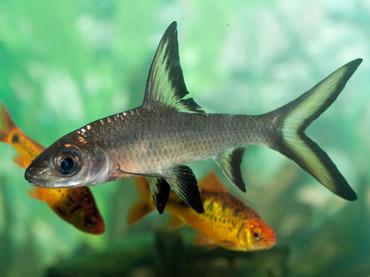
While catfish rarely bother top-swimmers, they can be very territorial toward other bottom-dwellers. For example, a Red-Tailed Shark is notorious for harassing Corydoras. Similarly, male Plecos will fight over the "prime" cave in a tank. To mitigate this, ensure your tank has multiple hiding spots—ideally more spots than there are fish. Using PVC pipes, terra cotta pots, and driftwood can help define territories and reduce stress.
Temperature and Flow
Many beginners make the mistake of mixing "cool water" catfish with "high heat" tropicals. Most Corydoras prefer water in the 72–76°F range. However, if you are keeping a Discus tank at 84°F, you would need specifically heat-tolerant species like the Sterbai Cory. Matching the metabolic needs of your fish is essential for long-term health.
Dietary Excellence: Beyond the "Cleanup" Myth
To truly see your catfish thrive, you must provide a diet that meets their specific biological needs. A hungry catfish is a stressed catfish, and a stressed catfish is prone to disease.
- Sinking Pellets and Wafers: High-quality sinking wafers should be the staple of any catfish diet. Look for brands that list high-quality proteins (like whole fish meal or shrimp) as the first ingredient.
- Fresh Vegetables: For Plecos and Otos, fresh food is a game-changer. Blanched zucchini, cucumber, and even shelled peas provide essential fiber that prevents bloating and digestive issues.
- Live and Frozen Foods: Once or twice a week, offer frozen bloodworms, blackworms, or brine shrimp. These high-protein treats are especially important if you are trying to breed your catfish or if they are growing juveniles.
- Wood for Digestion: Many species in the Ancistrus and Panaque genera require driftwood. They rasp the wood to obtain cellulose, which is vital for their digestive tracts. Without wood, these species often suffer from chronic health problems.
Pro Tip: Feed your catfish at night. By dropping food in after the lights go out, you ensure the catfish can eat in peace without the surface-dwelling fish stealing their meal. This "night feeding" routine also encourages their natural foraging behaviors.
Common Health Issues and Troubleshooting
Even with the best care, catfish can occasionally face health challenges. Because they lack standard scales, they require specialized attention when they fall ill.
Barbel Erosion
If you notice your Corydoras losing their whiskers, this is almost always a sign of poor substrate hygiene or sharp gravel. When waste builds up in the substrate, it creates a "bacterial mat." As the fish sifts through it, the bacteria attack the barbels. The solution is immediate water changes, substrate vacuuming, and potentially switching to sand.
Ich and Scaleless Fish
Ich (white spot disease) is a common parasite. However, many "off-the-shelf" Ich treatments contain malachite green or copper, which can be toxic to catfish at full dosage. If you need to treat a tank containing catfish, it is often safer to use a "half-dose" method or use heat therapy (gradually raising the temperature to 86°F) to speed up the parasite's life cycle, provided your other fish can handle the warmth.
The "Sunken Belly" Syndrome
Newly purchased Otocinclus or Corydoras often suffer from sunken bellies. This is usually due to internal parasites or starvation during transport. When buying catfish, look for individuals with slightly rounded bellies. If you suspect parasites, treating with a medicated food containing praziquantel can help clear the infection.
Conclusion: The Reward of Keeping Catfish
Catfish are the quiet workers and the charming jesters of the freshwater world. By moving beyond the idea of them as simple "scavengers" and acknowledging their complex needs for substrate, socialization, and specialized diets, you unlock a fascinating layer of the aquarium hobby. Whether you are mesmerized by the transparency of the Glass Catfish or the busy nature of a Corydoras school, these fish provide a sense of completeness to any tank. They remind us that every level of the aquarium—from the surface to the sand—is teeming with life and deserving of our expert care.
Are you ready to add a whiskered friend to your setup? Remember that success starts with research and ends with a commitment to high-quality care. If you found this guide helpful, be sure to explore our other articles on tank maintenance and species compatibility to ensure your aquarium remains a masterpiece of aquatic life!


MOST RECENT ARTICLES