JEWEL CICHLID SPECIES PROFILE

Jewel Cichlid Species Profile
The Jewel Cichlid is a stunning addition to any freshwater aquarium, known for its vibrant red coloration and captivating behavior. Originating from the river systems of West Africa, these fish are as hardy as they are beautiful, making them a popular choice for hobbyists looking to transition from community tanks to the more dynamic world of African cichlids. While their fiery appearance is undeniable, Jewel Cichlids also carry a reputation for being fiercely territorial, particularly during spawning. Understanding the nuances of their care, from water chemistry to social dynamics, is essential for maintaining a peaceful and thriving environment. Whether you are a beginner or an intermediate keeper, mastering the care of these "jewels" of the aquatic world offers a rewarding experience that showcases the complex intelligence and striking aesthetics of the cichlid family.

Overview of the Jewel Cichlid Species

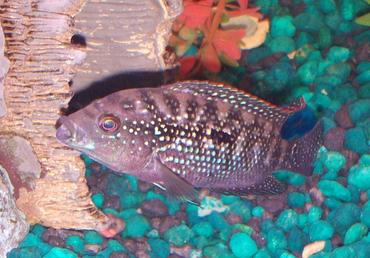
The term Jewel Cichlid actually refers to several species within the Hemichromis genus. While they share similar traits, it is important to know which specific variety you are bringing home, as sizes and aggression levels can vary slightly. The most common species found in the trade include Hemichromis bimaculatus, often called the Two-Spot Jewel Cichlid, which is the classic species most hobbyists recognize. They typically grow to about 4-5 inches. Another popular choice is Hemichromis lifalili, known as the Blood-Red Jewel Cichlid. This species stays slightly smaller and is prized for its intense, solid red color during breeding. Hemichromis guttatus is also frequently sold interchangeably with bimaculatus but is noted for its beautiful iridescent spotting across the body. In their natural habitat, these fish are found in slow-moving rivers, streams, and floodplains across West Africa. Unlike their cousins from the Rift Lakes, Jewel Cichlids prefer slightly different water parameters and environments. They are substrate spawners and exhibit some of the most dedicated parental care in the fish world, which is a major draw for many aquarists.

Understanding the distinction between these species is vital because their environmental needs, while similar, can dictate the layout of your tank. For instance, the larger Hemichromis bimaculatus requires significantly more territory than the smaller lifalili. When visiting your local fish store, you might see them labeled simply as Jewel Cichlids, but observing their spotting patterns can help you identify the specific species. Bimaculatus usually features a distinct mid-body spot and a spot on the operculum (gill cover), whereas lifalili often lacks the mid-body spot and displays a more uniform, intense red. Regardless of the specific species, these fish share a lineage that prizes survival in the diverse river systems of Guinea, Liberia, and Sierra Leone. This evolutionary background has equipped them with a high level of intelligence and adaptability, which translates to an engaging presence in the home aquarium. They are not merely "decorations" but active participants in their environment, often rearranging decor to suit their architectural preferences.


Water Parameters and Detailed Tank Setup

To keep your Jewel Cichlids healthy and displaying their best colors, you must replicate their natural African river environment. While they are famously hardy and can adapt to various conditions, consistency is key to preventing stress and disease. One common mistake beginners make is treating them like Rift Lake cichlids, which require very high pH and hardness levels. Jewel Cichlids, however, thrive in more neutral conditions that reflect the softer, more acidic waters of West African rivers. A single pair requires a minimum of 30 gallons, but if you plan on keeping a community or multiple pairs, a 55-gallon tank or larger is highly recommended to provide enough space for territorial boundaries.

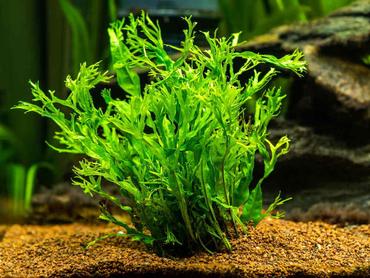
The physical layout of the tank should focus on breaking lines of sight. This is a critical strategy for managing cichlid aggression. By using large pieces of driftwood, tall rock formations, and dense clusters of plants, you create a labyrinthine environment where subordinate fish can escape the gaze of a dominant pair. The substrate should consist of fine sand or smooth gravel, as these fish love to dig, especially when preparing a nesting site. If you use coarse or sharp substrate, the fish may injure their mouths while sifting through the bottom. Incorporate plenty of hiding spots using ceramic pipes, flower pots, or natural caves. If you want to include live plants, choose hardy species like Anubias or Java Fern and secure them to decor using fishing line or aquarium-safe glue. Jewel Cichlids will likely uproot anything planted directly in the substrate during their frequent "remodeling" phases. Proper filtration is also a must; maintaining high water quality through efficient mechanical and biological filtration will keep your fish active and disease-free. Ensure your filter can handle a high turnover rate, as these fish are messy eaters and produce a substantial bioload.

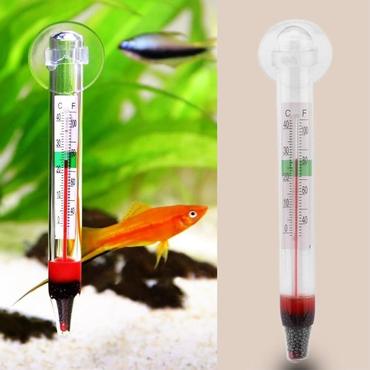
  • Temperature: Keep the water between 75°F and 82°F (24°C to 28°C).
  • pH Level: Aim for a range of 6.5 to 7.5. They are quite flexible but prefer slightly acidic to neutral water.
  • Water Hardness: 4 to 12 dGH is ideal.
  • Lighting: Moderate lighting is best to mimic the dappled sunlight of a riverbed.
  • Water Flow: Moderate flow is preferred; avoid stagnant areas but also avoid high-velocity powerheads that might exhaust the fish.

Maintenance routines should be rigorous. Weekly water changes are the backbone of a healthy Jewel Cichlid tank. During these sessions, focus on vacuuming the substrate to remove trapped organic matter. Because these fish are sensitive to high nitrate levels, keeping your nitrates below 20 ppm is a good goal for promoting longevity and vibrant color. If you notice the fish becoming pale or lethargic, it is often the first sign that water quality has dipped. The use of tannins from driftwood or Indian Almond leaves can also be beneficial, as it mimics the tea-colored waters of their native habitat and provides mild antibacterial properties that help keep their skin and fins healthy.
 

Diet and Nutrition for Optimal Coloration

The diet of a Jewel Cichlid significantly impacts the intensity of its red hue. In the wild, they are opportunistic omnivores and micro-predators, feeding on small insects, crustaceans, and organic detritus. In the home aquarium, they are not picky eaters, but a varied diet is necessary to ensure they receive all the essential vitamins and minerals. A high-quality cichlid pellet should serve as the foundation of their diet. Look for formulas that include spirulina, krill, or astaxanthin, as these natural color enhancers will bring out the brilliant reds and iridescent blue spots that give the fish its name. Many hobbyists make the mistake of feeding only a single type of flake food, which can lead to nutritional deficiencies over time.


To supplement their diet, offer frozen or live foods such as brine shrimp, bloodworms, mysis shrimp, and daphnia. These protein-rich treats are especially beneficial if you are trying to condition a pair for breeding. However, be cautious with live foods from unreliable sources, as they can introduce parasites into your tank. For an extra boost of vitamins, you can occasionally offer blanched vegetables like zucchini or peas, though some Jewel Cichlids may ignore them in favor of meatier options. Feeding should occur once or twice daily, providing only what they can consume within a few minutes. Overfeeding not only leads to health issues like fatty liver disease but also causes rapid water quality degradation. For more tips on maintaining a balanced ecosystem through proper feeding habits, check out our guide on maintaining a healthy freshwater aquarium.

One interesting aspect of Jewel Cichlid nutrition is the "color change" response. When these fish are stressed, poorly fed, or in a sub-optimal environment, their red color can fade to a dull grey or brown almost instantly. This is a physiological response that aquarists should use as a diagnostic tool. If your fish is not a deep, vibrant red, it is time to evaluate the diet and water chemistry. High-quality frozen foods like cyclops are excellent for young fry and juveniles, helping them develop their adult coloration earlier than those on a strictly dry-food diet. Additionally, vitamins added to the food can help boost their immune system, making them more resilient to the stresses of territorial disputes.

Compatibility and Social Dynamics

The most challenging aspect of keeping Jewel Cichlids is managing their temperament. While they can be peaceful when young, their aggression increases significantly as they mature and reach breeding age. They are highly territorial and will defend their chosen "patch" of the tank against any intruders, regardless of size. This behavior is rooted in their natural instinct to protect their future offspring from predators in the wild. In a confined aquarium, this instinct can become problematic if the tank is too small or lacks adequate hiding places. If you wish to keep them in a community setting, choose tank mates carefully. Avoid slow-moving fish with long fins, such as Angelfish or Fancy Guppies, as well as very small fish that could be viewed as prey.

Suitable tank mates often include durable dither fish like Giant Danios, Silver Dollars, or larger Rainbowfish. These species move quickly and typically stay in the upper water column, which keeps them out of the Jewel Cichlid's preferred bottom-and-mid-level territory. Robust cichlids like the Kribensis or even certain hardy Central American cichlids of similar size, like the Firemouth Cichlid, can work in larger tanks where territories can be clearly established. For bottom dwellers, Upside-down Catfish or larger Synodontis species are generally ignored by Jewels and can help with tank cleanup. Bristlenose Plecos are also a great choice because they are armored enough to withstand occasional nipping and are excellent at algae control.

  • Giant Danios: High energy and fast, making them difficult for Jewels to catch.
  • Rainbowfish: Boisterous and sturdy, they can handle the assertive nature of African cichlids.
  • African Spotted Catfish: They occupy the same region but are usually tough enough to be left alone.
  • Congo Tetras: Larger tetras that provide a beautiful contrast and can keep up with the pace of the tank.

The biggest compatibility mistake is trying to house a breeding pair in a small community tank. Once Jewel Cichlids pair off and lay eggs, they become hyper-aggressive, essentially becoming "tank terrors." They will often claim half of the tank and may kill tank mates that cannot escape. This is where the 1800-word depth of understanding becomes crucial: you must have a "Plan B." This might involve a divider or a separate hospital tank in case a community member is being bullied too severely. If your goal is specifically to breed them, it is almost always best to provide the pair with a dedicated species-only tank where they can express their natural behaviors without causing casualties. Even within a pair, aggression can occur. If the female is not ready to spawn and the male is persistent, he may harass her. This is why having multiple hiding spots is not just for tank mates, but for the female Jewel Cichlid as well.

Breeding and Parental Care Rituals

Breeding Jewel Cichlids is a fascinating process that many intermediate hobbyists find incredibly rewarding. They are monogamous substrate spawners, meaning they form a strong pair bond and lay their eggs on a flat surface like a smooth rock, a piece of slate, or even the aquarium glass. You will know they are ready to breed when their colors become intensely vivid—the red will turn a deep, glowing crimson that seems to radiate from within. The pair will begin cleaning a specific site together, using their mouths to scrub away algae and debris. This cooperative behavior is a sign that the pair bond is solid.

Once the female lays the eggs (often numbering between 200 and 500), both parents take an active role in guarding them. This is a rare trait in the fish world and one of the most compelling reasons to keep this species. They will fan the eggs with their fins to ensure oxygen flow and remove any unfertilized eggs to prevent fungal growth. During this time, the parents are at their most aggressive, and they will fearlessly attack anything—including your hand or a siphon tube—that comes near the nest. The eggs typically hatch in 2 to 4 days depending on the temperature, and the parents will move the "wigglers" to a pre-dug pit in the sand for safety. At this stage, the fry are still attached to their yolk sacs and cannot swim freely.

Once the fry are free-swimming, usually about 5-7 days after hatching, they can be fed freshly hatched brine shrimp, microworms, or finely crushed flake food. Watching the parents lead the "cloud" of fry around the tank is an amazing sight. They use specific fin movements and body language to signal the fry to hide or follow. It is vital to monitor the parents during this time; while they are usually excellent caretakers, sudden stress or changes in the environment can sometimes cause them to turn on their young or each other. If you are interested in expanding your breeding efforts to other species, you might find our article on breeding freshwater fish helpful for setting up a dedicated nursery system. Maintaining a high-protein diet for the parents during the fry-rearing stage is important, as it prevents them from viewing their offspring as a food source due to hunger.

Common Health Issues and Prevention

Like most cichlids, Jewel Cichlids are susceptible to common freshwater ailments if their environment is neglected. Ich, also known as white spot disease, is the most frequent parasitic issue. It usually appears as small white grains on the body and fins and is often triggered by sudden temperature fluctuations. Skin Flukes and velvet are other parasitic concerns that can be avoided through strict quarantine protocols for any new additions. Because they are hearty eaters and produce a significant amount of waste, regular maintenance is non-negotiable to prevent bacterial infections like fin rot or mouth fungus.

One specific condition to watch for in African cichlids is Malawi Bloat, though it is more common in Rift Lake species, it can occasionally affect Jewel Cichlids if they are fed an inappropriately high-protein diet with no fiber or if water quality is poor. Symptoms include swelling of the abdomen, lethargy, and a loss of appetite. Another issue to watch for is "Hole-in-the-Head" disease (Hexamita), which is often linked to poor nutrition and degraded water conditions, specifically high nitrate and phosphate levels. Providing a varied diet and ensuring your filtration system is cleaned regularly will go a long way in preventing this condition. Always quarantine new arrivals for at least two to four weeks before adding them to an established Jewel Cichlid tank to prevent the introduction of pathogens that could wipe out your entire colony.

To ensure long-term health, focus on the following preventative measures:

  • Quarantine: Never skip the quarantine period for new fish or plants.
  • Observation: Spend 10 minutes a day just watching your fish. Changes in behavior are the first sign of illness.
  • Testing: Use a liquid test kit weekly to monitor Ammonia, Nitrite, and Nitrate levels.
  • Stress Reduction: Keep the tank in a low-traffic area to prevent the fish from being constantly startled.
  • Equipment Checks: Ensure your heater is functioning correctly, as a failed heater can lead to a rapid drop in temperature and subsequent disease outbreaks.

When treating illnesses, be aware that some medications can be harsh on cichlids or may disrupt your biological filter. Always follow the manufacturer's instructions and consider using a separate hospital tank for treatment. This not only saves money on medication but also protects the healthy fish and the beneficial bacteria in your main display tank. Many hobbyists find that maintaining a slightly higher temperature (around 80°F) and adding a small amount of aquarium salt can help boost the fish's natural slime coat and immune response during minor stress events.

Advanced Care and Enrichment

For those moving into the intermediate stage of the hobby, providing enrichment for your Jewel Cichlids can be an enjoyable challenge. These are intelligent fish that benefit from a complex environment. Periodically changing the position of a few rocks or adding a new piece of driftwood can stimulate their natural curiosity and territorial instincts. This "aquascaping" should be done carefully to avoid causing undue stress, but it can prevent the fish from becoming too lethargic in a static environment.

Another advanced technique is the use of "target feeding." If you have a community tank, you may find that the Jewel Cichlids dominate the feeding area, preventing others from eating. Using a long pipette or turkey baster to deliver food directly to the less aggressive fish can ensure everyone stays healthy. Furthermore, for those interested in the genetics of the species, keeping track of different strains and ensuring that you aren't cross-breeding different Hemichromis species helps maintain the purity and quality of the fish available in the hobby. The Blood-Red Jewel, for example, is a result of selective breeding and careful maintenance of specific genetic lines, and preserving those intense colors is a point of pride for many cichlid enthusiasts.

Finally, consider the role of lighting in your setup. While Jewel Cichlids aren't overly sensitive to light, using a high-quality LED system with a programmable sunrise/sunset feature can reduce the stress of sudden lights-on/lights-off transitions. Some modern lights also have "RGB" adjustment, allowing you to peak the red spectrum, which makes the fish's natural colors pop even more vividly for viewers. This doesn't just make the tank look better; it allows you to observe the subtle color changes the fish uses to communicate with its mate and rivals, giving you a deeper look into the complex social life of the Jewel Cichlid.

Summary and Takeaway

The Jewel Cichlid is a powerhouse of color and personality that can serve as the magnificent centerpiece of a well-planned aquarium. While their aggressive tendencies, particularly during breeding, require careful management and strategic tank-mate selection, their hardiness and fascinating parental behaviors make them a rewarding staple in the hobby. By providing a sandy substrate, plenty of rocky hiding spots, and a high-quality, varied diet, you can enjoy the full brilliance of these African wonders in your own home. Remember, the key to success with Jewels is respecting their space and understanding their social requirements. They are not a "set and forget" fish but rather a species that rewards the attentive aquarist with years of dynamic interaction and breathtaking beauty. If you are ready to dive deeper into the world of unique aquarium inhabitants and master the art of cichlid keeping, keep exploring our resources and species profiles. Your journey into the vibrant world of West African rivers is just beginning. Be sure to check out our other equipment reviews and care guides to ensure your aquatic setup is the best it can be. Happy fishkeeping!

Keeping Dwarf Gouramis in the Freshwater Tank
With their shimmering iridescent scales and deliberate, graceful movements, Dwarf Gouramis (Trichogaster lalius) have earned their place as one of the most beloved centerpieces in the freshwater hobby.
Caring for the Plecostomus in the Freshwater Tank
If you’ve ever visited a pet store or aquarium show you may have noticed a group of tough-looking, algae‑eating fish whisking along the glass and decor — the plecostomus.

MOST RECENT ARTICLES

The Zen of Aquascaping: Using Iwagumi Principles for Mindfulness and Stress Relief
THE ZEN OF AQUASCAPING: USING IWAGUMI PRINCIPLES FOR MINDFULNESS AND STRESS RELIEF
In the modern world, the constant noise of digital notifications and the fast-paced demands of daily life often leave us searching for a sanctuary where we can reclaim a sense of peace.
The Rise of Smart Leak Detection: Protecting Your Home from Aquarium Disasters
THE RISE OF SMART LEAK DETECTION: PROTECTING YOUR HOME FROM AQUARIUM DISASTERS
There is no sound more terrifying to an aquarium hobbyist than the slow, steady drip of water hitting a hardwood floor in the middle of the night.
Voice-Controlled Aquariums: Integrating Your Tank with Alexa and Google Home
VOICE-CONTROLLED AQUARIUMS: INTEGRATING YOUR TANK WITH ALEXA AND GOOGLE HOME
The modern aquarium hobby is undergoing a digital transformation that goes far beyond high-tech filters and LED lighting.

Rate This Tank:

FRESHWATER AQUARIUM ARTICLES

Freshwater Water Parameter Guide (Complete 2025 Edition)
Maintaining a thriving freshwater aquarium is about much more than just a beautiful glass box and colorful fish; it is about managing a delicate, invisible ecosystem that exists within your living room.
Top 10 Beginner-Friendly Freshwater Fish (With Care & Compatibility Tips)
Embarking on the journey of fishkeeping is one of the most rewarding endeavors a nature lover can undertake, offering a unique blend of artistry, biology, and peaceful observation.
African Cichlid Aggression - How to Reduce Aggression
Learn about the causes of cichlid aggression and methods for reducing it.
Live Plant Basics for Freshwater Community Aquariums
Stepping into the world of live aquatic plants is often the moment a casual fish keeper becomes a true aquarist, transitioning from someone who simply "has fish" to someone who "maintains an ecosystem.
Pea Puffer Care and Compatibility: Stocking Plans That Actually Work
The Pea Puffer (Carinotetraodon travancoricus) is often described as a pint-sized powerhouse with a personality that far outweighs its tiny frame.
Guppy Care Guide: How to Successfully Keep Guppies in a Freshwater Aquarium
he Guppy (Poecilia reticulata) is arguably the most iconic species in the aquarium hobby, often serving as the gateway fish for generations of successful aquarists.
How to Interpret Fish Food Labels
Standing in front of a wall of fish food can feel overwhelming—bright packaging, bold claims, and ingredient lists that read more like a chemistry exam than a feeding guide.
Read more articles (7)

STOCKING THE TANK

The fish you choose to stock your tank is not a decision that should be made lightly. The articles in this category will help you understand the basics of fish compatibility and will provide you with other information you need to make an informed decision when stocking your tank.

What Are the Best Cichlids for a Community Tank?
Cichlids are often the crown jewels of the aquarium world, celebrated for their striking colors, complex behaviors, and undeniable intelligence.
Larger Tetras for the Community Tank
When most hobbyists think of Tetras, their minds immediately go to the diminutive Neon or the translucent Ember Tetra.
Choosing the Right Algae-Eater by the Type of Algae in Your Tank
Every aquarium hobbyist, from the wide-eyed beginner to the seasoned pro, eventually faces the green (or brown, or black) menace: algae.
The Ideal Tank Setup for Oscars
The Oscar (Astronotus ocellatus) is often referred to as the water dog of the aquarium world, and for good reason.
Compatible Tank Mates for Freshwater Angels
Freshwater angelfish (Pterophyllum scalare) are one of the most captivating and graceful species in community aquariums, with their tall, flowing fins and curious personalities.
The 15 Most Popular Types of Goldfish
Goldfish are among the most recognizable aquarium fish in the world, yet they are also some of the most misunderstood.
The Best 10-Gallon Fish Stocking Ideas (With Photos, Behavior Notes & Alternatives)
The 10-gallon aquarium occupies a unique and cherished space in the fish-keeping world, serving as the definitive starting point for countless beginners while offering a sophisticated "nano" challenge for seasoned veterans.
The Top 6 Freshwater Goby Species for Your Tank
For many years, the aquarium hobby viewed gobies as the exclusive crown jewels of the saltwater world, often associated with colorful reefs and symbiotic relationships with pistol shrimp.
Everything You Need to Know About Freshwater Angelfish
Freshwater angelfish are among the most iconic and recognizable aquarium fish in the hobby.
Everything You Need to Know About Nerite Snails
If you’ve ever noticed pristine aquarium glass, spotless decorations, or felt mystified by a snail that seems to magically keep your tank algae-free, chances are you’re thinking about nerite snails — one of the most popular grazing snail species in the freshwater and saltwater aquarium hobby.
The Most Popular Catfish for Freshwater Tanks
For decades, catfish have been the unsung heroes of the freshwater aquarium, serving as the backbone of the "cleanup crew" while providing a level of personality and behavioral depth that few other fish can match.
Jewel Cichlid Species Profile
The Jewel Cichlid is a stunning addition to any freshwater aquarium, known for its vibrant red coloration and captivating behavior.
Stocking Fresh Water Fish Tanks
Stocking a freshwater fish tank is one of the most rewarding parts of aquarium keeping—but it’s also where many beginners unknowingly run into trouble.
Spotlight on the Apple Snail
Apple snails are often overlooked by beginner and intermediate aquarists, yet these charismatic invertebrates can add fascinating behavior, eye-catching color, and beneficial cleanup activity to your freshwater aquarium.
The Basics of Freshwater Fish Compatibility
Creating a thriving freshwater aquarium is much like hosting a dinner party; the success of the evening depends entirely on whether your guests actually get along.
Corydoras Catfish: Community-Friendly Bottom Feeders
If you have ever spent more than five minutes browsing a freshwater fish gallery, you have likely encountered the charming, industrious, and perpetually busy Corydoras catfish.
The Top 10 Worst Community Fish
If you are interested in cultivating a peaceful tank full of multiple species, don't choose these fish.
South American Cichlid Species for Beginners
The freshwater rivers and tributaries of South America are home to some of the most charismatic, colorful, and intelligent fish in the aquarium hobby.
Algae Eaters for Freshwater Tanks
Every aquarium hobbyist, from the bright-eyed beginner to the seasoned aquascaper, eventually faces the inevitable "green wall"—the moment when algae begins to claim the glass, rocks, and plants of a carefully curated underwater world.
Stocking Your Tank with Schooling Fish
There is perhaps no sight more captivating in the aquarium hobby than a tight-knit school of iridescent fish moving in perfect unison across a lushly planted backdrop.
Common Myths About Bettas
If you’re new to the aquarium hobby or have kept fish for a few years, chances are you’ve heard plenty of advice—some good, some confusing—about Betta fish (Betta splendens).
The Top Choices for Stocking a 10-Gallon Tank
Stepping into the world of reef keeping is often described as the final frontier for the aquarium enthusiast, transforming a standard saltwater setup into a pulsing, glowing, and living tapestry of biological wonder.
Caring for the Plecostomus in the Freshwater Tank
If you’ve ever visited a pet store or aquarium show you may have noticed a group of tough-looking, algae‑eating fish whisking along the glass and decor — the plecostomus.
Cultivating a Tank for Red Bellied Pacus
Red Bellied Pacus are among the most fascinating and rewarding fish for freshwater aquarium enthusiasts, but they’re also fish that come with unique needs and challenges.
What Are Good Freshwater Fish For Beginners
Choosing your first freshwater fish can feel overwhelming, especially with hundreds of colorful species available at pet stores and online.
Choosing the Right Barbs for Your Tank
If you’re diving into the colorful world of freshwater aquariums and want active, charismatic fish that add energy and interest to your tank, few groups deliver like barbs — from the classic Tiger Barb to the dazzling Cherry Barb — but choosing the right barb species for your tank requires more than just picking your favorite color.
Show Tank-Worthy Tankmates for Fancy Guppies
Fancy guppies are among the most eye-catching freshwater fish available, prized for their flowing fins, vibrant colors, and constant activity.
The Top 5 Shrimp for the Freshwater Aquarium
Freshwater shrimp have exploded in popularity over the last decade, evolving from niche cleanup crew members to the absolute stars of the home aquarium.
The Natural Environments of African and South American Cichlids
Cichlids are some of the most fascinating freshwater fish in the aquarium hobby, admired for their intelligence, vibrant colors, and complex behaviors.
Species Spotlight: Archerfish
Few aquarium fish capture attention quite like the archerfish.
Top Freshwater Aquarium Bullies
Every aquarium hobbyist eventually learns that not all fish are as peaceful as they look.
Spotlight on the Otocinclus Catfish
The Otocinclus catfish, affectionately known as the "Oto" or "dwarf suckermouth," is often the unsung hero of the freshwater aquarium.
Species Spotlight: Keeping Arowanas in the Freshwater Tank
Often referred to as the Dragon Fish due to their shimmering, armor-like scales and majestic, undulating movements, the Arowana is the ultimate centerpiece for any serious freshwater aquarist.
Tips for Stocking Your Aquarium by Color
Creating a visually stunning aquarium is often compared to painting a living canvas, where the fish serve as the vibrant brushstrokes that bring the underwater landscape to life.
Spotlight on the Wolf Cichlid
The Wolf Cichlid, known scientifically as Parachromis dovii, is one of the most talked-about freshwater fish in the aquarium hobby, admired for its intelligence and power while simultaneously feared for its aggression and size.
The Top 10 Worst Tank Busters
Find out which fish will rapidly outgrow your tank, and the smaller alternatives that are available.
Cichlids - Understanding the Different Types
The Cichlidae family is arguably the most diverse and captivating group of fish in the aquarium hobby, offering a spectrum of colors, behaviors, and intelligence that rivals the complexity of a coral reef.
Keeping Goldfish
Keeping Goldfish
Goldfish are perhaps the most iconic aquatic pets in the world, yet they are also among the most misunderstood.
Care Guide for Keeping Brackish and Freshwater Puffers
The name "puffer fish" conjures an image of a balloon-like animal but these fish are so much more than their comical appearance.
Can You Keep Other Fish With Your Betta?
The Siamese Fighting Fish, or Betta splendens, is arguably the most misunderstood resident of the freshwater world.
Keeping Dwarf Gouramis in the Freshwater Tank
With their shimmering iridescent scales and deliberate, graceful movements, Dwarf Gouramis (Trichogaster lalius) have earned their place as one of the most beloved centerpieces in the freshwater hobby.
What Every Aquarium Hobbyist Should Know About Livebearers
Livebearers are often the fish that hook people on the aquarium hobby for life.
The Best Barbs for a Large Home Aquarium
When aquarium enthusiasts transition from a standard 20-gallon starter kit to a large-scale home aquarium, they often find themselves searching for fish that can truly fill the space with color and movement.
Species Spotlight: Keeping Freshwater Crayfish at Home
Freshwater crayfish are the rugged, charismatic architects of the invertebrate world, bringing a sense of prehistoric wonder and activity to any home aquarium.
Types of Freshwater Aquarium Snails
For many years, aquarium snails were unfairly labeled as nothing more than "pests" that hitched a ride on live plants and overran tanks with lightning speed.
Tips for Keeping Shoaling Species in the Aquarium
There is nothing quite as mesmerizing in the aquarium hobby as a synchronized group of fish moving as a single, shimmering unit across a well-planted tank.
Species Profile: Blind Cave Tetra
In the vast world of freshwater aquaria, few species spark as much curiosity and conversation as the Blind Cave Tetra (Astyanax mexicanus).
Freshwater Fish Article Database
Articles on dozens of different freshwater fish and appropriate care.
Read more articles (48) Aquarium Setup (16)
An Overview of Fish Bowls
Fish bowls are one of the most recognizable symbols of fishkeeping, often associated with simplicity, minimal effort, and a single fish gently swimming in a clear glass sphere.
What is an Unfiltered Tank and How do I Cultivate One?
The modern aquarium hobby is often defined by high-tech gadgetry, from pressurized CO2 systems to canisters that look like they belong in a laboratory.
Setting Up a Hospital Tank: Step-by-Step 14-Day Treatment Plan
Maintaining a thriving aquarium is a labor of love, but even the most diligent hobbyists will eventually encounter a sick fish or a sudden outbreak of disease.
Wall Mounted Fish Tanks
Wall mounted fish tanks have transformed from futuristic novelties into a popular design choice for modern aquarium hobbyists looking to save floor space while adding a living piece of art to their home.
Acclimating Fish - Drip Method
Bringing home new fish is one of the most exciting moments in the aquarium hobby—but it’s also one of the most dangerous times for your livestock.
What is a Biotope Tank?
For many aquarium hobbyists, the journey begins with a "community tank" featuring a mix of colorful fish from different corners of the globe.
Moving - How to Prepare Your Tank for a Move
Moving house is stressful enough — moving an aquarium adds a whole new layer of complexity.
Cultivating a Healthy Discus Community Tank
Often hailed as the "King of the Aquarium," the Discus (Symphysodon) is a breathtaking centerpiece for any freshwater enthusiast, boasting a majestic saucer-like shape and a kaleidoscopic array of colors and patterns.
When and How to Upgrade to a Larger Tank
Moving from a starter aquarium to a larger setup is one of the most exciting milestones for any hobbyist, representing both a growing passion for the craft and a commitment to the well-being of your aquatic inhabitants.
Questions to Ask Before Starting a Freshwater Fish Tank
Embarking on the journey of setting up your first freshwater aquarium is an exhilarating experience that blends art, science, and a touch of nature right in your living room.
FAQs for Novice Freshwater Hobbyists
Starting a freshwater aquarium is exciting, but it can also feel overwhelming when you’re faced with dozens of decisions about tank size, fish choices, equipment, and maintenance.
Tips for Aquascaping a Tank for Large Freshwater Fish
There is an undeniable majesty in keeping large freshwater fish, from the prehistoric allure of an Arowana to the puppy-like personality of a large Oscar.
All About Tropical Fish Tanks
An overview of tropical fish tanks, what they are, and the pros/cons of keeping one.
How to Select the Best Location for Your Tank
Where you place your aquarium can quietly determine whether your tank thrives for years or becomes a source of constant frustration.
Safety Tips for Freshwater Aquariums
Maintaining a freshwater aquarium is a deeply rewarding journey that brings a slice of nature into your home, but the transition from a simple glass box to a thriving ecosystem requires more than just water and fish.
How to Select a Tank for a Freshwater Aquarium
Selecting your first or even your fiftieth freshwater aquarium is far more than a simple aesthetic choice; it is the most fundamental decision you will make as an aquarist.
Planted Tanks (10)
12 Aquarium Plants That Don’t Need Substrate (Perfect for Beginners)
For many beginner aquarists, the prospect of managing a complex nutrient-rich substrate system—complete with root tabs, specialized soils, and the risk of anaerobic gas pockets—can be enough to delay their dreams of a lush, green tank.
Diagnosing Problems with Aquarium Plants
Healthy aquarium plants do more than just beautify your tank—they improve water quality, provide shelter for fish, and support a balanced ecosystem.
Fish to Avoid for Planted Freshwater Tanks
If you’re passionate about creating a lush, vibrant planted freshwater tank, choosing the right fish is just as important as selecting the right plants, lighting, and substrate.
Aquatic Mosses for Freshwater Tanks
Aquatic mosses are among the most versatile, forgiving, and visually appealing plants you can add to a freshwater aquarium.
The Top 6 Species for the Planted Tank
There is something inherently magical about a lush, vibrant underwater garden, but for many hobbyists, the challenge lies in finding the perfect inhabitants to compliment that greenery.
Tips for Rooting, Pruning, and Propagating Live Aquarium Plants
Live aquarium plants do far more than make a tank look beautiful—they actively improve water quality, provide shelter for fish, and create a more stable ecosystem.
Introduction to Planted Aquariums
Transforming a standard glass box into a lush, underwater garden is one of the most rewarding journeys an aquarium hobbyist can undertake.
Step-by-Step Guide for Setting Up a Planted Tank
There is something undeniably magical about a lush, green underwater garden teeming with life.
The Importance of Carbon Dioxide in Planted Tanks
A lush, thriving planted aquarium doesn’t happen by accident.
Freshwater Plant Article Database
Building a successful freshwater aquarium often starts with the fish, but it is the lush, green backdrop of live plants that truly brings the ecosystem to life.
Aquarium Lighting (5)
Choosing the Right Lighting According to Tank Size
Choosing the right lighting for your aquarium is a process that sits at the intersection of biological necessity and aesthetic art.
Types of Freshwater Aquarium Lighting
Lighting is one of the most critical yet often overlooked aspects of a freshwater aquarium.
Understanding the Basics of Freshwater Aquarium Lighting
Stepping into the world of freshwater aquariums often feels like balancing a delicate ecosystem, and few elements are as critical—yet as frequently misunderstood—as lighting.
Understanding the Lighting Spectrum
The key to finding the perfect lighting for your freshwater aquarium is to understand the basics of the lighting spectrum.
Finding the Right Balance with Aquarium Lighting
Lighting is often the most misunderstood component of a successful aquarium, frequently viewed as merely a way to see your fish better or a decorative lamp for the room.
Heating and Filtration (6)
Properly Aerating Your Aquarium
Whether you’re setting up your very first tank or you’ve been keeping guppies and goldfish for years, ensuring proper aeration is essential to healthy, vibrant aquarium life.
Common Problems with Tank Filters
You don’t have to be a genius to cultivate a thriving freshwater aquarium – all you need is the right tools and equipment.
How to Make Your Own Sponge Filter
Sponge filters are one of the simplest, safest, and most underrated filtration systems in the aquarium hobby—and the good news is that you don’t need to buy one to enjoy the benefits.
Overview of Filter Media Types
When you first set up your aquarium, whether it’s a freshwater community tank with neon tetras or a saltwater reef with clownfish, one of the most important but often misunderstood aspects of keeping water clear and fish healthy is filter media — the materials inside your filter that help remove waste and keep the water balanced.
Choosing the Right Filtration System for Your Aquarium
Stepping into the world of aquarium keeping is an exhilarating journey, but it often brings a wave of technical questions, with the most critical being how to keep your water crystal clear and your fish thriving.
Using Carbon in a Freshwater Aquarium
Activated carbon is one of the most commonly used filter media in freshwater aquariums—and also one of the most misunderstood.
Nutrition and Feeding (6)
Constipation/Indigestion in Aquarium Fish
Constipation and indigestion are among the most common — and most misunderstood — health problems aquarium fish face.
How to Culture Infusoria for Baby Fish
For many aquarium hobbyists, the excitement of seeing tiny fish fry quickly turns into concern when it comes time to feed them.
Will Algae Wafers Make my Tank Water Cloudy?
Algae wafers are a staple food for plecos, otocinclus, snails, and other algae-eating aquarium residents—but many hobbyists notice their tank water turning cloudy soon after feeding.
The Pros and Cons of Live Food for Fish
The type of food you choose to feed your aquarium fish will have a major impact on their health.
The Top Commercial Foods for Freshwater Fish
Feeding freshwater fish looks deceptively simple, yet nutrition is one of the most important—and most misunderstood—parts of aquarium care.
The Nutritional Needs of Freshwater Fish
Mastering the art of aquarium keeping goes far beyond selecting a beautiful tank and vibrant inhabitants; it requires a deep, scientific understanding of the biological requirements that sustain life beneath the surface.
Freshwater Fish Diseases (8)
Identifying and Treating the Most Common Cichlid Diseases
Cichlids are one of the largest families of freshwater fishes and they are prone to developing several aquarium fish diseases.
What is Dropsy and How Do I Treat it?
Few sights are more distressing for an aquarium hobbyist than looking into a tank and seeing a beloved fish with a bloated body and scales that stick out like a pinecone.
How to Set Up A Hospital Tank
A hospital tank is one of the most valuable tools an aquarium hobbyist can have, yet it’s often overlooked until a fish becomes sick or injured.
Behavioral Changes and Problems in Aquarium Fish
Fish rarely get the credit they deserve for communicating clearly with their owners.
Addressing the Shimmies in Live Bearers
The “shimmies” are one of the most frustrating and confusing problems aquarium hobbyists encounter with livebearer fish.
How to Deal with the Top Betta Fish Diseases
Betta fish, with their vibrant colors and flowing fins, are often the first pets to grace a new hobbyist's aquarium.
Improving Color in Aquarium Fish
The best part of keeping a freshwater aquarium is watching your tank inhabitants thrive and grow.
Common Freshwater Tropical Fish Diseases
Learn about common fish illnesses and how to effectively treat them.
Aquarium Maintenance (18)
How to Make Your Own Tank Divider
Every aquarium hobbyist eventually faces a moment of crisis that requires immediate intervention: a sudden outbreak of aggression between cichlids, an unexpected batch of fry that needs protection, or a sick fish that requires isolation but cannot be moved to a separate hospital tank.
The Process of Cycling a Fish Tank
Cycling a fish tank is the single most important step in setting up a healthy aquarium, yet it’s also one of the most misunderstood by beginners.
What to do About Aquarium Snail Infestations
If you’ve ever noticed small shells creeping across your aquarium glass or multiplying on your decorations, you might be dealing with a snail infestation.
Properly Maintaining the pH in a Freshwater Aquarium
Learn how about pH and how to properly maintain it in a freshwater aquarium.
Water Testing in Your Freshwater Aquarium
Mastering the art of freshwater fishkeeping is less about being a "fish person" and more about being a "water person.
Using a Gravel Vacuum in the Home Aquarium
A gravel vacuum is one of the simplest tools in aquarium keeping, yet it is also one of the most misunderstood.
Preparing an Aquarium for Your Vacation
Planning a vacation should be a time of relaxation and excitement, but for the dedicated aquarium hobbyist, it often brings a wave of "tank anxiety.
Controlling Algae Growth
Algae growth is one of the most common — and frustrating — challenges aquarium hobbyists face, whether you’re running a freshwater community tank or a full reef setup.
Fish Tank Maintenance and Cleaning
There is nothing quite as mesmerizing as a crystal-clear aquarium, where vibrant fish glide through lush plants or shimmering corals.
Tips for Cleaning and Maintaining Your Tank Filter
The filter is the beating heart of your aquarium, working tirelessly behind the scenes to keep the water clear and your fish healthy.
Choosing and Conditioning the Water in Your Aquarium
Learn about how to properly choose and condition the water you use in your freshwater aquarium.
Can a Routine Water Change Kill Your Fish?
It is the ultimate nightmare for any aquarium owner: you spend an afternoon performing what you think is a helpful, routine water change, only to wake up the next morning to find your prized Discus gasping at the surface or your school of Neon Tetras floating lifelessly.
Aquarium Water Test Kits
The key to keeping your aquarium fish happy and healthy is to maintain high water quality.
Tips for Protecting Your Aquarium Against High Summer Temperatures
As the mercury rises and we start reaching for the air conditioning remote, it is easy to forget that our underwater companions are feeling the heat just as much as we are—if not more.
Freshwater Fishless Cycling
Setting up a new aquarium is an exercise in excitement and anticipation, but for many beginners, that enthusiasm is quickly dampened by the mysterious "New Tank Syndrome.
Cleaning Algae off Tank Glass Properly
Algae-covered aquarium glass is one of the most common frustrations for beginner and intermediate fishkeepers.
How to Fix Cloudy Tank Water
Cloudy tank water is a common problem in the freshwater aquarium.
Summer Precautions for Freshwater Tanks - Keeping Your Tank from Overheating
Keeping the temperature in your tank is extremely important for the health of your fish but it can be a challenge during the hot summer months.
Aquarium Decorations (5)
Adding Rocks and Wood to Your Freshwater Aquarium
Adding wood and rocks to your aquarium can enhance its appearance and make it a better environment for your fish -- learn how in this article.
Aquarium Decorations
Aquarium decorations are far more than visual extras — they shape how fish behave, reduce stress, and help recreate the natural environments aquatic species rely on.
Selecting a Background for your Freshwater Tank
Aquarium backgrounds are often treated as an afterthought, but the right background can dramatically improve the look, health, and functionality of a freshwater tank.
Choosing a Freshwater Aquarium Substrate
Choosing the right substrate for your freshwater aquarium is one of the most critical decisions you will make during the setup process, as it serves as much more than just a decorative floor.
Using Driftwood and Live Plants in the Freshwater Tank
Transforming a standard glass box into a thriving underwater ecosystem is one of the most rewarding milestones in the aquarium hobby, and nothing achieves this more effectively than the strategic combination of natural driftwood and live plants.
Breeding (11)
Tips for Breeding Discus Fish
Breeding discus fish is often described as one of the most challenging yet rewarding achievements in the freshwater aquarium hobby.
How to Raise Cichlid Fry to Maturity
Raising cichlid fry to maturity can be one of the most rewarding experiences for aquarium hobbyists, offering a firsthand glimpse into the fascinating world of fish development.
Caring for Freshwater Angelfish Eggs
Watching a pair of freshwater angelfish carefully lay their eggs can be one of the most rewarding experiences for aquarium enthusiasts.
Tips for Breeding Gouramis in the Home Aquarium
Breeding gouramis in the home aquarium is one of the most rewarding milestones for freshwater hobbyists.
Tips for Breeding Silver Dollar Fish
Breeding Silver Dollar fish (Metynnis spp.
Breeding Mouth Brooding African Cichlids
Breeding mouth brooding African cichlids can be a thrilling and rewarding experience for aquarium enthusiasts.
The Top 5 Tetras for Breeding in the Home Aquarium
There is perhaps no greater milestone for a freshwater hobbyist than transitioning from a fish keeper to a fish breeder.
The Basics of Breeding Bala Sharks
Bala sharks are one of the most striking freshwater fish available to aquarium hobbyists, admired for their torpedo-shaped bodies, shimmering silver scales, and active schooling behavior.
Breeding and Rearing Live-bearing Species of Fish
For many aquarium enthusiasts, the transition from being a fish keeper to a fish breeder is one of the most rewarding milestones in the hobby.
Breeding Freshwater Fish
The transition from keeping an aquarium to breeding its inhabitants is one of the most significant leaps a hobbyist can take, marking the shift from being a casual observer to an active participant in the lifecycle of aquatic species.
Breeding the Two Kinds of Betta Fish
For many fishkeepers, the Betta splendens is the gateway fish that sparks a lifelong passion for the hobby, but few beginners realize that the world of Bettas extends far beyond the colorful, long-finned varieties found in local pet stores.

READ AQUARIUM ARTICLES