KEEPING GOLDFISH

Choosing the Right Variety: Slim-Bodied vs. Fancy Goldfish
The first decision any aspiring goldfish keeper must make is choosing between the two primary categories: single-tail (slim-bodied) and double-tail (fancy) goldfish. Single-tail varieties, such as the Common Goldfish, the Comet, and the Shubunkin, are the closest relatives to their wild Prussian Carp ancestors. These fish are powerful swimmers that can grow up to 12 inches in length. Because of their size and activity level, they are generally not suitable for standard indoor aquariums and thrive best in large outdoor ponds or massive tanks exceeding 75 gallons. Their streamlined bodies make them fast and competitive, often outmuscling their fancier cousins for food. Comets are particularly noted for their long, flowing tails, while Shubunkins offer a stunning calico pattern of blue, red, orange, and black scales.
Fancy goldfish, on the other hand, have been selectively bred for centuries to display unique physical traits. Varieties like the Fantail, Oranda, Ryukin, and the telescope-eyed Black Moor are slower-moving and have compressed, egg-shaped bodies. These fish are much better suited for indoor life, though they still require significant water volume—typically 20 to 30 gallons for the first fish and 10 to 20 gallons for each additional tank mate. Because fancy goldfish are less aerodynamic, they can struggle in high-flow environments, making them the perfect centerpiece for a dedicated, moderate-flow indoor setup. Orandas are recognizable by their "wen," a raspberry-like growth on the head that develops as they mature, while Pearlscales are famous for their golf-ball-like shape and calcium-encrusted scales that look like tiny gems.
It is crucial to understand that mixing these two categories is rarely successful. The speed and aggression of a slim-bodied Comet during feeding time can leave a slow-moving, dorsal-finless Ranchu without food or even lead to accidental injury. When selecting your fish, consider the long-term size. A tiny two-inch fish at the pet store can easily triple in size within the first year if fed correctly. For intermediate hobbyists, focusing on a single "strain" or variety can be very rewarding, allowing you to observe the subtle differences in personality and growth that occur within a group of similar fish.
- Comets and Shubunkins: Best for ponds or very large tanks; known for their hardiness and incredible swimming speed.
- Orandas and Lionheads: Famous for their head growths; they are peaceful, social, and often become very "tame" with their owners.
- Black Moors and Telescopes: Distinctive for their protruding eyes; they have poor eyesight and require a tank without sharp decorations to prevent eye injury.
- Ranchu and Lionchus: Dorsal-finless varieties that have a charming, wobbling swimming style and require very calm water.
- Celestial and Bubble Eyes: Specialist varieties that require expert-level care due to their extreme physical modifications.
The Goldfish Environment: Why Volume and Filtration Matter
The most common beginner mistake is underestimating the biological load of a goldfish. Unlike many tropical fish, goldfish do not have a stomach; instead, they have a long intestinal tract designed for continuous grazing. This means they eat frequently and produce a significant amount of waste, both in the form of solid matter and ammonia excreted through their gills. To maintain water quality, you must prioritize water volume and over-filtration. A small volume of water will saturate with toxins almost instantly, leading to "New Tank Syndrome" and ammonia burns on the fish's scales and gills. Before adding fish, it is essential to master the process of cycling a fish tank to ensure a robust biological filter is in place to handle the nitrogen cycle.
Filtration for a goldfish tank should ideally be rated for double the actual tank size. If you have a 40-gallon tank, look for a filter rated for 80 or even 100 gallons. Large canister filters are the gold standard here because they offer massive surface area for beneficial bacteria and can be customized with various media. Heavy-duty hang-on-back filters are also acceptable for smaller fancy goldfish setups, provided they have a high turnover rate (the number of times the tank volume passes through the filter per hour). Additionally, goldfish are "cold-water" fish, but this is a bit of a misnomer. They thrive best in stable temperatures between 68°F and 74°F. While they can survive in much colder water, sudden fluctuations are highly stressful and can suppress their immune systems.
Oxygenation is the second pillar of a healthy goldfish environment. Because goldfish are active and have a high metabolic rate, they consume oxygen faster than many other species. Furthermore, as water temperatures rise in the summer, the water's ability to hold oxygen decreases. To combat this, you should always include an air stone, a sponge filter, or a spray bar to maximize surface agitation. This constant gas exchange ensures that carbon dioxide leaves the water and fresh oxygen enters. If you see your goldfish "piping" or gasping at the surface, it is a sign that your oxygen levels are dangerously low or your ammonia levels are high enough to cause gill damage.
- Substrate: Use large river stones or fine sand. Avoid medium-sized gravel, as goldfish love to sift for food and can accidentally swallow gravel, leading to fatal impactions.
- Aeration: High oxygen levels are a requirement. Aim for a "rolling" surface to ensure maximum gas exchange.
- Water Changes: Expect to perform 30% to 50% weekly water changes to keep nitrates under control. This is the only way to remove the end-products of the nitrogen cycle.
- Lighting: Consistent day/night cycles are important for their circadian rhythm. 8-10 hours of light is sufficient.
- Tank Placement: Keep the tank away from direct sunlight to prevent temperature swings and excessive algae growth.
Compatibility and Social Considerations
Goldfish are remarkably social animals and should never be kept alone if space allows. They exhibit "shoaling" behavior and are more active and less fearful when kept in groups. However, compatibility is strictly limited. You should never mix slim-bodied goldfish with fancy varieties. Furthermore, goldfish are generally not compatible with most tropical fish. Tropical fish require higher temperatures that can lead to metabolic stress in goldfish, while goldfish may view small tetras as a snack. There is also the issue of "slime coat" parasites; tropical fish can carry pathogens that goldfish have little resistance to, and vice versa.
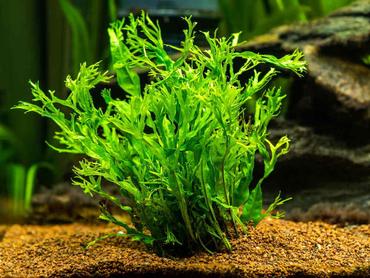
When selecting tank mates, consider the physical limitations of the varieties. For example, Black Moors and Bubble Eye goldfish have delicate features and poor vision. They should be kept with other slow-moving fancies. Understanding the basics of freshwater fish compatibility is crucial because goldfish are also notorious "nibblers" of live plants. If you want a green tank, stick to tough-leaved species like Anubias, Java Fern, or Hornwort. Soft-leaved plants like Amazon Swords or Duckweed will simply be treated as an expensive salad bar by your goldfish.
Some hobbyists attempt to keep "cleaner" fish with goldfish, such as Plecostomus. This is a dangerous beginner mistake. Most Plecos are tropical and require warmer water, but more importantly, they are known to suck on the sides of goldfish to eat their nutrient-rich slime coat, especially at night. This leaves the goldfish with open sores and high stress. If you need a cleanup crew for a goldfish tank, stick to large snails like Mystery Snails or Nerite Snails. These invertebrates are generally ignored by goldfish and help manage algae without posing a threat to the fish's health.
- Best Tank Mates: Other goldfish of similar swimming ability and size.
- Invertebrates: Large snails are great; however, avoid small shrimp like Cherry Shrimp, as they will be eaten.
- Avoid: Tropical fish, Plecos, and aggressive barbs or cichlids.
- Group Size: A minimum of two fish is recommended to provide social stimulation.
- Territoriality: While generally peaceful, two males may occasionally "chase" during spawning periods; ensure there are plenty of open swimming spaces.
Nutrition: The Key to Preventing Swim Bladder Issues
Proper nutrition is the cornerstone of goldfish health, especially for fancy varieties. Because of their compressed body shape, their internal organs are crowded, making them highly susceptible to constipation and swim bladder disorders. When a goldfish becomes "backed up," the pressure on the swim bladder causes the fish to float upside down or struggle to stay off the bottom. To prevent this, avoid feeding strictly floating flakes. Goldfish gulp air when eating at the surface, which fills their digestive tract with gas. Instead, opt for high-quality sinking pellets or gel foods that are easier to digest.
Supplementing their diet with blanched vegetables is essential. Peas (with the skins removed) act as a natural laxative and should be fed at least once a week. Spinach, kale, and deshelled zucchini are also excellent options. Goldfish are omnivores, so while they need plenty of plant matter, they also benefit from occasional protein boosts like frozen bloodworms or brine shrimp. However, these high-protein treats should be fed sparingly to avoid taxing their kidneys and causing water quality issues. A varied diet ensures they receive the full spectrum of vitamins and minerals needed for vibrant scale color and wen development.
One of the most important aspects of feeding is the "two-minute rule." Only feed what the fish can completely consume in two minutes. Any food left over will sink into the substrate and rot, contributing to the dangers of high ammonia, nitrite and nitrate. If you notice your water becoming cloudy after feeding, you are likely overfeeding. In a well-balanced tank, goldfish should spend most of their day "foraging"—picking through the sand or stones looking for microscopic bits of food. This is natural behavior that keeps them active and mentally stimulated.
- Sinking Pellets: The primary diet for fancies to prevent air-gulping.
- Gel Food: Highly digestible and excellent for senior fish or those with chronic digestive issues.
- Fiber is Life: Weekly feedings of peas or leafy greens are mandatory for fancy goldfish.
- Live Foods: Daphnia is an excellent "clean out" food that provides both protein and fiber.
- Avoid Bread: Never feed bread or human crackers; these swell in the gut and can be fatal.
Maintenance Routines for High-Waste Environments
Because goldfish are high-waste producers, your maintenance routine must be more rigorous than that of a typical community tank. A "set it and forget it" mentality will quickly lead to disaster. Weekly water changes of 50% are common among successful goldfish keepers. When you perform these changes, use a gravel vacuum to suck out waste trapped in the substrate. This physical removal of detritus prevents it from breaking down into nitrates. Nitrates, while less toxic than ammonia, can stunt growth and suppress the immune system if they climb above 40 ppm.
Filter maintenance is equally important. You should rinse your filter sponges in a bucket of used tank water (never tap water!) at least once a month. This removes the "sludge" that restricts water flow without killing the beneficial bacteria. If you use a canister filter, check the hoses for biofilm buildup, as this can reduce flow by up to 50%. Keeping your equipment in top shape ensures that the "beating heart" of your aquarium never skips a beat. Additionally, test your water parameters weekly using a liquid test kit. Keeping a log of these results can help you spot trends, such as a gradual drop in pH, which often happens in older goldfish tanks as the minerals are depleted.
Common health issues to watch for include "Ich" (white spot disease), which is often triggered by temperature fluctuations, and "Fin Rot," which is almost always a result of poor water quality. If you see your fish "flashing"—rubbing their bodies against rocks or the substrate—it is a sign of external parasites or irritation from high ammonia. Most goldfish ailments can be cured simply by improving water quality and adding aquarium salt, but early detection is the key to success. Spending ten minutes a day just watching your fish swim and eat is the best diagnostic tool you have.
- Water Testing: Ammonia and Nitrite must always be 0; Nitrate should be kept below 20-30 ppm.
- Glass Cleaning: Use a magnetic scraper to keep algae at bay, but leave some on the back wall for the fish to snack on.
- Equipment Check: Ensure heaters are calibrated and air pumps are humming quietly.
- Algae Management: Goldfish eat many types of algae, but hair algae should be removed manually to prevent tangling.
- Dechlorination: Never forget to use a high-quality water conditioner during water changes to neutralize chlorine and chloramines.
Common Myths vs. Scientific Reality
The most persistent myth in the hobby is that goldfish only grow to the size of their container. This is a dangerous half-truth. While a goldfish's external growth may be stunted by a small tank due to the accumulation of growth-inhibiting hormones, their internal organs continue to grow. This leads to organ compression and a painful, premature death. A goldfish that "should" live twenty years often dies at three or four in a bowl due to this stunted growth. This is why providing a large tank from day one is a moral obligation for the hobbyist.
Another myth is the "three-second memory." Science has debunked this repeatedly. Goldfish can be trained to recognize colors, navigate mazes, and even tell time (they often wait at the feeding spot just before their owner arrives). They are intelligent enough to recognize their keepers and will often "beg" for food when they see a specific person enter the room. This intelligence makes them incredibly rewarding pets, as they truly interact with their environment and their owners in a way that many smaller fish do not.
Finally, many believe that goldfish are "easy" pets for children. While they are hardy and forgiving of some beginner mistakes, the physical labor involved in maintaining a 40-gallon tank is often too much for a child. Goldfish are best suited for families who want a long-term pet or individual hobbyists who appreciate the "slow" beauty of a well-maintained freshwater reef. They are not disposable; they are a twenty-year commitment that requires as much attention as a cat or a small dog.
- Myth: They only live 2 years. Reality: They can outlive many dogs and cats.
- Myth: They don't need a filter. Reality: They need more filtration than almost any other freshwater fish.
- Myth: They are boring. Reality: Their personalities and breeding behaviors are complex and fascinating.
- Myth: They are fine in a bowl. Reality: A bowl is a death trap for any fish, especially a goldfish.
Takeaway: Commitment Leads to Success
Keeping goldfish is a bridge between the historical roots of the fish-keeping hobby and the sophisticated techniques of modern aquarists. By providing these intelligent creatures with the space they need, robust filtration, and a fiber-rich diet, you can move past the limitations of the "goldfish bowl" and create a stunning, healthy display. Success with goldfish is not about luck; it is about the consistency of your care and your willingness to respect their unique biological requirements. Whether you are starting your first 40-gallon fancy goldfish tank or building a sprawling backyard pond for Comets, the joy of watching these vibrant fish thrive is unmatched. They are truly the "golden" standard of the aquarium world.
Ready to upgrade your setup or find the perfect filtration for your messy eaters? Explore our in-depth equipment reviews and community galleries at RateMyFishTank.com to take the next step in your hobby! If you have a question about a specific variety or your current water parameters, join our forums and connect with expert keepers today. Would you like me to help you design a customized feeding and water change schedule for your specific goldfish variety?

MOST RECENT ARTICLES