LIVE PLANT BASICS FOR FRESHWATER COMMUNITY AQUARIUMS
The Biological Engine: Why Plants are Essential
In a standard freshwater community aquarium, the nitrogen cycle is the invisible heartbeat of the system. Fish consume food and produce waste in the form of ammonia, which is then converted by beneficial bacteria into nitrites and finally into nitrates. While nitrates are less toxic than ammonia, they still build up over time and can stress your fish if they aren't removed through regular water changes. This is where live plants step in as your most valuable teammates. Plants "eat" nitrates, using them as a primary nitrogen source for growth. By incorporating a high volume of plant mass, you are essentially adding a second, biological filtration system that works 24/7 to keep the water safe.
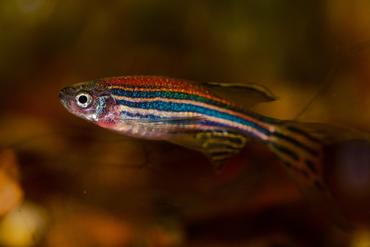
Beyond nutrient export, plants are the primary producers of oxygen in the underwater world. Through photosynthesis, they take in the carbon dioxide exhaled by your fish and release pure, dissolved oxygen. This is particularly beneficial in community tanks stocked with active swimmers like Zebra Danios or Rummy Nose Tetras, which have high metabolic rates and oxygen demands. Furthermore, live plants release natural tannins and humic acids—depending on the species—which can have mild antibacterial properties and help mimic the soft, slightly acidic water conditions found in many of the world’s tropical river systems. When you look at a planted tank, you aren't just looking at a garden; you are looking at a stabilized, self-cleaning biological engine.
Benefits of Live Plants
- Nitrate Reduction: Fast-growing plants like Hornwort or Water Sprite can significantly lower nitrate levels between water changes.
- Algae Competition: By outcompeting algae for available nutrients and light, a well-planted tank stays clearer for longer.
- Micro-Ecosystems: Plants provide surfaces for "aufwuchs"—a mixture of algae, fungi, and bacteria—which serves as a natural food source for fry and shrimp.
Choosing the Right Plants for the Community Setting
One of the biggest hurdles for beginners is the sheer variety of plants available. It is easy to be seduced by a vibrant red plant at the local fish store, only to have it melt away in a week because it required high-intensity lighting and pressurized CO2. For a community aquarium, the goal is usually "low-tech" success—plants that thrive in standard conditions without requiring a degree in chemistry. Success starts with selecting species that are categorized by their growth habits: epiphytes, root feeders, and stems.
Epiphytes (The "Glue-and-Go" Plants)
Plants like Java Fern (Microsorum pteropus) and various Anubias species are perfect for beginners. They have a thick horizontal stem called a rhizome. In the wild, these plants grow on rocks or fallen logs near waterfalls. In the aquarium, you should never bury the rhizome in the substrate, or it will rot. Instead, use a bit of thread or aquarium-safe glue to attach them to driftwood. These are incredibly hardy and can survive in very low light, making them ideal for the corners of the tank where light might be dim.
Root Feeders (The Heavy Eaters)
The Amazon Sword (Echinodorus) and Cryptocoryne are staples of the hobby. These plants develop massive root systems and pull the majority of their nutrients from the "soil" rather than the water column. They are excellent for creating a "forest" look. Amazon Swords can grow quite large, making them perfect background plants that provide a sense of security for larger community fish like Pearl Gouramis or Angelfish. Cryptocoryne species come in various colors, including deep bronzes and reds, adding visual variety without the difficulty of high-maintenance red plants.
Stem Plants (The Fast Growers)
If you want to see quick results, stem plants like Hygrophila polysperma or Bacopa caroliniana are the way to go. These plants grow vertically and can be easily propagated by cutting the top off and sticking it back into the substrate. They are great for soaking up excess nutrients and providing a dense thicket for shy species like Harlequin Rasboras to hide in.
The Foundation: Substrate and Fertilization Strategy
To have a "green thumb" underwater, you must first focus on what’s under the ground. Many beginners start with standard large-diameter blue or neon gravel. While this is fine for plastic decor, it is often too coarse for delicate plant roots and contains zero nutrients. If you are serious about live plants, consider a specialized "active" substrate. These are often clay-based soils that have a high Cation Exchange Capacity (CEC), meaning they can grab nutrients from the water and hold them for the plant roots to use.
However, you don't have to tear down your tank if you already have gravel or sand. You can turn an "inert" substrate into a fertile one by using root tabs. These are small tablets of concentrated fertilizer that you bury deep into the substrate every 3 to 4 inches. Over the course of 2 to 3 months, they slowly release minerals directly to the roots. This is the most efficient way to grow heavy root feeders like Swords and Crypts without causing a massive algae bloom in the water column.
In addition to root fertilization, liquid fertilizers are essential for plants that take nutrients from the water, such as Java Moss or floating plants like Amazon Frogbit. A "comprehensive" liquid fertilizer should contain both macro-nutrients (Nitrogen, Phosphorus, Potassium) and micro-nutrients (Iron, Manganese, Boron). In a community tank, your fish will provide most of the Nitrogen and Phosphorus through their waste, so often a "lean" fertilizer focusing on Potassium and micro-nutrients is all you need to keep things looking vibrant.
Lighting and the Importance of Consistency
Light is the fuel for photosynthesis, but it is also the most common cause of failure for new plant keepers. There is a delicate balance to strike: too little light and the plants will turn yellow and die; too much light and your tank will turn into a bowl of green pea soup. Most modern LED aquarium lights are designed to support "low to medium" light plants, which is perfect for the community hobbyist.
Consistency is more important than raw power. In nature, the sun rises and sets at the same time every day. In an aquarium, the human element often leads to irregularity—forgetting to turn the light on one day or leaving it on for 14 hours the next. This stress can weaken plants and empower algae. Invest in a simple, inexpensive plug-in timer and set it for a 7-to-8-hour "photo-period." This gives the plants enough time to process nutrients without giving algae a foothold.
If you notice your plants are "reaching" or becoming leggy (long spaces between leaves), they are likely searching for more light. Conversely, if you see dark green spots or hair-like tufts growing on the leaves, your light may be too intense or left on too long. Adjusting the height of the light or using floating plants to provide some natural shade can help balance the intensity for low-light species like Anubias.
Compatibility: Balancing Fish Behavior with Botany
A beautiful planted tank is only successful if the inhabitants don't destroy it. While most community fish like Tetras, Guppies, and Platies are "plant-safe," there are several popular species that can cause havoc in a garden. Understanding these behaviors is key to a peaceful tank. For example, many herbivorous fish see live plants as a food source rather than decor.
The Diggers
Many Cichlids, even smaller ones like Kribensis or Rams, like to move substrate around during spawning. If you have unrooted stem plants, you may find them floating at the surface every morning. To counter this, use heavy rocks or lead plant weights to anchor stems until they establish a strong root system. For larger "earth-eaters," stick to epiphytes attached to wood, which are out of their digging range.
The Shredders
Silver Dollars, Buenos Aires Tetras, and most Goldfish species are notorious for eating soft-leaved plants. If you want to keep these fish in a planted setting, you must choose "tough" plants. Anubias and Java Fern have thick, bitter-tasting leaves that most fish find unpalatable. On the other hand, if you have a tank of "fin-nippers," dense foliage like Hornwort can provide a visual break that reduces aggression.
The Gardeners
Some fish actually help you maintain your plants. Otocinclus Catfish and Amano Shrimp are the "janitors" of the planted world. They spend their entire lives cleaning the surfaces of leaves, removing the thin films of algae that can block light from reaching the plant's cells. Including these species in your community mix will drastically reduce the amount of manual maintenance you have to perform. For more on choosing your cleanup crew, read about the best algae eaters for your freshwater aquarium.
Maintenance and Troubleshooting Common Issues
Once your plants are established, they require a different type of maintenance than a "fish-only" tank. Pruning is the most common task. As stem plants reach the surface, they may begin to shade the plants below them. Using a pair of long aquarium scissors to trim the tops encourages the plant to grow bushier rather than just taller. You can then take those trimmings and plant them in other areas of the tank—essentially getting new plants for free!
The "Melting" Mystery
One of the most discouraging things for a beginner is seeing a brand-new plant turn to mush. This is often called "Crypt Melt" or "Emersed-to-Submersed" transition. Many plants are grown with their leaves in the air at the nursery. When they are put underwater in your tank, the old leaves die off so the plant can grow new, "water-breathing" leaves. If you see the roots are still firm and white, do not throw the plant away. Trim the dying leaves and wait; new growth will usually appear within two weeks.
Identifying Nutrient Deficiencies
Your plants will tell you what they need if you know how to read them. Yellowing leaves with green veins often indicate an iron deficiency. Holes in the leaves that look like "pinholes" usually mean the plant is lacking potassium. In a community tank, if the older leaves are turning yellow and falling off, the plants might actually be starving for nitrogen—a rare but possible scenario if you have a very large plant mass and a very small fish load.
Dealing with Algae
Algae is a natural part of any ecosystem, but in a planted tank, it is a sign of imbalance. If you see "Black Brush Algae" (dark, fuzzy tufts), it often points to fluctuating CO2 levels or poor water flow. "Blue-Green Algae" is actually a bacteria (Cyanobacteria) that thrives when nitrates are too low or when there is "dead air" in the tank with no water movement. Regular 25% water changes, avoiding overfeeding, and ensuring your filter provides adequate circulation will solve 90% of algae issues.
Takeaway: Creating Your Underwater Sanctuary
Starting a planted community aquarium is a journey of patience and observation. By shifting your focus from just "keeping fish" to "cultivating an environment," you create a more stable, beautiful, and healthy home for your aquatic pets. Live plants provide the structure, safety, and biological filtration that allow a community tank to truly flourish. Start with hardy, low-light species, ensure your substrate is nutrient-rich, and keep your lighting consistent. Over time, you will find that the plants become just as fascinating as the fish they surround.
The beauty of the hobby is that it is always evolving. As your confidence grows, you might find yourself experimenting with different textures, colors, and aquascaping styles. Whether you want a neat, manicured Dutch-style garden or a wild, overgrown jungle look, the principles remain the same. We encourage you to keep learning and exploring the endless possibilities of the planted tank. For more expert tips and community discussions on the best gear and species, stay tuned to RateMyFishTank.com and share your progress with fellow hobbyists!
MOST RECENT ARTICLES