AQUARIUM PHOTOGRAPHY: PRO TIPS FOR CAPTURING THE PERFECT TANK SHOT
1. Choose the Right Equipment for Aquarium Photography
The first step in successful aquarium photography is ensuring you have the right equipment. While many smartphones today have powerful cameras, for those looking to capture truly professional-level shots, a DSLR or mirrorless camera is your best bet. Below are some equipment tips to get you started:
- Camera: While smartphones can do a decent job, a DSLR or mirrorless camera will give you more control over settings like aperture, shutter speed, and ISO. Look for a camera with good low-light performance since aquariums often present low-light conditions.
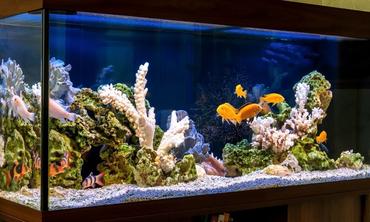
- Lenses: For close-up shots of fish, a macro lens is ideal. If you want to capture the entire tank, a wide-angle lens will help you fit everything in. Popular options include a 50mm f/1.8 for portraits or a 16mm-35mm f/4 for tank shots.
- Tripod: A tripod is essential for steady shots and avoiding camera shake, especially in low light. It helps you avoid blurry images, ensuring your shots remain sharp and crisp.
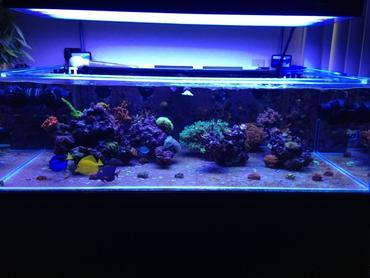
- Lighting: Natural light can be tricky, so consider investing in an aquarium-specific LED light. These lights reduce glare and make colors pop, while also mimicking natural sunlight.
Once you have your equipment, take the time to familiarize yourself with the settings of your camera. Learning how to manually adjust your exposure, white balance, and focus can greatly improve the final results of your aquarium photos.
2. Mastering Tank Lighting for Better Photos
Lighting can make or break your aquarium photos. Improper lighting can cause harsh reflections or shadows that obscure the beauty of your tank. Here are some tips on how to manage lighting for aquarium photography:
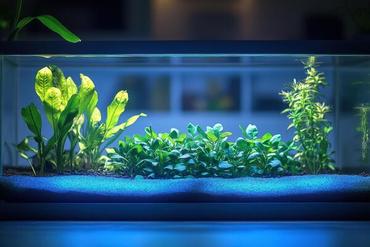
- Use LED Lighting: LED lights provide even illumination and are less likely to cause harsh glares compared to traditional bulbs. Many aquarium lights are also adjustable in terms of intensity and color temperature, giving you greater flexibility.
- Avoid Overhead Lighting: Overhead lights can create unwanted reflections on the glass. Instead, position your tank's light source in a way that minimizes reflections or glare.
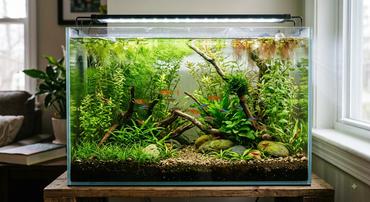
- Natural Light: If possible, use natural light from a nearby window. Soft, diffused light will bring out the colors in your fish without causing too much glare. But be cautious of direct sunlight, which can overexpose your photo.
- Consider a Backlight: In some cases, positioning a light behind the tank can create a beautiful backlit effect that highlights the fish or plants in the aquarium. Experiment with different lighting angles for varied effects.
If you’re struggling with harsh lighting or reflections, consider using a lens with a polarizing filter. A polarizer reduces glare from the water surface and glass, helping your photos appear cleaner and more detailed.
3. Capture the Best Fish Species for Photography
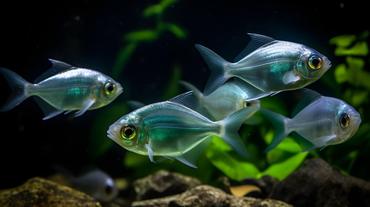
When photographing your aquarium, the species of fish you have will greatly impact the final image. Some fish are naturally more photogenic due to their vibrant colors, behaviors, and size. Here are some great fish species that make for stunning photos:
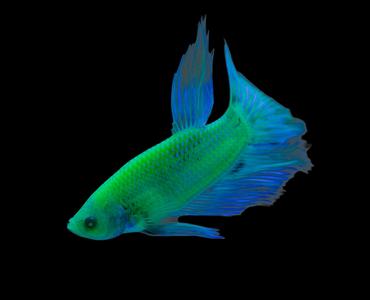
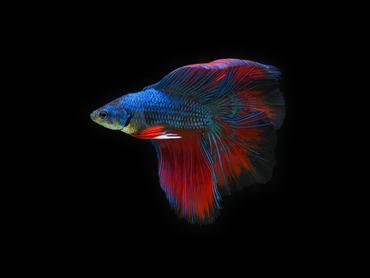
- Betta Fish: Known for their stunning, flowing fins and vibrant colors, bettas make an excellent subject for close-up shots. Their bold colors pop against the backdrop of a well-lit aquarium.
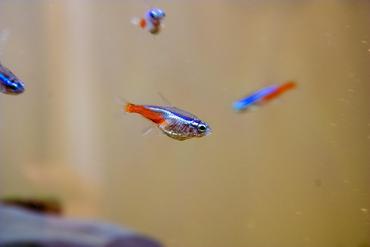
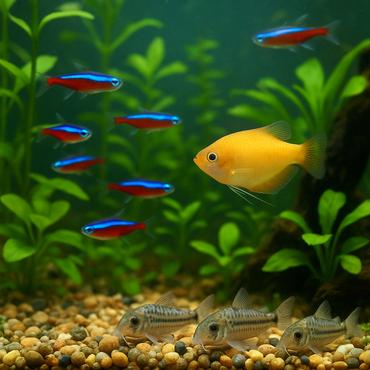
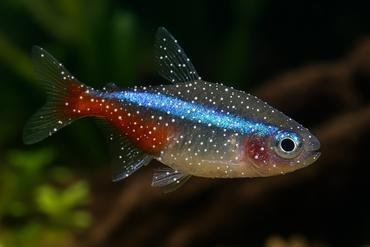
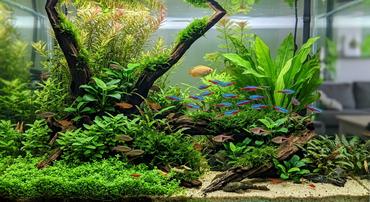
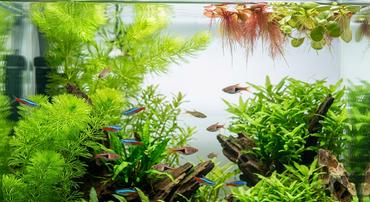
- Neon Tetras: These small, shimmering fish are ideal for wide-angle shots. Their blue and red coloring adds a lot of life to an aquarium shot.
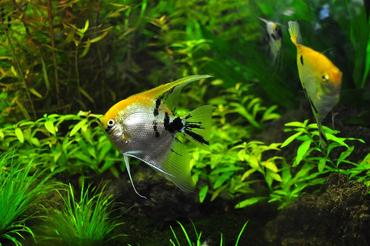
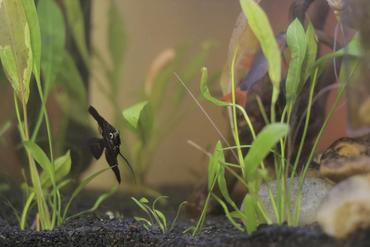
- Angelfish: With their unique, triangular bodies and flowing fins, angelfish offer a dramatic look in photos. Capture them as they glide gracefully through the water.
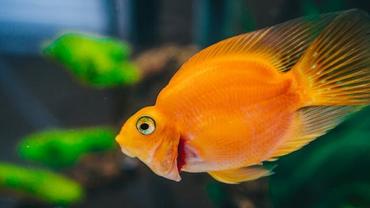
- Discus Fish: These round, colorful fish make an eye-catching subject. Their bright colors and striking patterns are often best captured in close-up shots.
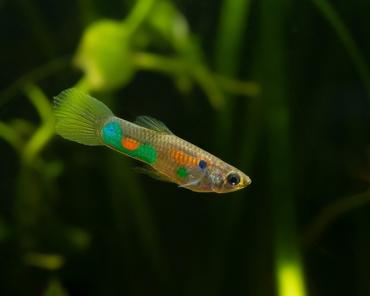
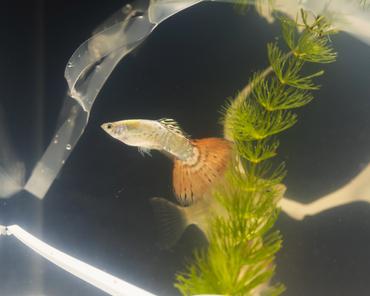
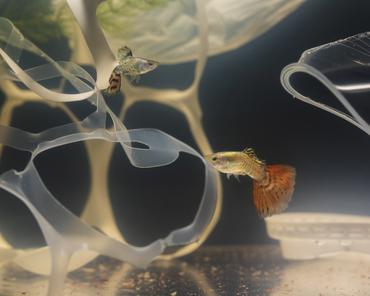
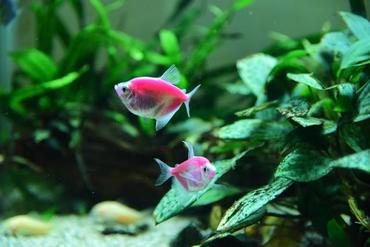
- Guppies: Guppies are small but incredibly colorful, making them perfect for aquarium photography. Their playful movements often make for engaging action shots.
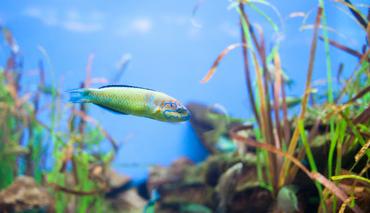
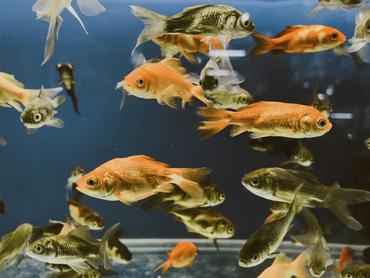
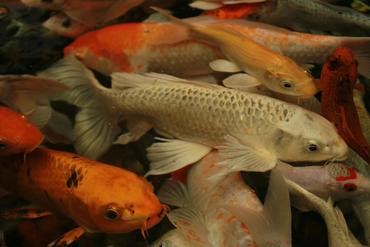
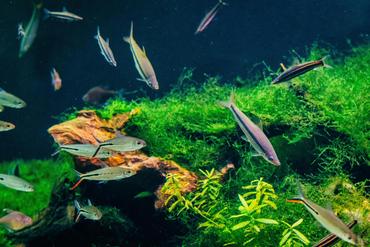
Remember, it's not just about the species but how they interact with the environment. Try to capture moments where the fish are active, displaying interesting behaviors like schooling or feeding.
4. Composition and Angles: Framing the Perfect Shot
Composition is one of the most important aspects of aquarium photography. While it can be tempting to snap a picture from the front of the tank, experimenting with angles and framing can elevate your photos.
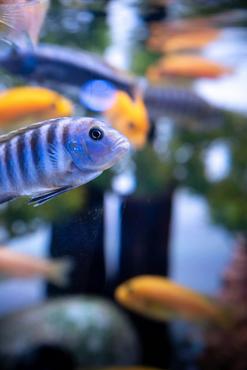
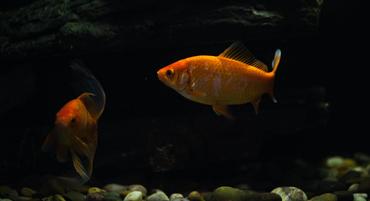
- Get Low: Instead of shooting from above, try getting closer to the tank and shoot from eye level or below. This gives your photos more depth and highlights the fish's natural movements.
- Use the Rule of Thirds: When framing your shot, avoid placing the subject in the center of the frame. Instead, use the rule of thirds to create a more dynamic composition by aligning your subject along one of the intersecting lines of the grid.
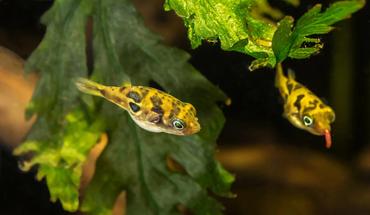
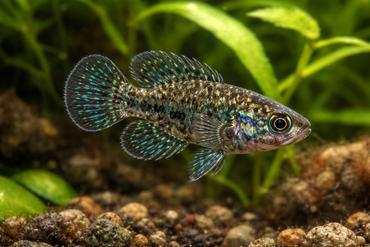
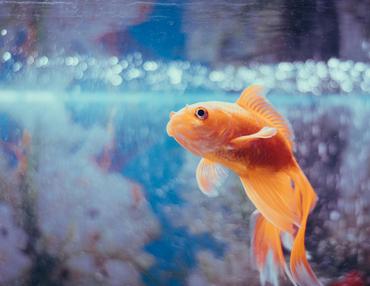
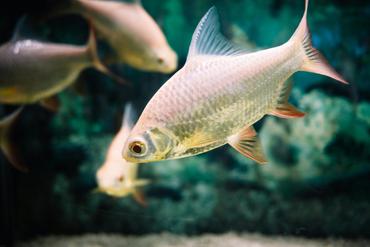
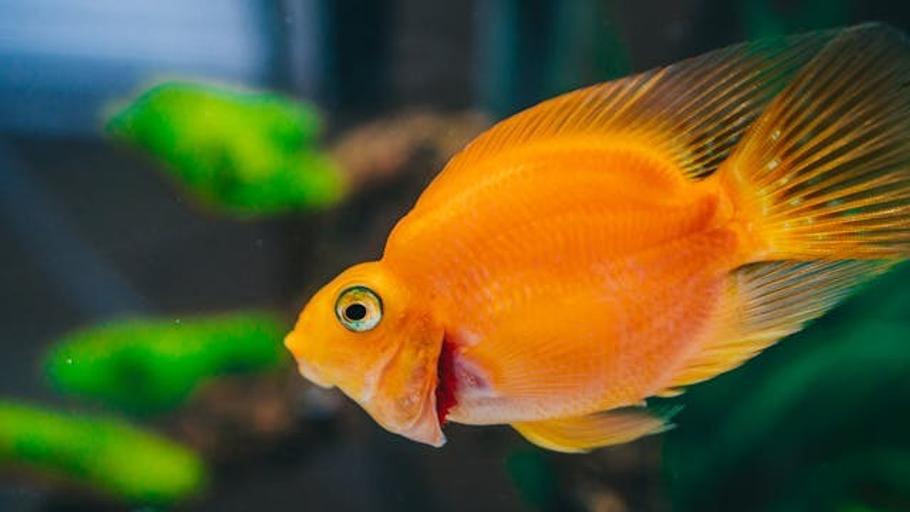
- Focus on the Details: Sometimes the best aquarium shots focus on the finer details—like the scales of a fish or the delicate leaves of aquatic plants. Use a macro lens to capture these intricate moments.
- Experiment with Reflections: Don't be afraid to incorporate reflections from the glass or surface of the water into your shots. With the right lighting, reflections can add texture and intrigue to your composition.
- Capture Action: Fish are constantly moving, so try to capture moments of motion. A fish darting through plants or schooling with others can create stunning action shots.
Additionally, you can try shooting during different times of the day to see how the light changes and affects your aquarium. Natural light during the golden hour (early morning or late evening) can provide soft, warm tones.
5. Editing Your Aquarium Photos: Enhancing the Final Image
After capturing your aquarium shots, post-processing can enhance the colors, contrast, and details of your image. Here are some basic editing tips to take your photos to the next level:
- Adjust Exposure: If your photo is too dark or too bright, adjusting the exposure in a photo editor can help balance the light levels.
- Enhance Colors: Boost the vibrancy of your aquarium’s colors, especially the fish and plants, by increasing the saturation. But be careful not to overdo it—colors should still look natural.
- Sharpen the Image: Use sharpening tools to enhance the details of your fish, plants, or substrate. This is especially helpful for close-up shots where you want to highlight texture.
- Crop and Straighten: If your composition isn't perfect, crop the image to eliminate distractions and straighten the horizon. A well-cropped image focuses attention on the subject.
For more advanced editing, consider using software like Adobe Lightroom or Photoshop. These tools offer more precise control over lighting, color grading, and noise reduction.
6. Compatibility and Care Considerations
While it's tempting to focus solely on photography, remember that your fish's health and the overall tank environment play a crucial role in how your aquarium looks in photos. Here are some care tips to ensure both your fish and photos thrive:
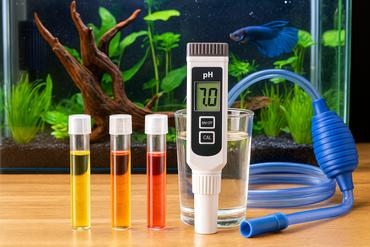
- Tank Maintenance: Regular cleaning of the glass, substrate, and filtration system ensures that your tank remains clear for photography. Dirty tanks can lead to murky water and distracting particles in your shots.
- Fish Health: Ensure your fish are healthy and active before attempting a photoshoot. Stress or illness can cause fish to hide or appear dull in photos.
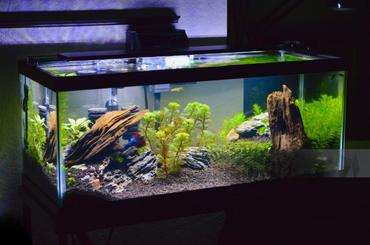
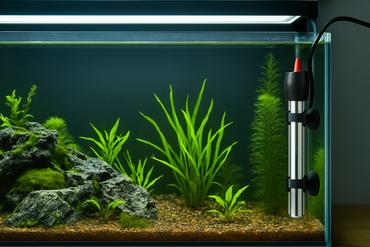
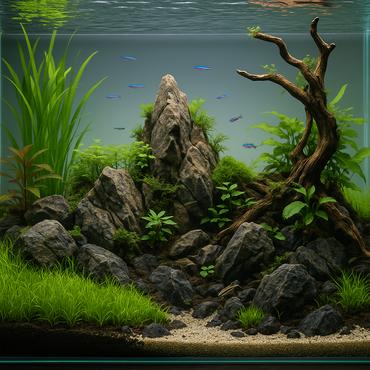
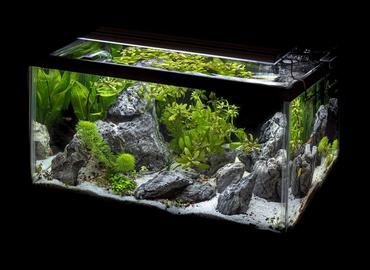
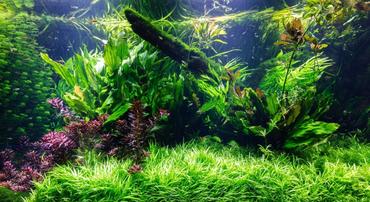
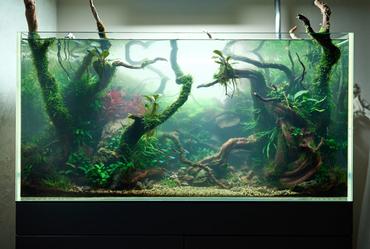
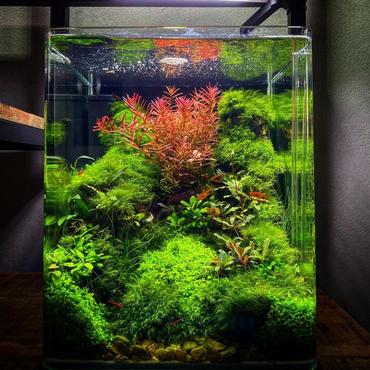
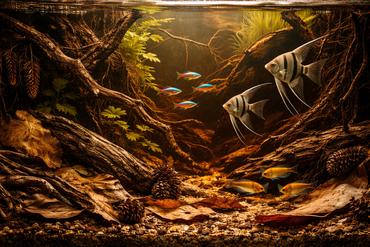
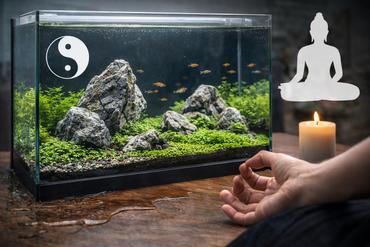
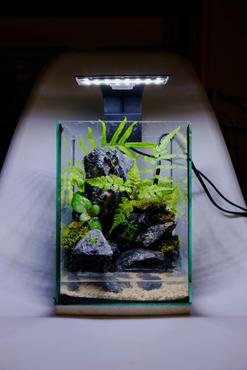
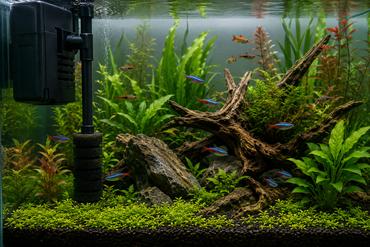
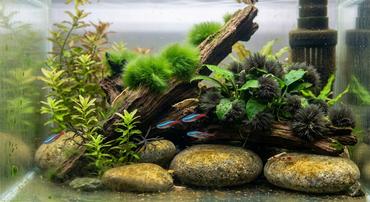
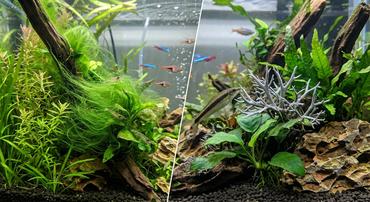
- Aquascaping: Your plants and decorations should complement your fish and create a visually appealing environment. Healthy plants not only look better in photos but also provide a more natural setting for your fish.
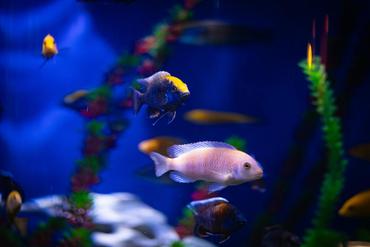
- Compatibility: Make sure the species in your tank are compatible, as aggressive fish can cause stress, which may affect their behavior in photos. Choosing peaceful community species can create a more serene atmosphere in your shots.
By maintaining a healthy tank, you'll not only create a beautiful aquarium but also a perfect environment for capturing stunning photographs.
Takeaway: Capture the Beauty of Your Aquarium!
Aquarium photography is both an art and a science, but with the right equipment, lighting, and techniques, anyone can capture breathtaking shots of their tank. Remember to be patient—getting that perfect shot takes time, practice, and experimentation. Whether you're shooting your fish, plants, or aquascaping, take the time to perfect your photos and showcase your hard work. Don’t forget to share your best shots with the aquarium community at RateMyFishTank.com!
For more tips and tricks on aquarium setup, care, and fish species, check out our additional resources and keep honing your skills!
MOST RECENT ARTICLES