CONSTIPATION/INDIGESTION IN AQUARIUM FISH

Recognizing the Early Symptoms of Fish Constipation and Indigestion
Because fish cannot vocalize physical discomfort, identifying digestive distress requires keen daily observation of their physical shape, swimming posture, and waste production. Early detection is the single most important factor in resolving intestinal blockages before they escalate into systemic infections or irreversible organ damage. While a well-fed fish normally exhibits a slightly rounded stomach after meals, a constipation-related swelling looks distinctly different: the abdomen appears rigidly tight, asymmetrical, or unnaturally distended for prolonged periods.
The most common clinical and behavioral indicators of digestive trouble include:
- Abdominal Swelling or Asymmetrical Bloating: A hard, rounded protrusion in the lower abdomen that remains unchanged long after feeding time.
- Trailing, Stringy, or Discolored Feces: Long, pale, or clear strings of waste hanging from the vent that do not detach naturally.
- Severe Lethargy and Substrate Resting: Loss of normal movement, resting heavily on gravel, or hiding in dark plants and caves.
- Spurning or Spitting Out Food: Complete loss of appetite, or swimming toward food eagerly only to spit it out repeatedly.
- Buoyancy Control Loss (Swim Bladder Pressure): Struggling to stay submerged, bobbing head-down or tail-up, or drifting helpless to the surface.
It is vital for intermediate keepers to differentiate simple digestive blockages from more critical pathological disorders like Dropsy or severe infectious bloat. Constipation is a mechanical obstruction of the gut that causes localized abdominal swelling without affecting the scales. Dropsy, by contrast, is a manifestation of kidney or organ failure that causes massive body-wide fluid retention, resulting in the classic "pinecone" appearance where scales stick outward across the entire trunk. Differentiating mechanical indigestion from systemic bacterial illness prevents you from misusing harsh chemical medications that can disrupt your tank's fragile biological ecosystem.
Primary Root Causes of Digestive Blockages in Captive Aquariums
In wild habitats, freshwater and marine fish forage continuously throughout the day. Their natural diets consist of live micro-crustaceans packed with fibrous chitin, algae films, insect larvae, and rough plant cellulose that keep waste moving smoothly through their long gastrointestinal tracts. In a home aquarium, however, reliance on processed commercial foods and stagnant routines frequently upsets this delicate digestive process.
The primary culprit behind captive fish constipation is the improper presentation of dry commercial foods. Standard dry flakes, freeze-dried bloodworms, and dense micro-pellets contain very little moisture. When a hungry fish swallows dry pellets directly from the surface, those morsels rapidly absorb water inside the stomach. As the food expands inside the tight intestinal walls, it traps swallowed surface air and forms a dense mass that brings peristalsis—the muscular contractions that push food along—to a complete standstill. Furthermore, lower-tier commercial feeds loaded with binding fillers such as corn gluten, wheat flour, or heavy soybean meal lack the digestible roughage needed to maintain regular bowel movements.
Environmental factors play an equally destructive role in fish digestion. Because fish are ectothermic (cold-blooded) organisms, their physiological processes and metabolic rates are governed entirely by ambient water temperature. If a heater fails or seasonal shifts cause tank temperatures to drop below the optimal range for a given species, gut motility slows to a crawl. Food sitting inside the stomach begins to ferment rather than digest, causing gas production, internal inflammation, and severe indigestion. Compounding this with overfeeding—giving more food than fish can process cleanly within two minutes—guarantees a chronic backlog in your fish's digestive health.
High-Risk Fish Species and Dietary Compatibility Considerations
While an improper diet can cause indigestion in any species, selective breeding and natural evolutionary adaptations make certain popular freshwater and saltwater fish exceptionally susceptible to intestinal impaction. Being aware of these high-risk physical profiles helps you customize feeding techniques to protect vulnerable livestock.
Fancy goldfish varieties—including Orandas, Black Moors, Fantails, and Ryukins—are notorious for developing severe constipation and swim bladder complications. Centuries of selective breeding for egg-shaped, compacted bodies have drastically squished their internal anatomy. Their digestive tracts and swim bladders are packed tightly together, meaning even the slightest intestinal swelling from expanding dry pellets puts physical pressure on the swim bladder, leaving the fish struggling upside down at the surface. Deep-bodied gouramis, Angelfish, and surface-gulping Siamese Fighting Fish (Bettas) also face heightened risks due to their short gut lengths and habits of ingesting air while feeding.
Maintaining digestive wellness in a community aquarium requires careful management of dietary compatibility among different species. Haphazardly mixing strict herbivores with aggressive carnivores frequently leads to digestive disasters. Herbivorous species fed high-protein, meat-heavy rations cannot process dense lipid fats, which quickly leads to intestinal impaction. Conversely, obligate carnivores starved of animal proteins will suffer from nutritional deficiencies and poor gut tone.
- Fancy Goldfish (Freshwater): Require sinking, fiber-rich vegetable formulas supplemented with steamed leafy greens and deshelled peas to keep their compressed organs clear.
- Siamese Fighting Fish / Bettas (Freshwater): Require high-protein insect pellets pre-soaked in water, alongside periodic feedings of chitinous live or thawed frozen foods.
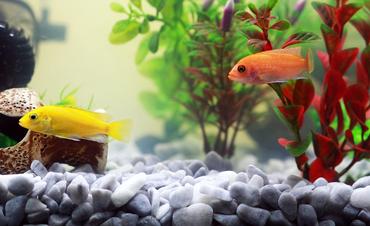
- African Rift Lake Cichlids (Freshwater): Species like Pseudotropheus (Mbuna) must be fed specialized spirulina diets; rich animal proteins trigger "Malawi Bloat," a fatal gastrointestinal reaction.
- Tangs and Surgeonfish (Saltwater): Depend on continuous vegetable roughage, such as natural macroalgae or dried Nori sheets, to maintain constant intestinal motility.
- Bottom-Dwelling Catfish & Loaches: Corydoras, Plecostomus, and Kuhli loaches need sinking algae wafers containing structural plant cellulose to ensure proper digestion.
For detailed advice on selecting compatible tank mates that share matching nutritional requirements, read our Community Fish Compatibility Guide. Matching dietary profiles during the stocking phase is the easiest way to prevent lifelong feeding conflicts and indigestion.
Step-by-Step Practical Treatment for Fish Indigestion and Constipation
Treating a constipated fish requires a patient, conservative strategy. Reaching instantly for chemical treatments or antibiotics is counterproductive; medications do not clear physical blockages and can severely damage the beneficial nitrifying bacteria residing in your filtration media. Instead, implement this reliable three-step therapeutic regimen to safely relieve internal blockages.
Step 1: Execute an Immediate 48- to 72-Hour Fast
At the first sign of abdominal swelling, abnormal stringy waste, or buoyancy struggle, stop adding all food to the aquarium. Adult fish possess metabolic reserves that allow them to go without food for several days without harm. Fasting halts the influx of new material, giving the gastrointestinal tract time to rest, reduce internal inflammation, and process existing waste trapped behind the obstruction. In mild cases, a simple 48-hour fast is all that is required for the fish to pass the blockage naturally.
Step 2: Administer Natural Laxative Treatments
If fasting alone does not clear the blockage after two to three days, introduce a natural, fiber-rich laxative food. The most trusted home remedy for omnivorous and herbivorous species is the cooked green pea trick. Green peas are rich in water-soluble fiber that passes through the intestine, sweeping out trapped material and gas.
- Take a single frozen green pea and boil or microwave it in a small dish of water for 30 to 45 seconds until soft.
- Cool the pea in cold water, then pinch it gently between your fingers to pop off and discard the tough, indigestible outer skin.
- Cut the soft inner pea halves into tiny, bite-sized fragments matched to your fish's mouth size.
- Feed one or two small pieces directly to the affected fish.
For carnivores—such as Bettas, Badis, or predatory marine fish—that ignore vegetable matter, use live or thawed frozen Daphnia (water fleas) instead. The hard indigestible exoskeleton of tiny Daphnia acts as an effective chitinous laxative, stimulating muscular contractions in the digestive tract to push out stubborn waste.
Step 3: Perform an External Epsom Salt Dip
If severe abdominal distension persists and the fish is unable to pass waste, treat the animal with an external Epsom salt bath. Epsom salt (magnesium sulfate) acts as a natural muscle relaxant and osmotic agent. It draws out excess fluid from swollen body tissues and relaxes smooth intestinal muscles, helping the fish evacuate its bowels. Note: Never use regular sodium chloride aquarium salt for constipation, as standard salt promotes fluid retention rather than fluid release.
To perform an Epsom salt bath, mix 1 tablespoon of pure, unscented magnesium sulfate per 1 gallon of conditioned water in a clean, dedicated treatment bucket. Ensure the treatment bucket matches your main display tank in temperature and pH. Submerge the constipated fish in this bath for 15 to 20 minutes while observing it closely. If the fish shows signs of severe distress, such as roll-overs or rapid gasping, return it to the main tank immediately. Otherwise, return the fish to its normal tank after 20 minutes; waste evacuation often follows shortly after.
If you need to isolate a severely ill fish for close monitoring and treatment, consult our complete step-by-step guide on aquarium setup and isolation practices. Isolating treated fish prevents tankmates from stealing specialized fiber foods or picking on weakened individuals.
Preventative Care, Feeding Protocols, and Environmental Management
While treating a constipated fish is relatively straightforward, establishing proactive feeding protocols and maintaining excellent water quality is the best way to prevent digestive blockages from happening in the first place.
The single most effective preventative measure you can take is pre-soaking all dry flakes, sinking pellets, and freeze-dried foods prior to feeding. Take a small plastic cup, scoop up a small amount of aquarium water, and submerge your dry food portions for 3 to 5 minutes before adding them to the tank. Pre-soaking allows dry pellets to expand fully outside the fish. This eliminates post-feeding swelling in the stomach, drives out trapped air pockets, and ensures the food reaches the gut soft and easy to digest.
Incorporate dietary variety into your weekly feeding schedule. Feeding the exact same dry staple pellet every single day inevitably leads to gut stagnation and nutritional gaps. Establish a weekly rotation that includes high-quality commercial pellets, thawed frozen foods (such as brine shrimp, daphnia, and Mysis shrimp), and fresh blanched greens like zucchini slices, spinach, or cucumber. Furthermore, institute a mandatory weekly fasting day for all adult community tanks. Skipping food once every seven days gives your fish's digestive tract time to empty completely, resetting their digestive system and encouraging natural grazing behavior.
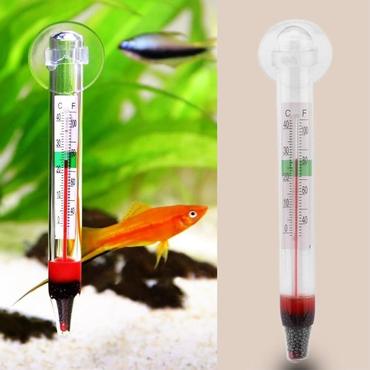
Finally, keep environmental parameters stable. Use a reliable submersible heater and digital thermometer to maintain stable water temperatures tailored to your species' thermal preferences. Perform weekly 20% to 25% water changes to prevent the accumulation of toxic nitrogenous waste products like ammonia, nitrite, and nitrate. Poor water chemistry causes chronic physiological stress, which directly impairs gut function and immune health. To ensure your filtration systems are running smoothly, review our essential resource on aquarium maintenance and water quality.
Keeping Your Aquarium Healthy, Active, and Bloat-Free
Dealing with indigestion and constipation in aquarium fish can be frustrating, but it is a highly treatable issue when approached with patience and practical care. By catching physical symptoms early, enforcing short fasting periods, utilizing natural fiber remedies like green peas and daphnia, and pre-soaking dry commercial foods, you can easily protect your fish from internal blockages. Take a moment today to evaluate your current feeding habits, test your water parameters, and explore our growing collection of expert aquarist guides here at RateMyFishTank.com to keep your tank thriving!


MOST RECENT ARTICLES