HOW TO SELECT A TANK FOR A FRESHWATER AQUARIUM

1. Choosing the Right Tank Size: Why Bigger Is Better for Beginners
One of the most persistent myths in the fish-keeping world is that smaller aquariums are easier to maintain for beginners. First-time hobbyists frequently reach for a small 5-gallon or 10-gallon glass desktop tank under the impression that it will require less effort, cost less to maintain, and fit easily anywhere. However, smaller volumes of water are notoriously unstable and sensitive to environmental changes. In a small aquarium, minor events—such as accidentally feeding one extra pinch of flake food, a sudden room temperature fluctuation during season changes, or delaying a single weekly water change—can cause rapid, deadly spikes in toxic ammonia and nitrite levels. In contrast, larger bodies of water act as a chemical cushion, diluting organic waste and buffering against sudden water chemistry shifts, giving you a significantly wider margin for error.
For hobbyists entering the fish-keeping space, a 20-gallon long or a standard 29-gallon tank represents the absolute sweet spot between footprint, weight, and stability. A 20-gallon long aquarium offers a generous floor footprint for fish swimming horizontal laps and establishing natural territories, while remaining manageable in physical weight and room placement. If floor space, structural building support, and budget allow, stepping up to a classic 55-gallon or 75-gallon aquarium opens up vast opportunities for keeping diverse, multi-species community groups and crafting intricate aquascapes.
When determining the appropriate tank size for your home, consider the specific stocking potential and water management requirements associated with each volume tier:
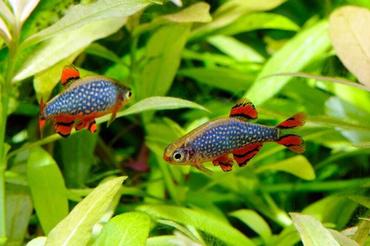
- 10 to 15 Gallons: Best suited for peaceful micro-species such as Ember Tetras, Celestial Pearl Danios, a single Betta, or a colony of dwarf Neocaridina shrimp. Requires diligent, routine water testing due to swift parameter changes.
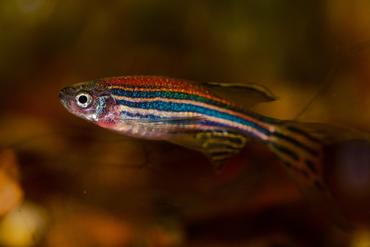
- 20 to 30 Gallons: The ideal entry-level choice for active community displays housing Harlequin Rasboras, Zebra Danios, Bristlenose Plecos, Corydoras catfish, and Dwarf Gouramis.
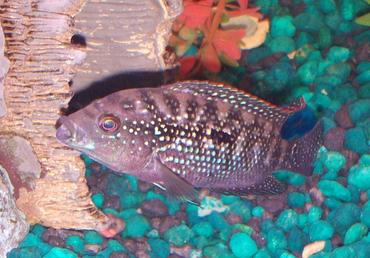
- 40 to 75+ Gallons: Excellent for accommodating larger community species, schooling fish groups, or semi-territorial cichlids, including Angelfish, Boesemani Rainbowfish, Geophagus cichlids, and large schools of active tetras.
2. Tank Shape and Footprint: Surface Area vs. Tank Height
When shopping for aquariums, you will encounter a wide variety of eye-catching shapes, ranging from standard horizontal rectangles to tall vertical columns, bowfronts, cubes, and cylinder displays. While tall hexagonal tanks or narrow vertical columns look modern and stylish sitting in living room corners, they are rarely the best structural choice for long-term fish health and water quality. Fish do not naturally swim up and down like elevators; they swim horizontally across the length and width of the water column. A long tank with a wide horizontal footprint offers exponentially more swimming space, foraging ground, and natural territorial boundaries than a tall tank of identical gallon capacity.
Furthermore, critical gas exchange occurs almost exclusively at the water surface interface. Atmospheric oxygen dissolves into the water while toxic carbon dioxide off-gasses through surface agitation. A wide, shallow tank provides a massive surface-area-to-volume ratio, ensuring high, uniform oxygen saturation throughout the entire tank. Deep, narrow vertical tanks suffer from restricted surface areas, which often leads to stagnant, low-oxygen zones near the bottom substrate unless heavy aeration and powerful water circulation powerheads are installed.
Tank footprint also directly governs bottom-dwelling territory. Substrate dwellers like Corydoras catfish, Kuhli loaches, Dwarf Cichlids, and Apistogramma species require generous floor space to forage for food scraps and establish breeding zones. Stacking these bottom fish into a tall, narrow footprint forces territorial species into constant visual contact, leading to severe territorial aggression and physical injury. For a deeper breakdown on balancing your tank's physical footprint with appropriate inhabitant choices, check out our guide on the basics of freshwater fish compatibility.
3. Glass vs. Acrylic Aquariums: Weighing the Materials
Once you have selected your ideal tank capacity and physical footprint, you must choose between the two primary construction materials: glass (including standard floating glass and high-clarity low-iron glass) and acrylic. Each material possesses distinct advantages and functional trade-offs that impact maintenance routines, optical clarity, long-term durability, and overall setup safety.
Glass remains the classic industry standard for freshwater aquariums, and for good reason. Glass is exceptionally hard and scratch-resistant, allowing hobbyists to scrub away tough green spot algae using razor blades, magnetic scrapers, or stiff pads without fear of scarring the display pane. Glass maintains its rigid structural integrity over decades without yellowing or bowing under pressure, and it is significantly more affordable in small-to-medium sizes up to 75 gallons. However, glass is heavy, rigid, susceptible to cracking or shattering under sharp impacts, and standard float glass exhibits a slight greenish tint due to iron content. Premium low-iron glass options eliminate this green tint for crystal-clear viewing, though at a higher price point.
Acrylic aquariums offer remarkable advantages in weight, strength, and optical clarity. Acrylic is roughly half the weight of equivalent glass tanks, making large setups far easier to move and position. It boasts superior impact resistance, making it virtually shatterproof—an important safety consideration in homes with active children or pets. Acrylic also offers zero color distortion and acts as an effective thermal insulator, keeping your heater operating efficiently. The main downside of acrylic is how easily it scratches. A single stray grain of gravel caught under an algae pad can leave permanent scuffs across the front panel. Additionally, acrylic tanks require full-bottom flat support stands to prevent structural warping under continuous water weight.
4. Weight, Floor Support, and Dedicated Stand Selection
Freshwater weighs approximately 8.34 pounds per gallon. However, calculating the true total weight of a fully operational aquarium requires accounting for the glass or acrylic frame, heavy substrate beds (typically 1.5 to 2 pounds per gallon), rock aquascaping, heavy driftwood, and filled filtration units. As a general rule of thumb, a completely set up freshwater aquarium weighs between 10 to 12 pounds per gallon of water capacity. A modest 29-gallon tank weighs around 320 pounds, a standard 55-gallon system weighs over 600 pounds, and a large 120-gallon display pushes close to 1,500 pounds—equivalent to parking a compact vehicle inside your home.
A frequent and costly beginner mistake is placing aquariums on standard household furniture such as bedroom dressers, nightstands, TV consoles, or particleboard bookshelves. Standard furniture is engineered to support distributed static loads, not concentrated, continuous liquid weight combined with ongoing moisture exposure. Over time, wood panels bow under the stress. Even a minor fraction of an inch of structural flex creates dangerous twisting forces on an aquarium's silicone seams, resulting in sudden, catastrophic seal blowouts and flooding.
Always invest in a dedicated, commercial-grade aquarium stand constructed from heavy-gauge powder-coated steel or solid hardwood. Ensure the stand is positioned perfectly level on the floor using durable shims placed beneath the cabinet base. An unlevel tank subjects the glass side panels to uneven hydrostatic pressure, dramatically increasing the risk of seam leaks and structural glass fatigue over time. If you are exploring various setup styles, check out our insights on what you need to know about all-in-one aquariums.
5. Compatibility, Bio-Load, and Fish Care Considerations
Your selection of tank size and layout dictates the biological carrying capacity and species compatibility of your ecosystem. Every living organism in your aquarium produces organic waste in the form of ammonia. The larger your water volume, the easier it is for your beneficial biological bacterial filter to process waste through the natural nitrogen cycle. Overstocking a cramped tank creates an unsustainable bio-load, leading to chronic stress, suppressed immune systems, and deadly outbreaks of parasitic diseases like Ich or velvet.
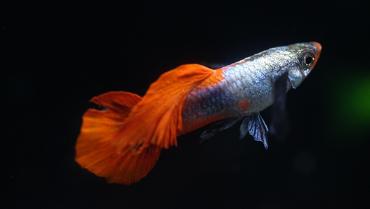
Tank layout also influences fish behavioral dynamics. Species that behave peacefully in large community displays can turn into aggressive bullies if overcrowded in narrow spaces. For example, Tiger Barbs are energetic, fast-moving schooling fish that require a group of 8 or more individuals in a tank at least 36 inches long to establish a natural social hierarchy and disperse fin-nipping behavior. Housed in a cramped 10-gallon tank, a small group of Tiger Barbs will quickly target and shred the long fins of slow-moving tankmates like Angelfish, Fancy Guppies, or Male Betta fish.
When planning your community fish selection, choose species that occupy different vertical zones of the water column and thrive under matching water parameter requirements (temperature, pH, and general hardness):
- Upper Surface Zone: Surface dwellers such as Marble Hatchetfish, Golden Topminnows, Zebra Danios, and Halfbeaks enjoy active open swimming space near the water surface.
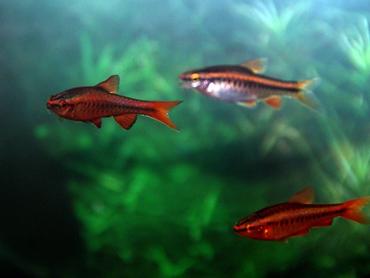
- Middle Water Zone: Schooling tetras like Neon Tetras, Rummy-Nose Tetras, Cherry Barbs, and Harlequin Rasboras navigate mid-level aquatic plants and open water lanes.
- Bottom Substrate Zone: Bristlenose Plecos, Corydoras catfish, Kuhli Loaches, and Nerite snails thrive along the substrate, cleaning up fallen food debris and biofilm.
Proper filtration, heating, and lighting equipment must match your chosen tank volume and inhabitant needs. Before adding livestock to your brand-new display, review our detailed freshwater water parameter guide to ensure your biological filter and water chemistry are fully stabilized before stocking.
6. Common Tank Selection Mistakes to Avoid
Even experienced aquarists can make costly missteps when selecting a new tank layout. Avoiding these widespread pitfalls saves money, time, and livestock:
- Purchasing All-In-One Starter Kits Without Research: Starter kits offer convenience, but included accessories like clip-on filters and basic lights are often low-powered. Plant enthusiasts will quickly need to upgrade weak kit lights, while high-waste fish will easily overwhelm low-capacity filter cartridges.
- Ignoring Equipment Access and Maintenance Clearance: Choosing a tank with narrow top glass cutouts, deep awkward corners, or heavy plastic rim obstructions makes routine tasks like gravel vacuuming, rock placement, and filter tube maintenance exceptionally frustrating.
- Selecting Gimmicky Novelty Shapes: Wall-mounted aquariums, ultra-narrow globes, and deep hexagonal towers severely restrict gas exchange, eliminate swimming lanes, and make glass cleaning a chore.
- Underestimating Plant Light Penetration: Shallow rimless tanks allow light to easily reach carpeting plants like Glossostigma or Dwarf Hairgrass, whereas deep 24-inch tall tanks require expensive, high-intensity LED fixtures to penetrate to the substrate bed.
Avoiding these common traps ensures a clean, functional setup that supports long-term aquatic health while minimizing your daily routine workload. If you are planning a live aquascape layout, make sure to read our guide on choosing a freshwater aquarium substrate for optimal root growth and filtration support.
Takeaway: Building Your Dream Freshwater Aquarium
Selecting the right tank for your freshwater aquarium is an exciting balancing act between physical space in your home, your personal budget, and the specific biological needs of the aquatic life you wish to keep. Remember that larger, horizontally oriented aquariums offer superior water parameter stability, enhanced dissolved oxygen levels, and much better swimming areas for your fish compared to small or tall vertical displays. Focus on solid tank construction, proper level stand support, and a practical layout that aligns with your long-term goals in the hobby.
Once your ideal aquarium is in place, the real creative journey begins. Take your time with the biological cycling process, plan your aquascape thoughtfully, and introduce healthy livestock gradually over time. Explore our extensive library of care guides, aquascaping tutorials, and species compatibility charts on RateMyFishTank.com to take the next step in creating your ultimate underwater paradise!

MOST RECENT ARTICLES