THE BEST 10-GALLON FISH STOCKING IDEAS (WITH PHOTOS, BEHAVIOR NOTES & ALTERNATIVES)
The Biological Reality of the 10-Gallon Environment
To stock a 10-gallon tank effectively, one must first confront the reality of its volume. While "10 gallons" is the nominal size, the actual displacement caused by two inches of substrate, several pieces of rock or driftwood, and the internal filter often reduces the actual water volume to approximately 8.5 gallons. This reduction is significant because water volume is the primary buffer against toxic spikes in ammonia and nitrite. In a small environment, a single dead snail or an accidental overfeeding can lead to a catastrophic crash in water quality much faster than in a 55-gallon system. Therefore, the first rule of 10-gallon stocking is to prioritize "low-bioload" inhabitants—species that produce minimal waste relative to their size.
Horizontal vs. Vertical Space
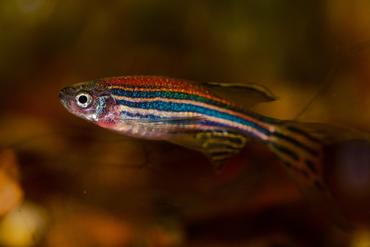
Most fish swim horizontally. A standard 10-gallon tank is only 20 inches long. While a fish might be small enough to "fit," if it is a high-energy swimmer like a Giant Danio or even a Zebra Danio, that 20-inch run is frustratingly short. We must look for fish that "hover" or utilize micro-territories.
The Oxygen Exchange Factor
The surface area of a 10-gallon tank is limited. Since gas exchange occurs primarily at the surface, overcrowding the top-level inhabitants can lead to oxygen deprivation, especially during the night when plants consume oxygen rather than producing it.
Temperature Fluctuations
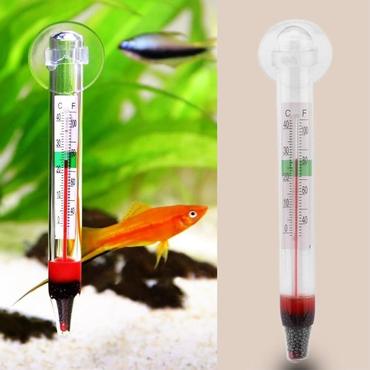
Small bodies of water lose and gain heat rapidly. A reliable heater is a non-negotiable component for the stocking ideas listed below, as the species suggested are tropical and require stability to maintain their immune systems.
Before introducing any livestock, ensuring your tank has completed the nitrogen cycle is the most critical step you can take. Without an established colony of beneficial bacteria, even the hardiest fish on this list will struggle to survive the initial weeks of setup.
Top 10-Gallon Stocking Idea #1: The Gourmet Nano Community
For many hobbyists, the goal is to see a variety of behaviors and colors. A community tank in 10 gallons is possible, but it requires picking fish that occupy different "strata" or levels of the tank. This prevents territorial disputes and makes the tank look fuller without actually being overcrowded.
- Primary Species: Sparkling Gourami (Trichopsis pumila). These are stunning, iridescent fish that stay under 1.5 inches. They are famous for the audible "croaking" sound they make when happy or during courtship. They occupy the top and middle of the tank.
- Secondary Species: Pygmy Corydoras (Corydoras pygmaeus). Unlike their larger cousins, Pygmy Corys swim in the mid-water as well as the bottom. They are peaceful, social, and have a very low impact on the nitrogen cycle.
- The Clean-up Crew: Blue Velvet Shrimp. These shrimp add a vibrant pop of color and spend their days picking algae off plants and decor.
Behavior Notes: Sparkling Gouramis are curious and intelligent. They like to "inspect" their surroundings with their pelvic fins. If you provide floating plants, you may even see them build small bubble nests. The Pygmy Corys will school together, providing a sense of movement that makes the tank feel dynamic.
Top 10-Gallon Stocking Idea #2: The "Fire and Ice" Shrimpery
If you want a tank that looks like a living jewel box, focusing on invertebrates and micro-rasboras is the way to go. This is an excellent choice for an intermediate hobbyist who wants to experiment with "aquascaping" and high-contrast colors.
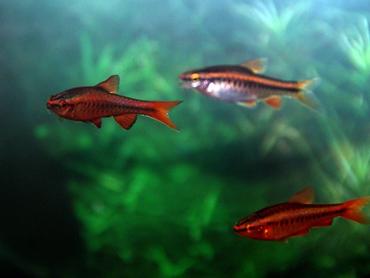
- The School: 8-10 Chili Rasboras (Boraras brigittae). These are among the smallest vertebrate fish in the world. They are a deep, fiery red and look spectacular against a dark green planted background.
- The Contrast: 6-10 Amanao Shrimp or Crystal White Shrimp. The clear or white bodies of these shrimp provide a "cooling" visual effect against the red of the rasboras.
- The Utility: 1 Nerite Snail. These snails are the gold standard for algae control and cannot reproduce in freshwater, meaning you won't end up with an accidental infestation.
Care Considerations: Chili Rasboras are timid. They require a well-planted tank to feel safe enough to display their brightest colors. If the tank is too bare, they will appear washed out and spend most of their time hiding. Using a high-quality water testing kit is vital here, as shrimp are particularly sensitive to shifts in pH and nitrates.
Top 10-Gallon Stocking Idea #3: The Specialized Betta Habitat
The Betta Splendens is the most common victim of "under-tanking." While they can survive in a 5-gallon, a 10-gallon allows a Betta to thrive and exhibit its full range of personality. In a 10-gallon, you also have the opportunity to introduce specific tank mates that are usually too risky in smaller volumes.
- The Centerpiece: 1 Male Halfmoon or Plakat Betta. Plakats (short-finned) are often more active and less prone to fin rot than their long-finned counterparts.
- The Companions: 3-4 Kuhli Loaches. These eel-like fish stay at the bottom and are generally ignored by Bettas. They are nocturnal and will help clean up any food the Betta misses.
- Alternative: If you prefer a "sorority" feel, you cannot keep multiple female Bettas in a 10-gallon; it is too small for their aggression. Instead, consider 6 Ember Tetras. Their orange hue complements many Betta colors without the flowing fins that might provoke a Betta’s ire.
Common Beginner Mistake: Many new keepers try to put "feeder" goldfish or "baby" turtles in a 10-gallon with a Betta. This is a recipe for disaster. Goldfish require cold water and produce massive amounts of waste, while Bettas require tropical temperatures. Stick to the tropical companions listed above.
Top 10-Gallon Stocking Idea #4: The Endler’s Livebearer Colony
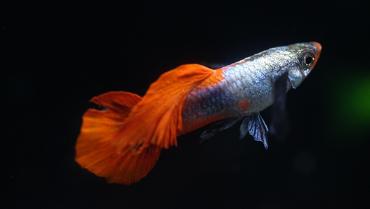
For those who love activity and breeding, Endler’s Livebearers (Poecilia wingei) are a superior alternative to the standard Guppy for a 10-gallon tank. They are smaller, hardier, and often more intensely colored.
- Stocking Strategy: All-Male Group. To keep the population stable, stock 6-8 male Endlers. They will spend their day displaying to one another and "dancing" through the water column.
- The Bottom Layer: 6 Otocinclus Catfish. These "Otos" are dedicated algae eaters. They are small and peaceful, making them perfect companions for the high-energy Endlers.
Maintenance Tip: Endlers have a high metabolism. This means you will need to perform more frequent water changes than you would with a shrimp-only tank. A 30% weekly water change is a good baseline for this stocking level. Ensure you are using a dechlorinator that also detoxifies heavy metals to protect the sensitive Otocinclus.
Essential Compatibility and Environmental Design
In a 10-gallon aquarium, "compatibility" extends beyond just whether fish will fight. It also involves "Environmental Compatibility." This means ensuring that all inhabitants thrive in the same water parameters (pH, hardness, and temperature). For instance, mixing a fish that prefers hard, alkaline water (like Guppies) with a fish that thrives in soft, acidic water (like Cardinal Tetras) will lead to long-term stress for one of the species.
Furthermore, you must design the tank to accommodate the social needs of the fish. This is often achieved through "Visual Breaks."
- Hardscaping: Use pieces of spider wood or Seiryu stone to create barriers. If a Sparkling Gourami feels threatened, it should be able to swim behind a piece of wood and be completely out of the line of sight of its tank mates.
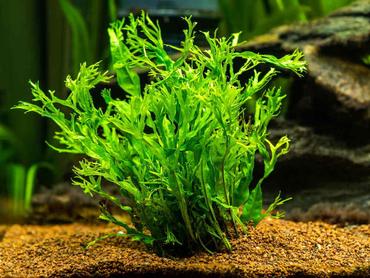
- Planting Zones: Use tall plants like Vallisneria in the back corners and low-growing Cryptocoryne in the foreground. This creates "neighborhoods" within the 10-gallon footprint.
- Filtration Flow: Many nano fish, particularly Bettas and Honey Gouramis, come from slow-moving waters. A high-flow power filter can exhaust them. In a 10-gallon, a sponge filter or a hang-on-back filter with an adjustable flow rate is ideal.
If you are unsure about the specific needs of a species, referring to common beginner aquarium mistakes can help you avoid the pitfalls of "impulse buying" at the pet store.
The Importance of the "Clean-Up Crew"
In a small tank, algae can cover every surface in a matter of days if the balance of light and nutrients is off. While you should never stock a fish purely to "clean," integrating functional inhabitants makes maintenance much easier. For a 10-gallon, the best clean-up crew members are:
| Species | Role | Count |
|---|---|---|
| Amano Shrimp | Eats hair algae and leftover food. Very hardy. | 2-3 |
| Nerite Snail | Best for glass and hardscape algae. Does not breed in freshwater. | 1-2 |
| Mystery Snail | Large, colorful, and great at eating decaying plant matter. | 1 |
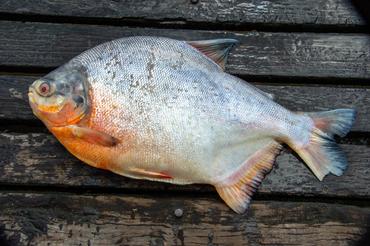
Avoid the temptation to buy a "Pleco" for a 10-gallon tank. Even the smallest Bristlenose Pleco reaches 5 inches and produces more waste than the rest of the tank combined, which will lead to a rapid decline in water health in such a small volume.
The Maintenance Schedule for a Thriving 10-Gallon
Because the margin for error is slim, a 10-gallon tank requires a disciplined approach to maintenance. Many beginners think smaller tanks are easier, but the opposite is true; they require more frequent, though smaller, interventions.
- Daily:
- Observe fish for signs of stress or disease (ich, velvet, or fin rot).
- Feed only what they can consume in 2 minutes.
- Weekly:
- Test water for Nitrates.
- Perform a 20-25% water change using a gravel vacuum to remove waste from the substrate.
- Clean the glass with an algae magnet.
- Monthly:
- Gently rinse filter media in a bucket of tank water (never tap water, as chlorine kills beneficial bacteria).
- Prune fast-growing plants to ensure they don't block all the light for lower-level species.
Actionable Care Tip: When performing water changes, try to match the temperature of the new water to the tank water within 2 degrees. Large temperature swings in a 10-gallon tank can trigger "Ich" (white spot disease) in sensitive species like Neon Tetras or Otocinclus.
Advanced Stocking: The Pea Puffer Species Tank
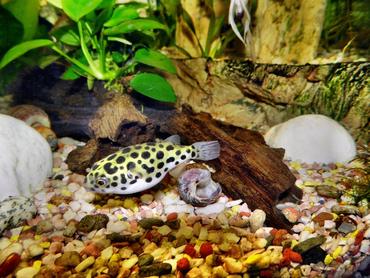
For the intermediate hobbyist looking for something entirely different, the Pea Puffer (Dwarf Puffer) is a fascinating option. These are "oddball" fish that are highly intelligent and have expressive eyes that move independently.
- The Mix: 1-2 Pea Puffers (and nothing else).
- Behavior: They are extremely aggressive for their size and will nip the fins of any other fish. They are also "obligate carnivores," meaning they require live or frozen foods like bloodworms and small snails.
- The Setup: This must be a heavily planted tank. Pea Puffers are territorial and need a complex environment to explore, or they will become bored and stressed.
This is a "high-effort" stocking idea, but the reward is a pet that recognizes its owner and displays a level of personality rarely seen in fish this small.
Summary of Best 10-Gallon Combinations
To summarize, the key to a beautiful 10-gallon tank is selecting a theme and sticking to it. Here is a quick reference table for our top picks:
| Theme | Main Fish | Supporting Cast | Difficulty |
|---|---|---|---|
| The Low-Tech Classic | 1 Male Betta | 1 Mystery Snail, 2 Amano Shrimp | Beginner |
| The Active School | 6-8 Male Endlers | 1 Nerite Snail | Beginner |
| The Nano Jewel Box | 10 Chili Rasboras | 10 Cherry Shrimp | Intermediate |
| The Oddball Tank | 2 Pea Puffers | None | Advanced |
Takeaway: Your Path to a Thriving Nano Tank
The 10-gallon aquarium is a canvas that rewards patience and precision. By choosing species like the Sparkling Gourami, Chili Rasbora, or the ever-popular Betta, you are setting yourself up for a successful experience that balances biological stability with visual appeal. Remember that the "best" stocking idea is the one that you are prepared to maintain. Avoid the common pitfalls of overstocking and selecting "tank busters" like goldfish or common plecos. Instead, lean into the "nano" world—focus on the intricate beauty of small shrimp, the shimmering colors of micro-rasboras, and the fascinating behaviors of dwarf cichlids or puffers.
Successful fish keeping is a journey of continuous learning. Once you have chosen your stocking plan, focus on creating a lush environment with live plants and high-quality hardscape. We invite you to explore more of our species-specific guides here at RateMyFishTank.com to deepen your understanding of each fish's unique personality. What will you choose for your 10-gallon masterpiece? Start slow, test your water often, and enjoy the tranquil beauty of your new underwater world!


MOST RECENT ARTICLES