THE PROCESS OF CYCLING A FISH TANK

Understanding the Science of the Aquarium Nitrogen Cycle
To successfully cycle a fish tank, you first need to understand what is happening on a biological level inside your filter and substrate. In an enclosed environment, nature relies on dynamic biological filtration to manage waste products. When aquatic animals eat, excrete waste, breathe, or leave uneaten food behind, organic matter breaks down. This decomposition process produces free ammonia (NH3), a compound highly toxic to fish even at minute concentrations. In a natural ecosystem like a lake or river, vast volumes of water dilute waste while natural currents wash it away. In a glass aquarium, however, ammonia builds up rapidly if left unchecked.
The biological cycling process works as a two-stage biochemical cascade powered by specialized aerobic nitrifying bacteria:
- Stage 1: Ammonia Oxidation: Beneficial bacteria species, primarily Nitrosomonas, colonize the porous filter media, gravel, and hardscape. These microorganisms consume toxic ammonia and convert it into nitrite (NO2-). While this is a step in the right direction, nitrite is equally dangerous to aquatic life because it binds to hemoglobin in fish blood, preventing them from transporting oxygen.
- Stage 2: Nitrite Oxidation: A second group of beneficial bacteria, primarily Nitrobacter and Nitrospira, slowly establish themselves to convert nitrite into nitrate (NO3-). Nitrate is far less toxic to fish and live plants. It can safely accumulate in modest amounts until you reduce its concentration through routine water changes and live plant absorption.
Understanding this cascade makes it clear why introducing livestock too early leads to disaster. If you add fish before these bacterial colonies have fully matured, ammonia and nitrite levels will spike uncontrollably. This phenomenon—often referred to as New Tank Syndrome—causes severe gill damage, organ failure, extreme stress, and mortality. True cycling requires patience while these invisible colonies grow to match your tank's bio-load. For a deeper breakdown of biological, mechanical, and chemical systems, check out our guide on biological filtration and nitrogen processing.
Choosing Your Method: Fishless Cycling vs. Fish-In Cycling
Aquarium hobbyists generally utilize one of two core methods to complete the nitrogen cycle: fishless cycling or fish-in cycling. While both methods eventually establish the necessary bacterial colonies, they differ drastically in safety, effort, and ethical considerations. Modern aquarium standards strongly favor fishless cycling, but understanding how both operate helps you make an informed decision for your setup.
Method 1: Fishless Cycling (The Recommended Standard)
Fishless cycling involves introducing an artificial ammonia source into an empty aquarium to feed bacterial colonies without placing living animals at risk. Because no livestock is present, you can push ammonia concentrations higher to grow a robust, resilient bio-filter capable of handling a full stocking capacity right away.
There are two primary ways to provide an ammonia source during a fishless cycle:
- Pure Liquid Ammonium Chloride: Using bottled aquarium-grade ammonium chloride is the cleanest, most precise method. It allows you to dose your water to an exact concentration (typically 2.0 to 4.0 ppm) using a simple dropper.
- Fish Food Decay: Dropping a small pinch of flake food or a small piece of raw shrimp into the tank every couple of days creates a natural decay process. As the organic material rots, it releases ammonia. While effective, this method is slower, messier, and harder to measure accurately.
Method 2: Fish-In Cycling (High Risk & High Maintenance)
Fish-in cycling relies on the waste produced by living fish to seed and feed the nitrogen cycle. Historically, this was the standard method in the hobby, but modern aquatic science has largely superseded it. Because ammonia and nitrite will inevitably rise during the process, fish subjected to a fish-in cycle experience chronic stress, chemical burns to their gills, shortened lifespans, and potential death.
If you must perform a fish-in cycle—such as in an emergency rescue situation—you must stock extremely lightly and commit to daily water testing alongside frequent, manual water changes. To see how these principles apply across different environments, review our breakdown on saltwater and reef tank cycling.
Step-by-Step Guide: How to Complete a Fishless Cycle
Executing a successful fishless cycle requires minimal physical effort, but it demands consistency, accurate liquid water testing, and patience. The complete process typically takes anywhere from 3 to 6 weeks. Follow these straightforward steps to take your tank from a sterile environment to a fully cycled home for your fish.
Step 1: Assembly and Setup
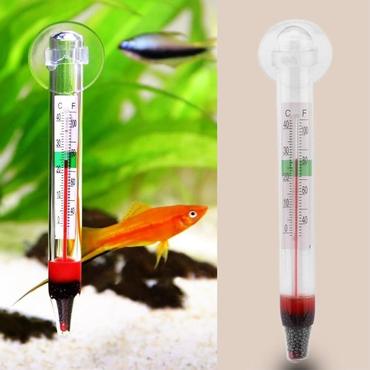
Set up your tank completely before attempting to cycle it. Install your substrate, hardscape (rocks and driftwood), filter, and heater. Fill the aquarium with tap water treated with a high-quality dechlorinator to remove chlorine and chloramines, which instantly kill beneficial bacteria. Turn on your filter and heater, setting the water temperature to around 80°F to 84°F (26°C to 29°C). Nitrifying bacteria reproduce significantly faster in warmer water; you can adjust the temperature back to your species' target range once the cycle is complete.
Step 2: Add the Initial Ammonia Dose
Add your liquid ammonium chloride to bring the tank's ammonia concentration up to 3.0 or 4.0 ppm (parts per million). Use a reliable liquid master test kit rather than paper test strips, as paper strips are notorious for inaccurate readings. Test the water 30 minutes after dosing to verify you have reached your target starting baseline.
Step 3: Monitor for the Nitrite Spike
Test your water for ammonia and nitrite every 2 to 3 days. For the first week or two, ammonia levels will remain elevated while nitrite stays at absolute zero. Eventually, Nitrosomonas bacteria will populate, causing ammonia levels to drop while nitrite readings begin to climb. Once ammonia drops below 1.0 ppm, top your ammonia back up to roughly 2.0 to 3.0 ppm to keep feeding the developing bacteria.
Step 4: Wait for Nitrates to Appear
As nitrite levels surge—often maxing out the high end of your test kit—the slower-growing Nitrospira bacteria will begin multiplying. After several more weeks, you will start seeing your first measurable nitrate readings. Nitrite levels will peak and then rapidly crash down toward zero as the second bacterial group reaches full capacity.
Step 5: Test for Cycle Completion
Your tank is fully cycled when it can completely process 2.0 to 3.0 ppm of added ammonia all the way into nitrate within 24 hours. To verify this, dose your tank to 2.0 ppm ammonia. Test the water exactly 24 hours later. If both ammonia and nitrite read absolute zero (0 ppm) and nitrate is present, your biological filter is fully established!
Avoiding Common Beginner Cycling Mistakes
Even well-intentioned aquarists occasionally hit frustrating roadblocks during the cycling process. Avoiding these common pitfalls will save you time, money, and disappointment.
- Stalling the Cycle with Low pH: Nitrifying bacteria consume carbonates as they work, which naturally pulls down the water's pH. If your pH drops below 6.5, bacterial reproduction slows down drastically; if it drops below 6.0, the cycle stalls completely. Test your pH regularly during cycling and perform a partial water change if it crashes.
- Rinsing Filter Media in Tap Water: Chlorine and chloramine in untreated tap water destroy delicate bacterial colonies in seconds. Never wash filter sponges, bio-rings, or cartridges under the tap. Always rinse filter components gently inside a bucket of discarded aquarium water during routine maintenance.
- Changing Filter Media Too Often: Commercial filter manufacturers often instruct users to replace filter cartridges monthly. Doing so throws away the vast majority of your beneficial bacteria and resets your cycle. Instead, re-use durable sponges and ceramic media until they physically degrade.
- Turning Off the Filter or Heater: Nitrifying bacteria are obligate aerobes that require constant oxygenation and water movement to survive. Turning off your filter overnight starves your bacteria of oxygen, killing off the colony.
Selecting Hardy Fish and Managing Compatibility
Once your tank is fully cycled and you perform a massive 50% to 70% water change to lower accumulated nitrates below 20 ppm, you are ready to introduce your initial livestock. However, stocking an aquarium requires careful planning regarding bio-load, temperament, and species compatibility. Adding too many fish at once can overload even a mature biological filter, triggering a mini-cycle.
When stocking a newly cycled freshwater aquarium, start with hardy, peaceful species that adapt well to stable water chemistry. Excellent choices for initial stocking include:
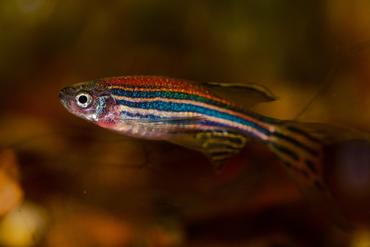
- Zebra Danios (Danio rerio): Incredibly resilient, active schooling fish that tolerate minor water fluctuations with ease.
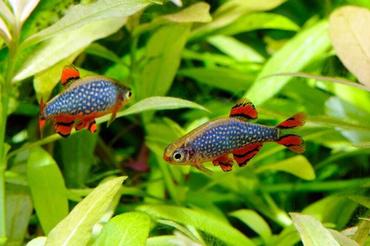
- Harlequin Rasboras (Trigostigma heteromorpha): Peaceful community fish that add vibrant color and steady schooling behavior to mid-water zones.
- Corydoras Catfish (Corydoras paleatus or C. aeneus): Outstanding bottom-dwellers that help clean up excess food without disturbing tank mates.
- Platies and Mollies: Hardy livebearers that thrive in a wide range of water parameters, though their quick reproduction requires bio-load management.
Avoid sensitive or delicate species—such as Neon Tetras, Discus, German Blue Rams, or delicate saltwater invertebrates—until your aquarium has been running smoothly for at least three to six months. These animals require a "matured" tank where micro-fauna and water parameters have achieved long-term stability.
Always research territorial boundaries and behavioral compatibility before buying. Mixing aggressive cichlids with slow-moving long-finned species, or crowding active swimmers into a tank that lacks adequate swim space, leads to constant stress. Elevated stress suppresses a fish's immune system, making them vulnerable to parasites like Ich even in a fully cycled tank. For detailed stocking rules and zoned community layouts, check out our comprehensive community fish compatibility guide.
Long-Term Care and Bio-Filter Maintenance
Completing the initial cycle is a major milestone, but maintaining a healthy biological filter is an ongoing responsibility. Your bacterial population dynamically expands or shrinks based on available food (ammonia). If you drastically increase the number of fish in your tank overnight, your existing bacteria will not be able to process the sudden surge in waste, resulting in dangerous ammonia spikes.
To preserve your bio-filter over the long haul, adopt these best practice habits:
- Stock Gradually: Add new fish in small groups separated by two to three weeks. This gives your nitrifying bacteria ample time to multiply and adapt to the higher waste output.
- Practice Controlled Feeding: Overfeeding is the leading cause of poor water quality. Feed your fish only what they can consume completely within two minutes, once or twice a day. Uneaten food rots quickly, spiking ammonia levels.
- Maintain a Consistent Schedule: Perform weekly or bi-weekly 20% to 30% water changes using a gravel vacuum to remove solid detritus from the substrate. This keeps nitrate levels safely under 20 ppm while replenishing vital trace minerals.
- Protect Your Media: When cleaning your filter, gently squeeze out sponge pads in a bucket of drained tank water. Never let your biological media dry out during maintenance.
Final Takeaways and Next Steps
Patience is the single most important ingredient in successful fishkeeping. While staring at an empty, cycling aquarium for several weeks requires self-discipline, the payoff is a safe, stable, and vibrant home for your aquatic pets. By understanding the chemical transitions of the nitrogen cycle, opting for a humane fishless cycle, and maintaining your beneficial bacteria through sensible stocking and routine care, you set your aquarium up for years of stress-free enjoyment.
Now that you master the fundamentals of cycling, it's time to take your setup to the next level! Explore our extensive library of guides at RateMyFishTank.com to learn about aquascaping tips, lighting requirements, and species-specific care guides. Have questions about your current cycle or want to share your tank's progress? Drop a comment below or join our community forums to connect with fellow aquarists today!


MOST RECENT ARTICLES