CICHLIDS - UNDERSTANDING THE DIFFERENT TYPES

What Makes Cichlids Unique? An Overview of the Cichlidae Family
To successfully care for cichlids, it helps to understand why they act so differently from traditional community species like tetras or rasboras. Cichlids are teleost fish characterized by specialized physical features, including a single pair of nostrils and a unique secondary set of jaws located in their throat, known as pharyngeal jaws. This evolutionary trait has allowed cichlids to adapt to virtually every ecological niche imaginable, from specialized algae scraping and snail crushing to apex predation.
Beyond their physical adaptations, cichlids are world-renowned for their intelligence and behavioral complexity. Unlike many fish that swim aimlessly in schooling formations, cichlids constantly inspect their environment, establish distinct home territories, interact with their owners during feeding time, and engage in elaborate courtship rituals. Many cichlid species demonstrate advanced brood care, aggressively guarding their eggs and fry against potential threats or even carrying their offspring inside their mouth for protection—a fascinating strategy known as mouthbrooding.
However, this intense intelligence comes with a trade-off: aggression and territoriality. Cichlids do not view an aquarium as a shared communal swimming space; they view it as a collection of real estate properties to be claimed, defended, and rearranged. A common beginner mistake is assuming that all cichlids can live together peacefully simply because they share the same family name. In reality, housing a hard-water African cichlid with a soft-water South American species will lead to chronic stress, disease, or severe violence. Before purchasing any cichlid, aquarists must categorize them by their geographical origin and specific behavioral traits.
African Cichlids: The Vibrant Jewels of the Rift Lakes
African cichlids are famous for delivering saltwater-like colors in a freshwater environment. The vast majority of African cichlids in the hobby originate from three primary East African Rift Lakes: Lake Malawi, Lake Tanganyika, and Lake Victoria. These ancient lakes possess alkaline, mineral-rich water with a high pH, creating an evolutionary playground where hundreds of distinct species evolved alongside specialized rock structures.
To keep African cichlids organized, hobbyists generally divide them into three major groups based on their habitat preferences and ecological behavior:
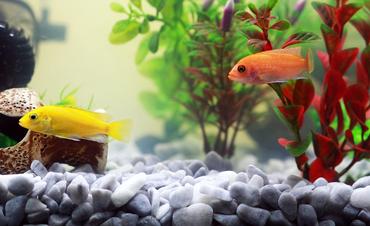
- Mbuna (Lake Malawi): Translating to "rockfish" in the Tonga language, Mbunas are small, extremely active, and highly aggressive rock-dwellers. Species like the Electric Yellow Lab ( Labidochromis caeruleus ), Powder Blue Pseudotropheus ( Pseudotropheus socolofi ), and Red Zebra ( Maylandia estherae ) thrive in dense rockwork. They require vegetable-heavy diets rich in Spirulina to prevent a fatal digestive condition known as "Malawi bloat."
- Peacocks (Lake Malawi): Belonging to the genus Aulonocara, Peacock cichlids are celebrated for their incredible iridescent blues, golds, oranges, and reds. Male Peacocks are substantially more colorful than females and prefer open sand beds interspersed with rock formations. They are noticeably milder in temperament than Mbunas and should rarely be mixed with aggressive rock-dwellers.
- Haplochromines or "Haps" (Lake Malawi & Victoria): Haps are open-water predators and grazers that generally grow larger than Mbunas. Popular choices include the Electric Blue Hap ( Sciaenochromis fryeri ) and the Deep Water Hap ( Placidochromis electra ). Because of their streamlined bodies and larger adult size, Haps require spacious tanks with plenty of open swimming room.
- Tanganyikan Specialists (Lake Tanganyika): Lake Tanganyika hosts some of the most specialized cichlids on earth. From tiny shell-dwellers like Neolamprologus multifasciatus that construct elaborate colonies inside empty snail shells to the majestic Frontosa ( Cyphotilapia frontosa ) with its iconic cranial hump, Tanganyikan cichlids offer fascinating niche behaviors for intermediate keepers.
When setting up an African cichlid aquarium, maintaining stable water chemistry is essential. These species require a hard, alkaline pH between 7.8 and 8.6, along with elevated carbonate hardness. Understanding the basics of understanding aquarium water chemistry will ensure you can properly buffer your tap water using crushed coral substrate or dedicated rift lake mineral salts.
South and Central American Cichlids: Characterful New World Giants
Shifting across the Atlantic, New World cichlids from South and Central America present a completely different set of traits. While African cichlids rely on high-density crowding to diffuse territorial aggression, South and Central American cichlids generally require expansive physical space, clear territorial boundaries, and lower stocking densities.
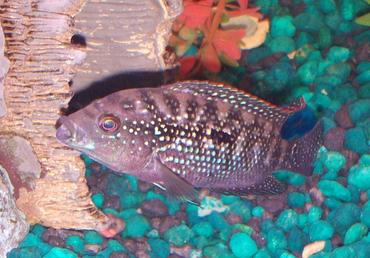
Central American cichlids originate from hard, mineral-rich rivers and lakes stretching from Mexico down to Panama. These species are renowned for their impressive body mass, robust muscular builds, and fierce territorial aggression during breeding. Iconic examples include the Convict Cichlid ( Amatitlania nigrofasciata ), infamous for breeding in almost any water condition, and the Jack Dempsey ( Rocio octofasciata ), named after the legendary heavyweight boxer due to its fiery nature and impressive jaw structure.
South American cichlids, on the other hand, typically hail from the warm, soft, acidic river basins of the Amazon and Orinoco rivers. Water in these regions is often stained with natural tannins from decaying driftwood and fallen leaves. South American species vary wildly in temperament and physical structure:
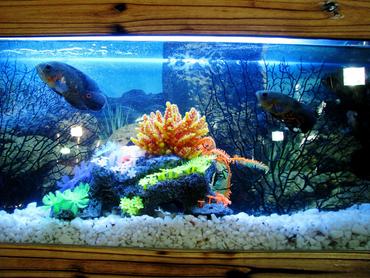
- The Oscar ( Astronotus ocellatus ) remains the undisputed king of New World pet fish. Growing up to 12–14 inches in length, Oscars quickly learn to recognize their owners, take food directly from human fingers, and literally perform "happy dances" at the front glass during feeding time. However, their massive size and huge waste output require robust biological filtration and a minimum tank capacity of 75 gallons for a single specimen.
- For hobbyists seeking a more peaceful display, the freshwater Angelfish ( Pterophyllum scalare ) and Discus ( Symphysodon species) represent the elegant side of South American cichlids. These compressed, tall-bodied fish prefer calm water currents, lush live plants, soft water, and peaceful tank mates like rummynose tetras or sterbai corydoras. While Angelfish can still eat tiny fry or small neon tetras when fully grown, they are far more suitable for traditional planted community aquariums than their predatory cousins.
Dwarf Cichlids: Striking Personality for Smaller Aquariums
One of the most common misconceptions among beginner aquarists is that keeping cichlids automatically requires a massive 75-gallon or 120-gallon tank. If space is limited, New World and West African dwarf cichlids offer all the intelligence, striking color, and breeding behavior of larger species in a package that stays under 3 to 4 inches in total length.
Dwarf cichlids are ideal candidates for peaceful, heavily planted community aquariums ranging from 20 to 40 gallons. Because of their modest size, they can coexist with peaceful schooling fish like rasboras, pencilfish, and medium-sized tetras without treating them as live food.
- The German Blue Ram ( Mikrogeophagus ramirezi ) is arguably the most popular dwarf cichlid in the hobby. Boasting neon blue sparkles, yellow body crests, and bright red eyes, these delicate fish thrive in warm (80°F–84°F), clean, soft water with low nitrates. Beginners should ensure their tank is fully established before introducing rams, as they are particularly sensitive to fluctuating water parameters. For those looking for a slightly hardier alternative, the Bolivian Ram ( Mikrogeophagus altispinosus ) offers similar charming behaviors with far greater tolerance for varying water chemistry.
- Another incredible option for dwarf cichlid enthusiasts is the genus Apistogramma. Native to small forest streams in South America, species such as Apistogramma cacatuoides (Cockatoo Dwarf Cichlid) and Apistogramma agassizii feature dramatic dorsal fins, elaborate tail patterns, and fascinating harem-breeding structures. Providing plenty of caves, terra cotta pots, and leaf litter allows these micro-predators to feel secure and display their full color spectrum.
- From West Africa, the Kribensis ( Pelvicachromis pulcher ) serves as an outstanding entry-level dwarf cichlid. Exceptionally hardy and adaptable to neutral or slightly hard water, female Kribensis display brilliant cherry-pink bellies when ready to spawn. They make exceptional parents and will comfortably raise fry in a standard 20-gallon long aquarium.
Cichlid Compatibility, Water Chemistry, and Tank Setup Considerations
Successfully maintaining a cichlid aquarium comes down to careful planning, accurate water chemistry management, and thoughtful interior decoration. Mixing cichlids randomly based on color alone is a recipe for tank failure. To ensure long-term harmony, aquarists must evaluate four critical care pillars:
-
Water Parameters and Biotope Matching: Never mix soft-water Amazonian species (pH 6.0–7.0, soft water) with hard-water African Rift Lake species (pH 7.8–8.6, hard water). While tank-bred fish possess a degree of adaptability, housing them outside their physiological comfort zones causes chronic immune suppression, poor coloration, and premature death. Take time to research the native habitat of your chosen species before mixing water buffers.
-
Territorial Boundaries and Aquascaping: Cichlids require physical landmarks to establish personal territories. For Mbuna and rock-dwelling species, build tall, stable rock formations stacked with slate or holey limestone, ensuring caves extend all the way to the water surface. For Central and South American species, use large pieces of driftwood, smooth river rocks, and tall sightline breakers to prevent aggressive dominant males from chasing weaker tank mates continuously across the tank.
-
Substrate Selection and Behavior: Nearly all cichlids love to dig. African cichlids sift sand through their gills searching for food, while New World giants like the Severum or Oscar will ruthlessly uproot live plants to redecorate their home space. Always choose smooth silica sand or fine aragonite substrate rather than sharp gravel, which can scratch their delicate mouths and gills during natural digging behaviors. If you are setting up a new tank, spending time selecting the right aquarium substrate will save you from major headaches down the road.
-
Filtration and Water Quality Management: Cichlids are messy eaters with heavy metabolic waste loads. Heavy feeding combined with territorial aggression makes clean water non-negotiable. Aim for a filtration turn-over rate of 8 to 10 times the total tank volume per hour using high-capacity canister filters or power filters. Before stocking any heavy-waste species, make sure you have spent time properly cycling your aquarium to establish a rock-solid biological filter capable of converting toxic ammonia into harmless nitrate.
To summarize essential cichlid care principles for long-term success, keep these fundamental guidelines in mind:
- Match tank mates by geographical origin, water parameter requirements, and adult size rather than current juvenile size.
- Provide at least one secure cave, rock crevice, or visual barrier per fish to reduce aggressive dominance disputes.
- Overstock African Mbuna aquariums slightly (with heavy filtration) to spread out territorial aggression among the crowd.
- Perform regular 30% to 50% weekly water changes to keep nitrate levels below 20 ppm and maintain stable pH levels.
Final Takeaways: Choosing the Right Cichlid for Your Aquarium
Cichlids represent one of the most rewarding and dynamic families in the entire freshwater aquarium hobby. Whether you are captivated by the vibrant, high-energy rock colonies of Lake Malawi, the dog-like affection and intelligence of a South American Oscar, or the delicate, detailed beauty of a pair of German Blue Rams in a planted aquarium, there is a cichlid species perfectly suited to your space and experience level.
The key to long-term success lies in researching your chosen species before making a purchase. Pay close attention to adult size, natural water parameters, dietary needs, and territorial temperaments. By matching your aquascape and water conditions to the evolutionary needs of your fish, you will enjoy a mesmerizing, healthy aquarium filled with vivid colors and fascinating natural behaviors for years to come.
Have a question about setting up your first cichlid tank, or want to share your current setup with our community? Explore our extensive collection of care guides, join the discussion in the comments below, or submit your aquarium photos to Rate My Fish Tank today to see how your display measures up!


MOST RECENT ARTICLES