THE PROS AND CONS OF LIVE FOOD FOR FISH

Why Feed Live Foods? The Key Benefits for Aquarium Fish
In their natural habitats, very few fish species subsist on uniformly processed bits of grain and fish meal. Rivers, lakes, streams, and coral reefs are bustling ecosystems rich in micro-crustaceans, insect larvae, worms, and smaller feeder organisms. Replicating this natural variety in the home aquarium offers distinct physiological and behavioral advantages that commercial dry foods struggle to match.
1. Natural Foraging Behavior and Mental Stimulation
One of the most noticeable benefits of introducing live food is the immediate behavioral spark it creates within your aquarium. Dry flakes float passively on the surface, while heavy pellets sink directly into the substrate. Live prey, on the other hand, swims, wriggles, and darts around the water column. This movement triggers instinctual hunting patterns in predatory and micro-predatory species alike.
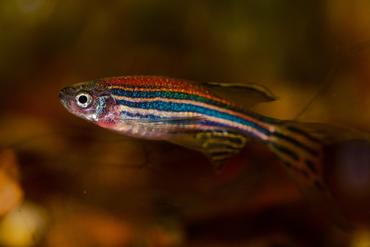
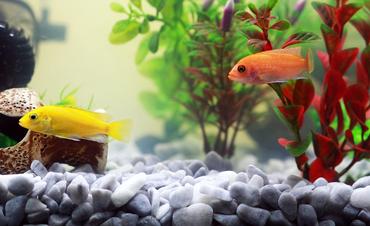
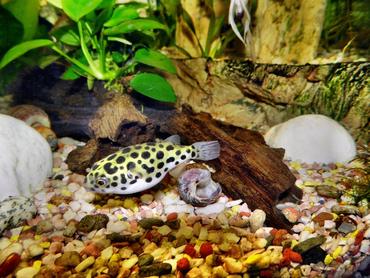
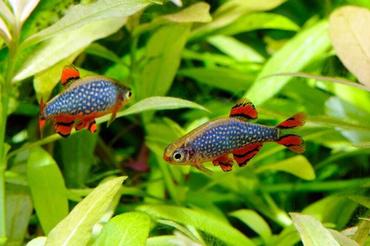
For example, micro-predators like Celestial Pearl Danios ( Danio margaritatus ), Pea Puffers ( Carinotetraodon travancoricus ), and German Blue Rams ( Mikrogeophagus ramirezi ) often display sluggish or reserved behavior when fed exclusively on artificial diets. When presented with active swimming prey, their body language transforms immediately. Hunting encourages exercise, prevents lethargy, and significantly reduces boredom-induced stress in highly intelligent or active aquatic species.
2. Superior Nutritional Quality and Digestibility
While high-quality commercial pellets provide balanced baseline nutrition, the processing methods used to manufacture flake foods often rely on heat treatment, which can degrade sensitive vitamins, natural enzymes, and delicate fatty acids. Live foods retain their complete, unaltered nutritional structure.
Furthermore, living prey items contain active digestive enzymes within their own body tissue. When ingested, these enzymes assist the host fish's digestive tract in breaking down nutrients quickly and efficiently. This leads to higher absorption rates of essential proteins, amino acids, and lipids, resulting in faster growth rates for developing fry and superior health in mature adult fish.
3. Conditioning Fish for Breeding and Enhancing Coloration
If you are looking to spawn challenging freshwater or saltwater species, live food is often an absolute necessity rather than a luxury. The high protein and lipid content of live prey signals to female fish that environmental conditions are optimal for egg production (roeing). Male fish, simultaneously, experience surges in vitality and display enhanced physical coloration to attract mates.
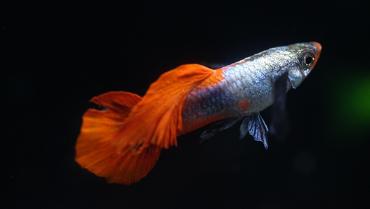
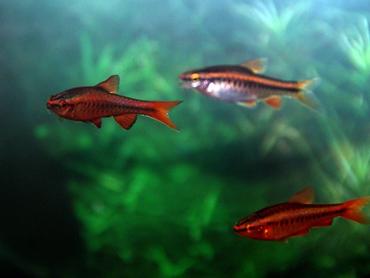
Live organisms such as brine shrimp and daphnia are packed with natural carotenoids—pigments that dramatically heighten red, orange, and yellow hues in species like Discus ( Symphysodon spp. ), Fancy Guppies, and Cherry Barbs. For deeper insights into crafting a nutritionally complete diet across all life stages, explore our main hub for freshwater aquarium care and maintenance.
The Hidden Risks and Drawbacks of Live Foods
While the advantages of live feeding are compelling, it is equally important to acknowledge the potential hazards. Introducing unvetted live cultures into a closed-loop aquarium system carries inherent risks that every aquarist must manage proactively.
1. Pathogen and Parasite Transmission
The single greatest hazard associated with live food is the inadvertent introduction of disease. Live prey collected from natural waterways or maintained in poor commercial holding facilities can harbor harmful bacteria, internal parasites, fungal spores, and viral pathogens. Infectious organisms like Camallanus worms, protozoans causing Ich or Velvet disease, and dangerous bacterial strains like Flavobacterium columnare can easily piggyback into your display tank inside or on live organisms.
Tubes of aquatic blackworms and wild-caught tubifex worms harvested from stagnant or polluted mud beds are notorious vectors for internal parasites. Once introduced, treating an entire display tank for internal worms or stubborn bacterial infections requires costly medications and can disrupt your delicate biological filtration system. Always maintain strict quarantine practices and learn more about safeguarding your setup through our dedicated resources on RateMyFishTank aquarium articles.
2. Rapid Water Quality Degradation
Maintaining pristine water parameters is the cornerstone of successful fish keeping. Uneaten dry food is relatively easy to siphon out during routine water changes, but uneaten live food presents a dual problem. If live organisms die en masse inside the aquarium—perhaps because they cannot survive in tropical temperatures or freshwater conditions—their rapid decomposition will trigger severe ammonia and nitrite spikes.
Conversely, if live organisms survive and hide within the substrate or behind hardscape elements, they may evade your fish while quietly accumulating waste. Managing this balance requires vigilant observation and a consistent routine to ensure decaying organic matter is promptly removed.
3. Nutritional Imbalances from Selective Feeding
Fish can be notoriously picky eaters. Once a community of fish experiences the excitement of live prey, they may begin refusing commercial dry foods altogether. While live food is rich in protein and fats, relying on a single live food source exclusively can lead to severe nutritional deficiencies over time. For instance, adult brine shrimp are delicious to most fish, but they consist primarily of water and chitin, offering minimal protein compared to larval live foods unless properly gut-loaded prior to feeding.
Popular Live Food Varieties: Profiles and Best Applications
Not all live foods are created equal. Different species of fish require distinct dietary profiles depending on their mouth size, swimming depth, and metabolic requirements. Below is a breakdown of the most common live food options available to aquarium hobbyists.
- Live Brine Shrimp (Artemia): Exceptional for both freshwater and saltwater fish. Newly hatched baby brine shrimp (nauplii) are the premier food choice for raising delicate fish fry, while adult brine shrimp offer excellent enrichment for medium-sized community fish.
- Daphnia (Water Fleas): Small freshwater crustaceans that swim with a distinctive jerking motion. Daphnia act as a gentle, natural laxative due to their fibrous chitin shells, making them invaluable for treating bloat and constipation in Bettas and fancy Goldfish.
- Bloodworms (Chironomid Larvae): Aquatic insect larvae extremely high in iron and protein. They are an absolute favorite of bottom-dwellers like Corydoras catfish, Loaches, and Carnivorous Cichlids, though they should be fed as an occasional treat rather than a daily staple.
- Blackworms (Lumbriculus variegatus): Highly nutritious aquatic worms that stay alive in freshwater substrate. They are ideal for conditioning demanding breeders like Discus and Wild Angelfish, though they must be sourced from reputable, clean suppliers to avoid disease.
- Micro-Worms and Vinegar Eels: Microscopic nematodes cultivated easily at home on simple grain or liquid bases. These are ideal first foods for tiny nano-fish species and newly free-swimming fry that are too small to ingest baby brine shrimp.
- Feeder Fish (Guppies, Minnows, Mollies): Live fish fed to large predatory species such as Oscars, Arowanas, and Pufferfish. Feeder fish carry the highest risk of disease transmission and require strict home quarantine before use.
Compatibility and Care Considerations When Feeding Live Foods
Before dropping live prey into your aquarium, you must evaluate the compatibility between the food item, your target fish, and your overall aquarium environment. A haphazard approach can lead to choked fish, unchecked pest populations, or extreme tank pollution.
Matching Gape Size to Prey Size
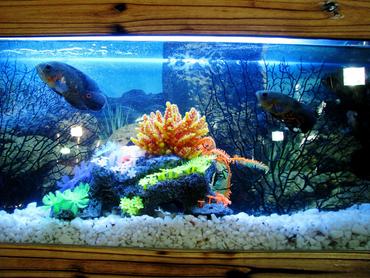
A fish's "gape size" refers to the maximum diameter its mouth can open when feeding. Attempting to feed large bloodworms or adult blackworms to tiny nano-fish like Ember Tetras or Neon Tetras can result in physical choking or intestinal blockages. Conversely, offering tiny micro-worms to a fully grown Oscar fish ( Astronotus ocellatus ) will be completely ignored, allowing the worms to fall to the substrate and decay.
Environmental Requirements of Live Prey
Consider how long the live organism can survive in your specific aquarium environment. Marine live foods like adult brine shrimp will only survive for a few hours in a freshwater aquarium before dying. Similarly, freshwater organisms like Daphnia will rapidly succumb to salt shock in a reef or marine setup. Always feed live prey in small quantities that your fish can consume completely within two to three minutes to prevent mass mortality in the water column.
Culturing vs. Purchasing Live Food
Hobbyists generally have two choices: purchase live cultures periodically from a local fish store or establish sustainable home cultures. Home culturing—such as hatching baby brine shrimp in a simple soda-bottle hatchery or maintaining a plastic shoebox culture of micro-worms—gives you total control over water hygiene and diet, virtually eliminating the risk of introduced diseases. Buying commercially requires minimal setup time, but you must carefully inspect the holding water for clarity, foul odors, or dead specimens before purchase.
Common Beginner Mistakes and How to Avoid Them
Even well-intentioned hobbyists occasionally encounter setbacks when experimenting with live foods for the first time. By recognizing these common pitfalls, you can protect your fish and keep your aquatic environment stable.
1. Feeding Unvetted Commercial Feeder Fish
One of the most dangerous practices in the hobby is purchasing inexpensive "feeder goldfish" or "rosy red minnows" from crowded store tanks to feed large carnivores. These feeder fish are often kept in poor water conditions and carry heavy loads of parasites and systemic bacterial infections. If you choose to feed live fish to large predators, it is vastly safer to breed your own feeder stock—such as prolific Livebearers like Guppies or Convict Cichlids—in a dedicated, disease-free setup.
2. Dumping Live Food Water into the Display Tank
Never transfer the water that live foods are shipped or stored in directly into your aquarium. Store water can contain concentrated organic waste, unwanted hitchhikers, ammonia, and pathogens. Always pour live prey through a fine-mesh brine shrimp net or tea strainer, thoroughly rinse the live organisms with clean, dechlorinated water or fresh tank water, and transfer only the clean prey into your aquarium.
3. Skipping the Gut-Loading Process
Live prey items are only as nutritious as the food they have consumed immediately prior to being eaten. "Gut-loading" is the practice of feeding live organisms nutrient-dense foods—such as spirulina powder, high-grade liquid plankton, or vitamin drops—several hours before offering them to your fish. Un-fed, starved live brine shrimp consist mostly of water; gut-loaded brine shrimp become tiny nutrient capsules that deliver essential vitamins straight to your fish's digestive system.
Final Takeaways: Balancing Live Food in Your Fish's Diet
Live food is an extraordinary tool in the aquarium hobbyist's kit. When sourced responsibly and fed in moderation, live prey enhances natural behaviors, intensifies vibrant physical coloration, aids recovery from illness, and drives breeding success across hundreds of freshwater and marine species. However, it should complement—rather than entirely replace—a varied baseline diet of high-quality commercial dry, frozen, and freeze-dried foods.
To achieve the best results, start slowly with low-risk live options like newly hatched baby brine shrimp or home-cultivated micro-worms. Always practice strict hygiene by thoroughly rinsing store-bought live cultures, and never introduce feeder fish without prior quarantine. By balancing the proven benefits of live feeding against smart precautionary care, you will create a dynamic, engaging, and healthy aquatic environment that your fish will thrive in for years to come.


MOST RECENT ARTICLES