THE TOP 5 SHRIMP FOR THE FRESHWATER AQUARIUM

Understanding the Role of Shrimp in the Ecosystem
Before diving into specific species, it is essential to understand why these creatures have become a staple of the modern aquarium. For years, the hobby was dominated by fish, with invertebrates relegated to the status of "incidental" hitchhikers. However, the rise of the "Nature Aquarium" style popularized by Takashi Amano changed the perspective of hobbyists worldwide. We now recognize that shrimp are not just decorations; they are the primary janitors of the underwater world.
Shrimp spend nearly every waking second picking at surfaces. Their specialized appendages, called chelae, are designed to pluck microscopic organisms, film algae, and decaying plant matter from the smallest crevices. This constant grazing prevents the buildup of organic waste that can lead to ammonia spikes and unsightly algae blooms. Furthermore, because shrimp have a very low bio-load, they allow hobbyists to maintain a high level of activity even in very small "nano" tanks where keeping fish might be ethically or biologically challenging.
Key Roles of Shrimp
- Algae Management: Most dwarf shrimp species graze on hair algae, brown diatoms, and film algae that grow on rocks and leaves.
- Waste Recycling: They break down uneaten fish food and decaying leaves, making these nutrients more accessible to beneficial bacteria.
- Visual Indicators: Shrimp are often more sensitive to water quality than fish; their behavior can serve as an early warning system for the health of your tank.
1. Red Cherry Shrimp (Neocaridina davidi)
If there is a gateway species into the world of invertebrates, it is undoubtedly the Red Cherry Shrimp (RCS). Belonging to the Neocaridina genus, these hardy shrimp are the gold standard for beginners due to their wide range of water parameter tolerances and ease of breeding. They are a color morph of the wild brown shrimp from Taiwan, selectively bred over generations to achieve the startlingly bright reds we see today.
Red Cherry Shrimp are graded based on their color intensity. "Cherry" grade shrimp are mostly translucent with red spots, while "Painted Fire Red" shrimp are completely opaque with deep crimson shells, extending even to their legs. For a beginner, starting with a lower grade is often more economical, and as you gain experience, you can move toward high-grade colonies. They are prolific breeders; in a well-established tank with plenty of moss, a starting population of ten can easily grow into a colony of hundreds within a year.
A common mistake beginners make with RCS is over-cleaning the tank. These shrimp rely on "biofilm"—a thin layer of bacteria and microorganisms that grows on all surfaces. If you scrub every rock and vacuum every inch of substrate, you remove their primary food source. Instead, allow a little bit of natural growth to persist, especially if you have young shrimplets, as they are too small to compete for supplemental pellets and depend entirely on biofilm for their first few weeks of life.
2. Amano Shrimp (Caridina multidentata)
The Amano Shrimp is the heavyweight champion of the algae-eating world. Growing up to two inches in length, they are significantly larger than the average dwarf shrimp. They lack the bright colors of the Neocaridina species, featuring a transparent body with a line of reddish-brown dots or dashes along their sides, but what they lack in color, they make up for in sheer utility.
Amanos are famous for their appetite for "pest" algae that other inhabitants refuse to touch, including the dreaded Black Brush Algae (BBA) and Staghorn Algae. Because they are larger and more aggressive feeders, they can be kept with slightly larger fish that might otherwise bully smaller shrimp. However, they are also notorious "escape artists." Because they are strong swimmers and naturally inhabit flowing streams, they will often climb out of an aquarium if the water quality is poor or if there is an opening in the lid.
If you are struggling with maintaining a clean tank despite having a cleanup crew, consider reading about tips for maintaining a clean aquarium to see how these shrimp fit into a broader maintenance routine. One unique trait of Amanos is that they cannot successfully breed in pure freshwater. Their larvae require a transition to brackish water to develop, which means you don't have to worry about an Amano overpopulation in your display tank.
3. Ghost Shrimp (Palaemonetes paludosus)
Ghost Shrimp, also known as Glass Shrimp, are the unsung heroes of the budget-friendly aquarium. Often sold for pennies as "feeder shrimp," many hobbyists miss out on their fascinating behavior and unique aesthetic. Their bodies are almost entirely transparent, allowing you to see their internal organs and even the food moving through their digestive tracts.
These shrimp are excellent for intermediate hobbyists who want to observe natural scavenger behavior. They are more active than many other species and will often swim to the surface to grab flakes or pellets during fish feeding time. However, there is a caveat: because they are mass-bred as feeders, they are often kept in poor conditions before reaching the pet store. This makes the acclimation process critical. Use a drip acclimation method over at least two hours to ensure they adjust to your tank's pH and hardness.
A frequent issue with Ghost Shrimp is misidentification. Occasionally, aggressive Macrobrachium (long-arm) shrimp are mixed in with Ghost Shrimp. You can tell the difference by looking at the pincers; if the shrimp has noticeably long, orange-tinted arms, it may eventually grow large enough to catch and eat small fish. True Ghost Shrimp remain peaceful and will spend their days darting among the plants, performing valuable scavenging duties.
4. Crystal Red Shrimp (Caridina cf. cantonensis)
For the hobbyist ready to step up to the "pro" level, the Crystal Red Shrimp (CRS) offers a rewarding but demanding experience. These are not beginner shrimp. They require specific, stable water parameters that usually necessitate the use of Reverse Osmosis (RO) water remineralized with specific salts. CRS thrive in soft, acidic water with a pH between 6.0 and 6.8 and a very low Carbonate Hardness (KH).
The visual appeal of CRS is unmatched. They feature bold, alternating bands of opaque red and brilliant white. In the shrimp world, they are treated much like show dogs, with "grades" like S, SS, and SSS based on the pattern and clarity of the white bands. To keep these shrimp successfully, you must use an active "buffering" substrate that naturally pulls the pH down and keeps it stable. Nitrates must be kept extremely low—ideally under 10ppm—as these shrimp have very little tolerance for dissolved organic waste.
Because their requirements are so specific, understanding the importance of water testing is absolutely vital for CRS keepers. A slight shift in TDS (Total Dissolved Solids) can trigger a failed molt, which is the leading cause of death for this species. If you can master the chemistry, however, there is nothing quite as stunning as a colony of Crystal Reds grazing on a lush green carpet of Monte Carlo or Dwarf Baby Tears.
5. Bamboo Shrimp (Atyopsis moluccensis)
The Bamboo Shrimp, or Wood Shrimp, is a giant among dwarf shrimp, reaching up to four inches. They are not scavengers; they are specialized filter feeders. Instead of pincers, they have evolved highly sophisticated "fans" that they deploy into the water current to catch microscopic particles, plankton, and detritus.
Keeping Bamboo Shrimp requires a specific tank setup. They need a high-flow area, often created by a powerhead or the output of a canister filter, where they can sit and "fish" from the current. It is common to see them perched on a high piece of driftwood, fanning the water. If you see a Bamboo Shrimp on the substrate "picking" at the ground like a Cherry shrimp, it is a sign of distress; it means there isn't enough food in the water column and the shrimp is starving.
Key Considerations for Bamboo Shrimp
- Dietary Needs: Supplement their diet with finely powdered spirulina or crushed fish flakes.
- Social Dynamics: They are incredibly peaceful and can be kept in groups, often "stacking" themselves in the best flow spots.
- Coloration: Their color can change based on their mood and environment, ranging from a light tan to a deep, woody mahogany with a bright white stripe down the back.
Compatibility and Tank Mate Safety
The biggest challenge in shrimp keeping is the "eat or be eaten" rule of the aquarium. Even the most peaceful fish is a predator by nature, and a tiny shrimplet is a high-protein snack. To successfully keep shrimp in a community tank, you must provide "refugia"—areas where shrimp can retreat and feel safe.
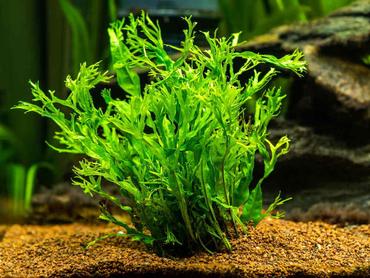
Live plants are the best way to provide this. Dense clumps of Java Moss, Subwassertang, or Cholla wood provide intricate networks of holes that are too small for fish to enter but perfect for shrimp. When shrimp molt, their new shell is soft for several hours. During this window, they are incredibly vulnerable and will seek out the darkest, most secluded spot in the tank to hide until their armor hardens.
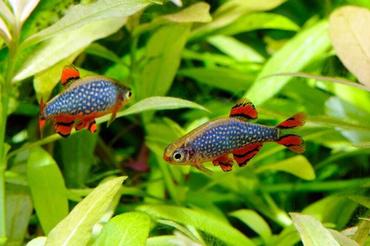
If you are planning a community tank, choose fish with small mouths. Neon Tetras, Ember Tetras, and Celestial Pearl Danios are generally safe for adult shrimp. However, if you want your shrimp to breed and for the babies to survive, a species-only tank is highly recommended.
Common Pitfalls and How to Avoid Them
Many hobbyists lose their first batch of shrimp within the first week. This is almost always due to improper acclimation or "Old Tank Syndrome." Shrimp are much more sensitive to "osmotic shock" than fish. When moving shrimp from the pet store water to your home water, the difference in mineral content can cause their cells to expand or contract too quickly, leading to death. Always use the drip method: slowly adding your tank water to the bag water over 2-3 hours until the volume has quadrupled.
Another major killer is copper. Many common fish medications (especially those for ich or velvet) contain copper sulfate. While fish can tolerate low levels of copper, it is a potent neurotoxin for shrimp and other invertebrates. Always check the label of any fertilizer or medication before adding it to a shrimp tank. Even some "snail-killing" products contain chemicals that will linger in the substrate and kill shrimp months later.
Lastly, be mindful of your filter intake. Power filters and internal filters have high suction that can easily suck up and blend small shrimp. To prevent this, always cover your filter intake with a fine pre-filter sponge. This not only protects the shrimp but also provides an extra surface for them to graze on, as the sponge will naturally collect bits of food and biofilm.
Mastering the Molt: The Secret to Longevity
A shrimp's life is defined by its molt cycle. Because they have an exoskeleton, they cannot grow linearly like mammals; they must grow in "steps" by shedding their old shell and expanding before the new one hardens. This process is physically taxing and requires a precise balance of minerals in the water.
General Hardness (GH) and Carbonate Hardness (KH) are the two parameters that matter most here. GH measures calcium and magnesium, which are the building blocks of the shell. KH measures the buffering capacity of the water. If the GH is too low, the shrimp won't have the materials to build a new shell, leading to "soft shell syndrome." If the GH is too high, the shell becomes too thick and brittle, and the shrimp gets stuck halfway through the molt—a condition often called "the white ring of death."
To ensure successful molting, provide a diet rich in calcium. Many high-quality shrimp pellets are fortified with minerals, and you can also add blanched vegetables like kale or spinach, which are naturally high in calcium. Keeping a piece of cuttlebone in the filter or hidden behind a rock can also provide a slow-release source of calcium carbonate to the water column.
Advanced Shrimp Keeping: Selective Breeding
Once you have mastered the basic care of Red Cherry Shrimp, you might find yourself interested in the world of selective breeding. This is where the hobby becomes a true art form. By selecting only the reddest, most opaque individuals to breed and "culling" (moving to a different tank) the paler ones, you can improve the quality of your colony over several generations.
This process isn't limited to just red. Neocaridina shrimp come in a rainbow of colors, including Blue Dream, Yellow Golden Back, Orange Sakura, and even Chocolate or Black Rose. However, a crucial rule for beginners: do not mix different colors of the same species in the same tank if you want to keep those colors. If you put Blue Dream shrimp and Red Cherry shrimp together, they will interbreed, and their offspring will eventually revert to the natural "wild type" coloration, which is a mottled transparent brown. To maintain those vivid neons, stick to one color per tank.
Creating the Ultimate Shrimp Scape
While shrimp can live in a standard tank, they truly shine in a dedicated "shrimpscape." This usually involves a smaller tank (5-10 gallons) with a focus on fine-textured plants like mosses and Bucephalandra. Because shrimp are small, they make the environment look much larger than it actually is, creating a sense of scale that is difficult to achieve with fish.
Use plenty of hardscape—wood and rocks—to provide surface area. Each branch of driftwood is like a multi-story apartment complex for shrimp, offering dozens of nooks for them to explore. Floating plants like Amazon Frogbit or Red Root Floaters are also highly beneficial; shrimp love to hang upside down from the roots, picking off trapped particles near the surface where the light is strongest and biofilm grows rapidly.
Takeaway: Building Your Invertebrate Empire
Freshwater shrimp are far more than just "tank cleaners." They are complex, beautiful, and endlessly entertaining creatures that reward the attentive hobbyist with a window into a tiny, bustling world. Whether you are starting with a hardy group of Red Cherries or challenging yourself with the delicate beauty of Crystal Reds, the key to success lies in stability, research, and patience. By prioritizing water quality and providing a habitat that mimics their natural environment, you will find that shrimp are some of the most satisfying inhabitants you have ever kept. Now that you know the top five species, why not dive deeper into the world of aquatic care? Explore our other guides on tank maintenance and plant selection to ensure your new shrimp colony has the best possible start. Your underwater garden is waiting—happy shrimping!
Author's Note: Always remember to quarantine new arrivals. Even though shrimp carry fewer diseases that affect fish, they can still introduce unwanted pests like Scutariella japonica or Planaria into your main display. A two-week observation period in a separate container can save you a lot of headache in the long run.
Takeaway: The Future of Your Aquarium
The journey of an aquarium hobbyist often begins with a single fish, but it is the discovery of the intricate world of invertebrates that often cements a lifelong passion. The Top 5 shrimp species we have discussed—Red Cherry, Amano, Ghost, Crystal Red, and Bamboo—each offer a unique entry point into this rewarding niche. From the utility of the Amano to the high-fashion aesthetics of the Crystal Red, there is a shrimp for every tank size and every skill level. As you move forward, remember that the most successful aquariums are those that balance beauty with biological function. Shrimp are the missing link that brings that balance to your home. We encourage you to share your shrimp-keeping experiences with the community and continue learning through our vast resource of articles at RateMyFishTank.com. Whether you're troubleshooting a water chemistry issue or looking for the next rare species to add to your collection, we're here to help you every step of the way.

MOST RECENT ARTICLES