PROPERLY AERATING YOUR AQUARIUM

The Science of Dissolved Oxygen and Gas Exchange
To truly master aquarium aeration, we must first dispel a common misconception: the bubbles traveling through your water column do not actually pump oxygen directly into the liquid. Instead, the real magic happens at the very top of your tank through a natural process known as surface agitation. When the surface of your water is constantly moving, ripples and waves break the surface tension, dramatically increasing the surface area exposed to the surrounding air. This is where gas exchange occurs: atmospheric oxygen dissolves into the water, while harmful carbon dioxide—produced by your fish, plants, and beneficial bacteria—escapes into the atmosphere.
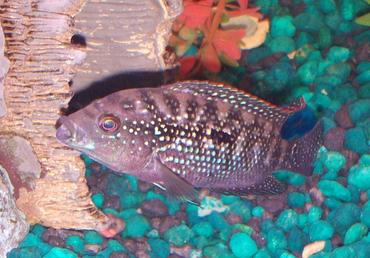
The capacity of water to hold dissolved oxygen is governed by physics and environmental parameters. Temperature plays a massive, inverse role in this dynamic. Warm water holds significantly less dissolved oxygen than cold water. For instance, a tropical tank housing Discus or German Blue Rams maintained at a warm 84°F inherently carries a much lower oxygen ceiling than a coldwater setup holding fancy goldfish at 68°F. This makes precise aeration even more critical during hot summer months or when treating diseases by raising the tank temperature.
Furthermore, atmospheric pressure, salinity, and organic waste loads all influence oxygen saturation levels. In a heavily stocked aquarium, the demand for oxygen is relentless. Your fish need it to respire, but your biological filter's nitrifying bacteria require massive quantities of oxygen to break down toxic ammonia into nitrite and nitrate. If oxygen levels plunge, this biological filtration can stall completely, leading to a rapid, catastrophic spike in toxins that can wipe out an entire community overnight.
Signs of Poor Aeration and Common Beginner Pitfalls
Recognizing the early warning signs of oxygen deprivation is a critical skill that can mean the difference between a thriving ecosystem and a heartbreaking loss. When oxygen levels drop, fish will exhibit clear behavioral changes. The most obvious sign is piping—when fish gather at the water's surface, desperately gasping for air where the oxygen concentration is temporarily highest. If you notice active, mid-water swimmers like Rainbowfish or Tiger Barbs hovering right at the rim of your tank, you are facing an immediate aeration emergency.
However, subtle indicators appear long before gasping begins. You may notice a general lethargy throughout your tank; fish that normally greet you during feeding times might remain hidden or sluggish at the bottom. Rapid gill movement is another key indicator. If your fish's gills are pumping furiously while they are at rest, they are working double-time to extract scarce oxygen from the water column. Over time, chronic low oxygen weakens their immune systems, leaving them highly susceptible to opportunistic pathogens like Ich or fin rot.
Beginners frequently fall into several classic traps that inadvertently suffocate their tanks. One of the most prevalent errors is confusing water movement with surface agitation. A powerful powerhead positioned deep in the tank might create a swirling vortex at the bottom, but if the water's surface remains smooth as glass, gas exchange is severely restricted. Another common mistake is neglecting the accumulation of an oily organic biofilm on the water's surface. This slick layer of proteins and fats acts as a physical barrier, effectively sealing the water off from the air and trapping carbon dioxide inside the tank.
Essential Equipment for Mastering Aquarium Oxygenation
Achieving pristine aeration involves selecting the right tools tailored to your specific aquarium layout and livestock choices. You do not necessarily need every piece of equipment on the market, but understanding how different devices interact with the water surface allows you to build a highly efficient system.
- Air Pumps and Air Stones: The classic air pump remains a reliable staple in the hobby. By forcing air through a porous ceramic or flexible wood air stone, it creates columns of tiny, rising bubbles. As these bubbles burst at the surface, they shatter the surface tension and drive excellent gas exchange while generating gentle vertical currents.
- Sponge Filters: Driven by an air pump, sponge filters provide excellent dual utility. They offer efficient mechanical and biological filtration while simultaneously creating superb surface agitation via their exhaust bubbles, making them a favorite for quarantine and fry tanks.
- Hang-on-Back (HOB) Filters: These popular filters draw water up an intake tube and cascade it back into the aquarium over a lip. This waterfall effect is exceptionally efficient at breaking surface tension and driving oxygen deep into the water column.
- Canister Filter Spray Bars: If you utilize a canister filter, installing a spray bar just below or right at the water level allows you to shoot multiple jets of water across the surface, creating consistent, widespread ripple effects without dead spots.
- Powerheads and Wavemakers: Ideal for larger setups or marine tanks, these devices can be angled upward to create pronounced rolling swells on the surface, ensuring rapid gas exchange across massive surface areas.
Species-Specific Aeration and Care Considerations
When configuring your aeration setup, a one-size-fits-all approach can lead to severe compatibility and husbandry issues. Different aquatic species have evolved in vastly different natural environments, meaning their tolerance for water movement and their respiratory needs vary wildly. Designing the perfect flow and oxygen profile requires matching your equipment to the biological traits of your inhabitants.
For example, labyrinth fish, such as Betta splendens and various Gourami species, possess a specialized organ that allows them to breathe atmospheric air directly from the surface. In their native rice paddies and slow-moving streams, water is naturally low in dissolved oxygen. If you introduce a high-powered air pump or an aggressive spray bar into a Betta tank, the intense current will exhaust the long-finned fish, causing chronic stress and physical damage. For these species, a gentle, low-flow sponge filter provides the ideal balance of clean water and calm surfaces.
Conversely, species originating from fast-flowing, pristine river rapids—such as Hillstream Loaches, White Cloud Mountain Minnows, and various Loricariid plecos—require exceptionally high levels of dissolved oxygen and robust water currents. These fish have high metabolic demands and have evolved physical adaptations, like suction-cup mouths, to cling to rocks amidst raging currents. For a tank featuring these species, combining a high-output canister filter with an additional powerhead angled at the surface is essential to replicate their natural habitat and keep them healthy.
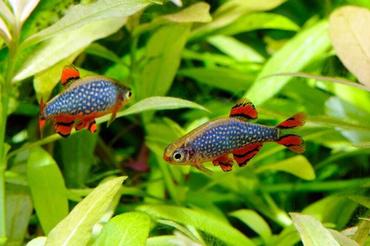
In a diverse community tank, balance is paramount. If you mix moderately active fish like Harlequin Rasboras with bottom-dwelling Corydoras catfish, you must ensure that your aeration creates enough surface movement to oxygenate the lower strata of the tank without turning the middle water column into a washing machine. You can explore our comprehensive guide on aquarium bioload and stocking to understand how your livestock density impacts overall oxygen consumption and demand.
The Delicate Balance Between Plants, Carbon Dioxide, and Oxygen
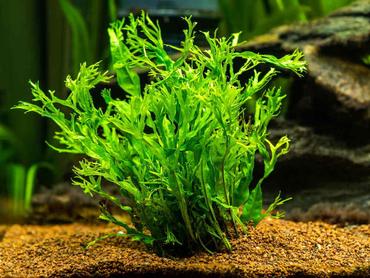
For hobbyists venturing into the beautiful world of high-tech planted aquariums, aeration becomes a fascinating balancing act. Live aquatic plants require carbon dioxide (CO2) during the day to perform photosynthesis, converting light and nutrients into energy while releasing pure oxygen into the water. In a heavily planted tank under intense lighting, plants can easily saturate the water with dissolved oxygen during peak daylight hours, sometimes causing visual "pearling" where tiny oxygen bubbles form on the leaves.
However, the dynamic reverses completely when the lights go out. At night, photosynthesis stops, and plants switch to cellular respiration. In this state, they consume oxygen and release carbon dioxide, competing directly with your fish and beneficial bacteria for the tank's available oxygen supply. In a densely planted layout, this nightly shift can cause a massive nocturnal oxygen dip, leaving fish gasping for air right before the morning lights turn back on.
To safely navigate this challenge, understanding the relationship between fertilization, lighting, and air exchange is vital. If you inject pressurized CO2 to boost plant growth, running aggressive aeration during the day will rapidly off-gas the expensive carbon dioxide you are trying to introduce, rendering it useless. The optimal strategy is to run your CO2 system exclusively during lighting hours, and program an air pump connected to an air stone to kick on via a timer shortly after the lights go out. This ensures your plants have abundant carbon dioxide during the day, while your fish remain completely safe from nocturnal suffocation. For more insights into optimizing your underwater garden, read our expert breakdown on choosing freshwater aquarium substrate to create a robust foundation for plant health and root development.
Practical Maintenance Tips for Consistent Oxygenation
Maintaining pristine oxygen levels requires ongoing diligence and routine equipment care. Even the most advanced aeration setup will degrade in efficiency over time if it is subjected to neglect and organic buildup. Incorporating a few simple checks into your regular aquarium maintenance routine will keep your ecosystem breathing cleanly year-round.
- Clean Filter Intakes Regularly: Plant leaves, floating debris, and decaying organic matter can quickly clog filter intake grates, severely reducing the volume of water processed and diminishing surface agitation.
- Scrub and Replace Air Stones: Over time, dust from the room air, bacterial slime, and mineral deposits will clog the micro-pores of your air stones. Clean them monthly with a stiff brush or replace them entirely when you notice a drop in bubble production.
- Manage the Surface Biofilm: If an oily sheen develops on your water surface, remove it immediately by skimming it gently with a paper towel, adjusting your filter output upwards, or installing a dedicated surface skimmer.
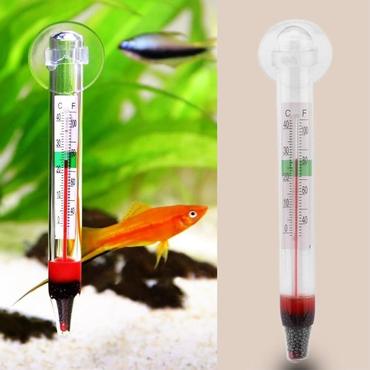
- Monitor Water Temperatures: Keep a close eye on your thermometer, especially during seasonal changes. If your tank runs warm, proactively increase your surface agitation to counteract the natural drop in oxygen-carrying capacity.
- Perform Regular Water Changes: Removing dissolved organic compounds through routine water changes prevents the buildup of wastes that consume oxygen during decomposition. Learn more about maintaining pristine water chemistry by reviewing our guide on changing the water for long-term aquarium success.
Takeaway: Breathe Clean Air into Your Aquarium Habitats
Properly aerating your aquarium is far more than an aesthetic preference; it is a fundamental pillar of responsible fishkeeping that ensures a stable, thriving, and resilient aquatic ecosystem. By shifting your focus toward maximizing effective surface agitation, understanding the distinct respiratory profiles of your fish species, and carefully balancing the nocturnal demands of live plants, you can effortlessly prevent oxygen crises before they start. Pay close attention to the subtle behavioral cues of your livestock, maintain your filtration gear with consistency, and design your flow patterns with intention. If you want to further expand your fishkeeping expertise and construct an ideal environment for your aquatic family, explore our extensive library of articles on RateMyFishTank.com today to discover advanced aquascaping layouts, livestock care sheets, and expert filtration strategies.


MOST RECENT ARTICLES