TOP 10 BEGINNER-FRIENDLY FRESHWATER FISH (WITH CARE & COMPATIBILITY TIPS)
The Fundamentals of Beginner Fishkeeping Success
Before we dive into our list of species, it is crucial to understand the environment these fish require. Many beginners believe that smaller tanks are easier to manage, but the opposite is often true. A small volume of water, such as a 5-gallon tank, can see toxic ammonia levels rise or temperatures fluctuate in a matter of hours. Conversely, a 20-gallon or 29-gallon tank provides a "buffer" that makes mistakes less lethal. This concept of water volume stability is the first lesson every hobbyist should learn. When we speak of "beginner-friendly" fish, we are referring to species that have evolved to survive in a variety of water conditions, making them the perfect partners for someone learning the ropes.
The most important biological concept to master is the "Nitrogen Cycle." This is the process where beneficial bacteria grow in your filter to convert toxic fish waste (ammonia) into less harmful substances (nitrates). If you add too many fish too quickly to a brand-new tank, the bacteria cannot keep up, leading to a "crash" and fish loss. To avoid this, always research how to cycle your aquarium before purchasing your first inhabitants. Patience is the most valuable tool in your kit; a slow start leads to a vibrant, long-term success.
Key Considerations
- Tank Placement: Keep your aquarium away from direct sunlight and drafty windows to prevent algae blooms and temperature swings.
- Water Quality: Invest in a liquid test kit rather than strips for better accuracy in monitoring your water chemistry.
- Substrate Choice: Consider whether you want live plants or artificial decor, as this will dictate whether you need nutrient-rich soil or simple gravel.
Top 10 Beginner-Friendly Freshwater Species
Selecting the right fish involves balancing aesthetics with biological reality. The following species have been chosen for their hardiness, availability, and ease of care.
1. Neon Tetras (Paracheirodon innesi)
The Neon Tetra is perhaps the most iconic freshwater fish. Their neon blue and striking red stripes create a stunning visual contrast, especially in planted tanks. They are the quintessential schooling fish, meaning they derive a sense of security and health from being in a group. In a group of six or more, they will swim together through the middle of the tank, creating a rhythmic sense of motion.
In terms of care, Neons prefer slightly soft, acidic water, but captive-bred varieties are remarkably adaptable to standard tap water. The key to keeping them healthy is stability. They are sensitive to sudden changes in water chemistry, so ensure your weekly water changes are consistent in temperature and pH.
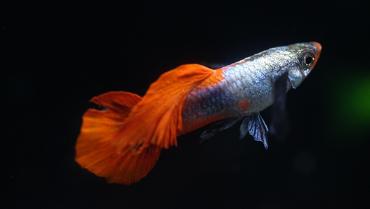
2. Fancy Guppies (Poecilia reticulata)
Guppies are a favorite for a reason: variety. Through decades of selective breeding, they are available in every color of the rainbow, with fin shapes ranging from swordtails to fans. They are highly active and occupy the top and middle layers of the tank. As livebearers, they are famous for their ease of breeding. If you keep both males and females, you will likely see fry within a month.
A common mistake is keeping too many males with too few females. Males can be relentless in their pursuit to mate, which stresses the females. A ratio of two or three females for every one male is recommended. If you don't want to deal with a population explosion, keeping a "bachelor" tank of only males is a popular and colorful alternative.
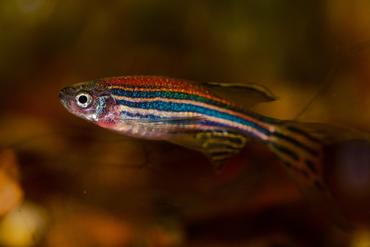
3. Zebra Danios (Danio rerio)
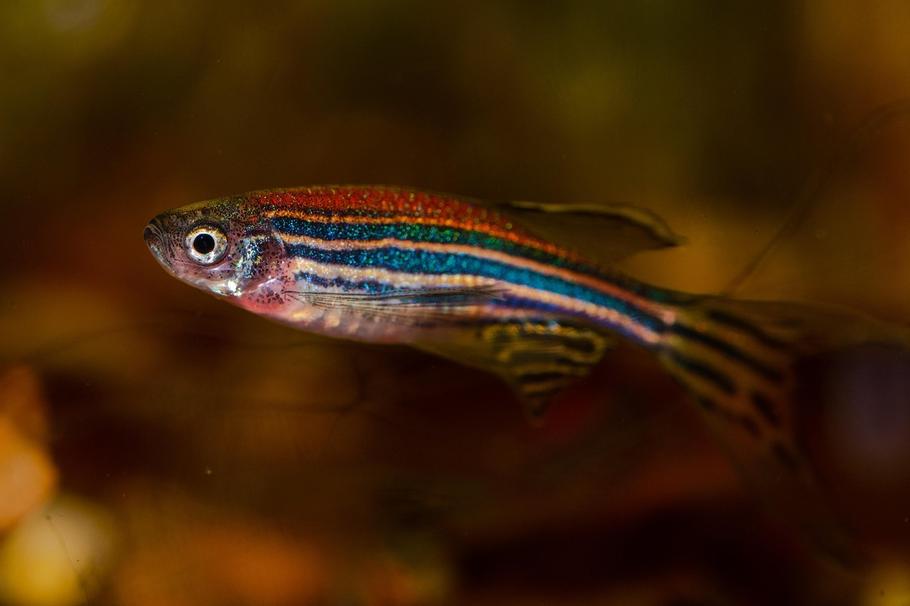
If there is a fish that can survive the learning curve of a true novice, it is the Zebra Danio. These fish are incredibly robust and can tolerate a wide range of temperatures, including cooler water that would stress most tropical fish. They are characterized by their horizontal stripes and their "zippy" swimming style. They are constantly on the move, making them a joy to watch.
Because they are so active, they need horizontal swimming space. A 20-gallon long tank is better for them than a tall, narrow tank. They are also known to be "dither fish," meaning their active presence can help more timid fish feel safe enough to come out of hiding.
4. Harlequin Rasboras (Trigonostigma heteromorpha)
For those looking for a sophisticated look, the Harlequin Rasbora is an excellent choice. They have a shimmering copper body with a distinct black "lamb chop" or triangular shape on their tail end. They are exceptionally peaceful and get along with almost any other community fish. Unlike some tetras, they are not prone to "fin nipping," making them safe tank mates for long-finned species.
They thrive in "blackwater" setups with driftwood and dried leaves, but they are equally at home in a standard community tank. They are very hardy and rarely succumb to common diseases if the water is kept clean.
5. Corydoras Catfish (Corydoras sp.)
No community tank is complete without bottom-dwelling Corydoras. These "armored" catfish are the peacekeepers of the aquarium. They spend their time scuttling across the substrate, using their barbels to sniff out leftover food. This behavior helps keep the tank clean, though they should still be fed sinking pellets to ensure they receive proper nutrition.
There are many varieties, such as the Bronze, Albino, and Panda Cory. They are highly social and must be kept in groups. Watching a "pod" of Corys nap together or sift through sand is one of the most charming sights in the hobby. Ensure your substrate is not sharp, as they can injure their delicate whiskers on jagged gravel.
6. Cherry Barb (Puntius titteya)
While some barbs have a reputation for being aggressive, the Cherry Barb is the exception. They are smaller and much more peaceful than the Tiger Barb. Males turn a stunning deep red when they are mature and settled into their environment. They are hardy and provide a nice splash of color to the lower and middle regions of the tank.
They appreciate a tank with plenty of plants and hiding spots. When they feel secure, they become much bolder and display more vibrant colors. They are omnivores and will readily accept flakes, frozen daphnia, or brine shrimp.
7. Platies (Xiphophorus maculatus)
Platies are the "workhorses" of the beginner tank. They are incredibly sturdy, colorful, and active. Like Guppies, they are livebearers. They come in various patterns, including the "Mickey Mouse" platy, named for the specific markings on its tail. They are great for beginners because they are not picky eaters and can adapt to various water hardness levels.
Platies are also known to graze on algae. While they won't clean your glass like a dedicated algae eater, they will peck at ornaments and plants, helping to keep the ecosystem balanced.
8. Mollies (Poecilia sphenops)
Mollies are larger than Guppies and Platies, making them a great presence in a 29-gallon tank or larger. They are particularly famous for the "Black Molly" variety, which has a velvety, deep black color. Mollies are unique because they can thrive in freshwater, brackish water, and even saltwater. This adaptability makes them very hardy in a home aquarium.
They require a bit more vegetable matter in their diet than other fish. Feeding them a spirulina-based flake will keep their digestive systems healthy and their colors bright.
9. Betta Fish (Betta splendens)
The Betta is often the "gateway" fish into the hobby. They are intelligent, can recognize their owners, and come in breathtaking colors and fin types. However, they are often the victims of misinformation. A Betta should never be kept in a small bowl or a vase. They require at least a 5-gallon tank with a heater and a low-flow filter.
Because of their aggressive nature toward their own kind, males must be kept alone. However, in a 15-gallon or larger tank, they can often live with peaceful bottom-dwellers like Corydoras or snails. Avoid tank mates that are colorful or have long fins, as the Betta may mistake them for rivals.
10. Dwarf Gourami (Trichogaster lalius)
If you want a centerpiece fish with a bit of "soul," look no further than the Dwarf Gourami. They are known for their iridescent blue and orange stripes and their unique pelvic fins, which they use like "feelers" to touch their surroundings. They are labyrinth fish, meaning they have a specialized organ that allows them to breathe atmospheric air at the water's surface.
They are generally peaceful but can be territorial with other Gouramis, so it is best to keep just one in a beginner setup. They prefer slow-moving water and plenty of floating plants where they can build bubble nests.
Essential Care and Maintenance for Success
Once you have selected your fish, the real work begins. Maintaining an aquarium is about consistency. The goal is to mimic a natural environment where waste is processed and fresh water is introduced. The single most common cause of fish death for beginners is over-cleaning or over-feeding. It is a delicate balance.
Feeding should be a controlled process. In nature, fish are lucky to find a meal every day; in an aquarium, we tend to spoil them. Feed only what they can finish in two minutes. Any food that hits the bottom and stays there will rot, causing a spike in ammonia.
Maintenance should follow a schedule. A bi-weekly 25% water change is the industry standard for community tanks. During this time, use a gravel vacuum to suck out debris from the substrate. This process removes nitrates—the end product of the nitrogen cycle—which can be harmful in high concentrations. Never replace all the water at once, as this will shock the fish and kill the beneficial bacteria in your filter.
- Filter Care: Never wash your filter media in tap water. The chlorine will kill your beneficial bacteria. Always rinse it in the bucket of old tank water you just removed.
- Lighting: Keep your lights on for only 8 to 10 hours a day. Too much light is the primary cause of unsightly algae growth.
- Acclimation: When bringing new fish home, float the bag in the tank for 15 minutes to match the temperature, then slowly add small amounts of tank water to the bag over 30 minutes before releasing the fish.
Understanding Fish Compatibility
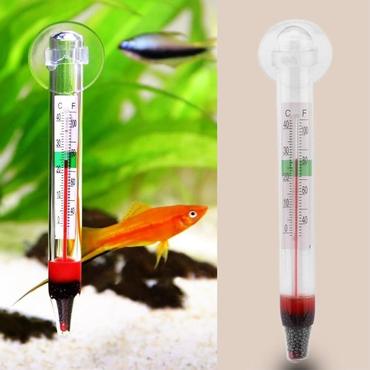
Compatibility is about more than just "will they eat each other?" It involves temperature requirements, pH preferences, and activity levels. For example, you wouldn't want to pair a cold-water White Cloud Mountain Minnow with a warmth-loving Discus. The species listed in this guide are generally compatible because they all thrive in "middle-of-the-road" tropical parameters (75-78°F, pH 6.8-7.6).
When planning your community, think in layers. Fill your bottom layer with Corydoras, your middle layer with Tetras or Rasboras, and your top layer with Danios or a Gourami. This distribution ensures that no part of the tank is overcrowded, which reduces stress and aggression. If you see a fish constantly hiding or having its fins nipped, it’s a sign that the social dynamic is off.
Common Beginner Mistakes to Avoid
Even with the right fish, beginners can run into trouble. One major mistake is "The Impulse Buy." You see a small, cute fish at the store, buy it, and six months later it has grown into a foot-long predator that has eaten all your Neon Tetras. Always research the adult size of a fish before bringing it home. Common culprits include "Common Plecos" (which grow to 18 inches) and "Oscar" cichlids.
Another pitfall is treating the tank with medications at the first sign of a spot. Many beginner fish are sensitive to certain chemicals. Often, "Ich" (white spot disease) can be treated by slightly raising the water temperature and performing more frequent water changes rather than dumping in harsh dyes. Education is your best defense against disease.
Conclusion: Your Path to a Thriving Aquarium
Starting an aquarium is a journey of continuous learning. By choosing hardy species like the Zebra Danio, Cherry Barb, or Corydoras, you are giving yourself the best possible start. These fish are forgiving, beautiful, and full of personality. Remember that the key to a beautiful tank is not just the fish you put in it, but the care you provide through consistent maintenance and observation. Take the time to watch your fish every day; their behavior will tell you everything you need to know about the health of their environment.
Are you ready to start your aquatic adventure? Begin by sketching out your tank layout and choosing a "centerpiece" fish from our list. Once your tank is cycled and ready, introduce your new friends slowly and enjoy the tranquil beauty of your own piece of the underwater world. For more tips on equipment and advanced care, keep exploring RateMyFishTank.com!

MOST RECENT ARTICLES