SAFETY TIPS FOR FRESHWATER AQUARIUMS

Electrical Safety and Equipment Management
Water and electricity are a dangerous combination, yet they are the two primary components of any modern aquarium. Ensuring your equipment is safe is the first step in preventing catastrophic failures or personal injury. Most hobbyists focus on the fish, but the hardware behind the glass is what keeps the environment viable. Neglecting electrical safety can lead to fires, electrocution, or the total loss of your livestock during a power surge.
Safety Tips
- Use Drip Loops on Every Cord: This is the most basic yet vital safety tip in the hobby. A drip loop is a simple U-shaped dip in the power cord that hangs below the level of the electrical outlet. If water leaks from the tank or splashes onto the cord, gravity will cause the droplets to drip off the bottom of the loop rather than running directly into the socket. This simple trick has saved countless homes from electrical fires.
- Install a GFCI Outlet: Ground Fault Circuit Interrupters (GFCI) are designed to shut off power instantly if an electrical leak or "fault" is detected. This is the same type of outlet required in bathrooms and kitchens. If you cannot replace your wall outlet, you can purchase high-quality GFCI adapter plugs or power strips specifically for your aquarium equipment.
- Heater Safety and Redundancy: Aquarium heaters are notorious for being the most common point of failure. When a heater fails, it often sticks in the "on" position, effectively cooking your fish. To mitigate this risk, never use a single large heater; instead, use two smaller heaters that combined equal the required wattage. Additionally, invest in an external temperature controller. These devices act as a secondary failsafe, cutting power to the heaters if the temperature exceeds a set threshold.
- Unplug During Maintenance: It is a common mistake to leave equipment running while your hands are in the water. Always unplug your heaters and powerheads during a water change. Heaters made of glass can shatter if they are exposed to the air while hot and then splashed with cool water.
- Proper Lighting Mounts: Ensure your LED or T5 lighting fixtures are securely mounted. Falling lights are a common cause of electrical shorts and can cause significant stress or electrocution to sensitive fish like Neon Tetras or Bettas. Use clips or suspension kits that are rated for the weight of the fixture.
Chemical Safety and Water Quality Control
The "safety" of a tank is often invisible to the naked eye. Ammonia, nitrite, and nitrate levels determine whether your fish thrive or perish. A safe tank is one where the biological cycle is respected and chemical additives are handled with extreme care. Many beginners treat their tanks with too many chemicals in an attempt to "fix" water parameters, which often leads to more harm than good.
One of the most common beginner mistakes is "New Tank Syndrome," where fish are added before the nitrogen cycle is established. To keep your fish safe, you must use a liquid test kit to monitor parameters weekly. For intermediate keepers, maintaining stability is more important than chasing a "perfect" pH number. Rapid fluctuations in water chemistry are far more dangerous to fish like Discus or German Blue Rams than a slightly "off" but stable pH.
Safety Tips
- Dechlorinate Every Drop: Municipal tap water contains chlorine or chloramines to make it safe for human consumption, but these chemicals are lethal to fish and the beneficial bacteria in your filter. Always use a high-quality water conditioner during every water change. Never assume that letting water "sit out" for 24 hours is enough, as chloramines do not evaporate.
- Avoid Household Aerosols: Never spray glass cleaners, air fresheners, or perfumes near an open-top aquarium. The surface of the water acts as a sponge for airborne chemicals. These toxins can dissolve into the water, leading to sudden, unexplained mass die-offs. If you must clean the outside of the glass, spray the cleaner onto a cloth in a different room first.
- Safe Cleaning Practices: Never use soap, bleach, or household detergents on your aquarium decor or inside the tank. Residual soap film can interfere with a fish's ability to breathe through its gills by breaking down the surface tension and damaging their protective slime coat. Use dedicated aquarium sponges and warm water or a diluted vinegar solution for heavy mineral deposits.
- Quarantine New Arrivals: A major safety protocol for your existing community is the use of a quarantine tank. Introducing a single fish with Ich, Velvet, or internal parasites can wipe out an entire established population. Quarantine all new fish for at least 21 to 30 days. This also allows the new fish to recover from the stress of transport in a quiet environment without competition.
- Managing Medications: If you must medicate a tank, follow the instructions precisely. Some medications, particularly those containing copper, are toxic to invertebrates like Amano Shrimp or Nerite Snails. Always remove carbon from your filter during treatment, as it will neutralize the medication before it can work.
Fish Compatibility and Behavioral Safety
Safety in an aquarium also applies to the social dynamics within the glass walls. Putting a peaceful species with a predator is a recipe for disaster, but even "peaceful" fish can become aggressive under the wrong conditions. Understanding the temperament, social needs, and adult size of your fish is essential for a harmonious and safe environment.
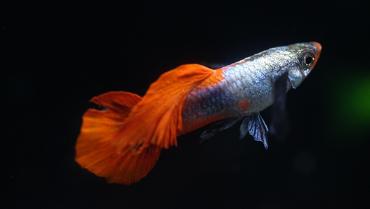
For example, Angelfish are often sold as small, graceful juveniles. However, they are cichlids and can become highly territorial and aggressive as they mature, often preying on smaller tank mates like Guppies or Endlers. Similarly, Tiger Barbs are notorious fin-nippers and should never be kept with long-finned species like Fancy Guppies or Betta splendens. The resulting stress and physical injury from fin-nipping often lead to secondary fungal infections.
Safety Tips
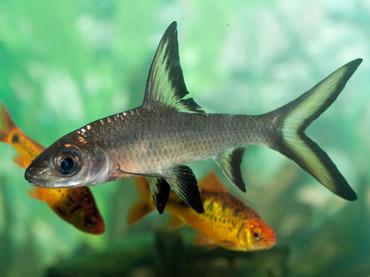
- Research Adult Sizes: Many "cute" fish in pet stores, such as Common Plecos, Bala Sharks, or Oscar Cichlids, grow to massive sizes. A fish that outgrows its tank will suffer from stunted growth, organ failure, and increased aggression. Always plan your tank safety based on the fish's maximum potential size, not its current size at the store.
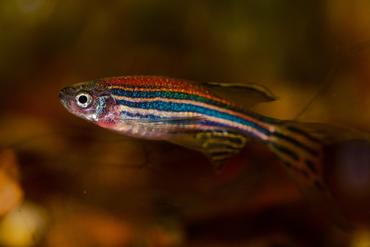
- Schooling Requirements: Species like Zebra Danios, Rummy Nose Tetras, and Corydoras Catfish are social animals that need to be in groups of at least six to eight. Keeping them in smaller numbers or as individuals causes chronic stress, which weakens their immune systems and makes them the first to succumb to disease.
- Territorial Awareness: Ensure there are enough hiding spots, such as driftwood, rock caves, or dense plantings. If you are keeping semi-aggressive species like Kribensis Cichlids, providing multiple "zones" allows submissive fish to escape line-of-sight and prevents physical bullying that can result in death.
- Feeding Competition: Safety also means ensuring everyone gets to eat. Fast-moving fish like Giant Danios can easily outcompete slow-moving fish like Fancy Goldfish for food. This leads to malnutrition and stress for the slower species. Use targeted feeding techniques or select species with similar activity levels.
Structural Integrity and Tank Placement
A freshwater aquarium is incredibly heavy—water weighs approximately 8.34 pounds per gallon. The structural safety of your setup involves more than just the glass; it involves the stand, the floor, and the surrounding environment. A failure in structural safety is often the most expensive and damaging mistake a hobbyist can make.
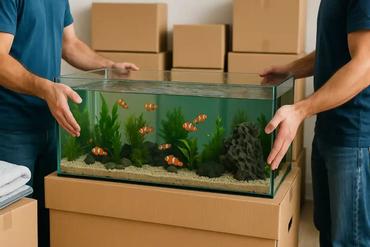
Consider a 55-gallon tank: when filled with water, 60 pounds of substrate, and heavy rocks, the total weight can easily exceed 600 pounds. Placing this on a standard dresser, a TV stand, or "flat-pack" furniture not designed for aquariums is a massive safety risk. Over time, moisture and weight will cause the wood to bow, putting stress on the glass and eventually leading to a catastrophic tank burst.
Safety Tips
- Use Dedicated Aquarium Stands: Always use a stand specifically rated for the weight and dimensions of your tank. These stands are designed to support the weight at the corners or across the entire perimeter, depending on whether the tank is glass or acrylic.
- Leveling the Tank: Ensure the stand is perfectly level in both directions. An unlevel tank puts uneven pressure on the silicone seams. Over months or years, this torsion can cause a seam to fail. Never shim the tank itself; always shim the stand where it meets the floor.
- Avoiding Direct Sunlight: Placing a tank near a window or a heat vent can cause rapid temperature fluctuations and massive algae blooms. Sudden temperature spikes are dangerous for sensitive species like Cardina Shrimp or White Cloud Mountain Minnows. Direct sun can also degrade the silicone seals over time.
- Lid Safety and Jumpers: Many fish are expert jumpers, especially when startled at night. Species such as Hatchetfish, African Butterfly Fish, and even Platies are known for leaping out of the smallest gaps. A tight-fitting lid or a DIY mesh cover is a non-negotiable safety requirement to prevent finding your prized fish on the floor.
- Substrate Hazards: If keeping bottom-dwellers like Kuhli Loaches or Corydoras, ensure the substrate is smooth sand or rounded gravel. Sharp, jagged volcanic rocks or "blasted" glass substrate can tear their delicate barbels and underbellies, leading to permanent disfigurement or fatal bacterial infections.
Maintenance Safety and Long-Term Disease Prevention
Routine maintenance is the backbone of aquarium safety, but how you perform that maintenance determines the health of the system. Consistency is the key to preventing "Old Tank Syndrome," a condition where nitrates, phosphates, and hardness levels climb to dangerous levels over many months because of inadequate water changes, even though the water "looks" clean.
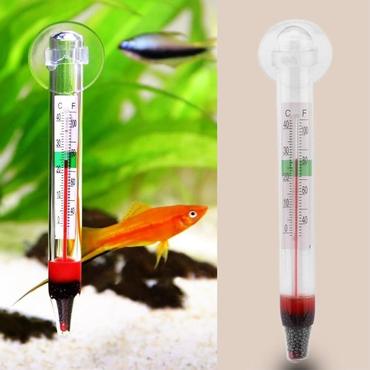
When performing water changes, matching the temperature of the new water to the tank water is critical. Use a digital thermometer to ensure they are within 1 or 2 degrees of each other. Large temperature swings can shock the fish's system and trigger "Ich" (white spot disease). If you notice fish "flashing"—abruptly rubbing their bodies against decor—it is a clear signal that the water quality has plummeted or a parasite has taken hold.
Safety Tips
- Hand Hygiene and Personal Safety: Always wash and thoroughly rinse your hands before and after reaching into the tank. However, be extremely cautious about residual soaps, lotions, or hand creams. Conversely, "Fish Tank Granuloma" is a rare but real skin infection (Mycobacterium marinum) that humans can contract from aquarium water. Always wear aquarium-grade gloves if you have open cuts or a compromised immune system.
- Filter Maintenance Protocol: Never wash your filter media (sponges, ceramic rings, or bio-balls) in raw tap water. The chlorine will instantly kill the beneficial nitrifying bacteria, causing a dangerous ammonia spike. Instead, gently rinse the media in a bucket of used tank water during your scheduled maintenance.
- The Dangers of Overfeeding: Overfeeding is the number one cause of water spoilage and fish death in the hobby. Rotting food produces ammonia and promotes the growth of harmful bacteria and fungi. Only feed what the fish can consume in two minutes, and remove any uneaten food immediately with a net or siphon.
- Regular Equipment Inspections: Once a month, check your equipment for signs of wear. Look for salt creep around electrical connections, listen for grinding noises in filter impellers, and check the silicone seals of the tank for any lifting or bubbles. Early detection is the difference between a simple repair and a flooded living room.
The Golden Rules of Freshwater Aquarium Safety
In the world of aquarium keeping, safety is not a one-time setup task but a continuous commitment to the well-being of your aquatic life. A safe freshwater aquarium is the result of proactive management rather than reactive fixes. By addressing electrical hazards with drip loops, maintaining biological stability through consistent testing, and respecting the natural behaviors and space requirements of your fish, you create a sustainable hobby that brings joy rather than frustration.
The most successful hobbyists are those who remain observant. Spend ten minutes a day just watching your fish; their behavior will tell you everything you need to know about the safety of their environment. Are they gasping at the surface? You likely have an oxygen or ammonia issue. Are they hiding more than usual? You might have a compatibility problem or a failing heater. By catching these signs early and following the protocols outlined in this guide, you ensure that your aquarium remains a centerpiece of beauty and health. Always prioritize the needs of the specific species you keep, and remember that "less is more" when it comes to chemical interventions. If you stay curious, stay observant, and follow these fundamental safety protocols, your freshwater journey will be a long and successful one.
Conclusion: Stay Informed and Stay Safe
Creating a safe freshwater environment is a multifaceted endeavor that bridges biology, chemistry, and physics. From the way you plug in your lights to the type of substrate you choose for your loaches, every decision impacts the longevity of your tank. This guide provides the foundation, but the hobby is always evolving. For more detailed guides on specific species, advanced filtration techniques, and troubleshooting common tank issues, be sure to explore our extensive library of care sheets and expert articles at RateMyFishTank.com. Whether you are a beginner setting up your first 10-gallon tank or an intermediate keeper moving into larger, more complex ecosystems, your commitment to safety is what will define your success. Keep learning, keep testing, and most importantly, enjoy the incredible world you've created behind the glass.
Would you like me to help you create a customized maintenance checklist based on these safety tips for your specific tank size?


MOST RECENT ARTICLES