FINDING THE RIGHT BALANCE WITH AQUARIUM LIGHTING

The Biology of Light: Why Your Aquarium Needs the Right Balance
In natural habitats such as Amazonian blackwater tributaries, shallow Asian peat swamps, or tropical coral reefs, aquatic life has evolved under consistent, highly predictable solar cycles. Sunlight dictates feeding times, spawning triggers, resting states, and cellular repair across all aquatic species. When you construct an artificial home aquarium, your chosen lighting fixture completely replaces the sun, functioning as the primary driver of the entire biological engine inside your glass tank.
Photosynthetic organisms within the aquarium rely on specific light energy wavelengths to perform photosynthesis, converting dissolved carbon dioxide and fresh water into bioavailable sugars and gaseous oxygen. In planted freshwater systems, higher plants utilize this energy to build healthy stem structures and dense root systems. In marine reef tanks, symbiotic dinoflagellates known as zooxanthellae live inside coral tissue, using light energy to produce nutrients that feed their coral host. When lighting parameters are balanced, aquatic plants and corals actively absorb dissolved nitrogenous waste products like nitrates and phosphates, effectively assisting your biological filtration system in keeping the water column pristine.
When aquarium illumination becomes unbalanced, this crucial biological partnership breaks down rapidly. Excessively high light levels create a surplus of photosynthetically active energy. If aquatic plants lack the necessary amounts of carbon dioxide or macronutrients to match that high light output, they cannot utilize the extra energy. Opportunistic nuisance organisms—such as green hair algae, brush algae, green spot algae, and photosynthetic cyanobacteria—will immediately exploit this surplus energy, multiplying exponentially. On the flip side, running insufficient lighting causes plants to stall, drop leaves, and decay at the substrate level, creating dangerous ammonia spikes that threaten fish health.
Understanding Core Metrics: Spectrum, PAR, Lumens, and Photoperiod
To master aquarium lighting, hobbyists must look beyond outdated metrics like "watts per gallon" (which applied mainly to legacy fluorescent tubes) and familiarize themselves with modern optical measurements that dictate plant and coral health.
- Color Spectrum (Kelvin Rating): Measured on the Kelvin (K) temperature scale, spectrum describes the visual color output of a light source. Freshwater planted tanks thrive under light temperatures between 6,500K and 8,000K, which accurately replicates midday natural sunlight and provides the red and blue wavelengths essential for chlorophyll absorption. Saltwater and reef aquariums require cooler, bluer spectrums ranging from 10,000K up to 20,000K; these deeper blue wavelengths penetrate deeper into the water column and activate glowing fluorescent proteins inside corals.
- PAR (Photosynthetically Active Radiation): PAR measures the density of light photons falling within the 400 to 700-nanometer spectral range—the exact wavelengths plants and corals use for photosynthesis. Measured using a quantum flux meter, low-light plants require a PAR value around 15–30 at the substrate, medium-light plants require 30–80 PAR, while demanding carpet plants or hard corals demand 80–150+ PAR.
- Lumens and Lux: Lumens measure the overall intensity of light visible to the human eye, while lux measures lumen density per square meter. While useful for gauging human visual brightness, high lumen output does not guarantee that the light delivers the correct spectral wavelengths needed for plant growth.
- Photoperiod Duration: Photoperiod refers to the total duration your lights remain switched on each day. A stable photoperiod for most aquariums ranges between 6 and 8 hours daily. Running lights for 12 to 14 hours continuously is one of the most widespread beginner mistakes, consistently leading to uncontrollable algae growth.
Selecting the Right Lighting Technology for Your Setup
Aquarium lighting technology has undergone a major revolution over the past decade. Traditional light sources such as incandescent bulbs, T5 High Output (T5HO) fluorescents, and hot Metal Halide fixtures have largely been replaced by modern, energy-efficient Light Emitting Diode (LED) systems.
LED lighting provides unmatched advantages for freshwater and marine hobbyists alike. LEDs consume a fraction of the electricity required by fluorescent fixtures, radiate negligible heat downward into the water column, and boast operational lifespans often exceeding 50,000 hours without requiring annual bulb replacements. Furthermore, modern LED fixtures feature multi-channel color control (individual channels for white, deep blue, red, and green diodes) that allow aquarists to fine-tune spectrums specifically to highlight fish coloration or accelerate plant growth.
Another major advantage of programmable LED systems is their capability to simulate gradual sunrise and sunset transitions. Abruptly toggling a stark, high-output light fixture on or off over an aquarium startles livestock, causing timid fish species to panic, dart blindly into decorations, or jump out of the tank entirely. Smooth 30-minute ramping sequences replicate natural dawn and dusk cycles, minimizing stress and maintaining natural fish behavior.
Matching Lighting Intensity with Fish and Plant Inhabitants
Every aquarium community consists of species adapted to specific ecological niches. Tailoring your lighting setup to match the native habitats of your chosen livestock and plant species prevents chronic stress and promotes vibrant health.
Low-Light Inhabitants and Species Requirements
Many popular aquarium fish species originate from densely shaded blackwater rivers, jungle canopy streams, or murky flooded forests. Species such as Neon Tetras, Cardinal Tetras, Harlequin Rasboras, Corydoras Catfish, Clown Loaches, and nocturnal Plecostomus species feel insecure under harsh, blinding lights. When exposed to excessive brightness without cover, these species often lose their vivid coloration, hide continuously, and suffer weakened immune systems.
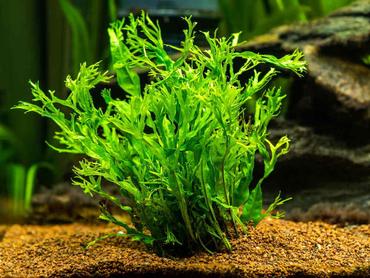
To keep low-light fish comfortable, pair them with shade-tolerant flora that thrive under lower PAR levels (15 to 30 PAR). Excellent plant choices include Anubias nana, Java Fern (Microsorum pteropus), Cryptocoryne species (such as Cryptocoryne wendtii), Bucephalandra, and Java Moss. These slow-growing species require minimal light and maintain rich green leaves without requiring carbon dioxide injection systems.
Medium to High-Light Inhabitants and Species Requirements
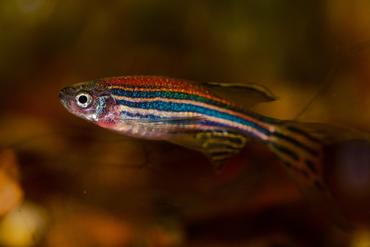
Conversely, fast-swimming schooling fish from open water environments—such as Boesemani Rainbowfish, Zebra Danios, Swordtails, Mollies, and Platies—show off vibrant colors under bright, full-spectrum illumination. In high-light planted aquariums, intense light fuels rapid growth in demanding stem plants like Rotala macrandra, Ludwigia repens, and Hygrophila polysperma, alongside lush carpeting species like Dwarf Baby Tears (Hemianthus callitrichoides) and Dwarf Hairgrass.
Keep in mind that high-light aquatic plants cannot thrive on intense PAR alone. To prevent severe algae outbreaks under high-output lighting, aquarists must implement pressurized CO2 injection systems and feed plants with a structured liquid fertilizer regimen containing essential nitrogen, phosphorus, potassium, iron, and trace micro-nutrients.
For detailed advice on managing planted aquariums and plant nutritional balance, check out our guide on freshwater plant care and tank setups.
Managing Lighting, Nutrient Levels, and Algae Control
Sustaining an algae-free aquarium relies on establishing equilibrium across three foundational variables: lighting intensity, carbon dioxide availability, and liquid nutrient concentration. Think of these three factors as a balanced tripod; if you adjust one leg significantly without altering the other two, the balance tips over and algae quickly takes over.
When high-power lights run over a tank with insufficient carbon dioxide or unbalanced fertilizer levels, plants stall their growth metabolic pathways. Algae spores, which are far simpler organisms than higher aquatic plants, will immediately consume the unused light energy and excess nutrients. To establish and maintain proper balance in your aquarium, apply these actionable maintenance techniques:
- Automate with Digital Timers: Human schedules are inherently unpredictable. Forgetting to turn off aquarium lights or turning them on at inconsistent times stresses livestock and gives algae a competitive advantage. Use a simple mechanical plugin timer or smart digital plug to lock in a consistent 7-to-8-hour photoperiod every day.
- Incorporate Surface Floating Plants: Fast-growing floating plants such as Amazon Frogbit, Dwarf Water Lettuce, and Salvinia act as natural shade umbrellas. They absorb bright light at the surface while rapidly extracting excess nitrates and phosphates directly from the water column.
- Adjust Fixture Height and Dimmer Settings: If stubborn green spot algae or hair algae begins forming on your front display glass, dim your fixture intensity by 10 to 15 percent or elevate the light mounting brackets a few inches higher above the water surface to lower bottom-level PAR.
- Employ an Active Clean-Up Crew: Build a dedicated biological algae control team featuring efficient grazing species such as Amano Shrimp, Nerite Snails, Otocinclus Catfish, and Bristlenose Plecos to consume minor film algae growth before it spreads.
- Implement a Mid-Day Lighting Pause (Siesta): Splitting your daily photoperiod into two shorter blocks (for example, 4 hours on in the morning, 2 hours off during midday, and 4 hours on in the evening) can help suppress algae growth while allowing CO2 levels to naturally rebuild during the midday break.
If your aquarium is currently battling stubborn green water or black beard algae infestations, explore our step-by-step walk-through on troubleshooting aquarium algae outbreaks to clear your water column effectively.
Compatibility and Special Care Considerations
When designing your aquarium lighting scheme, compatibility between livestock, plants, and equipment hardware must stay top of mind. Assuming that brighter lighting automatically creates a better-looking tank is one of the most common pitfalls in the aquarium hobby.
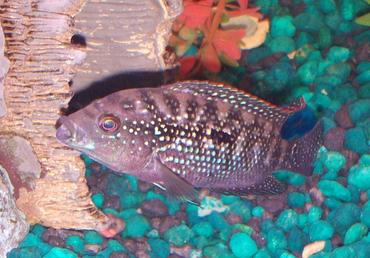
Certain sensitive freshwater species—including Discus, Angelfish, and Blind Cave Tetras—are highly sensitive to bright, open light setups. In stark, unshaded environments, Discus often show stress bar markings and hide in corners. If your aquascape includes light-demanding stem or carpet plants alongside timid fish, construct shaded sanctuaries within the tank. Use twisting driftwood branches, tall rock overhangs, or dense background stands of tall plants like Vallisneria americana to create dim resting zones near the bottom.
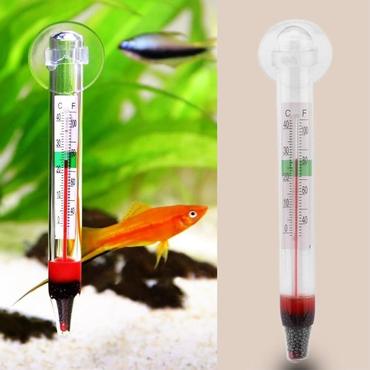
Thermal management is another crucial consideration when choosing and positioning lights. Although modern LEDs radiate much less heat than older fluorescent or metal halide fixtures, high-wattage LED arrays can still warm the surface layer of your aquarium water during extended photoperiods. Water temperature spikes lower dissolved oxygen levels, stressing both fish and beneficial nitrifying bacteria. Always keep an accurate digital thermometer in your aquarium to ensure water temperatures remain stable when modifying your lighting setup.
To avoid common installation mistakes and protect your aquatic ecosystem, read our comprehensive list of essential beginner aquarium articles before purchasing new equipment.
Long-Term Lighting Management: Observation and Adjustment
Balancing aquarium lighting is not a set-it-and-forget-it task; it requires ongoing observation, periodic monitoring, and gradual adjustments as your aquarium matures over time. Newly established aquariums with young, unrooted plants are particularly vulnerable to algae outbreaks during their first two to three months because beneficial bacterial colonies and plant root structures are not yet fully established.
When starting a brand-new tank setup, begin with a conservative approach: set your lighting intensity to approximately 50 to 60 percent power and run a short photoperiod of no more than 6 hours daily. As your aquatic plants take root, put out fresh shoots, and begin rapidly growing, you can slowly increase light intensity by 5 percent each week and extend the photoperiod up to 7 or 8 hours, carefully watching for any signs of nuisance algae.
Regular maintenance of your lighting equipment is equally important. Dust, mineral deposits, and dried water spots on the glass splash guard or optical lenses of your fixture can block up to 30 percent of light output over time. Gently wipe down light lenses with a soft cloth dampened with distilled water or aquarium-safe vinegar solutions during your routine weekly water changes to maintain maximum spectral output and clarity.
Achieving Long-Term Success in Your Aquarium
Finding the ideal lighting balance in your aquarium requires a thoughtful blend of biological understanding, equipment selection, and careful daily observation. By matching light spectrum and PAR levels to the specific needs of your fish, plants, or corals, you tackle the root causes of algae growth while encouraging robust plant health and vivid fish coloration. Automate your daily photoperiod, monitor plant responses closely, and keep nutrients balanced to enjoy a clear, beautiful aquarium display year-round.
Do you have questions about choosing the right LED fixture for your tank depth, or need help fine-tuning your daily lighting schedule? Browse our extensive archive of guides at RateMyFishTank.com, leave your questions in the comments below, or upload pictures of your setup to our community gallery to get expert feedback from seasoned hobbyists!


MOST RECENT ARTICLES