HOW TO SET UP A HOSPITAL TANK

1. Why Every Aquarist Needs a Hospital Tank (And How It Saves Your Display Aquarium)
A hospital tank is a minimalist secondary aquarium system designed specifically for treating sick or injured fish and isolating new additions before introducing them to your main display. When a fish succumbs to bacterial infections, fungal growths, or parasitic outbreaks, treating the primary tank poses significant risks to the entire ecosystem you have worked so hard to establish. Many over-the-counter fish medications, particularly broad-spectrum antibiotics and antiparasitic treatments, do not distinguish between harmful pathogens and beneficial nitrifying bacteria. Dosing your display aquarium can destroy your biological filter, triggering catastrophic ammonia and nitrite spikes that threaten all of your livestock.
Furthermore, porous display elements like gravel substrates, live plants, porous rockwork, and decorative driftwood readily absorb chemical compounds. This absorption renders medications far less effective by reducing their therapeutic concentration in the water column. Even worse, residual chemicals like copper sulphate can leach back into the water long after treatment has ended, proving lethal to delicate invertebrates like Nerite snails, Cherry shrimp, and live corals. By transferring afflicted livestock into a separate isolation environment, you eliminate these collateral risks entirely while maintaining complete control over the treatment process.
Isolating sick fish also dramatically reduces pathogen transmission across your community. Highly contagious aquatic conditions like Ichthyophthirius multifiliis (white spot disease or Ich) or velvet can sweep through a crowded community of Neon Tetras, Guppies, or Zebra Danios in a matter of days. Removing affected individuals immediately lowers the free-swimming parasite load in your main display, making overall outbreak management significantly easier. Recognizing disease symptoms early and reviewing detailed resources on common freshwater tropical fish diseases allows you to intervene swiftly before an isolated illness turns into a system-wide mortality event.
Additionally, a hospital tank provides a tranquil sanctuary necessary for recovery. In a bustling main display, dominant or aggressive species such as Serpae Tetras, Tiger Barbs, or territorial Cichlids frequently pick on weak, sick, or injured tankmates. This relentless physical harassment increases stress hormones, suppresses immune response, and frequently leads to severe secondary bacterial infections. In an isolated, predator-free environment, an ailing fish can direct all of its metabolic energy toward immune defense, tissue regeneration, and healing.
2. Essential Equipment and Supplies for Your Hospital Tank Setup
Unlike a primary display aquarium, a hospital tank prioritizes sterility, utility, and ease of maintenance over aesthetic appeal. You do not need high-end LED lighting, specialized plant substrates, or intricate aquascaping elements. In fact, keeping the setup ultra-simple makes cleaning, water changes, and post-treatment disinfection effortless once the recovery period concludes.
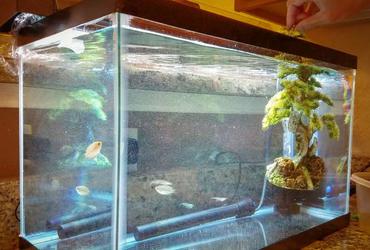
- Bare-Bottom Glass Tank (10 to 20 Gallons): A standard 10-gallon aquarium works exceptionally well for small freshwater species such as Bettas, Guppies, Tetras, and Dwarf Gouramis. Larger species like Discus, Fancy Goldfish, Angelfish, or adult Oscar Cichlids require a 20-gallon long tank to provide adequate swimming room and dilution volume during treatment.
- Sponge Filter Driven by an Air Pump: A basic air-driven sponge filter offers gentle biological filtration and surface agitation without creating strong currents that exhaust weak fish. Avoid powerheads or canister filters containing activated carbon, as carbon actively strips medications directly from the water.
- Adjustable Submersible Heater with Guard: Precise temperature control is vital for stabilizing immune function and accelerating disease lifecycles. Use an adjustable titanium or glass heater equipped with a protective heater guard to prevent weakened fish from resting against the hot element and sustaining severe thermal burns.
- Non-Porous PVC Pipe Fittings for Shelter: Skip natural gravel, live plants, and porous wood. Clean PVC elbow fittings or large plastic tubes provide secure hiding spots without absorbing medication or harboring hiding parasites.
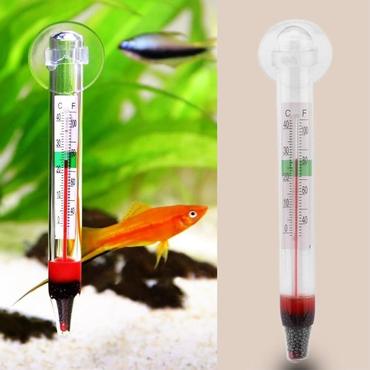
- Digital Thermometer and Liquid Test Kit: Daily monitoring of water temperature, ammonia, nitrite, and pH is essential because unestablished hospital tanks are susceptible to rapid parameter shifts.
A common mistake among beginner hobbyists is adding substrate like gravel or sand to a hospital tank. Substrates trap unconsumed food, detritus, and shed parasites, making thorough gravel vacuuming nearly impossible without diluting medication levels. Keeping the tank bottom completely bare enables instant visual inspection of waste accumulation, feces color (which assists in diagnosing internal endoparasites), and overall tank sanitation.
3. Step-by-Step Guide: Setting Up and Cycling a Hospital Tank Quickly
Emergency medical situations rarely grant you four to six weeks to cycle a new aquarium filter from scratch. Therefore, the most practical approach is maintaining an unpopulated, dry hospital tank on standby while keeping pre-seeded filter media running in your main display system at all times.
Step 1: Position and Fill the Tank
Place the hospital tank on a sturdy, level aquarium stand situated in a low-traffic, quiet area of your home away from direct sunlight, drafty windows, and loud speakers. Fill the tank with tap water treated with a high-quality water conditioner that neutralizes chlorine, chloramines, and heavy metals. Match the temperature, pH, and general hardness to your display aquarium as closely as possible. Alternatively, fill the hospital tank using 50% display aquarium water and 50% fresh conditioned water to ease the osmotic transition for the patient.
Step 2: Seed the Filter for Instant Biological Filtration
To handle nitrogenous waste immediately without waiting for a new cycle, keep an extra sponge filter or secondary ceramic ring pouch running inside your main display filter sump or tank corner at all times. When an emergency strikes, transfer this fully colonized filter media directly into the hospital tank. This instantly introduces established colonies of beneficial bacteria capable of converting lethal ammonia into nitrite and nitrate. Developing a thorough understanding of the aquarium nitrogen cycle will help you monitor these vital parameters during treatment.
Step 3: Calibrate Water Temperature and Aeration
Plug in your adjustable heater and set it according to the specific pathogen you are treating. For instance, gradually raising the water temperature to 82°F–86°F (28°C–30°C) speeds up the life cycle of parasites like Ich, allowing antiparasitic treatments to act faster. Because warmer water holds less dissolved oxygen, add an auxiliary air stone connected to an air pump to maintain high oxygenation levels throughout the treatment process.
Step 4: Acclimate the Patient Safely
Catching sick fish with rough nylon nets can strip away their protective slime coat and tear fragile fins. Use a clear plastic specimen container or a soft silicone net to scoop the fish out gently. Perform a slow acclimation over 20 to 30 minutes to equalize water parameters and minimize temperature shock before release.
- Keep the room lighting dimmed during the transfer process to minimize adrenaline spikes and stress.
- Cover the back and sides of the hospital tank with dark paper or towels to give the fish an added sense of security.
- Never pour contaminated water from a treatment or shipping bag back into your primary display aquarium.
- Always fit the hospital tank with a secure, tight-fitting lid, as stressed or medicated fish are prone to jumping.
4. Medication Protocols, Water Care, and Treating Specific Fish Species
Administering medications to aquatic life requires exact precision and strict adherence to recommended schedules. Eyeballing chemical dosages or failing to account for true water volume can result in lethal overdoses or under-treatments that promote drug-resistant bacterial strains.
Calculate the true water volume of your hospital tank by measuring the actual water level and subtracting displacement caused by equipment. A standard 10-gallon glass tank usually holds approximately 8.5 to 9 gallons of net water volume. When adding medications, always remove any chemical filter media like activated carbon, purigen, or phosphate removers, as these will absorb active ingredients instantly. Turn off ultraviolet (UV) sterilizers and ozone generators, as UV light degrades many active pharmaceutical compounds quickly.
Different species demonstrate widely varying tolerances to common aquatic medications and salt therapies:
- Scaleless Fish (Corydoras Catfish, Clown Loaches, Plecostomus): Extremely sensitive to copper treatments, formalin, and high salt concentrations. Always halve the recommended dosage of medications containing malachite green or copper sulphate when treating these delicate bottom-dwellers.
- Labyrinth Fish (Bettas, Gouramis): Highly sensitive to oil-based natural remedies (such as tea tree oil extracts) which can coat their specialized labyrinth breathing organ and cause asphyxiation. Stick to targeted, water-soluble antibacterial or antifungal remedies.
- Small Characins (Neon Tetras, Ember Tetras, Rummy-Nose Tetras): Vulnerable to rapid osmotic shock caused by sudden salinity or parameter shifts. Perform smaller, more frequent 15% to 20% daily water changes rather than massive 50% water replacements.
- Large Cichlids (Angelfish, Discus, Oscars): Require exceptionally clean water and elevated oxygenation during medical recovery. Ensure robust air bubbling is present, as antibacterial medications can reduce gas exchange at the water surface.
Perform daily water testing for ammonia and nitrite using a liquid test kit. Because hospital tanks lack mature substrate, biological filtration can remain delicate. If ammonia levels rise above 0.25 ppm, perform an immediate partial water change. Always re-dose the fresh replacement water with a proportionate amount of medication to maintain consistent therapeutic levels throughout the treatment lifecycle.
5. Compatibility, Stress Reduction, and Care Considerations During Treatment
Housing multiple sick fish in a single hospital tank requires careful evaluation of social dynamics, species compatibility, and overall bio-load. Treating several fish simultaneously is acceptable if they originate from the same display tank outbreak and share identical environmental requirements. However, mixing incompatible or aggressive species in a cramped, bare-bottom environment will escalate stress and impede recovery.
For example, placing an ailing male Betta in a 10-gallon hospital tank alongside fin-nipping Tiger Barbs or aggressive Male Guppies invites territorial aggression and physical injury. Similarly, housing cold-water species like Fancy Goldfish with tropical species like Discus creates severe thermal conflict and excessive waste accumulation. If multiple fish require isolation, ensure the tank volume is sufficient and provide multiple PVC elbow joints so every specimen can establish an isolated territory.
Nutrition during medical isolation requires careful management. Sick fish often exhibit diminished appetites, and uneaten food rapidly decomposes in a bare-bottom system, causing severe ammonia spikes. Feed tiny quantities of highly digestible, nutrient-dense foods such as frozen daphnia, brine shrimp, or high-grade flakes once every two days. Always siphon out unconsumed food within 15 minutes using a turkey baster or small siphon tube.
Beyond emergency disease treatment, your secondary setup serves as a vital quarantine station for newly purchased livestock. Implementing a standard habit of reviewing how to prevent fish diseases and quarantining new arrivals for 2 to 4 weeks before introducing them to your display tank will prevent up to 90% of infectious disease outbreaks from ever reaching your primary ecosystem.
6. Final Takeaway: Protecting Your Aquarium Hobby for the Long Haul
A properly configured hospital tank is an essential asset that elevates your fish-keeping practice from basic maintenance to long-term success. By isolating sick specimens, delivering precise medical care without threatening your display tank's biological filter, and maintaining rigorous water quality, you provide your aquatic pets with the highest probability of a full recovery. Keep a pre-seeded sponge filter running in your main display at all times so you are fully prepared for unexpected health challenges. Investing a modest amount of time and effort into setting up a hospital tank today will protect your financial investment, preserve your prized livestock, and bring confidence to your aquarium keeping journey. Have you assembled your emergency isolation setup yet, or do you have a proven quarantine routine? Share your thoughts, questions, and experiences with the community in the comments below!


MOST RECENT ARTICLES