INTRODUCTION TO PLANTED AQUARIUMS

The Biological Benefits of a Living Underwater Landscape
Moving beyond artificial decorations isn't just an aesthetic choice; it is a functional upgrade for your aquarium's health. Live plants act as a natural biological filter, absorbing nitrates, phosphates, and even heavy metals that can be harmful to fish. This nutrient absorption helps outcompete algae, leading to a clearer tank and less frequent water changes. When we think about the nitrogen cycle, we often focus on the bacteria in our filters. However, plants represent the "second stage" of that cycle, utilizing the nitrates that bacteria produce as fuel for their own growth.
The presence of live plants significantly impacts the chemical composition of your water. During the day, through the process of photosynthesis, plants consume the carbon dioxide exhaled by your fish and release pure, dissolved oxygen back into the water column. This natural aeration is often more efficient and less stressful for fish than the turbulent bubbles produced by air stones. Furthermore, many plants release natural tannins and antibacterial properties that can help prevent fin rot and other common infections in sensitive fish species.
- Oxygenation: During the day, plants release oxygen directly into the water, ensuring your fish have high-quality air to breathe even in densely stocked tanks.
- Stress Reduction: Real plants provide complex, soft structures for fish to hide, forage, and spawn, which significantly reduces cortisol levels in timid species.
- Natural Behavior: Many species, such as Corydoras or Rasboras, display more vibrant colors and complex social behaviors when they feel secure under a canopy of green cover.
- Algae Control: By consuming excess nutrients like phosphate and nitrate, healthy plants leave very little "food" for nuisance algae to take hold.
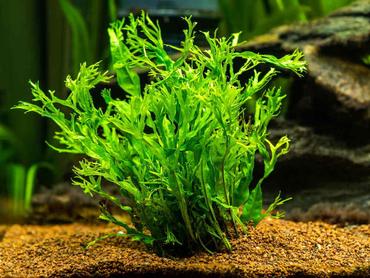
For beginners, starting with hardy species like Anubias or Java Fern is a great way to see these benefits firsthand without the need for specialized equipment. These plants are incredibly resilient and can thrive in standard low-light conditions, making them the perfect "entry-level" flora for a new aquascaper. As you progress, you will notice that a planted tank feels more like a living, breathing entity than a sterile display case.
Establishing the Foundation: Substrate and Lighting Requirements
The foundation of any successful planted tank lies in two critical components: what the plants grow in and what they "eat" from above. Unlike plastic plants, live flora require a medium that allows for root expansion and nutrient uptake. Many hobbyists opt for specialized plant soils or "aquasoils," which are packed with essential minerals and have a porous structure that allows beneficial bacteria to colonize the root zone. These soils often lower the pH slightly, which is beneficial for most tropical fish and plants.
If you prefer a more traditional look, you can use fine gravel or sand, but you will likely need to supplement with root tabs—small fertilizer capsules buried near the plant roots every few months. This is particularly important for "heavy feeders" like Amazon Swords or Cryptocorynes, which take the majority of their nutrients through their roots rather than the water column.
Lighting is the next piece of the puzzle. Most standard LED hoods that come with "kit" tanks are sufficient for low-light plants, but if you want to grow "carpeting" plants like Dwarf Hairgrass or Monte Carlo, you will need a full-spectrum LED fixture designed specifically for plant growth.
When selecting a light, you must consider the "PAR" (Photosynthetically Active Radiation) value. This measures the light intensity that actually reaches the plants for photosynthesis. A light that looks bright to the human eye might actually be useless for a plant if it lacks the correct red and blue wavelengths. Beginners often struggle with the balance of light; too much light without enough nutrients leads to algae, while too little light leads to plant decay.
Common beginner mistakes in this area include:
- Too much light: Leaving lights on for more than 10-12 hours can lead to an explosion of hair algae and green water.
- Inert substrate: Trying to grow heavy root-feeders in plain, washed play sand without any supplemental fertilization.
- Inconsistent Photoperiods: Turning lights on and off at different times every day. Using a simple plug-in timer to ensure a consistent 8-hour light cycle is highly recommended.
- Using "Moonlight" modes too long: The blue light settings on many LEDs can actually encourage certain types of algae if left on all night.
For more detailed guidance on setting up your foundation, check out our guide on choosing the best substrate for your aquarium to ensure your plants have the nutrients they need from day one. Selecting the right base is a decision you only want to make once, as changing substrate in an established tank is a major undertaking.
Selecting the Best Plants for Beginners and Intermediates
Choosing plants is much like choosing fish; you must match the species to the environment you can provide. For those just starting out, "low-tech" plants are the best choice. These species do not require supplemental CO2 injection and can survive in moderate light with basic liquid fertilizers. As you gain confidence, you can move into intermediate "stem plants" that require more frequent pruning and higher nutrient levels.
In a well-designed aquascape, plants are usually categorized by their placement within the tank to create a sense of depth and perspective:
- Foreground Plants: These are short species used at the front of the tank. Cryptocoryne parva and Staurogyne repens are excellent because they grow slowly and stay low to the ground. Pygmy Chain Sword is another hardy option for creating a "grassy" look.
- Midground Plants: These occupy the center of the tank. Java Fern (Microsorum pteropus) and various Anubias species are icons of the hobby. Crucially, these plants possess a "rhizome" (a thick horizontal stem) that should be attached to driftwood or rocks using fishing line or super glue gel rather than buried in the substrate. If the rhizome is buried, it will rot and the plant will die.
- Background Plants: These are the tall, fast-growing species that hide equipment like heaters and filter intakes. Vallisneria (Jungle Val) and Amazon Swords are classic choices. Stem plants like Hygrophila polysperma are also great but require regular trimming to keep them from taking over the surface.
- Floating Plants: Amazon Frogbit or Red Root Floaters are incredible for nutrient export. They grow rapidly and provide a natural "dappled" light effect that mimics the overhanging canopy of a tropical river.
Intermediate hobbyists might venture into species like Rotala rotundifolia or Ludwigia repens. These species are fascinating because they change color based on the environment. Under high light and with iron supplementation, they can turn vibrant shades of red, pink, and orange. This adds a beautiful contrast to the typical green landscape of a beginner tank.
Fish and Invertebrate Compatibility in the Planted Tank
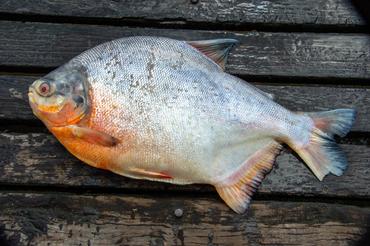
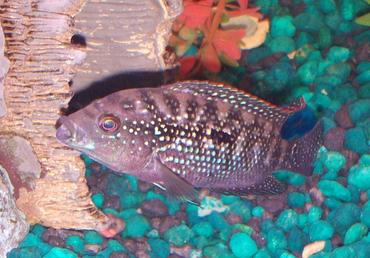
The inhabitants of your tank play a vital role in the health of your plants. In a "high-tech" planted tank, the fish are often secondary to the plants, but in a balanced home aquarium, they work together. However, you must be careful; some fish treat a planted tank like a salad bar. Large Cichlids, Silver Dollars, and Goldfish are notorious for shredding or uprooting greenery, making them poor choices for a dedicated aquascape.
Instead, look for species that respect the vegetation and even help maintain it. Small, peaceful community fish are usually the best fit. They produce the waste (ammonia/nitrate) that plants need while keeping the ecosystem active. Here are some of the best choices for a planted environment:
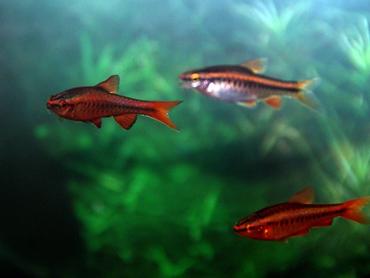
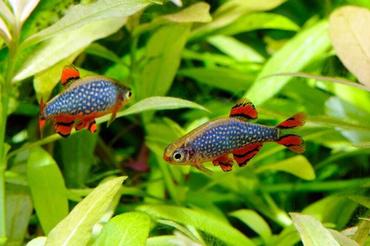
- Nano Schooling Fish: Cardinal Tetras, Harlequin Rasboras, and Celestial Pearl Danios. Their small bio-load and vibrant colors make them look like jewels moving through a forest.
- Dwarf Cichlids: German Blue Rams or Apistogramma species. These fish love the natural territories created by dense planting and will often spawn on the broad leaves of Anubias or Amazon Swords.
- The Clean-up Crew: This is the most important group. Otocinclus Catfish are tiny "algae hoovers" that will clean every leaf without causing damage. Amano Shrimp are legendary for their ability to eat hair algae, while Nerite Snails will keep the glass and hardscape spotless.
- Surface Dwellers: Marbled Hatchetfish or Gourmet Gouramis occupy the top layer of the tank, where they can hide among the roots of floating plants.
Integrating these species creates a balanced "community" feel. If you are looking for more inspiration on stocking, read our article on the top 10 most popular freshwater aquarium fish to see which might be the best fit for your new aquascape. Remember that a planted tank allows you to keep a slightly higher density of fish than a plastic-tank because the plants provide additional filtration capacity.
Advanced Care: Fertilization, Pruning, and Maintenance
A planted tank is a dynamic system that requires ongoing care to prevent it from becoming an overgrown mess or an algae-choked eyesore. Maintenance in a planted tank is slightly different from a "fish-only" setup. For instance, while you still need to perform weekly water changes of 25-50%, you should avoid deep-vacuuming the gravel in areas where plants are rooted. The "mulm" (organic waste) that settles there acts as a slow-release fertilizer for the roots.
Fertilization is a three-pronged approach: Carbon (CO2), Macro-nutrients (Nitrogen, Phosphorus, Potassium), and Micro-nutrients (Iron, Boron, Manganese, etc.). In a low-tech tank, you can often get away with a "comprehensive" liquid fertilizer dosed once or twice a week. However, if your plants start showing yellow leaves (nitrogen deficiency) or pinholes in the leaves (potassium deficiency), you may need to target your dosing more specifically.
Pruning is also essential. In a healthy tank, plants will eventually outgrow their space.
- Stem Plants: These should be "topped." Cut the top few inches off, remove the lower leaves from the cutting, and replant it. This creates a bushier appearance and gives you free plants!
- Rosette Plants (Swords/Crypts): Trim the oldest, outermost leaves at the base of the plant to encourage new growth from the center.
- Algae Maintenance: If you see a leaf covered in algae, it is often better to just remove the leaf entirely. This prevents the algae from spreading and tells the plant to redirect its energy to healthy growth.
Properly managing the nitrogen cycle and your aquarium remains paramount. In a planted tank, ammonia spikes are particularly dangerous because they can trigger massive algae blooms almost overnight. Keeping your filter clean and your water flow consistent ensures that nutrients are distributed evenly to every plant in the tank, preventing "dead spots" where waste can accumulate.
Overcoming Common Challenges and the "Melt" Phase
One of the most discouraging moments for a new hobbyist is the "melt." You buy a beautiful, vibrant green plant from the store, put it in your tank, and within three days, all the leaves turn to mush and fall off. Before you throw the plant away, understand that this is often a natural part of the transition. Many commercial nurseries grow plants "emersed" (with their leaves in the air) because they grow faster and have access to more CO2. When you submerge them, the plant must shed its "air leaves" and grow "water leaves."
During this phase, simply siphon out the decaying leaves to keep your water quality high. In a week or two, you should see tiny, new green shoots emerging from the center. This is a sign that the plant has successfully adapted to your water chemistry. Patience is the most important "supplement" you can add to your tank.
Another common challenge is the appearance of pest snails, such as Bladder or Ramshorn snails. These often arrive as microscopic eggs on new plants. While a few snails are actually beneficial—they eat decaying plant matter and leftover fish food—an explosion in their population usually indicates you are overfeeding your fish. Rather than using harsh chemicals that can hurt your plants, try "quarantining" new plants in a bucket of water with a small amount of alum or a dedicated snail-dip product for 24 hours before adding them to your display tank.
Finally, watch out for the "Algae Cycle." New tanks often go through a series of algae blooms: first brown diatoms, then green hair algae, then perhaps a bit of "black brush" algae. This is normal as the tank stabilizes. Resist the urge to make drastic changes. Usually, a slight reduction in light and a few extra water changes will settle the balance. If you react too aggressively with chemicals, you might accidentally kill the very plants you are trying to save.
Summary and Next Steps for Your Aquascaping Journey
Starting a planted aquarium is a journey from being a "fish keeper" to becoming an "ecosystem manager." It requires a bit more observation and a little more patience, but the rewards are incomparable. A healthy planted tank is a slice of the natural world that provides a superior quality of life for your fish and a stunning piece of living art for your home. By focusing on the fundamentals—quality substrate, appropriate lighting, hardy plant selection, and a balanced clean-up crew—you can avoid the pitfalls that frustrate many beginners.
The key to long-term success is to start small and learn the "language" of your plants. Watch how they react to a water change or a new light setting. Over time, you will develop an intuition for what your underwater garden needs. Once you have mastered the basics of low-tech planting, the world of high-tech aquascaping, with its lush carpets and vibrant red species, will be waiting for you.
Are you ready to dig in and start your first underwater garden? We recommend starting with a few bunches of Anacharis or a single Amazon Sword to see the difference it makes in your fish's behavior. Explore our extensive library of articles for more expert tips, and don't forget to browse our community gallery to see what other hobbyists have achieved. Your path to a thriving, green sanctuary starts today. Happy planting!


MOST RECENT ARTICLES