TIPS FOR STOCKING YOUR AQUARIUM BY COLOR

Tips for Stocking Your Aquarium by Color
Creating a visually stunning aquarium is often compared to painting a living canvas, where the fish serve as the vibrant brushstrokes that bring the underwater landscape to life. For many beginner and intermediate hobbyists, the initial impulse is to buy every beautiful fish at the local pet store, but this often leads to a chaotic aesthetic and potential compatibility disasters. Designing your tank around a specific color palette not only elevates the professional look of your setup but also allows you to highlight the natural beauty of your aquatic inhabitants against their environment. Whether you are aiming for a high-energy neon display or a soothing monochromatic sanctuary, stocking by color requires a thoughtful balance of art and science to ensure your fish thrive while looking their absolute best. By strategically selecting species based on their hues, you can transform a simple glass box into a sophisticated focal point of your home.

The Foundations of Color Theory in the Home Aquarium

To successfully stock an aquarium by color, one must first understand the basics of color theory and how light behaves underwater. The aquatic environment acts as a filter; water absorbs light, and as depth increases, certain colors like red disappear first while blues penetrate deepest. In a home aquarium, while we don't deal with extreme depths, the quality of your lighting and the clarity of your water will dictate how "true" your fish's colors appear to the naked eye. When you select fish based on color, you are essentially choosing how you want to direct the viewer's attention and what kind of emotional response you want the tank to evoke.

Beginners often make the mistake of choosing "one of everything," resulting in a visual "fruit salad" effect that can feel cluttered. Instead, professional aquarists suggest focusing on a few key concepts:

  • Complementary Schemes: This involves using colors that sit opposite each other on the color wheel. For example, the orange of a Goldfish or a Molly against the deep green of live plants creates a high-contrast, vibrant look.
  • Analogous Colors: These are colors that sit next to each other, such as blues, purples, and greens. This creates a harmonious, relaxing atmosphere that is easy on the eyes.
  • Triadic Palettes: This uses three colors spaced evenly around the wheel, such as red, yellow, and blue. This is the hardest to pull off but results in a classic "primary color" look that is very popular in children's rooms or modern offices.
  • The Pop Factor: Using a neutral background (black or dark grey) to make high-saturation colors like neon yellow or electric blue stand out more intensely.

It is also important to consider the "structural color" versus "pigment color." Some fish, like the Neon Tetra, have iridescent scales that reflect light, meaning their color changes depending on the angle of the light. Others, like the Cherry Barb, possess solid pigments. Mixing these two types of coloration adds texture and depth to your tank’s visual profile.


Warm Tones: Igniting the Tank with Reds, Oranges, and Yellows

Warm-colored fish are the most popular choice for hobbyists who want their aquarium to be the centerpiece of a room. These colors are highly visible and contrast beautifully with the green of live plants or the dark grey of dragon stone. When stocking warm colors, you have a wealth of options in both the community and semi-aggressive categories. Red, in particular, is a color associated with health and dominance in the fish world, and many species will display their brightest reds during courtship or when they are feeling particularly secure in their environment.

Red Species for Every Level:

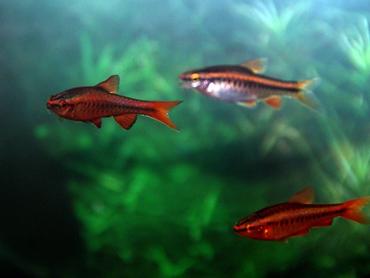
  • Cherry Barbs: These are hardy, peaceful schooling fish. The males turn a deep, brilliant red when they are healthy. They are perfect for adding a consistent "glow" to the middle layers of the tank.
  • Serpae Tetras: Known for their flame-like red bodies and black accents, they add constant movement. However, be wary as they can be minor fin-nippers if not kept in large enough schools.
  • Red Platy or Swordtails: Excellent for beginners, these livebearers offer a solid, opaque red. They are also prolific breeders, so you may find your "pop" of red growing over time.
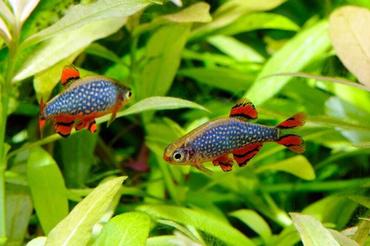
  • Chili Rasboras: For the nano-aquarium enthusiast, these tiny fish offer a concentrated ruby-red color that is unmatched in smaller species.

Golden Oranges and Vibrant Yellows:

  • Honey Gourami: A peaceful centerpiece fish that displays a lovely sunset orange/yellow hue. They are much hardier than their larger cousins and fit well in 20-gallon setups.
  • Boesemani Rainbowfish: These stunning fish offer a unique two-tone look, with the back half of their body being a vibrant orange-yellow and the front a deep blue. They are the epitome of "stocking by color."
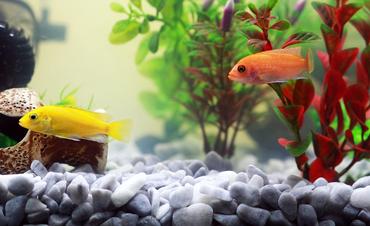
  • Yellow Lab Cichlids: For those interested in African Cichlids, these provide a striking, solid electric yellow. They are relatively peaceful for cichlids but still require specific water chemistry.
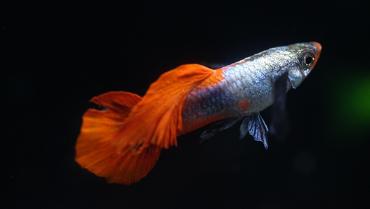
  • Fancy Guppies: Available in nearly every shade of yellow and orange imaginable, guppies allow for a "shimmering" effect as their long tails catch the light.

A common mistake is overstocking with only red fish, which can actually make the tank look "angry" or overwhelming. To make these colors truly stand out, you need a backdrop of green plants or dark driftwood. For more advice on creating a balanced environment, check out our guide on how to aquascape your aquarium to ensure your color choices have the right stage to shine.


Cool Tones and Iridescence: The Serenity of Blues, Purples, and Greens

Cool-toned aquariums provide a sense of depth and mystery. Blue is one of the most sought-after colors in the hobby, but it can be one of the hardest to maintain, as many blue fish rely on structural color rather than pigment. This means your water clarity must be pristine; if the water is cloudy, the light won't reflect off the scales properly, and your blue fish will look grey or dull. If you are aiming for a sophisticated, calming environment, the cool spectrum is your best friend.

The Beauty of Blue:

  • Neon and Cardinal Tetras: The classic choice. Their electric blue lateral stripes seem to glow even in low-light conditions. Cardinal Tetras offer more red, while Neons provide a cleaner blue/silver contrast.
  • Electric Blue Rams: A color morph of the German Blue Ram, these fish offer a stunning, solid metallic blue. They are sensitive to water quality, so they are better suited for intermediate keepers.
  • Powder Blue Dwarf Gourami: A slow-moving, elegant fish that brings a soft pastel blue to the upper layers of the tank.
  • Blue Emperor Tetras: These offer a more subtle, royal blue sheen that looks incredible under high-quality LED lighting.

Purple and Emerald Green:

  • Purple Moscow Guppies: Highly bred for their deep violet coloration, these are favorites for small-tank enthusiasts who want a rare color.
  • Green Tiger Barbs: While not "leaf green," their scales have a deep emerald shimmer. When kept in a large school, they look like moving jewels.
  • Black Neon Tetras: While the name suggests black, they often have a greenish-white iridescent stripe that adds a "forest" feel to the tank.
  • GloFish Varieties: While some purists avoid them, GloFish offers "Galactic Purple" and "Electric Green" options that are genetically engineered to be fluorescent under blue light, making them the most "colorful" fish available today.

To keep these cool tones vibrant, focus on high-quality nutrition. Colors can fade if the fish are stressed or malnourished. Understanding the importance of high quality aquarium fish food is vital for maintaining the metallic blues and deep purples of these specific species, as many high-end foods contain spirulina and carotenoids that naturally enhance these pigments.


The Impact of Substrate and Background on Fish Coloration

Many hobbyists overlook the fact that fish often change their color based on their surroundings. This biological mechanism, known as background adaptation, allows fish to camouflage themselves for safety. If you put a light-colored fish on a light-colored substrate, it will likely "wash out" its colors to blend in. Conversely, a dark environment often triggers the fish to produce more melanin and pigment, making their colors appear much richer and deeper.

To maximize the color of your livestock, consider these environmental factors:

  • Black Substrate: Using black sand or fluorite is the single best way to make reds, oranges, and neons pop. It creates a high-contrast environment that makes the fish feel secure, leading to bolder color displays.
  • Dark Backgrounds: A simple black or deep blue vinyl background hides equipment and prevents the fish from feeling exposed from behind. When fish feel safe, they display their "breeding colors" more frequently.
  • Natural Decor: Driftwood adds tannins to the water, creating a "blackwater" effect. While the water may look slightly tea-colored, this natural acidity and tint can actually make the iridescent blues of Tetras and Discus appear more vivid by filtering out harsh yellow light.
  • White and Sand: While white sand looks clean and "beachy," it can wash out the colors of Discus and Bettas. Use light substrates only if you are stocking dark-colored fish like Black Moors or Chocolate Gouramis.

Lighting is the final piece of this puzzle. Modern LED systems often have "Color Plus" modes. These use specific wavelengths (Red and Blue) to highlight the natural colors of the fish without encouraging excessive algae growth. If your fish look "flat," try adjusting your light's Kelvin rating. A higher Kelvin (10,000K+) will emphasize blues, while a lower Kelvin (6,500K) is more like natural sunlight and favors reds and greens.

Compatibility and Care: Don't Sacrifice Health for Style

The biggest pitfall in stocking by color is ignoring the "Golden Rule" of fishkeeping: Compatibility always comes before aesthetics. Just because two fish look beautiful together doesn't mean they can live together. This is where many "color-themed" tanks fail within the first six months. For instance, pairing a bright blue Male Betta with a school of bright orange Tiger Barbs might look great, but the barbs will likely nip the Betta's long fins, leading to stress and infection.

When planning your colorful community, consider these three essential factors:

  • Water Parameters: An "all-yellow" tank might tempt you to mix Yellow Lab Cichlids with Yellow Guppies. However, African Cichlids require hard, alkaline water (pH 8.0+), while Guppies prefer different conditions, and more importantly, the Cichlids would eventually prey on the Guppies. Always group fish by their water chemistry needs first, then by color.
  • Aggression Levels: Many of the most colorful fish are also the most territorial. Red Tail Sharks are stunning but can be bullies. If you want a "Red" theme, you must ensure you aren't putting two territorial red species together in a small space, as they will see each other as rivals.
  • Tank Level Distribution: Avoid stocking all your colorful fish at the top of the tank. A well-designed tank has color at every level. Choose "bottom dwellers" like Albino Corydoras (white/pink) or Kuhli Loaches (striped black/yellow) to ensure the bottom of your tank isn't a "dead zone" for color.
  • Dietary Needs: Some color-enhancing foods are specific to certain species. Ensuring that all your "Blue" fish can eat the same type of flake or pellet will make maintenance much easier.

Proper maintenance is also a factor in color. High nitrates can lead to a physiological stress response that causes fish to "pale out." Regular water changes and monitoring your parameters will ensure that your fish aren't just colorful, but healthy. If you are a beginner, it is helpful to review top 10 most common fish keeping mistakes to ensure your colorful investment doesn't go to waste due to preventable errors like overfeeding or poor filtration.

Advanced Techniques: Using Live Plants and Contrast

To truly reach the "intermediate" level of aquarium design, you must look at your fish as part of a larger ecosystem. Live plants are the best "accessory" for a color-stocked tank. Not only do they provide oxygen and nitrate removal, but they offer the perfect color contrast. Red fish like Ember Tetras or Cherry Barbs look twice as bright when swimming in front of a dense wall of green Vallisneria or Amazon Swords.

If you have a monochromatic tank—for example, a tank of all-white fish like Platinum Medaka or White Cloud Mountain Minnows—using dark red plants like Ludwigia repens can create a "reverse contrast" that looks incredibly high-end. Similarly, if you have a "Blue" tank, using yellowish-green plants like Anubias can help the blue tones stand out by providing a warm counterpoint.

Furthermore, consider the "dither fish" strategy. Sometimes, the most colorful fish are shy and hide among the plants. Adding a school of active, brightly colored dither fish, like Giant Danios or various Rasboras, can encourage your more "premium" colored fish to come out into the open. The movement of the school signals to the shy fish that there are no predators around, ensuring your color palette is always on display for guests to see.

Finally, don't forget the "Clean Up Crew." Invertebrates can also contribute to your color scheme. Red Cherry Shrimp, Blue Dream Shrimp, and even brightly colored Mystery Snails (available in gold, blue, and purple) can add tiny pops of color to the substrate and glass, rounding out the entire visual experience.

Conclusion: Designing Your Living Masterpiece

Stocking your aquarium by color is an incredibly rewarding way to approach the hobby, transforming a standard glass box into a sophisticated piece of home decor. By understanding the relationship between fish species, lighting, and environment, you can create a display that is both visually harmonious and biologically sound. It is a process that requires patience; you shouldn't add all your fish at once, but rather build the colors layer by layer as your tank matures. This allows you to see how the colors interact and adjust your "painting" as you go.

Always remember to research the specific needs of each species before bringing them home, ensuring that their temperament and water requirements match your existing setup. A colorful tank is a healthy tank, and with the right planning, your aquarium will be a source of pride and beauty for years to come. Whether you choose the fiery energy of a red-themed tank or the cool serenity of a blue-themed sanctuary, your dedication to color coordination will set your aquarium apart from the rest.

Ready to take the next step in your fishkeeping journey? Explore our extensive library of species profiles and equipment reviews to find the perfect additions for your colorful aquatic world. By combining expert care with artistic vision, you can create a thriving underwater community that is as healthy as it is beautiful. Happy fishkeeping!

The Top 5 Shrimp for the Freshwater Aquarium
Freshwater shrimp have exploded in popularity over the last decade, evolving from niche cleanup crew members to the absolute stars of the home aquarium.
Species Spotlight: Keeping Freshwater Crayfish at Home
Freshwater crayfish are the rugged, charismatic architects of the invertebrate world, bringing a sense of prehistoric wonder and activity to any home aquarium.

MOST RECENT ARTICLES

Overstocking Myths vs Reality
OVERSTOCKING MYTHS VS REALITY
Setting up a new aquarium is an exercise in restraint that many hobbyists, both beginners and seasoned veterans, find difficult to master.
Blackwater & Biotope Aquariums (Natural-Style Boom)
BLACKWATER & BIOTOPE AQUARIUMS (NATURAL-STYLE BOOM)
For decades, the gold standard of the home aquarium was a pristine, crystal-clear box of water, often decorated with neon gravel and plastic plants that bore little resemblance to the wild.
Sustainable & Ethical Fishkeeping
SUSTAINABLE & ETHICAL FISHKEEPING
Bringing a slice of the underwater world into your home is a rewarding experience, but as the hobby grows, so does our responsibility to ensure that our passion doesn’t come at the expense of the environments we admire.

Rate This Tank:

FRESHWATER AQUARIUM ARTICLES

Freshwater Water Parameter Guide (Complete 2025 Edition)
Maintaining a thriving freshwater aquarium is about much more than just a beautiful glass box and colorful fish; it is about managing a delicate, invisible ecosystem that exists within your living room.
Top 10 Beginner-Friendly Freshwater Fish (With Care & Compatibility Tips)
Embarking on the journey of fishkeeping is one of the most rewarding endeavors a nature lover can undertake, offering a unique blend of artistry, biology, and peaceful observation.
African Cichlid Aggression - How to Reduce Aggression
Learn about the causes of cichlid aggression and methods for reducing it.
Live Plant Basics for Freshwater Community Aquariums
Stepping into the world of live aquatic plants is often the moment a casual fish keeper becomes a true aquarist, transitioning from someone who simply "has fish" to someone who "maintains an ecosystem.
Pea Puffer Care and Compatibility: Stocking Plans That Actually Work
The Pea Puffer (Carinotetraodon travancoricus) is often described as a pint-sized powerhouse with a personality that far outweighs its tiny frame.
Guppy Care Guide: How to Successfully Keep Guppies in a Freshwater Aquarium
he Guppy (Poecilia reticulata) is arguably the most iconic species in the aquarium hobby, often serving as the gateway fish for generations of successful aquarists.
How to Interpret Fish Food Labels
Standing in front of a wall of fish food can feel overwhelming—bright packaging, bold claims, and ingredient lists that read more like a chemistry exam than a feeding guide.
Read more articles (7)

STOCKING THE TANK

The fish you choose to stock your tank is not a decision that should be made lightly. The articles in this category will help you understand the basics of fish compatibility and will provide you with other information you need to make an informed decision when stocking your tank.

What Are the Best Cichlids for a Community Tank?
Cichlids are often the crown jewels of the aquarium world, celebrated for their striking colors, complex behaviors, and undeniable intelligence.
Larger Tetras for the Community Tank
When most hobbyists think of Tetras, their minds immediately go to the diminutive Neon or the translucent Ember Tetra.
Choosing the Right Algae-Eater by the Type of Algae in Your Tank
Every aquarium hobbyist, from the wide-eyed beginner to the seasoned pro, eventually faces the green (or brown, or black) menace: algae.
The Ideal Tank Setup for Oscars
The Oscar (Astronotus ocellatus) is often referred to as the water dog of the aquarium world, and for good reason.
Compatible Tank Mates for Freshwater Angels
Freshwater angelfish (Pterophyllum scalare) are one of the most captivating and graceful species in community aquariums, with their tall, flowing fins and curious personalities.
The 15 Most Popular Types of Goldfish
Goldfish are among the most recognizable aquarium fish in the world, yet they are also some of the most misunderstood.
The Best 10-Gallon Fish Stocking Ideas (With Photos, Behavior Notes & Alternatives)
The 10-gallon aquarium occupies a unique and cherished space in the fish-keeping world, serving as the definitive starting point for countless beginners while offering a sophisticated "nano" challenge for seasoned veterans.
The Top 6 Freshwater Goby Species for Your Tank
For many years, the aquarium hobby viewed gobies as the exclusive crown jewels of the saltwater world, often associated with colorful reefs and symbiotic relationships with pistol shrimp.
Everything You Need to Know About Freshwater Angelfish
Freshwater angelfish are among the most iconic and recognizable aquarium fish in the hobby.
Everything You Need to Know About Nerite Snails
If you’ve ever noticed pristine aquarium glass, spotless decorations, or felt mystified by a snail that seems to magically keep your tank algae-free, chances are you’re thinking about nerite snails — one of the most popular grazing snail species in the freshwater and saltwater aquarium hobby.
The Most Popular Catfish for Freshwater Tanks
For decades, catfish have been the unsung heroes of the freshwater aquarium, serving as the backbone of the "cleanup crew" while providing a level of personality and behavioral depth that few other fish can match.
Jewel Cichlid Species Profile
The Jewel Cichlid is a stunning addition to any freshwater aquarium, known for its vibrant red coloration and captivating behavior.
Stocking Fresh Water Fish Tanks
Stocking a freshwater fish tank is one of the most rewarding parts of aquarium keeping—but it’s also where many beginners unknowingly run into trouble.
Spotlight on the Apple Snail
Apple snails are often overlooked by beginner and intermediate aquarists, yet these charismatic invertebrates can add fascinating behavior, eye-catching color, and beneficial cleanup activity to your freshwater aquarium.
The Basics of Freshwater Fish Compatibility
Creating a thriving freshwater aquarium is much like hosting a dinner party; the success of the evening depends entirely on whether your guests actually get along.
Corydoras Catfish: Community-Friendly Bottom Feeders
If you have ever spent more than five minutes browsing a freshwater fish gallery, you have likely encountered the charming, industrious, and perpetually busy Corydoras catfish.
The Top 10 Worst Community Fish
If you are interested in cultivating a peaceful tank full of multiple species, don't choose these fish.
South American Cichlid Species for Beginners
The freshwater rivers and tributaries of South America are home to some of the most charismatic, colorful, and intelligent fish in the aquarium hobby.
Algae Eaters for Freshwater Tanks
Every aquarium hobbyist, from the bright-eyed beginner to the seasoned aquascaper, eventually faces the inevitable "green wall"—the moment when algae begins to claim the glass, rocks, and plants of a carefully curated underwater world.
Stocking Your Tank with Schooling Fish
There is perhaps no sight more captivating in the aquarium hobby than a tight-knit school of iridescent fish moving in perfect unison across a lushly planted backdrop.
Common Myths About Bettas
If you’re new to the aquarium hobby or have kept fish for a few years, chances are you’ve heard plenty of advice—some good, some confusing—about Betta fish (Betta splendens).
The Top Choices for Stocking a 10-Gallon Tank
Stepping into the world of reef keeping is often described as the final frontier for the aquarium enthusiast, transforming a standard saltwater setup into a pulsing, glowing, and living tapestry of biological wonder.
Caring for the Plecostomus in the Freshwater Tank
If you’ve ever visited a pet store or aquarium show you may have noticed a group of tough-looking, algae‑eating fish whisking along the glass and decor — the plecostomus.
Cultivating a Tank for Red Bellied Pacus
Red Bellied Pacus are among the most fascinating and rewarding fish for freshwater aquarium enthusiasts, but they’re also fish that come with unique needs and challenges.
What Are Good Freshwater Fish For Beginners
Choosing your first freshwater fish can feel overwhelming, especially with hundreds of colorful species available at pet stores and online.
Choosing the Right Barbs for Your Tank
If you’re diving into the colorful world of freshwater aquariums and want active, charismatic fish that add energy and interest to your tank, few groups deliver like barbs — from the classic Tiger Barb to the dazzling Cherry Barb — but choosing the right barb species for your tank requires more than just picking your favorite color.
Show Tank-Worthy Tankmates for Fancy Guppies
Fancy guppies are among the most eye-catching freshwater fish available, prized for their flowing fins, vibrant colors, and constant activity.
The Top 5 Shrimp for the Freshwater Aquarium
Freshwater shrimp have exploded in popularity over the last decade, evolving from niche cleanup crew members to the absolute stars of the home aquarium.
The Natural Environments of African and South American Cichlids
Cichlids are some of the most fascinating freshwater fish in the aquarium hobby, admired for their intelligence, vibrant colors, and complex behaviors.
Species Spotlight: Archerfish
Few aquarium fish capture attention quite like the archerfish.
Top Freshwater Aquarium Bullies
Every aquarium hobbyist eventually learns that not all fish are as peaceful as they look.
Spotlight on the Otocinclus Catfish
The Otocinclus catfish, affectionately known as the "Oto" or "dwarf suckermouth," is often the unsung hero of the freshwater aquarium.
Species Spotlight: Keeping Arowanas in the Freshwater Tank
Often referred to as the Dragon Fish due to their shimmering, armor-like scales and majestic, undulating movements, the Arowana is the ultimate centerpiece for any serious freshwater aquarist.
Tips for Stocking Your Aquarium by Color
Creating a visually stunning aquarium is often compared to painting a living canvas, where the fish serve as the vibrant brushstrokes that bring the underwater landscape to life.
Spotlight on the Wolf Cichlid
The Wolf Cichlid, known scientifically as Parachromis dovii, is one of the most talked-about freshwater fish in the aquarium hobby, admired for its intelligence and power while simultaneously feared for its aggression and size.
The Top 10 Worst Tank Busters
Find out which fish will rapidly outgrow your tank, and the smaller alternatives that are available.
Cichlids - Understanding the Different Types
The Cichlidae family is arguably the most diverse and captivating group of fish in the aquarium hobby, offering a spectrum of colors, behaviors, and intelligence that rivals the complexity of a coral reef.
Keeping Goldfish
Keeping Goldfish
Goldfish are perhaps the most iconic aquatic pets in the world, yet they are also among the most misunderstood.
Care Guide for Keeping Brackish and Freshwater Puffers
The name "puffer fish" conjures an image of a balloon-like animal but these fish are so much more than their comical appearance.
Can You Keep Other Fish With Your Betta?
The Siamese Fighting Fish, or Betta splendens, is arguably the most misunderstood resident of the freshwater world.
Keeping Dwarf Gouramis in the Freshwater Tank
With their shimmering iridescent scales and deliberate, graceful movements, Dwarf Gouramis (Trichogaster lalius) have earned their place as one of the most beloved centerpieces in the freshwater hobby.
What Every Aquarium Hobbyist Should Know About Livebearers
Livebearers are often the fish that hook people on the aquarium hobby for life.
The Best Barbs for a Large Home Aquarium
When aquarium enthusiasts transition from a standard 20-gallon starter kit to a large-scale home aquarium, they often find themselves searching for fish that can truly fill the space with color and movement.
Species Spotlight: Keeping Freshwater Crayfish at Home
Freshwater crayfish are the rugged, charismatic architects of the invertebrate world, bringing a sense of prehistoric wonder and activity to any home aquarium.
Types of Freshwater Aquarium Snails
For many years, aquarium snails were unfairly labeled as nothing more than "pests" that hitched a ride on live plants and overran tanks with lightning speed.
Tips for Keeping Shoaling Species in the Aquarium
There is nothing quite as mesmerizing in the aquarium hobby as a synchronized group of fish moving as a single, shimmering unit across a well-planted tank.
Species Profile: Blind Cave Tetra
In the vast world of freshwater aquaria, few species spark as much curiosity and conversation as the Blind Cave Tetra (Astyanax mexicanus).
Freshwater Fish Article Database
Articles on dozens of different freshwater fish and appropriate care.
Read more articles (48) Aquarium Setup (16)
An Overview of Fish Bowls
Fish bowls are one of the most recognizable symbols of fishkeeping, often associated with simplicity, minimal effort, and a single fish gently swimming in a clear glass sphere.
What is an Unfiltered Tank and How do I Cultivate One?
The modern aquarium hobby is often defined by high-tech gadgetry, from pressurized CO2 systems to canisters that look like they belong in a laboratory.
Setting Up a Hospital Tank: Step-by-Step 14-Day Treatment Plan
Maintaining a thriving aquarium is a labor of love, but even the most diligent hobbyists will eventually encounter a sick fish or a sudden outbreak of disease.
Wall Mounted Fish Tanks
Wall mounted fish tanks have transformed from futuristic novelties into a popular design choice for modern aquarium hobbyists looking to save floor space while adding a living piece of art to their home.
Acclimating Fish - Drip Method
Bringing home new fish is one of the most exciting moments in the aquarium hobby—but it’s also one of the most dangerous times for your livestock.
What is a Biotope Tank?
For many aquarium hobbyists, the journey begins with a "community tank" featuring a mix of colorful fish from different corners of the globe.
Moving - How to Prepare Your Tank for a Move
Moving house is stressful enough — moving an aquarium adds a whole new layer of complexity.
Cultivating a Healthy Discus Community Tank
Often hailed as the "King of the Aquarium," the Discus (Symphysodon) is a breathtaking centerpiece for any freshwater enthusiast, boasting a majestic saucer-like shape and a kaleidoscopic array of colors and patterns.
When and How to Upgrade to a Larger Tank
Moving from a starter aquarium to a larger setup is one of the most exciting milestones for any hobbyist, representing both a growing passion for the craft and a commitment to the well-being of your aquatic inhabitants.
Questions to Ask Before Starting a Freshwater Fish Tank
Embarking on the journey of setting up your first freshwater aquarium is an exhilarating experience that blends art, science, and a touch of nature right in your living room.
FAQs for Novice Freshwater Hobbyists
Starting a freshwater aquarium is exciting, but it can also feel overwhelming when you’re faced with dozens of decisions about tank size, fish choices, equipment, and maintenance.
Tips for Aquascaping a Tank for Large Freshwater Fish
There is an undeniable majesty in keeping large freshwater fish, from the prehistoric allure of an Arowana to the puppy-like personality of a large Oscar.
All About Tropical Fish Tanks
An overview of tropical fish tanks, what they are, and the pros/cons of keeping one.
How to Select the Best Location for Your Tank
Where you place your aquarium can quietly determine whether your tank thrives for years or becomes a source of constant frustration.
Safety Tips for Freshwater Aquariums
Maintaining a freshwater aquarium is a deeply rewarding journey that brings a slice of nature into your home, but the transition from a simple glass box to a thriving ecosystem requires more than just water and fish.
How to Select a Tank for a Freshwater Aquarium
Selecting your first or even your fiftieth freshwater aquarium is far more than a simple aesthetic choice; it is the most fundamental decision you will make as an aquarist.
Planted Tanks (10)
12 Aquarium Plants That Don’t Need Substrate (Perfect for Beginners)
For many beginner aquarists, the prospect of managing a complex nutrient-rich substrate system—complete with root tabs, specialized soils, and the risk of anaerobic gas pockets—can be enough to delay their dreams of a lush, green tank.
Diagnosing Problems with Aquarium Plants
Healthy aquarium plants do more than just beautify your tank—they improve water quality, provide shelter for fish, and support a balanced ecosystem.
Fish to Avoid for Planted Freshwater Tanks
If you’re passionate about creating a lush, vibrant planted freshwater tank, choosing the right fish is just as important as selecting the right plants, lighting, and substrate.
Aquatic Mosses for Freshwater Tanks
Aquatic mosses are among the most versatile, forgiving, and visually appealing plants you can add to a freshwater aquarium.
The Top 6 Species for the Planted Tank
There is something inherently magical about a lush, vibrant underwater garden, but for many hobbyists, the challenge lies in finding the perfect inhabitants to compliment that greenery.
Tips for Rooting, Pruning, and Propagating Live Aquarium Plants
Live aquarium plants do far more than make a tank look beautiful—they actively improve water quality, provide shelter for fish, and create a more stable ecosystem.
Introduction to Planted Aquariums
Transforming a standard glass box into a lush, underwater garden is one of the most rewarding journeys an aquarium hobbyist can undertake.
Step-by-Step Guide for Setting Up a Planted Tank
There is something undeniably magical about a lush, green underwater garden teeming with life.
The Importance of Carbon Dioxide in Planted Tanks
A lush, thriving planted aquarium doesn’t happen by accident.
Freshwater Plant Article Database
Building a successful freshwater aquarium often starts with the fish, but it is the lush, green backdrop of live plants that truly brings the ecosystem to life.
Aquarium Lighting (5)
Choosing the Right Lighting According to Tank Size
Choosing the right lighting for your aquarium is a process that sits at the intersection of biological necessity and aesthetic art.
Types of Freshwater Aquarium Lighting
Lighting is one of the most critical yet often overlooked aspects of a freshwater aquarium.
Understanding the Basics of Freshwater Aquarium Lighting
Stepping into the world of freshwater aquariums often feels like balancing a delicate ecosystem, and few elements are as critical—yet as frequently misunderstood—as lighting.
Understanding the Lighting Spectrum
The key to finding the perfect lighting for your freshwater aquarium is to understand the basics of the lighting spectrum.
Finding the Right Balance with Aquarium Lighting
Lighting is often the most misunderstood component of a successful aquarium, frequently viewed as merely a way to see your fish better or a decorative lamp for the room.
Heating and Filtration (6)
Properly Aerating Your Aquarium
Whether you’re setting up your very first tank or you’ve been keeping guppies and goldfish for years, ensuring proper aeration is essential to healthy, vibrant aquarium life.
Common Problems with Tank Filters
You don’t have to be a genius to cultivate a thriving freshwater aquarium – all you need is the right tools and equipment.
How to Make Your Own Sponge Filter
Sponge filters are one of the simplest, safest, and most underrated filtration systems in the aquarium hobby—and the good news is that you don’t need to buy one to enjoy the benefits.
Overview of Filter Media Types
When you first set up your aquarium, whether it’s a freshwater community tank with neon tetras or a saltwater reef with clownfish, one of the most important but often misunderstood aspects of keeping water clear and fish healthy is filter media — the materials inside your filter that help remove waste and keep the water balanced.
Choosing the Right Filtration System for Your Aquarium
Stepping into the world of aquarium keeping is an exhilarating journey, but it often brings a wave of technical questions, with the most critical being how to keep your water crystal clear and your fish thriving.
Using Carbon in a Freshwater Aquarium
Activated carbon is one of the most commonly used filter media in freshwater aquariums—and also one of the most misunderstood.
Nutrition and Feeding (6)
Constipation/Indigestion in Aquarium Fish
Constipation and indigestion are among the most common — and most misunderstood — health problems aquarium fish face.
How to Culture Infusoria for Baby Fish
For many aquarium hobbyists, the excitement of seeing tiny fish fry quickly turns into concern when it comes time to feed them.
Will Algae Wafers Make my Tank Water Cloudy?
Algae wafers are a staple food for plecos, otocinclus, snails, and other algae-eating aquarium residents—but many hobbyists notice their tank water turning cloudy soon after feeding.
The Pros and Cons of Live Food for Fish
The type of food you choose to feed your aquarium fish will have a major impact on their health.
The Top Commercial Foods for Freshwater Fish
Feeding freshwater fish looks deceptively simple, yet nutrition is one of the most important—and most misunderstood—parts of aquarium care.
The Nutritional Needs of Freshwater Fish
Mastering the art of aquarium keeping goes far beyond selecting a beautiful tank and vibrant inhabitants; it requires a deep, scientific understanding of the biological requirements that sustain life beneath the surface.
Freshwater Fish Diseases (8)
Identifying and Treating the Most Common Cichlid Diseases
Cichlids are one of the largest families of freshwater fishes and they are prone to developing several aquarium fish diseases.
What is Dropsy and How Do I Treat it?
Few sights are more distressing for an aquarium hobbyist than looking into a tank and seeing a beloved fish with a bloated body and scales that stick out like a pinecone.
How to Set Up A Hospital Tank
A hospital tank is one of the most valuable tools an aquarium hobbyist can have, yet it’s often overlooked until a fish becomes sick or injured.
Behavioral Changes and Problems in Aquarium Fish
Fish rarely get the credit they deserve for communicating clearly with their owners.
Addressing the Shimmies in Live Bearers
The “shimmies” are one of the most frustrating and confusing problems aquarium hobbyists encounter with livebearer fish.
How to Deal with the Top Betta Fish Diseases
Betta fish, with their vibrant colors and flowing fins, are often the first pets to grace a new hobbyist's aquarium.
Improving Color in Aquarium Fish
The best part of keeping a freshwater aquarium is watching your tank inhabitants thrive and grow.
Common Freshwater Tropical Fish Diseases
Learn about common fish illnesses and how to effectively treat them.
Aquarium Maintenance (18)
How to Make Your Own Tank Divider
Every aquarium hobbyist eventually faces a moment of crisis that requires immediate intervention: a sudden outbreak of aggression between cichlids, an unexpected batch of fry that needs protection, or a sick fish that requires isolation but cannot be moved to a separate hospital tank.
The Process of Cycling a Fish Tank
Cycling a fish tank is the single most important step in setting up a healthy aquarium, yet it’s also one of the most misunderstood by beginners.
What to do About Aquarium Snail Infestations
If you’ve ever noticed small shells creeping across your aquarium glass or multiplying on your decorations, you might be dealing with a snail infestation.
Properly Maintaining the pH in a Freshwater Aquarium
Learn how about pH and how to properly maintain it in a freshwater aquarium.
Water Testing in Your Freshwater Aquarium
Mastering the art of freshwater fishkeeping is less about being a "fish person" and more about being a "water person.
Using a Gravel Vacuum in the Home Aquarium
A gravel vacuum is one of the simplest tools in aquarium keeping, yet it is also one of the most misunderstood.
Preparing an Aquarium for Your Vacation
Planning a vacation should be a time of relaxation and excitement, but for the dedicated aquarium hobbyist, it often brings a wave of "tank anxiety.
Controlling Algae Growth
Algae growth is one of the most common — and frustrating — challenges aquarium hobbyists face, whether you’re running a freshwater community tank or a full reef setup.
Fish Tank Maintenance and Cleaning
There is nothing quite as mesmerizing as a crystal-clear aquarium, where vibrant fish glide through lush plants or shimmering corals.
Tips for Cleaning and Maintaining Your Tank Filter
The filter is the beating heart of your aquarium, working tirelessly behind the scenes to keep the water clear and your fish healthy.
Choosing and Conditioning the Water in Your Aquarium
Learn about how to properly choose and condition the water you use in your freshwater aquarium.
Can a Routine Water Change Kill Your Fish?
It is the ultimate nightmare for any aquarium owner: you spend an afternoon performing what you think is a helpful, routine water change, only to wake up the next morning to find your prized Discus gasping at the surface or your school of Neon Tetras floating lifelessly.
Aquarium Water Test Kits
The key to keeping your aquarium fish happy and healthy is to maintain high water quality.
Tips for Protecting Your Aquarium Against High Summer Temperatures
As the mercury rises and we start reaching for the air conditioning remote, it is easy to forget that our underwater companions are feeling the heat just as much as we are—if not more.
Freshwater Fishless Cycling
Setting up a new aquarium is an exercise in excitement and anticipation, but for many beginners, that enthusiasm is quickly dampened by the mysterious "New Tank Syndrome.
Cleaning Algae off Tank Glass Properly
Algae-covered aquarium glass is one of the most common frustrations for beginner and intermediate fishkeepers.
How to Fix Cloudy Tank Water
Cloudy tank water is a common problem in the freshwater aquarium.
Summer Precautions for Freshwater Tanks - Keeping Your Tank from Overheating
Keeping the temperature in your tank is extremely important for the health of your fish but it can be a challenge during the hot summer months.
Aquarium Decorations (5)
Adding Rocks and Wood to Your Freshwater Aquarium
Adding wood and rocks to your aquarium can enhance its appearance and make it a better environment for your fish -- learn how in this article.
Aquarium Decorations
Aquarium decorations are far more than visual extras — they shape how fish behave, reduce stress, and help recreate the natural environments aquatic species rely on.
Selecting a Background for your Freshwater Tank
Aquarium backgrounds are often treated as an afterthought, but the right background can dramatically improve the look, health, and functionality of a freshwater tank.
Choosing a Freshwater Aquarium Substrate
Choosing the right substrate for your freshwater aquarium is one of the most critical decisions you will make during the setup process, as it serves as much more than just a decorative floor.
Using Driftwood and Live Plants in the Freshwater Tank
Transforming a standard glass box into a thriving underwater ecosystem is one of the most rewarding milestones in the aquarium hobby, and nothing achieves this more effectively than the strategic combination of natural driftwood and live plants.
Breeding (11)
Tips for Breeding Discus Fish
Breeding discus fish is often described as one of the most challenging yet rewarding achievements in the freshwater aquarium hobby.
How to Raise Cichlid Fry to Maturity
Raising cichlid fry to maturity can be one of the most rewarding experiences for aquarium hobbyists, offering a firsthand glimpse into the fascinating world of fish development.
Caring for Freshwater Angelfish Eggs
Watching a pair of freshwater angelfish carefully lay their eggs can be one of the most rewarding experiences for aquarium enthusiasts.
Tips for Breeding Gouramis in the Home Aquarium
Breeding gouramis in the home aquarium is one of the most rewarding milestones for freshwater hobbyists.
Tips for Breeding Silver Dollar Fish
Breeding Silver Dollar fish (Metynnis spp.
Breeding Mouth Brooding African Cichlids
Breeding mouth brooding African cichlids can be a thrilling and rewarding experience for aquarium enthusiasts.
The Top 5 Tetras for Breeding in the Home Aquarium
There is perhaps no greater milestone for a freshwater hobbyist than transitioning from a fish keeper to a fish breeder.
The Basics of Breeding Bala Sharks
Bala sharks are one of the most striking freshwater fish available to aquarium hobbyists, admired for their torpedo-shaped bodies, shimmering silver scales, and active schooling behavior.
Breeding and Rearing Live-bearing Species of Fish
For many aquarium enthusiasts, the transition from being a fish keeper to a fish breeder is one of the most rewarding milestones in the hobby.
Breeding Freshwater Fish
The transition from keeping an aquarium to breeding its inhabitants is one of the most significant leaps a hobbyist can take, marking the shift from being a casual observer to an active participant in the lifecycle of aquatic species.
Breeding the Two Kinds of Betta Fish
For many fishkeepers, the Betta splendens is the gateway fish that sparks a lifelong passion for the hobby, but few beginners realize that the world of Bettas extends far beyond the colorful, long-finned varieties found in local pet stores.

READ AQUARIUM ARTICLES