FRESHWATER WATER PARAMETER GUIDE (COMPLETE 2025 EDITION)
The Foundations of Water Chemistry: The Nitrogen Cycle and Waste Management
The most critical aspect of aquarium health is the Nitrogen Cycle. This biological process is the heart of your aquarium's life support system, converting toxic waste produced by fish and decaying organic matter into less harmful substances. To manage a tank effectively, you must understand that you are not just keeping fish; you are farming beneficial bacteria that process nitrogenous waste. In 2025, with advancements in bio-media and concentrated bacterial starters, achieving a cycle is faster than ever, but the fundamental chemistry remains unchanged. Understanding these three primary parameters is non-negotiable for any hobbyist who wants to avoid the heartbreak of sudden fish loss.
-
Ammonia (NH3/NH4+): This is the primary waste product from fish respiration, feces, and uneaten food. It is highly toxic even in trace amounts. In a healthy, fully cycled aquarium, the ammonia level should always be 0 ppm. Even low levels (0.25 ppm) can cause permanent gill damage, "ammonia burn" on scales, and a suppressed immune system. For sensitive species like Cardinal Tetras, even a brief spike can be fatal.
-
Nitrite (NO2): As beneficial bacteria (Nitrosomonas) begin to consume ammonia, they produce nitrite as a byproduct. While it is the second step in the cycle, it is arguably more dangerous because it is invisible and odorless. Nitrite enters the fish's bloodstream and prevents it from carrying oxygen, leading to a condition known as "brown blood disease." Your target is always 0 ppm. If you see your fish gasping at the surface despite high aeration, check your nitrite levels immediately.
-
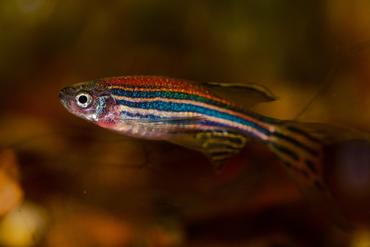
Nitrate (NO3): The final stage of the nitrogen cycle occurs when a second group of bacteria (Nitrobacter) converts nitrites into nitrates. While significantly less toxic than ammonia or nitrite, nitrates are the "silent creep" of aquarium chemistry. High levels over time lead to stunted growth, reduced spawning success, and massive algae outbreaks. For most community fish like Guppies or Zebra Danios, keep nitrates below 20-40 ppm. However, for sensitive species like Discus or Freshwater Shrimp, staying below 10 ppm is the gold standard for health.
A common beginner mistake is "New Tank Syndrome," where fish are added before these bacterial colonies have established. This leads to a massive ammonia spike that the filtration system cannot handle. If you are starting a new setup, be sure to read our guide on how to cycle your aquarium properly to build a solid biological foundation. Real-world success in the hobby starts with the patience to let these bacteria grow before the fish arrive.
The Balancing Act: pH, KH, and Water Stability
The parameter most hobbyists obsess over is pH, which measures how acidic or basic your water is on a scale of 0 to 14. A neutral pH is 7.0. Most freshwater fish thrive in a range between 6.5 and 7.5, but the most important lesson for 2025 is that consistency is far more important than a specific number. Fish are incredibly adaptable to a range of pH levels, but they are highly sensitive to sudden fluctuations. A pH "crash" or a rapid spike causes osmotic shock, which damages the fish's internal organs and can lead to death within hours.
Carbonate Hardness (KH), often called alkalinity, is the unsung hero of water chemistry. It acts as a chemical "buffer" for your pH. Think of KH as a sponge that absorbs acids produced by the nitrogen cycle and decaying wood. If your KH is too low (below 3 dKH), your pH becomes unstable and can drop suddenly. This is a common issue in tanks with heavy driftwood or high CO2 injection. Conversely, high KH makes it very difficult to lower your pH, which is why "pH Down" chemicals often fail—the KH simply pushes the pH back up.
Acidic Environments (pH 6.0 - 6.8)
Preferred by South American species like Angelfish, Apistogramma, and many Tetras. These fish evolved in leaf-littered streams where tannins naturally lower the pH.
Alkaline Environments (pH 7.8 - 8.6)
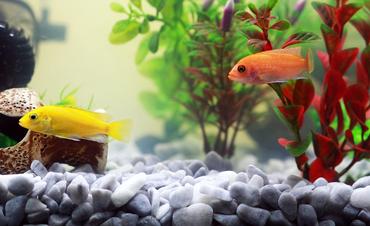
Essential for African Cichlids from the Rift Lakes and many livebearers. These fish require high mineral content to maintain their metabolic functions.
Managing the Balance
If you need to adjust your pH, do it naturally. Adding Indian Almond Leaves or Peat Moss will slowly lower pH and add beneficial tannins. To raise pH and KH, adding Crushed Coral to your filter is a safe, long-term solution that provides a steady release of minerals.
General Hardness (GH) and the Role of Minerals
While KH measures carbonates, General Hardness (GH) measures the concentration of calcium and magnesium ions. These minerals are not just "part of the water"; they are essential nutrients that fish absorb through their skin and gills. GH affects everything from bone development and egg health to the ability of a Cherry Shrimp to successfully molt its exoskeleton.
We often categorize fish as "hard water" or "soft water" species. This is not just a preference—it is a physiological requirement. Hard water fish, such as Mollies, Platies, and Swordtails, have evolved to live in mineral-rich environments. If kept in soft water, their bodies struggle to maintain proper electrolyte balance, leading to a weakened immune system and a characteristic "shimmies" motion. Soft water fish, like Neon Tetras or Rasboras, can actually suffer from organ calcification if kept in water that is too hard for extended periods.
When planning your community, it is vital to group species with similar GH requirements. Checking our freshwater fish compatibility guide can help you identify which species will thrive together based on their mineral needs rather than just their temperament. If you use Reverse Osmosis (RO) water, you must use a mineral re-mineralizer to add back the GH and KH that the filtration process removed, as pure RO water is too "empty" to support life sustainably.
Temperature, Oxygen, and the Metabolic Rate
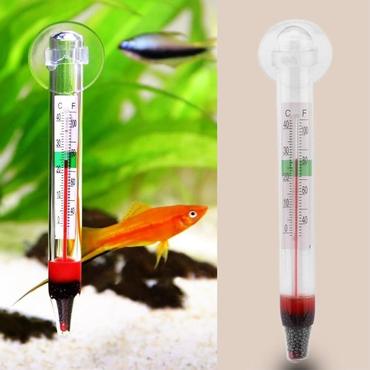
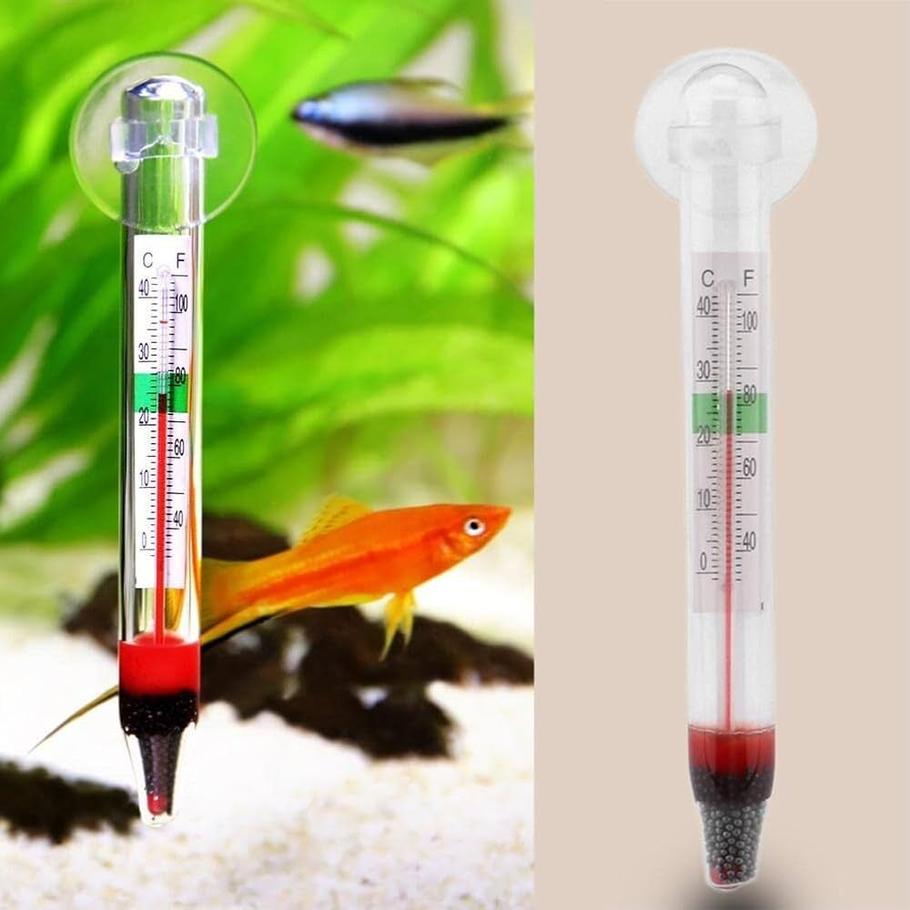
Temperature is a fundamental parameter that is often overlooked until something goes wrong. Because fish are ectothermic, their internal body temperature is determined by the water. This means their metabolism, digestion, and immune system speed up or slow down based on the thermometer. For most tropical setups, a range of 75°F to 80°F is ideal. However, temperature management in 2025 involves understanding the relationship between heat and Dissolved Oxygen (DO).
Warmer water holds significantly less oxygen than cooler water. During the summer months, or if a heater malfunctions and stays "on," the primary cause of death is often suffocation rather than the heat itself. If you notice your fish congregating at the surface or their gill covers moving rapidly, your oxygen levels are likely low. To maintain high oxygen levels, ensure there is plenty of surface agitation. A hang-on-back filter or a spray bar that breaks the water's surface allows for the exchange of CO2 for Oxygen. In heavily planted tanks, remember that plants consume oxygen at night, which can lead to early morning oxygen dips—a common reason for mysterious "morning deaths" in lushly aquascaped tanks.
Temperature Preferences
-
Goldfish and Rosy Barb: Prefer cooler water (65°F - 72°F) and should generally not be kept with tropical species.
-
Bettas and Discus: Thrive in warmer water (78°F - 84°F). Keeping a Betta in unheated water at room temperature slows their digestion and leads to bloating and lethargy.
Practical Tip
Always use two smaller heaters rather than one large one. If one fails "on," it is less likely to cook the fish; if one fails "off," the other can maintain a survivable temperature until you notice.
Compatibility and Parameter-Based Care Considerations
The biggest mistake intermediate hobbyists make is selecting fish based on appearance while ignoring their chemical compatibility. Just because two fish are peaceful does not mean they belong together. A Bolivian Ram and a Lake Malawi Cichlid might not fight, but one will be thriving in its preferred water while the other is slowly dying from the stress of improper osmotic pressure. This "invisible stress" is the leading cause of secondary infections like Ich or Fin Rot.
The Realities of Maintenance
Practical care in 2025 emphasizes the "stability over numbers" rule. It is far better to have a stable pH of 8.2 for your Tetras than to constantly dump chemicals into the tank trying to force it to 6.5. These chemicals cause rapid swings that do more damage than the "incorrect" pH ever would. Instead, focus on a consistent maintenance schedule. Small, weekly water changes (15-20%) are significantly better for parameter stability than one massive monthly 70% water change. Large changes can cause "Old Tank Syndrome," where the chemistry of the tank has drifted so far from the tap water that the fresh water actually shocks the fish.
Monitoring Your Parameters
To be a successful aquarist, you need a reliable testing kit. While paper test strips are convenient for a quick check, they are notoriously inaccurate for precise readings of ammonia and nitrate. Invest in a high-quality liquid titration kit. In 2025, digital monitors have also become more affordable for tracking pH and temperature in real-time, providing an extra layer of security for expensive livestock.
Conclusion: The Path to a Thriving Ecosystem
Mastering freshwater water parameters is not about becoming a chemist; it is about becoming an observer of life. By understanding the relationship between the nitrogen cycle, pH stability, and mineral content, you move from reacting to problems to preventing them. The key takeaways for 2025 are simple: prioritize biological filtration, ensure your pH and KH are buffered for stability, and match your fish species based on their physiological needs rather than just their looks. Water chemistry is the canvas upon which the beauty of your aquarium is painted. When the water is right, the fish will reward you with vibrant colors, active behaviors, and a long lifespan.
Ready to take the next step in your hobbyist journey? The best way to learn is through experience and community. We encourage you to start a tank journal to track your parameters over time and see how your ecosystem matures. If you have questions about specific species or need troubleshooting help, explore our extensive library of care guides or join the conversation in our community forums. Your fish depend on you to be the guardian of their environment—start testing today and watch your aquarium flourish!

MOST RECENT ARTICLES