TYPES OF FRESHWATER AQUARIUM LIGHTING

1. Light-Emitting Diodes (LEDs): The Modern Gold Standard
Over the last decade, Light-Emitting Diodes (LEDs) have revolutionized the fishkeeping hobby, largely replacing older lighting technologies in both entry-level starter kits and high-end aquascaping setups. LEDs generate light by passing an electrical current through a semiconductor material, emitting photons with extreme energy efficiency and minimal thermal discharge into the water column. For freshwater aquarists, LEDs offer an unmatched combination of longevity, customizable spectrum control, and sleek form factors that easily fit any hood or rimless mounting system.
One of the greatest operational advantages of LED systems is their tailored light spectrums. Photosynthetic plants rely heavily on specific wavelengths of light—primarily red (630–660 nm) for chlorophyll-a and chlorophyll-b synthesis and blue (430–460 nm) for vegetative growth and compact structural development. Modern freshwater LED fixtures incorporate full-spectrum configurations, combining cool white, warm white, dedicated red, blue, and green diodes to promote robust plant growth while rendering the natural colors of your livestock with breathtaking vibrancy.
Furthermore, LEDs are uniquely suited for mimicking natural environment cycles. Many mid-range to high-end LED fixtures feature programmable microcontrollers that allow aquarists to simulate gradual sunrises, sunsets, and low-intensity blue moonlight phases. These gradual light transitions prevent the sudden shock caused by instant binary switching, which can cause skittish fish species to dart frantically around the tank and bump into decorations or glass. When managing delicate schooling fish, such gentle lighting adjustments contribute significantly to long-term health and reduced stress levels.
2. Legacy Lighting Systems: T5 Fluorescent, Compact Fluorescent, and Incandescent
While LEDs currently dominate store shelves, understanding legacy lighting systems provides valuable context, especially for aquarists buying second-hand setups or maintaining vintage hoods. Before LEDs became affordable, linear T5 High-Output (HO) fluorescent fixtures were considered the premier choice for planted freshwater aquariums. T5 HO systems produce a broad, even spread of diffuse light across the entire length of the tank, eliminating harsh directional shadows and delivering consistent PAR (Photosynthetically Active Radiation) to foreground and background plants alike.
However, fluorescent bulbs come with notable operational drawbacks. Over time, the internal phosphor coating inside fluorescent tubes degrades, altering the output spectrum and reducing intensity long before the bulb physically burns out. Aquarists must replace T5 and Compact Fluorescent (CFL) bulbs every 8 to 12 months to maintain proper photosynthetic radiation. Failing to do so often results in a spectral shift toward light frequencies that favor nuisance algae growth over higher plant health. Additionally, linear fluorescents convert a significant percentage of energy into radiant heat, which can warm the surface layer of your aquarium water and increase evaporation rates.
Incandescent bulbs represent an even older generation of technology that should generally be avoided in modern freshwater aquariums. Incandescent lamps rely on a heated tungsten filament, emitting vast amounts of waste heat while producing a low-intensity, yellowish spectrum that is ineffective for plant growth and prone to fueling heavy brown diatom algae. While inexpensive up front, incandescent lighting quickly becomes costly due to high energy consumption and frequent bulb failures.
3. High-Intensity Discharge (HID) and Metal Halides: Deep Tank Specialists
Metal Halide (MH) lamps are a subclass of High-Intensity Discharge (HID) lighting that operates by passing an electric arc through a gaseous mixture of vaporized mercury and metal halides. Historically prized in high-tech planted aquariums and deep saltwater reef displays, Metal Halides act as single-point light sources that produce an intense, focused beam capable of penetrating deep water columns while creating a shimmering visual effect similar to natural sunlight piercing the ocean surface.
Despite their optical intensity, Metal Halides present severe practical challenges for the average freshwater aquarist. They consume large amounts of electricity and operate at extremely high surface temperatures, requiring heavy glass shields, suspended mounting hardware, and often dedicated aquarium chillers to prevent water temperatures from spiking into lethal ranges. In freshwater aquascaping, high-power LEDs have effectively rendered Metal Halides obsolete for all but the deepest custom displays (tanks exceeding 30 inches in depth) where raw depth penetration remains a priority.
To help navigate these options, consider these foundational guidelines when selecting your light system:
- Choose programmable full-spectrum LEDs for planted aquariums to target essential chlorophyll production.
- Opt for low-output basic LEDs or standard fluorescent hoods if keeping fish-only tanks without live vegetation.
- Ensure light fixtures span the full horizontal length of the aquarium to eliminate dark corners.
- Avoid legacy incandescent bulbs due to excessive heat generation and poor photosynthetic efficiency.
- Verify that any fixture mounted beneath an enclosed aquarium hood carries an appropriate water-resistance rating.
4. Matching Light Intensity to Fish and Plant Species
Every organism in your freshwater aquarium evolved under specific environmental conditions, ranging from crystal-clear, sun-drenched tropical rivers to shaded, tannin-stained forest streams. Consequently, lighting requirements vary dramatically depending on the specific fish and plant species inhabiting your tank. Matching light intensity to your livestock's biological preferences is critical for creating a stable, stress-free community.
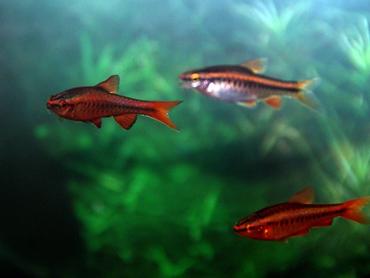
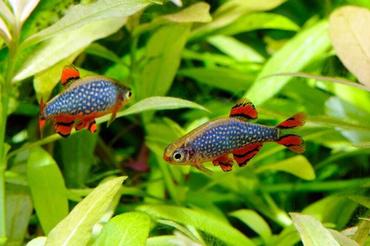
For fish-only setups or aquariums housing shade-loving species, high-intensity lighting can be detrimental. Active nocturnal or forest-stream species, such as Cardinal Tetras (Paracheirodon axelrodi), Harlequin Rasboras (Trigonostigma heteromorpha), and glass catfish, thrive under dim, diffused light. Excessive illumination causes these species to lose their vibrant coloration, exhibit nervous schooling behavior, and spend most of their time hiding behind hardscapes. Bottom-dwellers like Corydoras catfish and Bristlenose Plecostomus (Ancistrus cirrhosus) also show significantly more natural foraging behavior under moderate to low light levels.
If you prefer the visual punch of a high-intensity light fixture but keep timid, shade-loving fish species, plant floating species like Amazon Frogbit (Limbobium laevigatum) or Water Lettuce. Their roots absorb floating nutrients while their leaves cast a gentle, natural dappled shade across lower water strata.
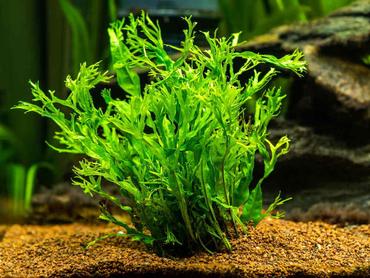
Conversely, live aquatic plants are categorized into low, medium, and high-light demand tiers. Low-light plants—such as Java Fern (Microsorum pteropus), Anubias varieties (e.g., Anubias barteri var. nana), and Cryptocoryne species—thrive under low PAR values (15–30 µmol/m²/s at the substrate level). These robust species are ideal for beginners because they grow steadily without requiring carbon dioxide (CO2) supplementation. Medium-to-high-light plants, including carpet-forming Dwarf Hairgrass (Eleocharis parvula) and colorful stem plants like Rotala macrandra, demand high PAR levels (60–100+ µmol/m²/s). However, pushing high light intensity without supplying balanced nutrients and injected CO2 will quickly lead to severe algae outbreaks.
To deepen your understanding of balancing aquarium biology and selecting suitable flora, explore our guide on getting started with planted aquariums, as well as our curated list of easy beginner aquarium plants that do not require substrate.
5. Photoperiod Management, Spectrum, and Algae Control
One of the most common mistakes beginner aquarists make is leaving their aquarium lights running for 12 to 16 hours a day to match their personal daily schedules. In nature, tropical regions experience approximately 10 to 12 hours of daylight, but effective intensity peaks for only a fraction of that duration. In a closed aquarium system, excessive light duration—known as the photoperiod—is the primary catalyst for nuisance algae outbreaks, including hair algae, staghorn algae, and blue-green cyanobacteria.
For most freshwater tanks, a photoperiod of 6 to 8 hours per day is ideal. Utilizing a digital timer or a built-in LED smart controller ensures strict daily consistency. If you wish to view your aquarium both early in the morning and late at night, consider implementing a "siesta" schedule: split the photoperiod into two 3.5-hour blocks separated by a 4-hour mid-day dark period. This practice pauses algae photosynthesis while allowing you to enjoy your aquarium during peak viewing hours without over-illuminating the system.
Key lighting parameters and care considerations include:
- Photoperiod Duration: Limit total daily illumination to 6–8 hours for standard tanks to curb unwanted algae.
- Color Temperature (Kelvin): Aim for 6,500K to 8,000K daylight ratings, which simulate natural tropical sunlight and encourage healthy plant growth.
- PAR vs. Lumens: Evaluate light fixtures based on PAR (Photosynthetically Active Radiation) for plant health rather than raw human-perceived brightness (lumens).
- Substrate Coverage: Ensure the light spectrum adequately penetrates to the bottom layer to support carpeting plants.
- Fixture Cleanliness: Periodically wipe mineral deposits and dust off protective lenses to maintain maximum light penetration.
6. Lighting Considerations and Maintenance Summary
To successfully integrate lighting into your ongoing freshwater aquarium routine, keep practical maintenance and compatibility considerations at the forefront. Every lighting system requires periodic inspection to ensure electrical safety and consistent spectral performance. Over time, water condensation, salt creep (in brackish setups), and hard water spots accumulate on the underside of light lenses, reducing light transmission by up to 30%. Cleaning glass covers and acrylic LED diffusers with a vinegar-and-water solution during weekly water changes preserves optical clarity and prolongs fixture life.
In addition to physical cleaning, always pay close attention to thermal dynamics and power supply safety. Even energy-efficient LEDs generate heat at the circuit board level, which is dispersed via aluminum heat sinks. Ensure adequate airflow around top-mounted fixtures to prevent thermal throttling or diode burnout. Always install a drip loop on electrical cords leading from the fixture to the wall outlet to prevent stray water droplets from reaching electrical sockets.
When upgrading or adjusting your aquarium lights, avoid making drastic changes overnight. Abruptly increasing light intensity or photoperiod duration shocks established plants and provides opportunistic algae with a competitive advantage. Gradually ramp up light levels by 10% per week or increase photoperiods by 15-minute increments to give your aquatic ecosystem time to adapt smoothly. For step-by-step guidance on keeping your system clean and clear, take a look at our ultimate fish tank maintenance and cleaning guide.
Takeaway: Brightening Your Aquarium Journey
Choosing the right freshwater aquarium lighting is a rewarding step that bridges technical understanding with creative expression. By selecting a fixture tailored to your tank depth, plant ambition, and fish species, you lay the groundwork for a stunning, biological paradise. Start by assessing your current ecosystem needs, invest in a reliable full-spectrum LED with timer controls, and maintain a disciplined photoperiod. Ready to take your setup to the next level? Explore our extensive library of freshwater guides, share your tank builds with our community, and join the conversation at RateMyFishTank.com today!

MOST RECENT ARTICLES