CULTIVATING AN AMAZON BIOTOPE TANK

Understanding the Amazonian Ecosystem: Blackwater, Clearwater, and Whitewater Systems
The Amazon River basin spans over 2.7 million square miles across South America, encompassing sprawling flooded forests, sluggish tributaries, expansive floodplains, and fast-moving main river channels. When designing an authentic Amazon biotope, your first step is deciding which specific aquatic environment to replicate, as water chemistry, light levels, and visual aesthetics vary dramatically across different zones of the basin.
Blackwater Environments
Blackwater environments—exemplified by the iconic Rio Negro and its surrounding forest streams—are characterized by extremely soft, highly acidic water stained to a deep tea or dark amber hue. This characteristic coloration is caused by heavy concentrations of humic acids and organic tannins leaching from fallen leaves, seed pods, and submerged tree roots accumulated over decades. Because sunlight struggles to penetrate these dark, tannin-rich waters, aquatic plant growth is naturally sparse. Tangled wood, submerged branches, and thick leaf litter beds form the primary underwater architecture. Aquatic organisms in blackwater habitats have adapted to low-nutrient conditions and very low microbial loads, as the low pH suppresses many common aquatic pathogens.
Clearwater Tributaries
Clearwater tributaries, such as the Tapajós and Xingu Rivers, originate on older geological formations where mineral erosion is minimal. These systems feature crystal-clear water with low organic staining, neutral to slightly acidic pH levels, moderate light penetration, and abundant submersed vegetation. Aquatic plants thrive along the sunlit margins of clearwater rivers, offering dense cover for schooling characins and small cichlids.
Whitewater Rivers
Whitewater rivers, like the main stem of the Amazon River and the Solimões, carry massive loads of suspended clay and glacial silt washed down from the Andes Mountains. These waters appear muddy or milk-coffee colored, featuring neutral to slightly alkaline pH levels and higher mineral content. Because visibility is limited and silt accumulation is heavy, plants are rarely found in the main channel, though the nutrient-rich floodplains (known as várzea) support temporary seasonal aquatic habitats.
To explore the general principles behind replicating specific geographical regions in your home aquarium, take a look at our comprehensive guide on what is a biotope tank and how to select the right habitat for your space.
Water Chemistry and Environmental Parameters: Recreating South American Waters
Successfully maintaining an Amazonian biotope hinges on establishing and maintaining soft, acidic water conditions that closely match wild river channels. Most native South American species have evolved in environments virtually devoid of dissolved mineral salts, making water consistency and soft chemistry vital to their long-term health and immune function.
To create ideal conditions for an Amazon biotope, aim for the following key environmental parameters:
- pH Level: 5.0 to 6.5 for blackwater setups; 6.5 to 7.0 for clearwater setups.
- General Hardness (GH): 1 to 5 dGH (0 to 90 ppm), indicating extremely soft water.
- Carbonate Hardness (KH): 0 to 3 dKH (0 to 50 ppm), providing minimal mineral buffering.
- Total Dissolved Solids (TDS): 10 to 80 ppm for authentic blackwater conditions.
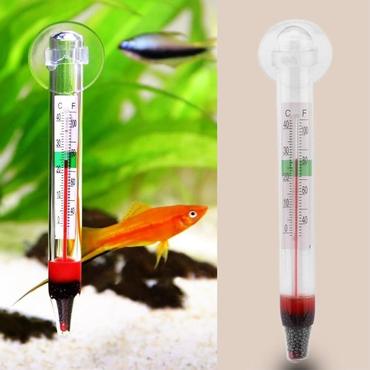
- Water Temperature: 76°F to 84°F (24°C to 29°C), with stable heating year-round.
A widespread mistake among beginner and intermediate aquarists is trying to lower aquarium pH using liquid acid additives or chemical "pH Down" products without first reducing General Hardness and Carbonate Hardness. Standard tap water often contains high concentrations of calcium and bicarbonate ions, which buffer the water against acidity. If you add liquid acids to hard tap water, the KH will cause the pH to rebound rapidly, subjecting your fish to severe osmotic shock and stress. Instead, use a Reverse Osmosis (RO) or Deionized (DI) water system to produce mineral-free base water. You can then blend a small amount of tap water or use specialized re-mineralizing salts to achieve your precise target hardness.
To safely lower pH and introduce natural organic compounds, incorporate natural botanicals into your system. Indian Almond leaves (Catappa), alder cones, guava leaves, and natural peat moss slowly release humic and fulvic acids into the water column. These organic compounds lower pH naturally, stain the water a rich amber tone, and provide mild antibacterial and antifungal benefits that protect fish scales and delicate fins.
Hardscaping the Amazonian Riverbed: Substrates, Roots, and Leaf Litter Beds
The layout of an Amazon biotope emphasizes organic, asymmetrical arrangements over neat, geometric designs. In wild South American streams, seasonal floods sweep tree stumps, fallen branches, seed pods, and thick foliage into river beds, creating complex underwater mazes that serve as shelter, territorial markers, and rich foraging grounds for aquatic life.
Substrate selection should prioritize safety for benthic bottom-dwellers. Fine silica sand, light tan play sand, or pool filter sand replicates the natural riverbed silt of South American tributaries. Avoid coarse gravel or sharp basaltic substrates, which can erode the sensitive barbels of Corydoras catfish and prevent natural sifting behavior.
When selecting hardscape materials, focus on branchy wood pieces that simulate fallen tree roots hanging from eroding riverbanks. Excellent driftwood choices for an Amazonian layout include:
- Manzanita Wood: Features smooth, branchy limbs that mimic delicate overhead roots.
- Malaysian Driftwood: Dense, heavy wood that sinks quickly and leaches substantial dark tannins.
- Spider Wood (Azalea Root): Offers intricate, twisting branches ideal for smaller or mid-sized displays.
- Savanna / Mopani Wood: Heavy, textured wood pieces that provide sturdy focal points near the substrate.
Stack and interlock branches so they project downward from the upper rear corners toward the center of the tank, mirroring the look of a flooded riverbank. Once the wood framework is established, construct a functional leaf litter bed across portions of the sand floor. Scatter dried oak leaves, Catappa leaves, and smaller botanicals around the base of your driftwood structures. As leaf litter breaks down over several weeks, it forms a rich micro-habitat where beneficial bio-films, microbial communities, and tiny organisms flourish. Young fish and dwarf cichlids will spend hours grazing on these microscopic food sources.
Authentic Amazonian Plant Selection and Aquascaping Strategies
While deep blackwater river channels are mostly devoid of aquatic vegetation due to reduced light penetration, clearwater river systems support vibrant underwater meadows. Incorporating native South American flora enhances natural filtration, absorbs excess nitrates, and provides essential physical security for shy fish species.
When designing a planted Amazon clearwater layout, select species endemic to South America that thrive in soft water conditions:
Foreground Plants
- Pygmy Chain Sword ( Echinodorus tenellum / Helanthium tenellum ) is an outstanding foreground choice. Under moderate to bright lighting, it sends out creeping runners across fine sand, forming a delicate green carpet.
- Micro Sword ( Lilaeopsis brasiliensis ) offers another great carpeting option with blade-like leaves that replicate native riverbank grasses.
Midground and Background Plants
- The Amazon Sword ( Echinodorus bleheri and Echinodorus amazonicus ) serves as the classic centerpiece plant for any South American setup. Featuring broad, bright green leaves, these heavy root feeders grow large and robust, providing vital shade and spawning sites for angelfish and cichlids. Place root tabs near their base every few months to sustain vigorous leaf growth.
- Stargrass ( Heteranthera zosterifolia ) offers fine, star-shaped foliage that adds dynamic texture to midground and background zones when trimmed regularly.
Floating Cover
Floating plants play an indispensable role in replicating Amazonian light conditions. Amazon Frogbit ( Limnobium laevigatum ) and Water Lettuce ( Pistia stratiotes ) form expansive surface mats with long, feathery root systems extending deep into the water column. These trailing roots diffuse strong overhead lighting, creating dappled shade that helps reduce stress for shade-loving fish while stripping massive amounts of dissolved nitrates from the water.
If you are planning to combine high plant density with soft-water aquatic species, explore our practical guide on stocking a freshwater fish tank to strike the ideal balance between biological load, plant mass, and filtration capacity.
Selecting and Structuring Your Livestock: Species Profiles and Zonation
Populating an Amazon biotope requires choosing species that inhabit distinct depth zones within the aquarium. By distributing fish across the top, middle, and bottom strata of the water column, you maximize swimming room, decrease territorial conflict, and establish an active, visually balanced display.
Upper Column and Surface Dwellers
Surface-dwelling species add unique character to the top layer of the tank. Marble Hatchetfish ( Carnegiella strigata ) and Silver Hatchetfish ( Gasteropelecus levis ) possess deep, keeled bodies and enlarged pectoral fins adapted for surface feeding. In the wild, they skim the surface for fallen terrestrial insects. Because hatchetfish are accomplished jumpers capable of leaping out of small gaps, keep a tight-fitting aquarium cover securely in place at all times.
Midwater Schooling Fish
Small, highly colorful characins are the heart of any South American aquarium. In blackwater environments, their iridescent body stripes act as visual beacons that allow tight-knit schools to stay coordinated in dark waters. Ideal midwater schooling species include:
- Cardinal Tetras ( Paracheirodon axelrodi ): Showcase brilliant blue and red stripes running the full length of their bodies; thrive in warm, soft, acidic water.
- Rummy-Nose Tetras ( Hemigrammus rhodostomus ): Famous for their bright red heads and black-and-white striped tail fins; excellent indicators of water quality.
- Black Phantom Tetras ( Hyphessobrycon megalopterus ): Display deep grey tones and large dorsal fins, engaging in striking but harmless fin-flaring displays.
- Emperor Tetras ( Nematobrycon palmeri ): Exhibit deep purple-blue iridescence and textured tail fins, thriving in planted or wood-heavy environments.
Dwarf Cichlids and Centerpiece Fish
For low-to-midwater territory, South American dwarf cichlids provide fascinating behavioral dynamics. Species such as Apistogramma cacatuoides (Cockatoo Dwarf Cichlid), Apistogramma agassizii, and Mikrogeophagus ramirezi (German Blue Ram) pair up, establish small territories around leaf litter or caves, and demonstrate impressive brood care over their offspring without uprooting plants or harassing peaceful tetras.
In larger aquariums (55 gallons and up), iconic species like Angelfish ( Pterophyllum scalare ) or wild-type Discus ( Symphysodon species) make magnificent centerpiece choices. These tall, laterally compressed fish glide gracefully between vertical driftwood branches and large Amazon sword leaves.
Bottom Dwellers and Cleanup Crew
Bottom-dwelling catfish complete the biotope by keeping substrate moving and consuming dropped food particles. Peaceful Corydoras catfish, such as Corydoras sterbai, Corydoras panda, and Corydoras adolfoi, should always be kept in groups of six or more of the same species. Pair them with suckermouth catfish like the Bristlenose Pleco ( Ancistrus cf. cirrhosus ) or Otocinclus catfish to manage natural algae and bio-film accumulation on driftwood and rock surfaces.
Compatibility, Feeding, and Long-Term Care Considerations
Maintaining a flourishing Amazon biotope long term demands careful attention to species compatibility, filtration configuration, diet variety, and routine maintenance practices.
Avoiding Size and Temperament Mismatches
While two species may both originate from the Amazon basin, housing them together in a closed system can lead to problems if their sizes or behaviors are mismatched. A textbook example of an intermediate hobbyist mistake is stocking adult wild Angelfish with juvenile Neon Tetras. In nature, adult angelfish naturally prey upon small, slender tetras. As angelfish reach full size, any small fish that fits into their mouth may eventually disappear overnight. Always choose schooling tankmates whose adult body depth prevents them from becoming target prey.
Filtration and Flow Management
Because leaf litter beds and decaying botanicals continuously break down over time, biological filtration must be robust. However, most forest stream species prefer low-to-moderate water currents rather than turbulent flow. Utilize a high-capacity canister filter packed with biological media rings and coarse foam sponges. Position the filter outlet with a spray bar or lily pipe to diffuse high-velocity flow across the water surface, providing rich oxygen exchange without pushing small tetras or hatchetfish around the tank.
Diets and Feeding Routines
Most South American species are micro-predators or insectivores that feed on small crustaceans, insect larvae, and organic debris in the wild. Feed a varied diet consisting of high-protein micro-pellets, high-quality flake foods, and regular feedings of live or frozen daphnia, baby brine shrimp, micro-worms, and bloodworms. For suckermouth catfish and dwarf cichlids, supplement feedings with sinking spirulina wafers and specialized carnivore pellets to ensure bottom feeders receive adequate nutrition.
Maintenance Habits in Soft Water Systems
Because soft, low-KH water lacks substantial mineral buffering, organic waste accumulation can lead to rapid pH drops if maintenance is neglected. Perform consistent weekly 20% to 25% water changes using temperature-matched RO water treated with low doses of re-mineralizing salts. Gently siphon floating organic debris from the surface of the sand without completely removing the established leaf litter bed. Periodically replenish spent botanicals, adding fresh Catappa leaves or alder cones as older leaves decompose into the substrate.
Understanding how water parameters and environmental dynamics shape aquatic health is central to keeping any specialized aquarium ecosystem thriving. Check out our comparative breakdown on saltwater versus freshwater aquariums to deepen your knowledge of maintaining water stability across different specialized aquatic setups.
Cultivating Your Own Amazonian Escape
Building and maintaining a dedicated Amazon biotope tank is one of the most rewarding endeavors in the aquarium hobby. By replicating soft, tannin-stained water conditions, assembling authentic root hardscapes, and stocking compatible South American species across all water levels, you create an intriguing window into one of the world's richest natural aquatic habitats. Take time to carefully dial in your water parameters, select fine sand and natural botanicals, and build a cohesive biological community. Have you designed or built an Amazon biotope setup in your home? Upload photos of your aquarium to RateMyFishTank.com, rate community setups, and connect with fellow aquascaping enthusiasts in our active forums today!

MOST RECENT ARTICLES