The modern aquarium hobby is often defined by high-tech gadgetry, from pressurized CO2 systems to canisters that look like they belong in a laboratory. However, a growing movement of hobbyists is looking backward to a time before electric pumps and mechanical filters—the era of the unfiltered, "natural" tank. Often referred to as the Walstad Method or a "no-tech" aquarium, an unfiltered tank is a complex, self-sustaining ecosystem where live plants, beneficial bacteria, and micro-organisms perform the heavy lifting of waste management. Cultivating one of these tanks is less about being a "fish keeper" and more about being an "ecosystem architect." When balanced correctly, an unfiltered tank is a serene, silent slice of nature that requires surprisingly little maintenance, but achieving that balance requires a deep understanding of biological synergy, patience, and a willingness to let nature take the lead. This guide will walk you through the delicate art of ditching the plug and building a living filter from the ground up.
The Science of Biological Filtration without Machinery
To understand how a tank can survive without a mechanical filter, we must first redefine what "filtration" actually means. In a standard setup, a filter provides two things: mechanical removal of debris and a place for nitrifying bacteria to grow. In an unfiltered tank, the entire aquarium—every inch of substrate, every leaf, and every piece of driftwood—becomes the filter. The primary engine of this system is the relationship between plants and nitrogen. While traditional filters convert toxic ammonia into less toxic nitrate, plants go a step further by directly consuming ammonia, nitrite, and nitrate as fertilizer. This process, often called the "nitrogen skip," effectively removes waste from the water column before it can harm your livestock.
Furthermore, the substrate in an unfiltered tank acts as a massive bio-reactor. By using a "soil-based" method, you introduce a diverse array of micro-organisms that break down fish waste and decaying plant matter into bio-available nutrients. This is significantly more advanced than the process of cycling a fish tank in a traditional sense; you aren't just growing two types of bacteria, you are cultivating a microscopic food web. This ecosystem approach leads to incredibly stable water parameters, as the plants and bacteria act as a biological buffer against fluctuations that would otherwise crash a sterile, filtered tank.
Building the Foundation: Substrate and Plant Density
The cornerstone of a successful unfiltered tank is the "dirted" substrate. Unlike inert gravel or sand, a nutrient-rich soil base provides the essential minerals and CO2 (through decomposition) that plants need to grow rapidly enough to filter the water. The most common approach involves a one-inch layer of organic potting soil capped with an inch of fine gravel or sand. The cap is crucial; it prevents the soil from clouding the water and keeps the nutrients tucked away at the root zone where they are needed most. This layered approach mimics the natural riverbeds and ponds where many of our favorite species originate.
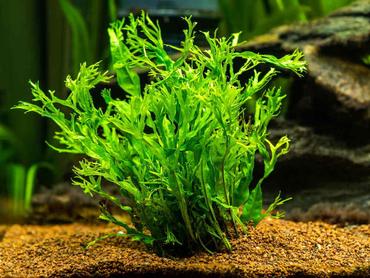
Plant density is not optional in this setup—it is a requirement. You cannot start an unfiltered tank with a few scattered stems; you must plant "heavily" from day one. At least 70% of the substrate should be covered in vegetation. Fast-growing "nutrient sponges" are the heroes of the unfiltered world. Species like Hornwort, Anacharis, and Water Sprite grow with incredible speed, sucking up waste products before algae can take hold. Floating plants, such as Frogbit or Red Root Floaters, are also vital because they have access to atmospheric CO2, allowing them to grow even faster than submerged plants and providing a "safety net" for the water quality.
Use organic potting soil free of chemical fertilizers and "moisture control" crystals.
Sift the soil to remove large wood chunks that can cause excessive tannin release or rot.
Aim for a "jungle" look immediately; the more plant mass you have, the safer the tank.
Include a mix of root feeders (like Cryptocoryne) and water column feeders (like Java Fern).
Utilize floating plants to create shade and absorb excess nitrates rapidly.
The Importance of Light and Gas Exchange
In a filtered tank, the filter creates surface agitation, which facilitates gas exchange—bringing oxygen in and letting CO2 out. In an unfiltered tank, you are relying on the "Great Oxygenation Event" provided by your plants. During the day, plants photosynthesize, pumping pure oxygen into the water. However, at night, the process reverses; plants consume oxygen and release CO2. This is why light management is the most critical daily variable in an unfiltered system. You need enough light to drive vigorous plant growth, but not so much that you trigger an algae bloom that chokes out the system.
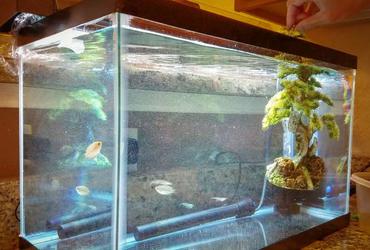
Many successful unfiltered keepers utilize a "Siesta Regimen"—turning the lights on for 4 hours, off for 2-4 hours in the middle of the day, and then on again for 4 hours. This break allows CO2 levels to replenish naturally from the soil decomposition, providing a boost for the plants during the second lighting period. Without a pump, you must also be careful with the tank's surface area. A long, shallow tank is significantly better for an unfiltered setup than a tall, narrow one, as it allows for a better ratio of surface-to-air contact, ensuring that even without bubbles, your fish have plenty of oxygen to breathe.
Compatibility and Care: Selecting the Right Livestock
Not every fish is a candidate for an unfiltered life. Large, messy eaters like Goldfish or Oscars produce far more waste than even the densest plant thickets can process. The ideal residents for a no-filter tank are small, low-bioload species that thrive in "still water" environments. An unfiltered tank is the perfect home for a Betta splendens, as they naturally inhabit rice paddies and slow-moving streams where high-flow filters would actually cause them stress. Other excellent choices include small shoaling fish like Sparkling Gouramis, Endler’s Livebearers, and various "Nano" Rasboras.
Invertebrates are the "clean-up crew" that makes this system work. Neocaridina Shrimp (Cherry Shrimp) and snails (like Nerites or Malayan Trumpet Snails) are essential. They act as the tank's mechanical filter, breaking down large particles of uneaten food and dead plant leaves into smaller pieces that bacteria can process. When selecting livestock, you must follow the basics of freshwater fish compatibility while also strictly limiting your numbers. "Understocking" is the secret to success here; the goal is to have a fish population that the plants can easily "keep up" with. In a 10-gallon unfiltered tank, a single Betta and a handful of shrimp is a perfect, sustainable balance.
Select labyrinth fish (Bettas, Gouramis) that can breathe atmospheric air if oxygen dips.
Avoid "digging" fish like large Cichlids that will disturb the soil cap and cloud the water.
Introduce snails early to help "work" the soil and prevent anaerobic gas pockets.
Keep stocking levels at roughly 50% of what you would put in a filtered tank.
Use Amano shrimp for heavy-duty algae control in the early stages of the tank's life.
Common Pitfalls and How to Avoid a Biological Crash
The most common mistake beginners make is impatience. An unfiltered tank takes much longer to "season" than a traditional tank. Because you aren't using a mechanical filter to clear the water, the tank may look messy, cloudy, or "tannin-stained" for the first few weeks. Many hobbyists panic and start performing massive water changes or adding chemicals, which disrupts the fragile microbial colonies trying to establish themselves. The best thing you can do for a new unfiltered tank is to leave it alone, monitor the parameters, and only intervene if the ammonia levels become dangerous for the inhabitants.
Another pitfall is the "algae phase." Almost every new unfiltered tank will go through a period of hair algae or diatoms. In a filtered tank, you might just scrub this off, but in an unfiltered tank, this is a sign that your plants aren't yet winning the nutrient war. Instead of reaching for algaecides, you should add more fast-growing floating plants and reduce your lighting duration. Understanding the dangers of high ammonia, nitrite and nitrate is vital, but in this specific method, you must also learn to read your plants. Yellowing leaves or "melting" stems are your first indicators that the biological filter is struggling.
Never use "liquid carbon" or algaecides, as these can kill the sensitive mosses and microbes.
Avoid overfeeding; any food that isn't eaten immediately becomes a burden on the plants.
Perform small, infrequent water changes (10% every two weeks) once the tank is stable.
Monitor for "rotten egg" smells, which indicate anaerobic activity in the soil.
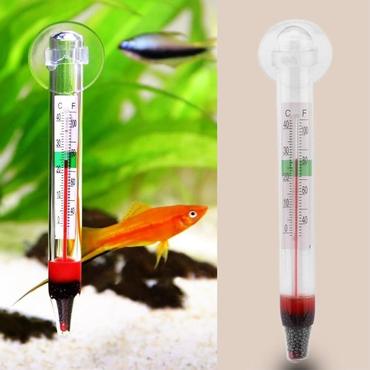
Keep the water temperature stable; extreme heat can lower oxygen to dangerous levels.
Actionable Tips for Long-Term Maintenance
Maintenance in an unfiltered tank is less about cleaning and more about "gardening." Your primary job will be pruning. Because you have selected fast-growing plants, they will eventually fill the entire volume of the tank. When you trim these plants and remove the clippings, you are physically removing the nitrogen and phosphorus they have absorbed from the water. This is the "mechanical" part of your biological filtration. If you let the plants grow, die, and rot in the tank, the nutrients just recycle back into the water, defeating the purpose of the system.
You should also be an observer of the "mulm." Mulm is the brown, organic fluff that accumulates on the substrate. In a filtered tank, we gravel-vac this away. In an unfiltered tank, this is "black gold." It is full of beneficial bacteria and acts as a slow-release fertilizer for your plants. While you can lightly siphon the very top of the sand to keep things tidy, you should never deep-clean the substrate. This preserves the delicate layers of the ecosystem you’ve built. Every few months, you might need to "poke" the soil with a thin rod to release any trapped CO2 or methane bubbles, though Malayan Trumpet Snails will usually do this job for you for free.
Takeaway: Embracing the Natural Aquarium
Cultivating an unfiltered tank is a journey back to the roots of the aquarium hobby. It replaces the hum of electricity with the quiet efficiency of nature, offering a unique sense of accomplishment when you see your fish thriving in a world you built from soil and light. While it requires more research and a steadier hand during the setup phase, the reward is an incredibly resilient and beautiful ecosystem that requires a fraction of the long-term work of a high-tech tank. Success lies in three words: plants, patience, and balance. By choosing the right species, providing the right foundation, and allowing the biological cycle to find its own equilibrium, you can enjoy a window into the natural world that is as sustainable as it is stunning. Are you ready to unplug the filter and let nature take the lead? Explore our community galleries at RateMyFishTank.com for inspiration, and start planning your own "no-tech" masterpiece today!
Embarking on the journey of setting up your first freshwater aquarium is an exhilarating experience that blends art, science, and a touch of nature right in your living room.
There is an undeniable majesty in keeping large freshwater fish, from the prehistoric allure of an Arowana to the puppy-like personality of a large Oscar.
There is a shared, deeply frustrating rite of passage that almost every aquarium hobbyist faces at some point: turning on the tank light to find your once-pristine aquascape draped in unsightly, stubborn fuzz.
Every aquarium hobbyist, whether a complete beginner establishing a first desktop display or an experienced aquascaper managing a heavily planted setup, eventually comes face-to-face with an unsightly algae bloom.
Every aquarium keeper eventually battles the dreaded nitrate buildup, relying on endless water changes, gravel vacuuming, and heavy filter maintenance to keep water parameters safe for their fish.
African cichlids are among the most captivating freshwater fish in the aquarium hobby, renowned for their brilliant, marine-like coloration and high levels of activity.
Standing in the aquarium store aisle, staring at dozens of colorful containers, can quickly turn what should be a fun feeding routine into an overwhelming guessing game.
For many aquarium hobbyists, transitioning from a basic community setup—where species from different continents share a single glass enclosure—to a dedicated natural display represents the ultimate evolution in fishkeeping.
Embarking on the journey of fishkeeping is one of the most rewarding endeavors a nature lover can undertake, offering a unique blend of artistry, biology, and peaceful observation.
Stepping into the world of live aquatic plants is often the moment a casual fish keeper becomes a true aquarist, transitioning from someone who simply "has fish" to someone who "maintains an ecosystem.
he Guppy (Poecilia reticulata) is arguably the most iconic species in the aquarium hobby, often serving as the gateway fish for generations of successful aquarists.
Maintaining a thriving freshwater aquarium is about much more than just a beautiful glass box and colorful fish; it is about managing a delicate, invisible ecosystem that exists within your living room.
If you want to maintain a healthy, thriving aquarium you must be sure to set up your tank properly the first time. The articles in this category will help you set up your tank correctly.
Embarking on the journey of setting up your first freshwater aquarium is an exhilarating experience that blends art, science, and a touch of nature right in your living room.
Fish bowls are one of the most recognizable symbols of fishkeeping, often associated with simplicity, minimal effort, and a single fish gently swimming in a clear glass sphere.
Wall mounted fish tanks have transformed from futuristic novelties into a popular design choice for modern aquarium hobbyists looking to save floor space while adding a living piece of art to their home.
Bringing home new fish is one of the most exciting parts of the aquarium hobby, but what you do during the first hour after arriving home can determine whether your new pets thrive or struggle.
Setting up a new aquarium is easily one of the most exciting moments in the fishkeeping hobby, whether you are filling a humble 10-gallon desktop tank or installing a majestic 120-gallon display reef.
Every passionate aquarist eventually reaches a pivotal moment in the hobby: standing in front of an established aquarium, watching fish weave through plants, and realizing that the current setup has reached its absolute limit.
Moving to a new home is one of life's most stressful experiences, but when you add a fully functioning freshwater or saltwater aquarium to the mix, that anxiety can double overnight.
Setting up a new freshwater aquarium is one of the most exciting and rewarding journeys in the fish-keeping hobby, but selecting the right tank is the single most critical foundation you will build.
Starting a freshwater aquarium is one of the most deeply rewarding journeys you can undertake in the pet-keeping world, but transforming a static glass box into a thriving, self-sustaining underwater ecosystem requires navigating a surprisingly steep learning curve.
Maintaining a freshwater aquarium is a deeply rewarding journey that brings a slice of nature into your home, but the transition from a simple glass box to a thriving ecosystem requires more than just water and fish.
Often hailed as the "King of the Aquarium," the Discus (Symphysodon) is a breathtaking centerpiece for any freshwater enthusiast, boasting a majestic saucer-like shape and a kaleidoscopic array of colors and patterns.
The modern aquarium hobby is often defined by high-tech gadgetry, from pressurized CO2 systems to canisters that look like they belong in a laboratory.
There is an undeniable majesty in keeping large freshwater fish, from the prehistoric allure of an Arowana to the puppy-like personality of a large Oscar.
Maintaining a thriving aquarium is a labor of love, but even the most diligent hobbyists will eventually encounter a sick fish or a sudden outbreak of disease.
Building a successful freshwater aquarium often starts with the fish, but it is the lush, green backdrop of live plants that truly brings the ecosystem to life.
Few things in the aquarium hobby match the breathtaking beauty of a lush, thriving planted freshwater tank, where vibrant greenery creates a natural underwater ecosystem for your livestock.
A lush, vibrant planted aquarium is one of the most breathtaking features you can add to your home, turning a simple glass box into a thriving underwater ecosystem.
There is something inherently magical about a lush, vibrant underwater garden, but for many hobbyists, the challenge lies in finding the perfect inhabitants to compliment that greenery.
Live aquarium plants do far more than make a tank look beautiful—they actively improve water quality, provide shelter for fish, and create a more stable ecosystem.
For many beginner aquarists, the prospect of managing a complex nutrient-rich substrate system—complete with root tabs, specialized soils, and the risk of anaerobic gas pockets—can be enough to delay their dreams of a lush, green tank.
Lighting is far more than a simple aesthetic fixture that brightens your living room; it serves as the foundational life-support engine for your entire aquatic ecosystem, influencing everything from the biological circadian rhythms of your fish to the photosynthetic success of live aquatic plants and the management of unwanted algae blooms.
When you set up a freshwater aquarium, choosing the right fixture is often treated as an afterthought or purely aesthetic decision to make your fish look bright and colorful.
Achieving the perfect aquatic display requires far more than simply selecting an eye-catching background, stacking ornate hardscape rocks, or picking out colorful gravel at your local fish store; finding the right balance with aquarium lighting is the fundamental biological secret to maintaining a thriving, disease-resistant underwater ecosystem.
Walking into a local pet shop or browsing an online aquatics retailer can feel incredibly overwhelming when you look at the sheer wall of filtration options available today.
There is nothing quite as alarming for an aquarium owner as walking up to a tank only to hear a sputtering motor, notice a sudden drop in water output, or see your fish gasping near the surface because the filtration system has failed.
When you first set up your aquarium, whether it’s a freshwater community tank with neon tetras or a saltwater reef with clownfish, one of the most important but often misunderstood aspects of keeping water clear and fish healthy is filter media — the materials inside your filter that help remove waste and keep the water balanced.
Sponge filters are one of the simplest, safest, and most underrated filtration systems in the aquarium hobby—and the good news is that you don’t need to buy one to enjoy the benefits.
Entering the marine aquarium hobby often begins with a single moment of awe: watching a vibrant yellow tang glide past a rich reef backdrop or seeing the electric violet and gold hues of a royal gramma flash through live rock.
Whether you keep a single energetic Betta fish in a planted desktop tank or a thriving community of Amazonian cichlids, watching your aquatic pets hunt and consume live prey is undeniably captivating.
Observing your favorite aquarium fish floating sluggishly near the substrate, displaying a visibly distended abdomen, or struggling to swim without rolling sideways can cause immediate panic for any fish keeper.
Algae wafers are a staple food for plecos, otocinclus, snails, and other algae-eating aquarium residents—but many hobbyists notice their tank water turning cloudy soon after feeding.
Few things match the simple, peaceful joy of watching a vibrant school of neon tetras or a majestic pair of angelfish glide smoothly through a beautifully aquascaped aquarium.
Every passionate aquarist eventually faces a moment of crisis when a prized fish exhibits symptoms of illness, whether it is a stubborn case of Ich, frayed fins, or unexplained lethargy.
Observing your aquatic pets glide peacefully through a glass display is one of the most rewarding aspects of keeping an aquarium, but when a fish suddenly starts swimming erratically, hiding constantly, or showing unexpected aggression, it can cause immediate worry.
Few sights are more distressing for an aquarium hobbyist than looking into a tank and seeing a beloved fish with a bloated body and scales that stick out like a pinecone.
Few experiences in the aquarium hobby are as universally frustrating as looking into your display tank only to find hazy, murky, or milky water obscuring your aquascape and fish.
As the mercury rises and we start reaching for the air conditioning remote, it is easy to forget that our underwater companions are feeling the heat just as much as we are—if not more.
It is the ultimate nightmare for any aquarium owner: you spend an afternoon performing what you think is a helpful, routine water change, only to wake up the next morning to find your prized Discus gasping at the surface or your school of Neon Tetras floating lifelessly.
There is nothing quite as frustrating as sitting down to enjoy your aquascape, only to find yourself staring at a murky film of green or brown slime coating the front pane.
Setting up a brand-new aquarium is easily one of the most exciting moments for any fish enthusiast, but rushing to fill your glass box with colorful livestock right after adding water is the single fastest way to encounter heartbreak.
Discovering dozens of tiny snails clinging to your aquarium glass, rocks, and plants can feel like an overnight invasion, leaving even experienced fishkeepers wondering where they all came from.
Planning a vacation should be a time of pure relaxation and excitement, but for the dedicated aquarium hobbyist, it often brings a wave of "tank anxiety" that is hard to shake.
Setting up a new aquarium is an exciting milestone, but many beginners focus so much on choosing vibrant fish and beautiful aquascaping that they overlook the single most vital element of the entire setup: the water.
Setting up a new freshwater aquarium is an exciting milestone for any hobbyist, but rushing to add fish before your tank's biological filter is established is a recipe for disaster.
There is a shared, deeply frustrating rite of passage that almost every aquarium hobbyist faces at some point in their fishkeeping journey: waking up, turning on the tank light, and finding the beautifully curated glass, rocks, and plants covered in a stubborn layer of fuzzy, slimy green or brown growth.
Setting up a new aquarium is one of the most fulfilling journeys in the fishkeeping hobby, but nothing transforms an empty glass box full of water into a vibrant, dynamic underwater habitat quite like the right aquarium decorations.
Setting up a new freshwater aquarium is an exciting milestone, but it is incredibly easy to get overwhelmed by the sheer number of decisions you have to make before the first fish ever swims in its new home.
Aquarium backgrounds are often treated as an afterthought, but the right background can dramatically improve the look, health, and functionality of a freshwater tank.
Transforming a standard glass box into a thriving underwater ecosystem is one of the most rewarding milestones in the aquarium hobby, and nothing achieves this more effectively than the strategic combination of natural driftwood and live plants.
With their shimmering iridescent scales and deliberate, graceful movements, Dwarf Gouramis (Trichogaster lalius) have earned their place as one of the most beloved centerpieces in the freshwater hobby.
Often referred to as the Dragon Fish due to their shimmering, armor-like scales and majestic, undulating movements, the Arowana is the ultimate centerpiece for any serious freshwater aquarist.
If you have ever spent more than five minutes browsing a freshwater fish gallery, you have likely encountered the charming, industrious, and perpetually busy Corydoras catfish.
Stepping into the world of reef keeping is often described as the final frontier for the aquarium enthusiast, transforming a standard saltwater setup into a pulsing, glowing, and living tapestry of biological wonder.
When aquarium enthusiasts transition from a standard 20-gallon starter kit to a large-scale home aquarium, they often find themselves searching for fish that can truly fill the space with color and movement.
Freshwater shrimp have exploded in popularity over the last decade, evolving from niche cleanup crew members to the absolute stars of the home aquarium.
Creating a visually stunning aquarium is often compared to painting a living canvas, where the fish serve as the vibrant brushstrokes that bring the underwater landscape to life.
Freshwater crayfish are the rugged, charismatic architects of the invertebrate world, bringing a sense of prehistoric wonder and activity to any home aquarium.
There is nothing quite as mesmerizing in the aquarium hobby as a synchronized group of fish moving as a single, shimmering unit across a well-planted tank.
For decades, catfish have been the unsung heroes of the freshwater aquarium, serving as the backbone of the "cleanup crew" while providing a level of personality and behavioral depth that few other fish can match.
Apple snails are often overlooked by beginner and intermediate aquarists, yet these charismatic invertebrates can add fascinating behavior, eye-catching color, and beneficial cleanup activity to your freshwater aquarium.
If you’ve ever noticed pristine aquarium glass, spotless decorations, or felt mystified by a snail that seems to magically keep your tank algae-free, chances are you’re thinking about nerite snails — one of the most popular grazing snail species in the freshwater and saltwater aquarium hobby.
The Wolf Cichlid, known scientifically as Parachromis dovii, is one of the most talked-about freshwater fish in the aquarium hobby, admired for its intelligence and power while simultaneously feared for its aggression and size.
The 10-gallon aquarium occupies a unique and cherished space in the fish-keeping world, serving as the definitive starting point for countless beginners while offering a sophisticated "nano" challenge for seasoned veterans.
For many years, aquarium snails were unfairly labeled as nothing more than "pests" that hitched a ride on live plants and overran tanks with lightning speed.
Setting up a new aquarium is easily one of the most thrilling parts of the fishkeeping hobby, but figuring out how to stock it properly can make or break your success.
Transitioning from a freshwater setup to a marine environment is one of the most exciting milestones for any fishkeeper, but it also brings a steep learning curve.
Creating a vibrant, peaceful underwater world is one of the most rewarding aspects of the aquarium hobby, but success hinges entirely on one fundamental principle: fish compatibility.
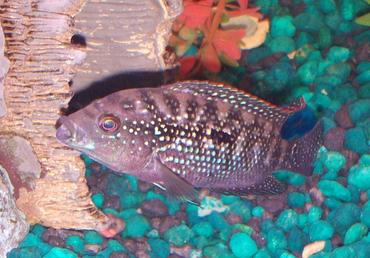
Among the thousands of freshwater fish species available in the aquarium trade, few families command as much fascination, admiration, and passionate debate as cichlids.
Every freshwater aquarium owner eventually faces the dreaded green invasion: patches of slimy algae creeping across the glass, coating decorations, and smothering live aquatic plants.
Freshwater angelfish (Pterophyllum scalare) are one of the most captivating and graceful species in community aquariums, with their tall, flowing fins and curious personalities.
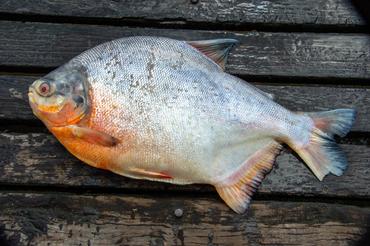
Red Bellied Pacus are among the most fascinating and rewarding fish for freshwater aquarium enthusiasts, but they’re also fish that come with unique needs and challenges.
If you’re diving into the colorful world of freshwater aquariums and want active, charismatic fish that add energy and interest to your tank, few groups deliver like barbs — from the classic Tiger Barb to the dazzling Cherry Barb — but choosing the right barb species for your tank requires more than just picking your favorite color.
There is perhaps no sight more captivating in the aquarium hobby than a tight-knit school of iridescent fish moving in perfect unison across a lushly planted backdrop.
If you’ve ever visited a pet store or aquarium show you may have noticed a group of tough-looking, algae‑eating fish whisking along the glass and decor — the plecostomus.
For many years, the aquarium hobby viewed gobies as the exclusive crown jewels of the saltwater world, often associated with colorful reefs and symbiotic relationships with pistol shrimp.
Breeding freshwater fish is one of the most rewarding milestones in the aquarium hobby, turning a beautiful display tank into a thriving, dynamic ecosystem.
Known as the undisputed "King of the Aquarium," the Discus (Symphysodon) is renowned for its breathtaking coloration, elegant circular shape, and captivating parent-child interactions.
For beginner and intermediate aquarium hobbyists looking to step into the rewarding world of fish reproduction, live-bearing species offer the ultimate entry point into the hobby.
Raising cichlid fry to maturity can be one of the most rewarding experiences for aquarium hobbyists, offering a firsthand glimpse into the fascinating world of fish development.
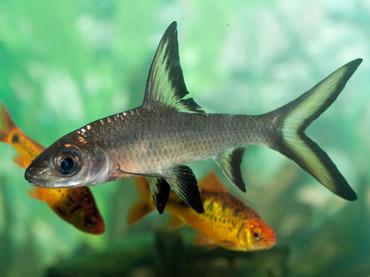
Bala sharks are one of the most striking freshwater fish available to aquarium hobbyists, admired for their torpedo-shaped bodies, shimmering silver scales, and active schooling behavior.