TOP FISH FOR COMMUNITY TANKS
The Foundation of a Successful Community Aquarium
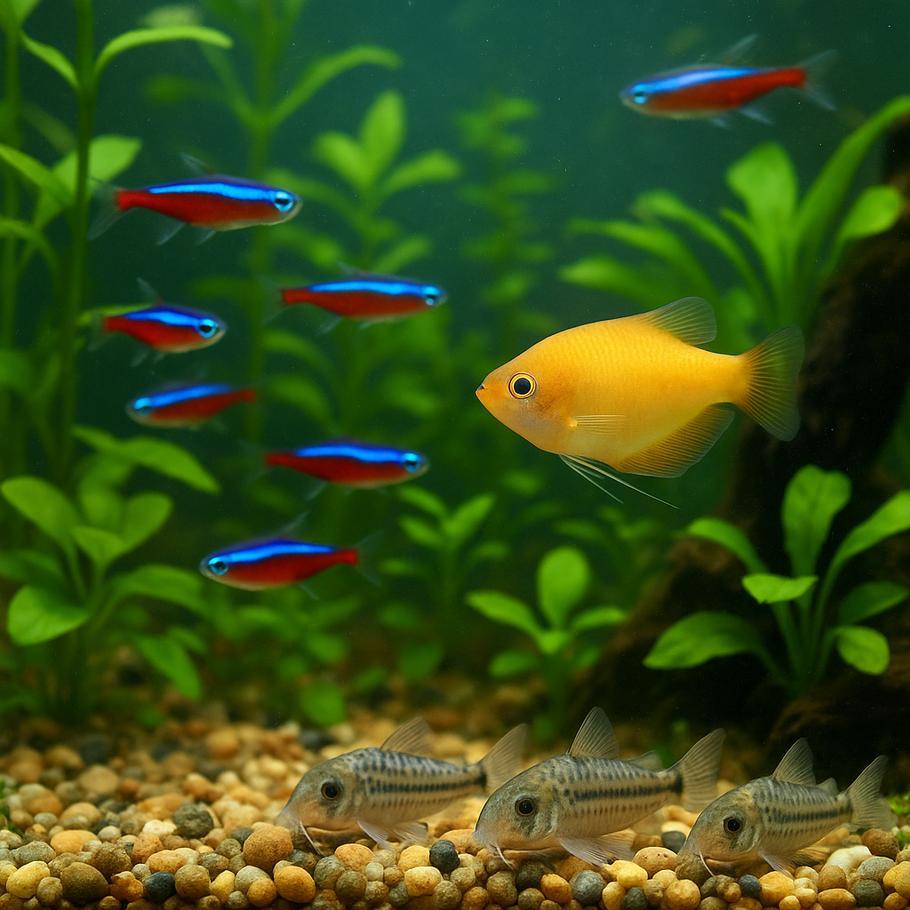
Before diving into specific species, we must address the structural philosophy of a community tank. A "community" isn't just a collection of fish; it is a delicate biological balance. The most common mistake beginners make is choosing fish based solely on aesthetics without considering the ecological niche each species occupies. In the wild, fish have evolved to inhabit specific "strata" or layers of the water column. To minimize competition and stress in an enclosed environment like a glass box, you must replicate this stratification.
A well-planned tank should have a balanced distribution of top-dwellers, middle-swimmers, and bottom-dwellers.
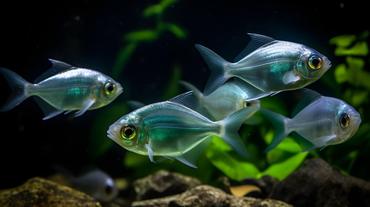
- Top-dwellers, such as Marbled Hatchetfish or Pearl Gouramis, utilize the surface area.
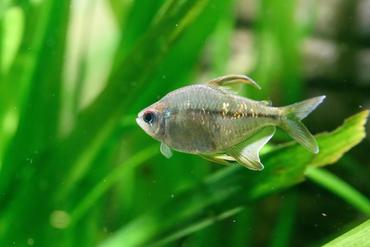
- Middle-swimmers, including the vast majority of Tetras and Rasboras, provide constant movement and color in the open water.
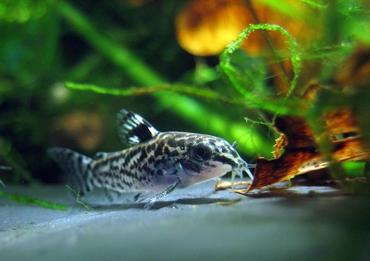
- Bottom-dwellers, like Corydoras or Loaches, act as the cleanup crew, scavenging for missed food and keeping the substrate active.
By spreading your livestock across these zones, you reduce physical confrontations and ensure that the bioload is distributed throughout the tank's filtration capacity.
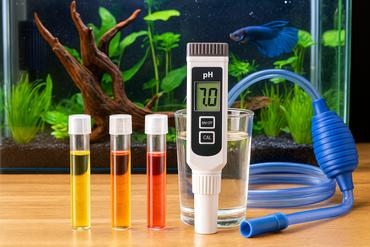
Furthermore, one must consider the "biotype" or environmental requirements. While many fish are adaptable, it is much easier to maintain a tank where all inhabitants share the same preferred pH range, hardness, and temperature. For instance, pairing soft-water Amazonian species with hard-water Central American livebearers can lead to long-term health issues for one of the groups. Always research the water chemistry basics for freshwater aquariums to ensure your parameters are stable and suitable for your chosen community.
Top Schooling Species for Vibrant Mid-Water Movement
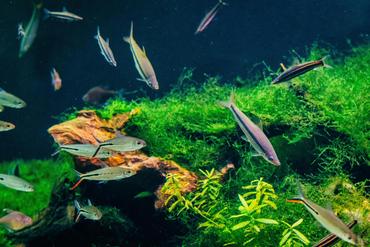
Schooling fish are the lifeblood of a community tank. They provide the rhythmic motion that makes an aquarium feel "alive." For these species, the most important rule is the group size. Most schooling fish should be kept in groups of at least six, though ten or more is preferable. When kept in smaller numbers, these fish often become stressed, hide constantly, or in some cases, become fin-nippers out of insecurity.
Neon and Cardinal Tetras
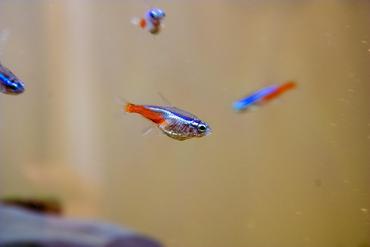
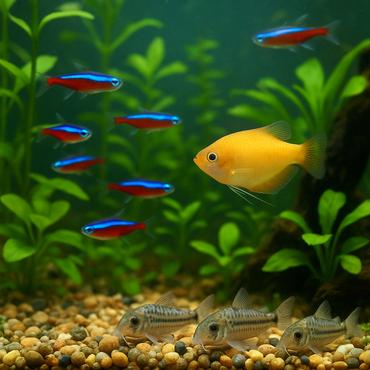
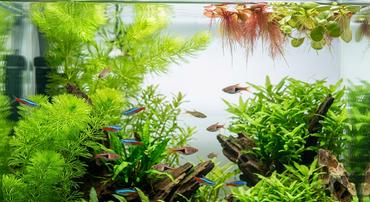
These are the iconic staples of the hobby. Neon Tetras (Paracheirodon innesi) are famous for their blue and red horizontal stripes. They are generally peaceful but require stable water conditions. Cardinal Tetras (Paracheirodon axelrodi) look similar but have a red stripe that runs the full length of their body. Cardinals are often preferred by intermediate keepers as they tend to be slightly hardier and reach a slightly larger size, making them less likely to be eaten by centerpiece fish.
Harlequin Rasboras
Known for their distinct black triangular patch on a copper-colored body, Harlequins are exceptionally peaceful. They are "tight" schoolers, meaning they stay close together, creating a beautiful shimmering effect. They are very hardy and adapt well to a variety of water conditions, making them an ideal choice for someone moving from their first 10-gallon tank to a larger community setup.
Rummy Nose Tetras
If you want true schooling behavior, the Rummy Nose is the undisputed champion. They move in a synchronized pack that looks almost like a single organism. They have a striking red face and a black-and-white checkered tail. Interestingly, they serve as a biological indicator; if their red faces turn pale, it is a sign that the water quality (specifically nitrates or ammonia) is beginning to degrade.
Cherry Barbs
Many Barbs have a reputation for being aggressive "fin-nippers," but the Cherry Barb is the exception. They are shy, small, and beautifully colored—especially the males, which turn a deep ruby red when they are happy or displaying for females. They add a different body shape to the mid-water school and are very respectful of other inhabitants' personal space.
Centerpiece Fish: Adding Personality and Focus
Every great community tank needs a "star"—a fish that is larger or more visually distinct than the schooling groups. The challenge here is finding a centerpiece that has a "personality" without the predatory instincts that usually come with size. Centerpiece fish are often more intelligent and can even learn to recognize their owners at feeding time.
Honey Gourami
For smaller community tanks (20–30 gallons), the Honey Gourami is an elite choice. They stay small (about 2 inches) and have a wonderful golden-yellow color. Unlike their larger cousins, the Three-Spot or Blue Gouramis, Honeys are incredibly docile. They use their long, thread-like pelvic fins to "feel" their surroundings and interact with their tank mates gently.
Pearl Gourami
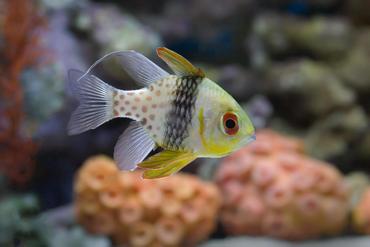
For larger tanks, the Pearl Gourami is a masterpiece of nature. Covered in small, white pearlescent spots with a dark horizontal line and a deep orange throat on males, they are stunning to look at. They are generally peaceful, though they can be shy, so they appreciate a tank with plenty of floating plants to dim the light and provide a sense of security.
Bolivian Ram
While many Cichlids are too aggressive for community tanks, the Bolivian Ram is a fantastic "dwarf Cichlid" option. They are much hardier than the more famous German Blue Rams. They spend their time near the bottom, sifting through sand and displaying subtle but beautiful shades of yellow, red, and blue. They are territorial only when breeding, and even then, they are usually "all bark and no bite" toward larger tank mates.
Angelfish (With Caveats)
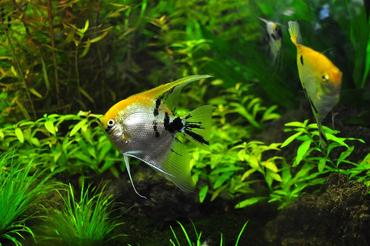
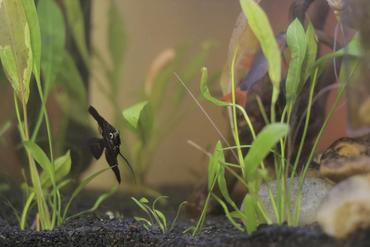
The Freshwater Angelfish is the most popular centerpiece fish in the world. However, they come with a warning. Angelfish are Cichlids and are opportunistic hunters. While they look majestic and graceful, they will eat small Tetras (like Neons) if they can fit them in their mouths. If you want Angelfish in a community, start with young individuals and keep them with "deep-bodied" schooling fish like Bleeding Heart Tetras or Rummy Noses that grow too large to be considered prey.
The Essential Bottom-Dweller and Cleanup Crew
A community tank is an ecosystem, and every ecosystem needs a waste management department. Bottom-dwellers fulfill this role by cleaning up excess food that falls to the substrate, preventing it from rotting and causing ammonia spikes. However, it is a common beginner mistake to assume these fish only eat waste. They require dedicated sinking pellets to thrive.
Corydoras Catfish
Often called "Corys," these are the most popular bottom-dwellers for a reason. They are entirely peaceful, armored against larger fish, and highly active. Watching a group of six or more Bronze or Panda Corys "snuffle" through the sand is endlessly entertaining. They are highly social and must never be kept alone. Note that they require a sand or smooth gravel substrate; sharp gravel can wear down their sensitive barbels (whiskers), leading to infection.
Kuhli Loaches
These look like tiny, striped eels and add a unique "snake-like" movement to the bottom of the tank. They are primarily nocturnal, so you might not see them often during the day, but they are incredibly efficient at finding food hidden in cracks and crevices. They love to hide, so providing caves or dense plants is a must. If you have a soft substrate, you might even see them bury themselves with only their heads sticking out.
Bristlenose Pleco
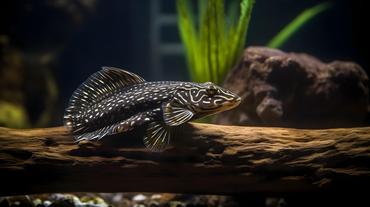
Unlike the "Common Pleco," which can reach two feet in length and produce massive amounts of waste, the Bristlenose (Ancistrus) stays at a manageable 4–5 inches. They are excellent algae eaters and have a fascinating appearance, with males growing elaborate "tentacles" on their snouts. They are peaceful but will appreciate having a piece of driftwood in the tank, as they rasp on it to aid their digestion. To see how they compare to other cleaners, check out our article on the best algae eating fish for your aquarium.
Otocinclus Catfish
If you have a heavily planted tank, the "Oto" is perhaps the best algae eater available. They are tiny, schooling catfish that spend their lives stuck to leaves and glass, cleaning off biofilm and diatoms. Because they are wild-caught and sensitive to water quality, they should only be added to "mature" tanks that have been running for at least 3–4 months.
Compatibility Logistics: Planning for Long-Term Peace
Success in a community tank isn't just about picking "nice" fish; it's about managing the chemistry and physics of the aquarium. Even peaceful fish can become aggressive if they are cramped or if the water temperature is too high, which can speed up their metabolism and increase irritability.
Temperature Sensitivity
This is a frequently overlooked aspect of compatibility. For example, White Cloud Mountain Minnows are often sold as community fish, but they are "sub-tropical" and prefer temperatures between 64°F and 72°F. Most Tetras and Gouramis are tropical, preferring 76°F to 80°F. Keeping them together will either result in the Minnows being stressed by the heat or the Tetras being lethargic from the cold. Always group your fish by their temperature requirements.
The Fin-Nipping Factor
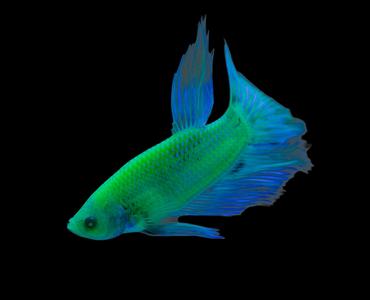
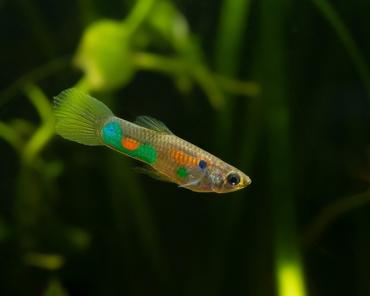
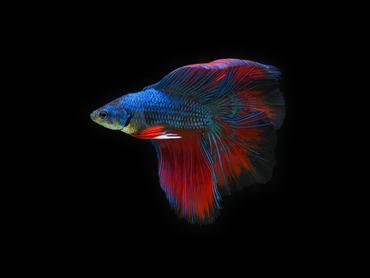
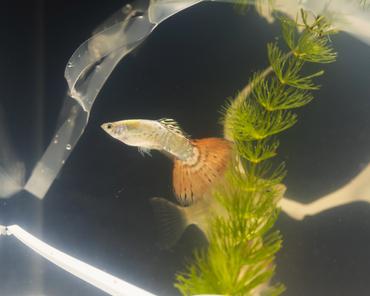
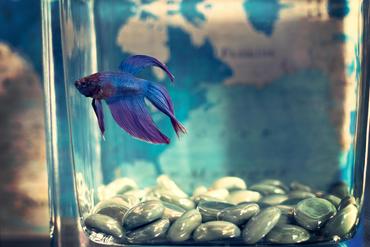
Some species, while not "aggressive" in the sense that they will kill other fish, are "nippy." Tiger Barbs and Serpae Tetras are notorious for this. If you keep these species with long-finned fish like Bettas, Fancy Guppies, or Angelfish, the long fins will be shredded. If you want to keep nippy species, keep them in very large schools (12+) to focus their energy on each other rather than their neighbors.
Size Matters
The golden rule of fish keeping is: "If it fits in the mouth, it is food." A peaceful catfish might not mean to be a predator, but if a tiny fry or a small Neon Tetra swims in front of its mouth at night, it will disappear. Always check the maximum adult size of your fish, not just the size they are at the pet store.
Stocking Density and Filtration
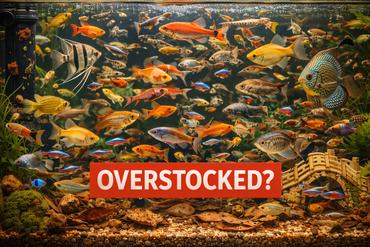
A community tank often looks better when it is well-populated, but overstocking is the fastest way to a crashed tank. High stocking levels require over-sized filtration and more frequent water changes. For intermediate hobbyists, we recommend "under-stocking" the fish and "over-stocking" the plants. This creates a natural buffer for waste and provides a more realistic habitat.
Advanced Techniques: Using Plants and Hardscape for Harmony
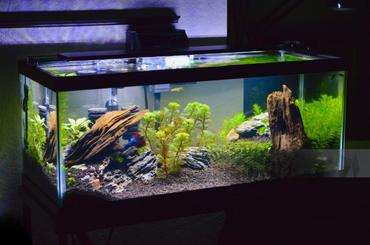
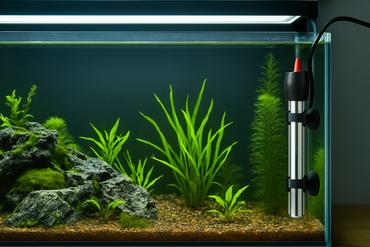
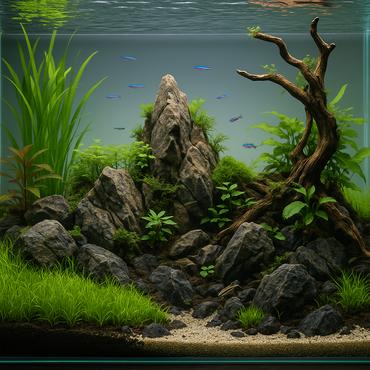
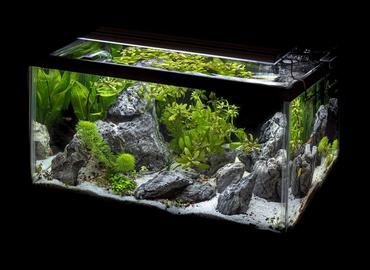
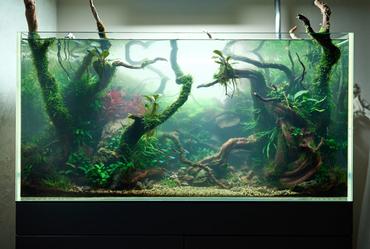
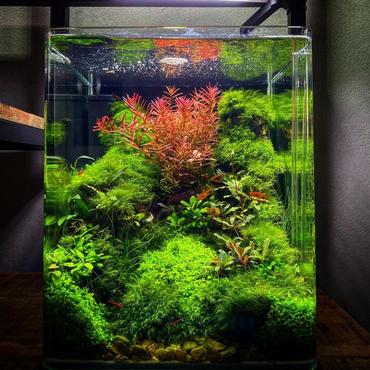
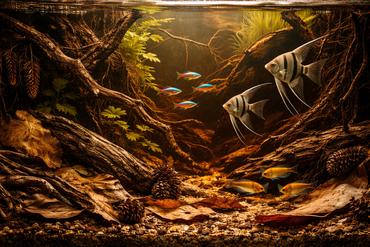
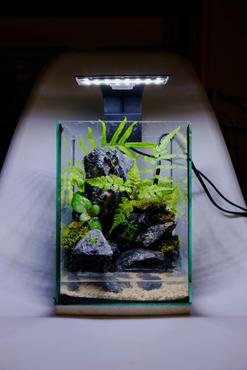
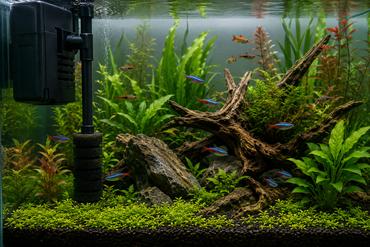
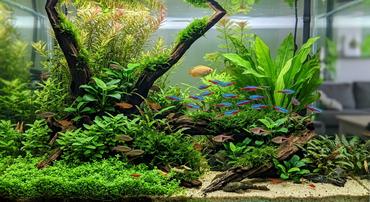
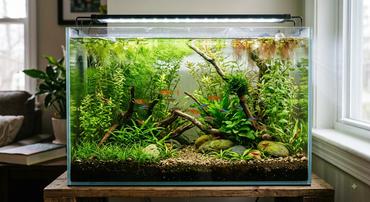
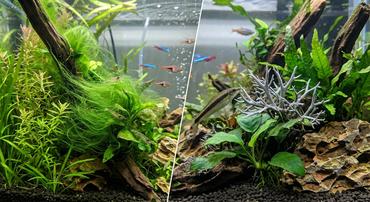
The physical layout of your aquarium, often called "aquascaping," plays a massive role in fish behavior. In a bare tank, fish are constantly in each other's line of sight, which leads to stress. In a well-scaped tank, you provide "visual breaks."
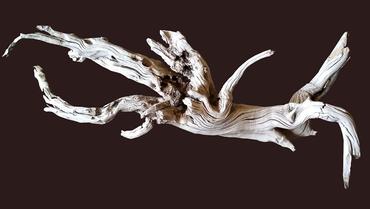
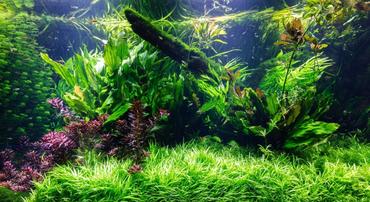
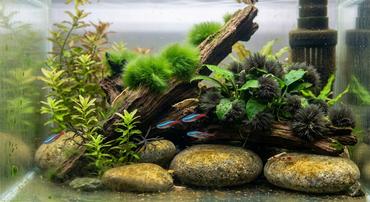
Use tall plants (like Vallisneria or Amazon Swords) to create "rooms" in the aquarium. This allows a bullied fish to move out of the line of sight of a more dominant individual. It also allows different schools of fish to claim certain areas of the tank without feeling the need to defend them. Driftwood and rocks are not just decorative; they provide essential hiding spots for bottom-dwellers and territorial markers for dwarf Cichlids.
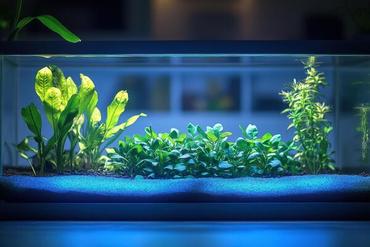
Floating plants, such as Frogbit or Salvinia, are particularly beneficial for community tanks. They provide shade, which many tropical fish prefer, and their long roots provide a playground for top-swimming species. Furthermore, they are incredible at sucking nitrates out of the water, providing an extra layer of safety for your community inhabitants.
Common Beginner Mistakes to Avoid
Even with the best fish selection, certain "newbie" mistakes can derail a community tank quickly. One of the most common is adding too many fish at once. When you add a large group of fish, the beneficial bacteria in your filter cannot adapt fast enough to the sudden increase in ammonia. This leads to "New Tank Syndrome." Always add species one at a time, waiting 1–2 weeks between additions.
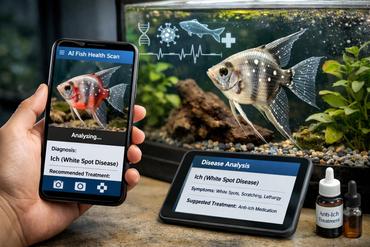
Another mistake is the lack of a quarantine period. It is tempting to bring a new fish home and drop it straight into your beautiful community. However, pet store fish are often stressed and carrying parasites or bacteria. One sick fish can infect your entire 50-gallon community, leading to a heartbreaking loss. A simple 10-gallon quarantine tank for new arrivals can save you hundreds of dollars and hours of stress.
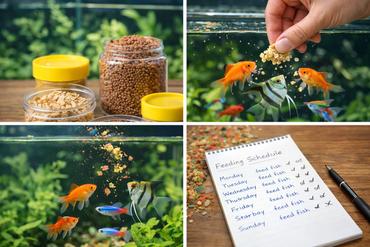
Lastly, pay attention to feeding habits. In a community tank, the fast-swimming Tetras will often eat all the food before it reaches the bottom-dwelling Corydoras or the slower-moving Gouramis. To fix this, use a "multi-level feeding" approach: pinch some flake food and release it under the surface so it sinks for the middle swimmers, and use sinking wafers specifically for the bottom crew. Feed at both ends of the tank simultaneously to ensure the "shy" fish get their share.
Takeaway: Your Journey to a Harmonious Aquarium
Building a top-tier community tank is a blend of science, art, and patience. By prioritizing the needs of the fish over the desires of the owner, you create an environment that is not only beautiful to look at but also a healthy home for your aquatic pets. The best community tanks are those where the hobbyist has researched every inhabitant, provided plenty of cover, and maintained a rigorous cleaning schedule.
Remember, there is no "perfect" set of fish, only the set that works for your specific tank size and water parameters. Start with the "hardy heroes" like Harlequin Rasboras and Corydoras, and as your confidence grows, introduce more sensitive or complex species like Pearl Gouramis or Bolivian Rams. The joy of the hobby is in the learning process and the daily observation of your underwater world.
Ready to take the next step? Check out our detailed species profiles and equipment guides to ensure your community tank has the best possible start. Happy fish keeping!
MOST RECENT ARTICLES