SMART PLANTED TANKS: BUDGET AUTOMATION FOR LIGHTING, CO₂, AND SAFETY
The Foundation of Automation: Smart Plugs and Power Strips
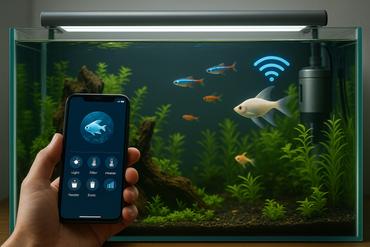
The most significant leap toward an automated aquarium is replacing traditional mechanical timers with Wi-Fi-enabled smart plugs. Mechanical timers are the relics of the hobby; they are prone to ticking noises, they lose their schedule during power outages, and they are notoriously difficult to program for complex cycles. In contrast, smart plugs—controlled via smartphone apps like Tuya, Smart Life, or Kasa—offer precision timing down to the second and integrate with the rest of your home’s digital ecosystem.
For the budget-conscious hobbyist, a smart power strip is often a better investment than individual plugs. These strips allow you to control four to six outlets independently from a single interface. This is vital for managing the different "life support" systems of the tank. For example, you can program your main lights to turn off during the afternoon "siesta" while keeping your filter running 24/7. Furthermore, smart plugs provide energy monitoring features, allowing you to see exactly how much electricity your old T5 fluorescent fixture is drawing compared to a new LED bar.
Individual Device Control
- Assign specific names to each outlet (e.g., "CO2 Solenoid," "Daylight," "Moonlight") to avoid confusion during manual overrides.
Sunrise and Sunset Simulation
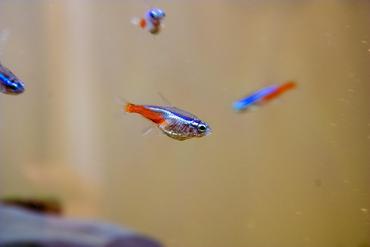
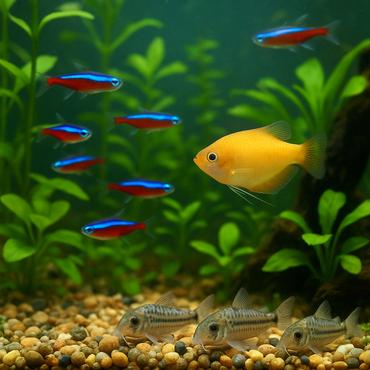
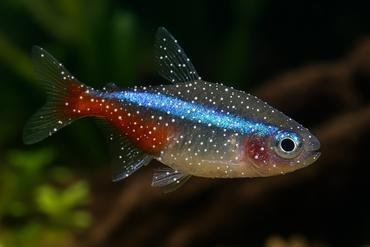
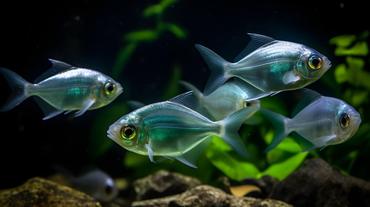
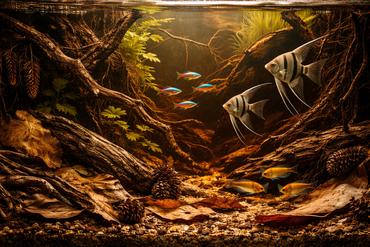
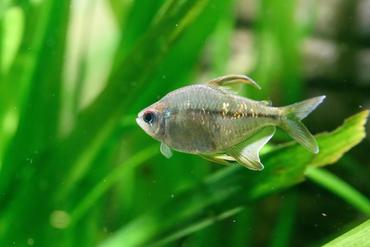
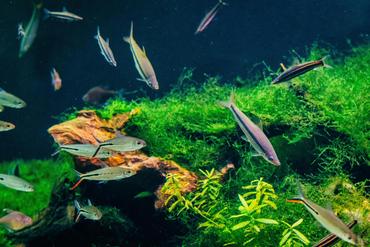
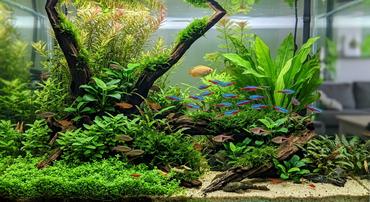
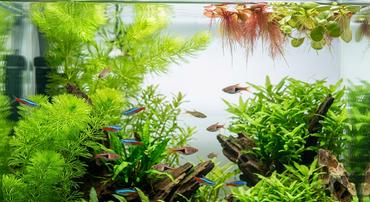
- While budget LEDs might not have built-in dimming, you can stagger multiple light fixtures to turn on 30 minutes apart. This mimics a natural light cycle and reduces the "startle response" in sensitive species like Cardinal Tetras or Harlequin Rasboras, which may jump or hide when lights suddenly blast on.
Remote Access and Troubleshooting
- If you are stuck at work and realize you left the "high-output" lights on manually, you can kill the power remotely to prevent a massive algae bloom.
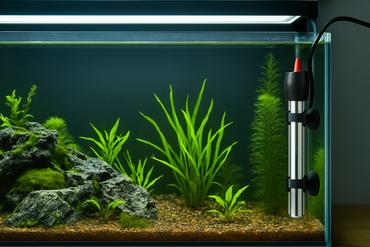
A common beginner mistake is plugging the aquarium heater into a cheap smart plug without a dedicated temperature controller. While smart plugs are great for lights, they should never be the primary safety shut-off for heaters unless they are part of a logic-based routine involving a secondary probe. Relying on a $10 plug to prevent your fish from boiling is a risk no hobbyist should take.
Precision Lighting for Optimal Photosynthesis
Lighting is the engine of the planted tank. Photosynthesis is a chemical process that requires consistency, and automation allows you to find the "sweet spot" by implementing a rigid photoperiod. In a high-tech setup, you aren't just turning lights on; you are managing a biological clock. Many successful hobbyists use a "siesta" schedule: four hours of light, a two-hour blackout period in the middle of the day, and then another four hours of light. This break allows CO2 levels to recover and disrupts the growth cycle of certain algae species.
When selecting budget lighting for automation, look for "dumb" LED bars that feature a physical on/off toggle switch. These are ideal because they "remember" their state; when the smart plug cuts the power and then restores it, the light immediately turns back on. Smart lights with built-in Bluetooth apps are often more difficult to automate with external plugs because they default to "off" after a power cut. For those interested in the science behind light intensity, understanding lighting requirements for a planted tank is essential before you start programming your timers.
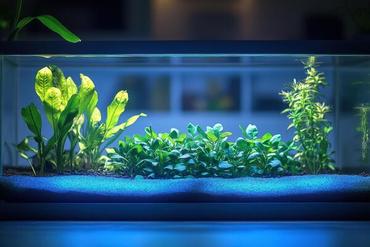
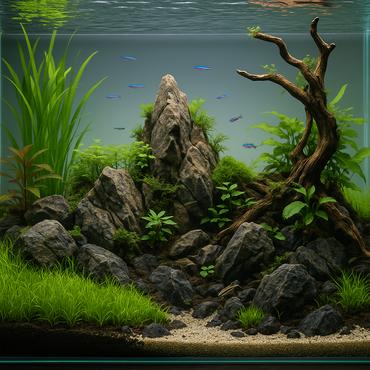
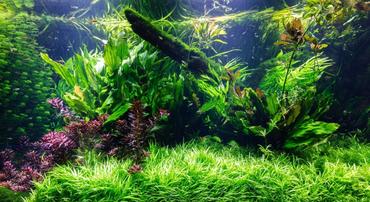
Consider the needs of your specific flora. For mid-ground plants like Cryptocoryne or foreground carpets of Micranthemum 'Monte Carlo', consistency is far more important than raw intensity. If your lights fluctuate by even an hour each day, you may see "melting" in sensitive plants. Smart automation ensures that your plants receive the exact same "food" at the exact same time every day, which is the number one secret to professional-looking aquascapes that look like they belong in a competition.
Budget CO2 Automation and Stability
Carbon dioxide is the most volatile and dangerous element in a planted aquarium. If you are using a pressurized CO2 system, a smart plug connected to your solenoid valve is a non-negotiable safety and efficiency tool. Plants only consume CO2 during the day when lights are active; at night, they respire, consuming oxygen and releasing CO2. If you leave your CO2 running 24/7, you risk suffocating your fish and causing a massive pH swing that can crash your cycle.
The Lead Time Rule
- Program your CO2 to turn on 60 to 90 minutes before the lights. This allows the gas to saturate the water column so it is available at peak concentration the moment photosynthesis begins.
Evening Safety Cut-off
- Set the CO2 to turn off one hour before the lights go out. This ensures that the excess gas is either "gassed off" through surface agitation or consumed by the plants before the fish begin their nighttime respiration cycle.
Species Sensitivity
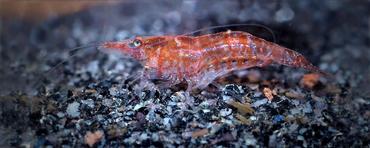
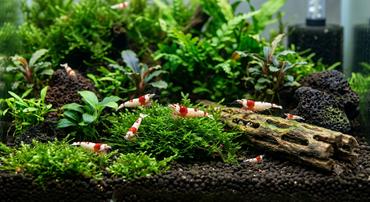
- High-value livestock, such as Crystal Red Shrimp or Blue-Eye Rainbowfish, have very narrow tolerances for pH shifts. Automation prevents the "end of tank dump" (where a CO2 tank empties quickly as pressure drops) from becoming a catastrophe.
If you are transitioning from a low-tech setup, you will notice that your plants grow 3-5 times faster with CO2. This means they will also strip the water of nutrients like Nitrate, Phosphate, and Potassium much more quickly.
Safety First: Leak Detection and Temperature Monitoring
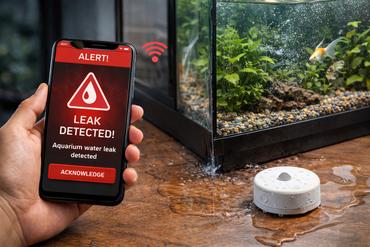
The "Smart" in smart tanks isn't just about fostering growth; it is about disaster prevention. For less than $20, you can add a Wi-Fi water leak sensor to the base of your aquarium cabinet. These small, battery-operated devices sit on the floor or near your canister filter. If a seal fails or a hose pops loose, the sensor sends an immediate push notification to your phone. In the world of aquariums, a leak detected in five minutes is a minor mop-up; a leak detected after eight hours at work is a ruined floor and a dead ecosystem.
Another critical budget tool is the Wi-Fi thermometer. These devices provide a real-time read of your water temperature and allow you to set "High" and "Low" alerts. Most aquarium heaters fail in the "on" position, effectively turning into immersion heaters that can cook your fish. With a smart sensor, you can receive an alert the second the water hits 82°F (for a tropical tank). If you have integrated your smart home devices, you can even set an automation: "If Temperature Sensor > 83°F, then turn off Smart Plug: Heater." This level of redundancy was once only available in systems like the Neptune Apex, which costs hundreds of dollars.
Livestock Compatibility and Care Considerations
While automation makes life easier, it changes the dynamics of the tank. When you automate lighting and CO2, you are essentially "speeding up" the biological engine of the aquarium. This has specific implications for your fish and invertebrates. For instance, fast-growing plants might consume all the available nitrogen, leaving nothing for the beneficial bacteria or causing "stunting" in plants. You must remain a keen observer of your tank’s inhabitants.
Regarding livestock, consider the following compatibility tips for high-tech automated tanks:
The Oxygen Paradox
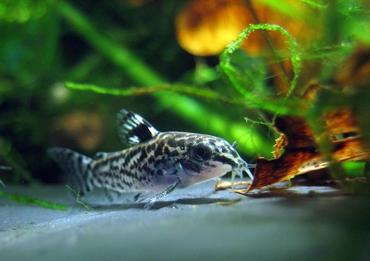
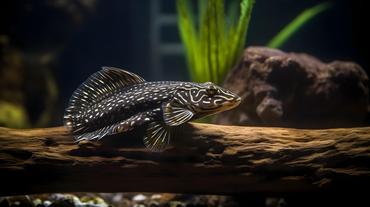
- High CO2 levels can lower available O2, especially in warmer water. If you automate CO2, use a second smart plug to trigger an air stone or a surface skimmer at night. This ensures that fish like Corydoras or Bristlenose Plecos, which spend time at the bottom where CO2 can settle, have plenty of oxygen.
Algae Eaters as Fail-safes
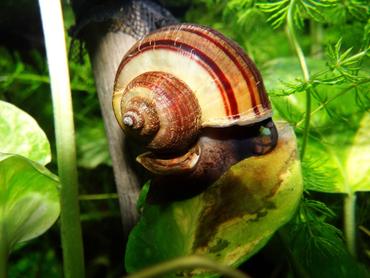
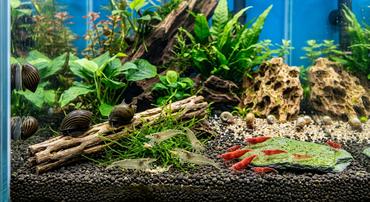
- Even with perfect automation, some algae is inevitable during the "dialing in" phase. Incorporating Otocinclus Catfish, Amano Shrimp, or Nerite Snails provides a biological buffer that cleans up minor errors in your lighting schedule.
Maintenance Windows
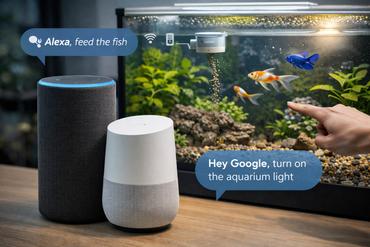
- One of the best uses of smart technology is the "Maintenance Mode" scene. With one tap on your phone or a voice command to a smart speaker, you can turn off the filter, heater, and CO2 all at once. This prevents burning out your heater when the water level drops during a water change.
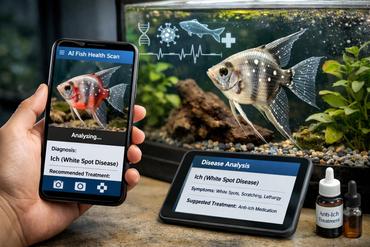
A frequent error is over-automating to the point of "tank blindness." Just because your lights turn on by themselves doesn't mean you should stop looking at your fish. Automation is a tool to provide stability, but it cannot replace the importance of regular water changes and the physical inspection of your fish for signs of Ich, velvet, or stress-related behavior.
The DIY Auto-Doser: Advanced Budget Automation
Once you have mastered lighting and CO2, the next frontier is fertilization. Many intermediate hobbyists find that manual daily dosing of fertilizers like Seachem Flourish or specialized "estimative index" (EI) mixes is the part of the hobby they forget most often. While professional dosing pumps cost upwards of $150, you can create a budget version using a 12V DC perishing pump and a smart plug.
By connecting a small dosing pump to a smart plug that allows "inching" or "duration" settings, you can program the pump to run for exactly 5 or 10 seconds every morning. This delivers a precise milliliter dosage of nutrients directly into the tank. This level of consistency prevents the "feast or famine" nutrient cycle that often triggers BBA (Black Brush Algae) outbreaks. However, accuracy is key; you must calibrate your pump by measuring how much liquid it moves in 10 seconds and adjusting your app's timer accordingly. This DIY approach brings high-end Dutch-style aquarium maintenance within reach of the average hobbyist.
Managing Water Parameters with Automated Testing Alerts
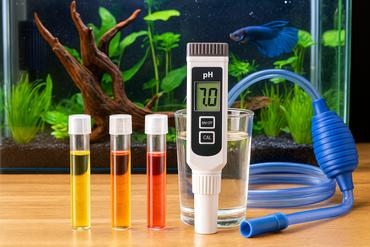
While we aren't yet at the point where a $10 sensor can accurately test Nitrate or Phosphate via Wi-Fi, you can use "smart reminders" to bridge the gap. Using apps like "Aquarium Note" or even simple recurring reminders on your phone integrated with your smart home hub can prompt you to perform a weekly parameter check. Consistency in testing is just as important as consistency in lighting.
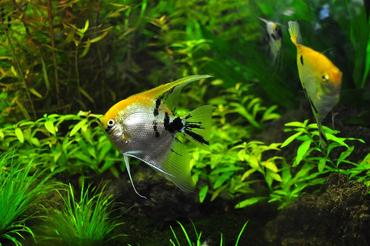
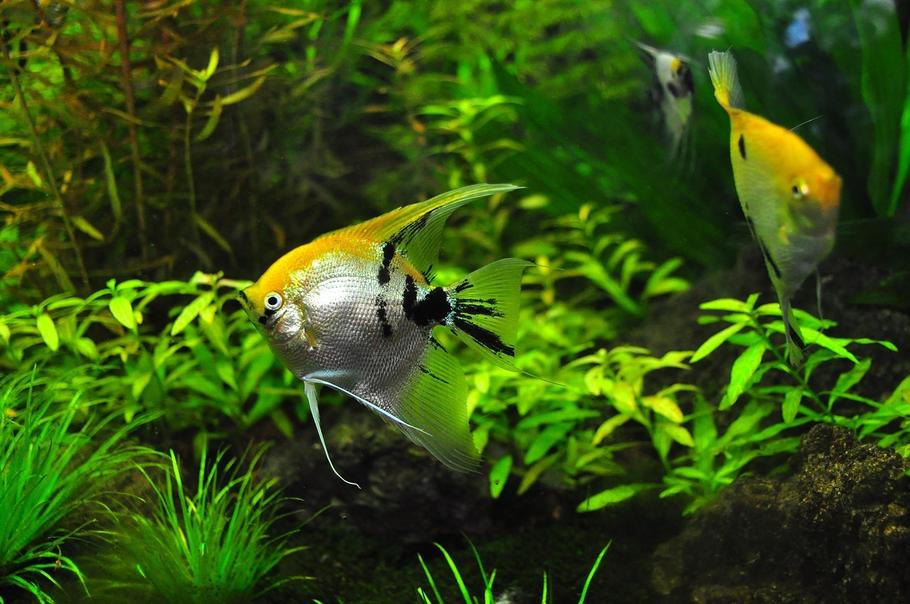
If you notice that your pH is consistently dropping due to the automated CO2, you may need to automate a buffer. Some hobbyists use a smart plug to trigger a small pump that drips a KH-buffer solution if their digital pH probe (linked to a smart hub) detects a drop below a certain threshold. This "if-this-then-that" (IFTTT) logic is the pinnacle of the budget smart tank, allowing for a self-correcting ecosystem that protects sensitive fish like Discus or Wild-caught Angelfish from sudden environmental shifts.
The Ecological Impact of Smart Aquariums
Beyond the health of your fish, automation makes your hobby more sustainable. Traditional aquarium equipment is often left running longer than necessary, wasting electricity and shortening the lifespan of expensive bulbs and heater elements. By using energy-monitoring smart plugs, you can identify "energy hogs" in your setup. For instance, you might find that your old powerhead is drawing significantly more power than a modern DC wavemaker. Over a year, the electricity saved by precisely timing your lights and CO2 can often pay for the cost of the smart plugs themselves.
Furthermore, the stability provided by automation reduces the "turnover" of plants and fish. In a non-automated tank, a single weekend getaway where a light is left on can result in a total loss of plants to algae or fish to heat. By reducing the frequency of "tank crashes," we reduce the demand for wild-caught replacements and promote a more ethical, long-term approach to the hobby.
Common Pitfalls: What to Avoid
As you build your smart tank, keep these three warnings in mind.
-
Wi-Fi Dependency: If your internet goes out, does your schedule still work? High-quality smart plugs like those from Kasa store their schedules locally on the device, meaning they will still turn the lights off even if the Wi-Fi is down. Cheaper, "cloud-only" plugs will fail. Always test this by unplugging your router and seeing if your lights still trigger.
-
The "Too Many Apps" Syndrome: Try to stay within one brand ecosystem. If your leak sensor is on one app, your lights on another, and your thermometer on a third, you won't be able to make them talk to each other. Stick to devices that are "Matter" or "Zigbee" compatible, or those that function within the Tuya/Smart Life ecosystem for maximum interoperability.
-
Neglecting Mechanical Backup: Always have a manual "fail-safe." For example, even if you have a smart temp sensor, keep a standard glass thermometer inside the tank where you can see it at a glance. Technology is a supplement to your husbandry, not a replacement for your eyes and ears.
Summary of Budget Smart Tank Benefits
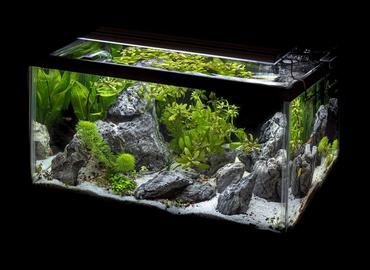
Building a smart planted tank on a budget is about working smarter, not harder. By using generic smart home hardware, you can achieve nearly the same functionality as high-end aquarium controllers at a fraction of the cost. The precision provided by these tools leads to fewer algae outbreaks, healthier plant respiration, and a much safer environment for your fish. You gain the freedom to travel without worrying about your tank, and your fish gain the stability of an environment that mimics the natural rhythms of the wild.
Takeaway: Embracing the Future of Fishkeeping
The transition to a smart aquarium does not have to happen all at once. Start with a simple smart plug for your lighting, then move to CO2 automation, and finally add safety sensors as your budget allows. The goal of automation is to remove the "human error" factor, such as forgetting to turn off the CO2 or failing to notice a temperature spike. By stabilizing the environment, you allow your plants and fish to truly flourish rather than just survive.
Are you ready to take your aquascaping to the next level? Consistency is the bridge between a struggling tank and a masterpiece. Start automating today, and spend more time enjoying the view and less time fiddling with plugs and timers. For more expert advice on equipment and livestock, explore our extensive library of guides and community galleries here at RateMyFishTank.com. Whether you are a beginner or a seasoned pro, there is always something new to learn in the ever-evolving world of aquarium technology.

MOST RECENT ARTICLES