BEST FISH FOR A 10 GALLON TANK WITH PLANTS
Best Fish for a 10 Gallon Tank with Plants
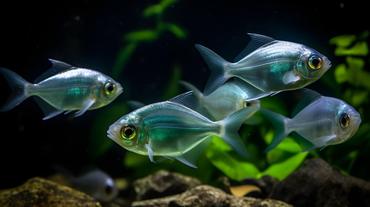
Tetras Neon
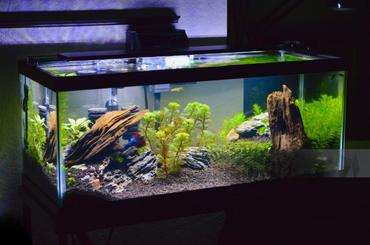
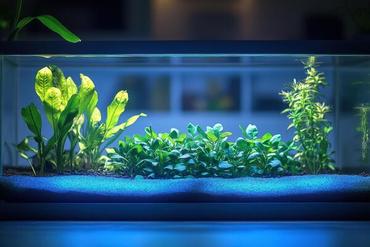
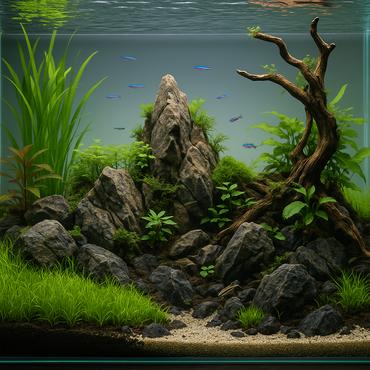
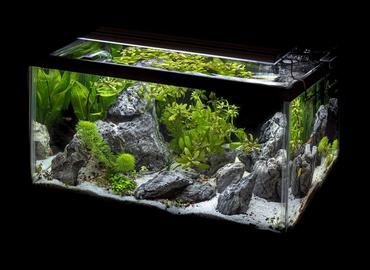
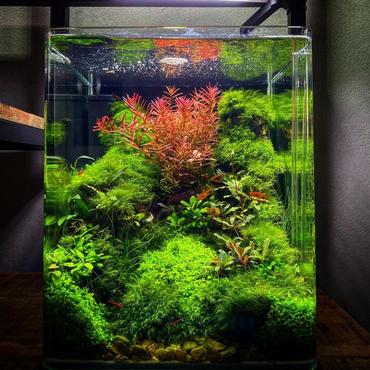
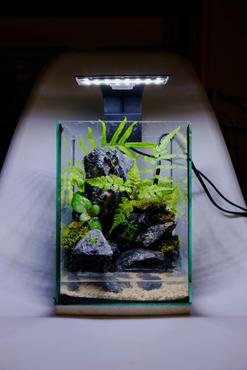
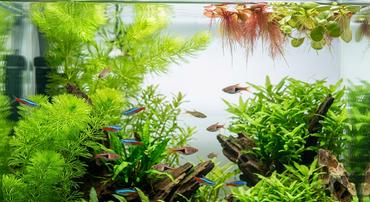
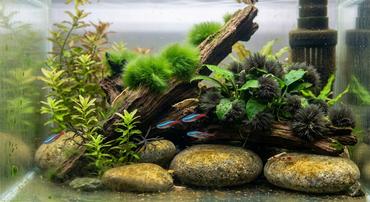
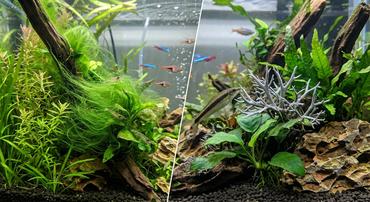
Setting up a 10-gallon planted aquarium is one of the most rewarding projects a hobbyist can undertake, offering a perfect slice of nature that fits comfortably on a desk or side table. However, the small water volume of a "nano" tank means that your choice of inhabitants is critical; the right fish will thrive alongside your greenery, while the wrong ones can quickly lead to overstocking issues or uprooted plants. To help you create a thriving underwater garden, we have compiled an exhaustive guide to the best fish species that not only stay small enough for a 10-gallon footprint but also appreciate the shelter, stability, and water quality that live plants provide. By understanding the delicate balance between biomass and filtration, you can transform a simple glass box into a sophisticated, self-sustaining ecosystem that showcases the beauty of the aquatic world.

The Benefits of Combining Live Plants with Nano Fish

In a 10-gallon environment, every drop of water counts toward the health of your pets. Live plants are not just aesthetic decorations; they act as a natural biological filter, absorbing nitrates, phosphates, and carbon dioxide while oxygenating the water. This creates a more stable environment for your fish, which is particularly important in smaller volumes where water chemistry can shift rapidly due to minor errors in feeding or maintenance. When you integrate plants into a 10-gallon tank, you are essentially building a safety net that protects your fish from the toxicity of their own waste.

  • Natural Enrichment and Stress Reduction: Plants provide vital hiding spots and territorial boundaries. In a sparse tank, small fish often feel exposed to predators, leading to chronic stress and a weakened immune system. In a planted tank, they feel secure, leading to more vibrant colors and active behaviors.
  • Algae Control through Competition: Healthy plant growth competes with algae for light and nutrients. By stocking your tank with fast-growing stems, you starve out nuisance algae, keeping your glass, substrate, and decorations much cleaner.
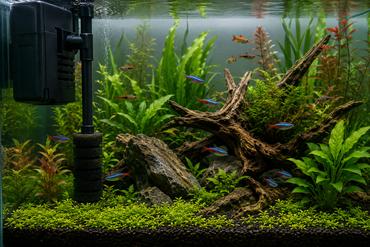
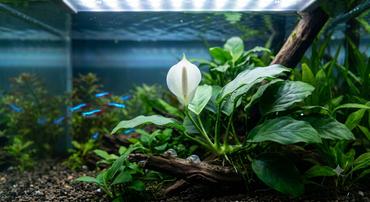
  • Enhanced Visual Depth: Using plants like Java Fern, Anubias, and various mosses adds a sense of scale. Through clever aquascaping—placing smaller plants in the front and larger ones in the back—you can make a modest 10-gallon tank appear like a deep, sprawling riverbed.
  • Oxygenation: During the day, plants undergo photosynthesis, pumping pure oxygen into the water column. This ensures that even during the warmer summer months when water holds less oxygen, your fish remain comfortable and energetic.

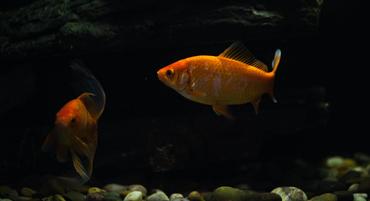
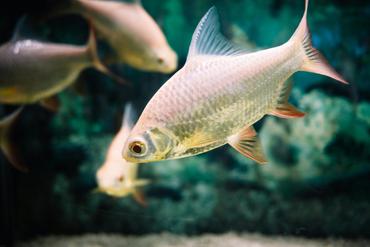
When selecting fish for this specific setup, you want species that won't see your hard work as a salad bar. Avoid large cichlids, silver dollars, or goldfish, which are notorious for uprooting or eating delicate aquascapes. Instead, focus on "nano" species that have a low bioload and a peaceful temperament. The goal is to create a community where the flora and fauna work in harmony, rather than in competition.


Top Schooling Fish for Planted 10-Gallon Setups

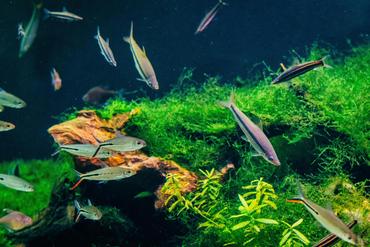
Schooling fish bring movement, rhythm, and vibrant color to the mid-water levels of your tank. In a 10-gallon space, horizontal swimming room is limited, so you should aim for a single school of 6 to 10 individuals depending on the species size. A group ensures the fish feel secure, as their natural instinct is to find safety in numbers. Without a school, these species often become "dither fish," hiding away and losing their appetite.

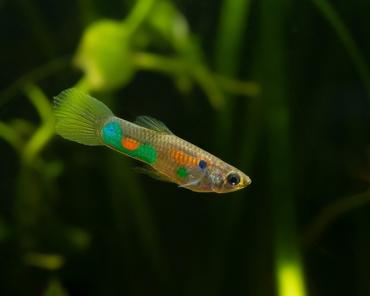
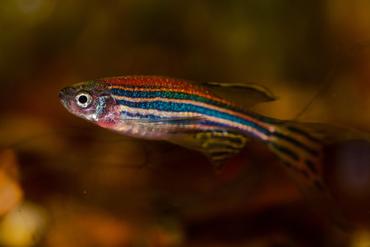
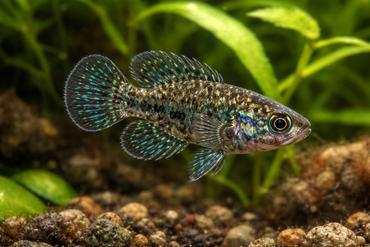
  • Celestial Pearl Danios (CPDs): These stunning fish look like miniature trout with deep blue bodies and bright orange spots. They are somewhat shy and thrive best in heavily planted tanks where they can dart between stems. They are the "crown jewels" of the nano hobby and rarely exceed one inch in length.
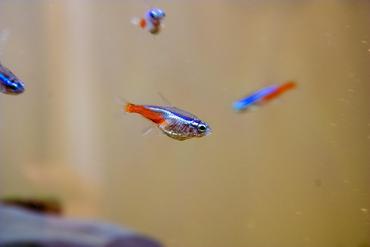
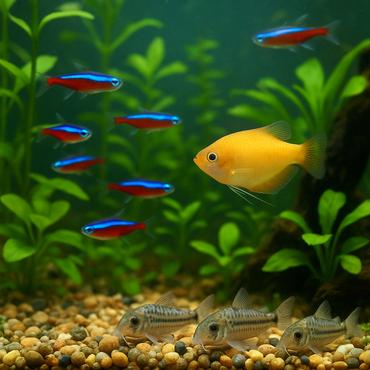
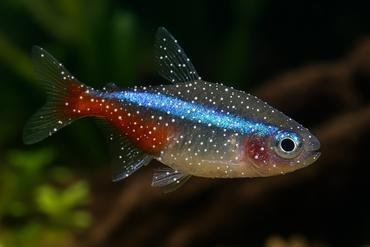
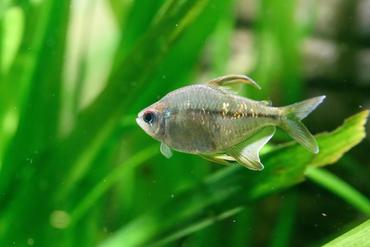
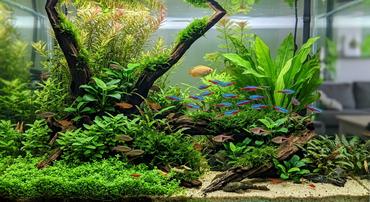
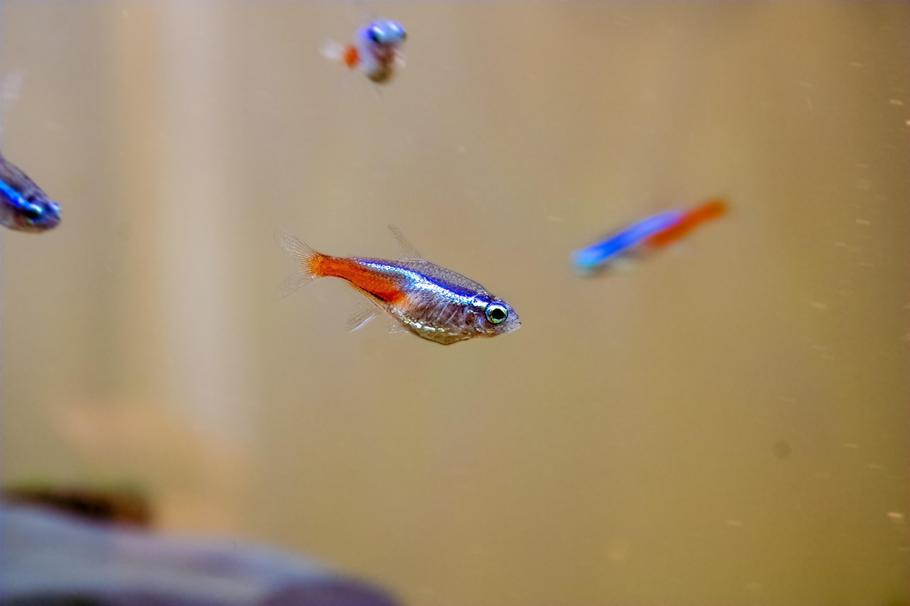
  • Neon Tetras: A classic choice that never goes out of style. Their electric blue and red stripes pop beautifully against a dark green backdrop. However, it is vital to ensure your tank is fully cycled, as Neons can be sensitive to fluctuations in water quality. They are active swimmers and will utilize every inch of the 20-inch length of a standard 10-gallon tank.
  • Ember Tetras: These fiery orange fish stay exceptionally small, rarely exceeding 0.8 inches. Because of their tiny size, their bioload is minimal, allowing you to keep a slightly larger group of 8 to 10. A group of Embers moving through a forest of fine-leaved plants like Rotala or Cabomba is one of the most aesthetic sights in the hobby.
  • Harlequin Rasboras: Known for their distinct black "lamb-chop" shape, these are incredibly hardy and peaceful. They are excellent for beginners learning the ropes of freshwater aquarium maintenance because they can tolerate a wider range of water parameters than more delicate tetras.
  • Chili Rasboras (Boraras brigittae): These are truly tiny fish, often reaching only 0.5 to 0.7 inches. Their ruby-red color is unmatched. Because they are so small, they are perfect for high-end aquascapes where you want the plants to look massive in comparison to the fish.

One common mistake beginners make is mixing too many different schooling species in a small volume. In a 10-gallon tank, a "species-only" school looks much more intentional and professional than two or three lonely pairs of different fish. A single large school of Ember Tetras creates a much more dramatic visual impact and allows the fish to display their natural schooling synchronized swimming behavior.


Feature Fish: Adding a Centerpiece to Your Nano Tank

While schooling fish provide movement, a "centerpiece" fish provides personality and a focal point for the viewer. In a 10-gallon planted tank, you need a fish that is visually striking but small enough that it won't feel cramped. Unlike schooling fish, centerpiece fish are often kept as individuals or in pairs.

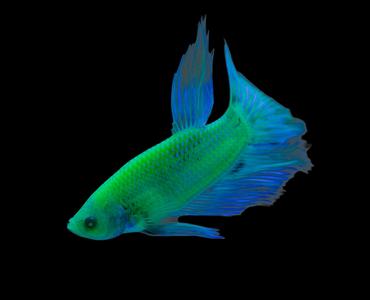
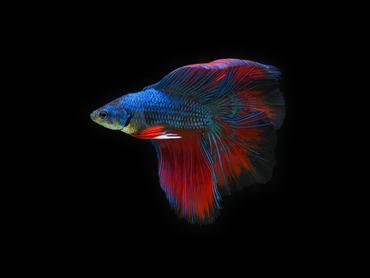
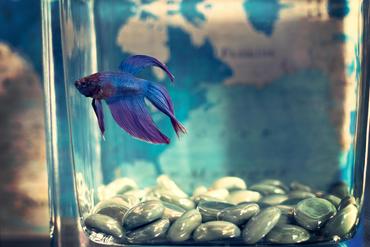
  • Betta Splendens: The Betta is arguably the most popular 10-gallon resident. A long-finned Betta will appreciate the slow flow of a planted tank and will frequently use broad-leafed plants like Amazon Swords or Anubias as "hammocks" to rest near the surface. While they are often kept alone, a peaceful Betta can sometimes share a 10-gallon tank with hardy snails or shrimp if the personality allows.
  • Honey Gourami: Unlike their larger, more aggressive cousins (like the Blue or Gold Gourami), Honey Gouramis are peaceful and stay around two inches. Their soft sunset-orange or lemon-yellow hue contrasts beautifully with deep green mosses. They are intelligent fish that use their modified pelvic fins like "feelers" to touch and explore their environment.
  • Sparkling Gourami: These are tiny, iridescent jewels that grow to just 1.5 inches. They possess a stunning "oil-slick" shimmer under good aquarium lighting. They are famous for producing a unique clicking or "croaking" sound when happy or during courtship. They love the cover of floating plants like Frogbit or Salvinia, which help diffuse the light.
  • Scarlet Badis: For the intermediate hobbyist, the Scarlet Badis is a masterpiece of evolution. These fish behave much like tiny cichlids, defending a small territory among the plants. They are bright red with neon blue stripes. Be warned, however: they are notoriously picky eaters and often require live or frozen foods like daphnia or baby brine shrimp.

When choosing a centerpiece, consider the "flow" of your tank. Bettas and Gouramis are labyrinth breathers, meaning they breathe air from the surface. They prefer low-flow environments because a strong current makes it difficult for them to swim and can cause them to become exhausted. If your filter output is too strong, consider using a sponge filter or a flow deflector to create the calm waters these fish crave.


Bottom-Dwellers and the Planted Tank Clean-Up Crew

No planted tank is complete without inhabitants that occupy the lower strata. These fish and invertebrates help sift the substrate, clean organic debris from plant leaves, and add activity to the bottom of the tank. However, it is a myth that these animals "eat poop"—they require their own dedicated diet to remain healthy.

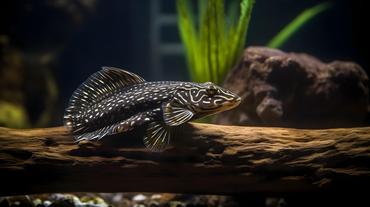
  • Otocinclus Catfish: Often called "Otos," these are widely considered the best algae-eating fish for small tanks. They are social, so you should keep a group of at least three. They have a specialized mouth designed to rasp algae off the leaves of plants without damaging the foliage. They are quite delicate, however, and should only be added to a mature tank that already has established algae growth to sustain them.
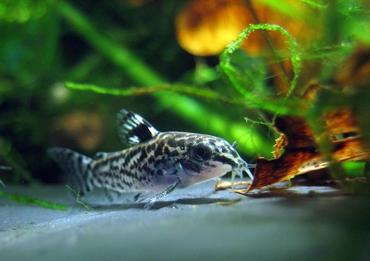
  • Pygmy Corydoras: Most Corys get too large for a 10-gallon, but the Pygmy Cory (Corydoras pygmaeus) is the exception. They grow to less than an inch and are incredibly social. Unlike other Corys that stick strictly to the sand, Pygmies spend a lot of time hovering in mid-water or "perching" on leaves like little birds.
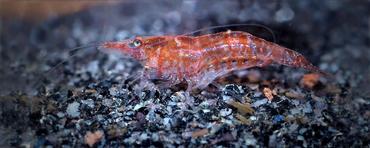
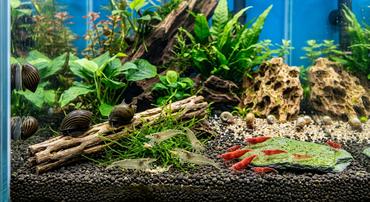
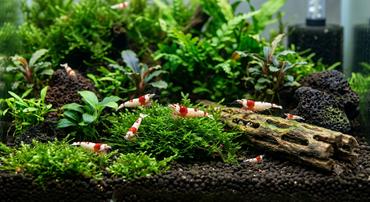
  • Dwarf Shrimp (Neocaridina): While not fish, Cherry Shrimp are staples of the planted tank hobby. They have a negligible bioload and will spend 24 hours a day cleaning fine-leaved plants like Java Moss. Their bright red color looks spectacular against the green, and in a 10-gallon tank, you can easily maintain a colony of 20 to 40 individuals alongside small fish.
  • Amano Shrimp: If you have a serious algae problem, Amano shrimp are the heavy lifters. They are larger and more ravenous than Cherry shrimp. They are excellent for consuming hair algae that most fish won't touch.
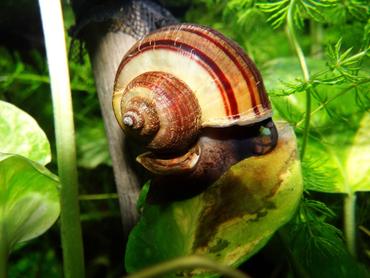
  • Nerite Snails: These snails are the "bulldozers" of the algae world. They will clean your glass and hardscape until it shines. A major benefit of Nerites is that they cannot reproduce in freshwater, so you don't have to worry about a snail population explosion.

Substrate choice is critical when keeping bottom-dwellers. Rough, large-grade gravel can damage the sensitive barbels (whiskers) of Corydoras, leading to infections. A smooth sand or a specialized "active" plant soil is much safer. For a deep dive into how your base layer affects your ecosystem, see our guide on choosing the right substrate.

Compatibility, Bio-Load, and Small-Tank Care

The biggest challenge of a 10-gallon tank is its lack of "buffer." In a 55-gallon tank, a dead fish or a bit of overfeeding might go unnoticed by the water chemistry. In a 10-gallon tank, that same mistake can cause an ammonia spike that kills everything within 24 hours. Success comes down to discipline and careful selection of compatible roommates.

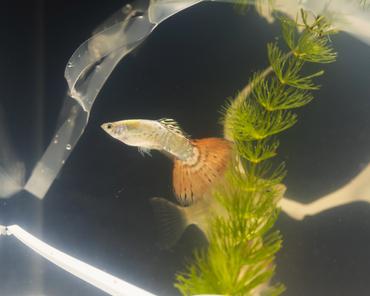
The "One Inch Per Gallon" Myth: This is an outdated rule that often leads to disaster. It does not account for the activity level or waste production of the fish. A 10-inch fish in a 10-gallon tank is impossible, but even ten 1-inch fish can be too much if they are high-waste producers like Guppies. Instead, focus on the "bioload"—the amount of waste a fish produces relative to the tank's filtration capacity. A heavily planted tank can handle a slightly higher bioload than a plastic-decorated tank, but you should still aim for a conservative stocking level.

Vertical Space and Zoning: To maximize your 10-gallon tank, choose fish that occupy different zones. For example, a group of 3 Otocinclus (bottom), 8 Ember Tetras (middle), and 1 Honey Gourami (top) utilizes the entire water column without any one area becoming overcrowded. This "zoning" reduces territorial disputes and makes the tank look more balanced.

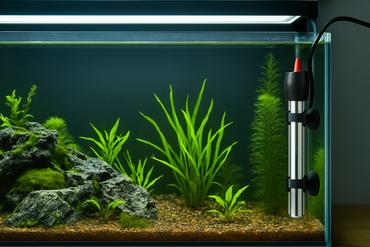
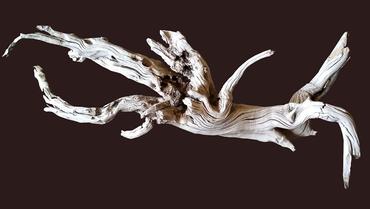
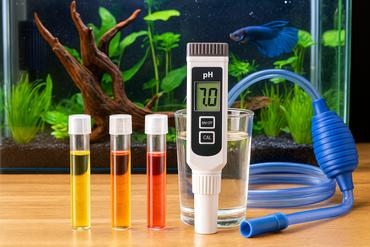
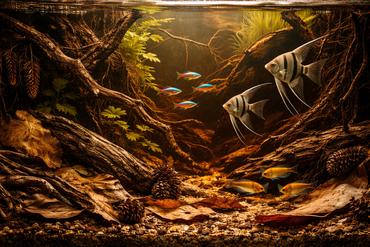
Water Parameters: Most of the nano fish mentioned here are tropical and require a stable temperature between 75°F and 80°F (24°C–27°C). Because 10 gallons of water loses heat quickly, a reliable, adjustable heater is essential. Furthermore, many of these species come from blackwater or soft-water environments in the wild. The tannins released by driftwood and the CO2 absorption by plants naturally help keep the pH in the slightly acidic range (6.5–7.0) that these fish prefer.

The Importance of Filtration: While plants help, you still need a filter. For a 10-gallon planted tank, a sponge filter or a small Hang-On-Back (HOB) filter is usually sufficient. Avoid "powerheads" or high-flow filters that will blow your plants over and stress out small fish like Bettas or Rasboras. Look for a filter that allows you to adjust the flow rate.

Common Beginner Mistakes in 10-Gallon Systems

Even the most enthusiastic beginner can run into trouble if they don't respect the limitations of a small aquarium. One of the most common errors is the "impulse buy." You see a beautiful fish at the store, the clerk says it’s fine for a 10-gallon, and you bring it home only to realize it’s a juvenile Oscar or a Bala Shark that will grow to a foot long. Always research the adult size of a fish before purchasing.

Skipping the Nitrogen Cycle: This is the most lethal mistake. You must allow your tank to "cycle"—a process where beneficial bacteria grow in your filter to convert toxic ammonia into less harmful nitrates—before adding fish. This typically takes 4 to 8 weeks. Adding fish to an uncycled 10-gallon tank almost always results in "New Tank Syndrome," where fish die from ammonia poisoning. Understanding the importance of the nitrogen cycle is the single most important step in becoming a successful hobbyist.

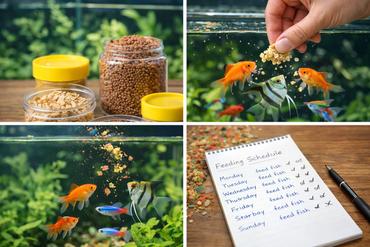
Overfeeding: In a small tank, uneaten food is a poison. Beginners often feed too much, thinking the fish are "hungry" because they swim to the glass. In reality, fish are opportunistic feeders and will eat until they bloat. Feed only what they can consume in 60 seconds. In a planted tank, any food that falls into the moss or dense foliage will rot and trigger a massive algae bloom.

Inadequate Lighting: Many beginners use the low-quality "stock" lights that come with 10-gallon kits. These are usually not strong enough to support live plants. If your plants are turning brown or "melting," it’s likely due to a lack of light or nutrients. Invest in a dedicated LED light bar designed for planted tanks to ensure your greenery produces the oxygen your fish need.

Neglecting Water Changes: Some people believe that because a tank has plants, they never need to change the water. This is false. Plants absorb nitrates, but they don't remove other dissolved solids or replenish minerals. A weekly 20–30% water change is the "secret sauce" to a thriving 10-gallon aquarium. It removes waste and brings in fresh minerals that both fish and plants require for growth.

Advanced Tips for the 10-Gallon Aquascaper

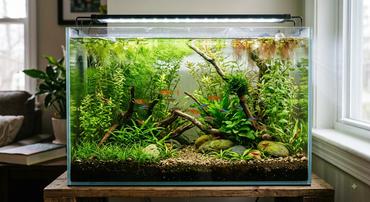
If you want to take your 10-gallon tank to the next level, consider the art of "Aquascaping." This involves using rocks (hardscape), wood, and plants to create a specific landscape. In a 10-gallon tank, "Iwagumi" style (focused on stones and low carpeting plants) or "Jungle" style (overgrown and wild) are very popular.

For a Jungle style, use fast-growing plants like Vallisneria or Hornwort. These plants are excellent at sucking up nutrients and providing a dense thicket for fish like Sparkling Gouramis to hide in. For a more manicured look, use "epiphytes" like Anubias Nana Petite or Java Fern 'Windelov.' These plants shouldn't be buried in the soil; instead, you tie or glue them to rocks and wood. This allows you to create vertical interest without needing a deep substrate bed.

Additionally, consider the use of CO2. While not strictly necessary for "low-tech" plants, a small CO2 system can make your plants grow twice as fast and look much more vibrant. In a 10-gallon tank, even a simple DIY citric acid system or a small pressurized canister can make a world of difference. Just be careful: too much CO2 can suffocate your fish, so always use a "drop checker" to monitor levels.

Final Takeaway: Building Your Perfect Nano Ecosystem

A 10-gallon planted tank is a beautiful responsibility that offers a window into a complex, miniature aquatic world. It requires a different mindset than a large tank; it is about the "micro," the detail, and the precision of the environment. By choosing small, peaceful species like Ember Tetras, Celestial Pearl Danios, or a single centerpiece Betta, and pairing them with hardy, nutrient-absorbing plants, you create a sustainable environment that is as easy to maintain as it is beautiful to look at.

The key to longevity in this hobby is patience. Do not rush the process. Let your plants grow, let your beneficial bacteria colonize, and add your fish slowly. A 10-gallon tank that is aged and well-maintained is far more impressive than a 50-gallon tank that is neglected. The satisfaction of seeing a school of tiny rasboras weaving through a forest of green that you grew yourself is unparalleled.

Ready to take the next step in your aquarium journey? Explore our extensive library of care guides, species profiles, and aquascaping tips to ensure your new 10-gallon masterpiece remains the highlight of your home. Whether you are a beginner or an intermediate keeper looking to refine your skills, the world of nano planted tanks has something to offer everyone. Happy fishkeeping!

Would you like me to create a customized planting plan or a specific stocking

The Benefits of Having a Nano Aquarium and Tips for Setting One Up
If you're fascinated by the beauty of aquatic life but think a full-sized aquarium might be too overwhelming, a nano aquarium could be the perfect solution.
Best Fish for a 10-Gallon Tank with Plants: A Complete Guide for Beginners
Starting a 10-gallon aquarium is one of the most exciting entry points into the fish-keeping hobby, offering a perfect balance between a manageable footprint and enough space to create a thriving underwater ecosystem.

MOST RECENT ARTICLES

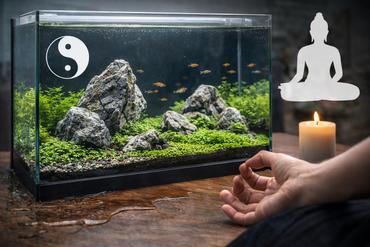
The Zen of Aquascaping: Using Iwagumi Principles for Mindfulness and Stress Relief
THE ZEN OF AQUASCAPING: USING IWAGUMI PRINCIPLES FOR MINDFULNESS AND STRESS RELIEF
In the modern world, the constant noise of digital notifications and the fast-paced demands of daily life often leave us searching for a sanctuary where we can reclaim a sense of peace.
The Rise of Smart Leak Detection: Protecting Your Home from Aquarium Disasters
THE RISE OF SMART LEAK DETECTION: PROTECTING YOUR HOME FROM AQUARIUM DISASTERS
There is no sound more terrifying to an aquarium hobbyist than the slow, steady drip of water hitting a hardwood floor in the middle of the night.
Voice-Controlled Aquariums: Integrating Your Tank with Alexa and Google Home
VOICE-CONTROLLED AQUARIUMS: INTEGRATING YOUR TANK WITH ALEXA AND GOOGLE HOME
The modern aquarium hobby is undergoing a digital transformation that goes far beyond high-tech filters and LED lighting.

Rate This Tank:

GENERAL AQUARIUM ARTICLES
Top Fish for Community Tanks
Creating a thriving community aquarium is one of the most rewarding experiences in the fish-keeping hobby, offering a dynamic window into a complex underwater ecosystem.
Top 10 Beginner-Friendly Freshwater Fish (Ranked by Ease of Care)
Diving into the world of freshwater aquariums is an exhilarating journey, but for many beginners, the initial excitement is often met with the daunting challenge of keeping their new aquatic residents alive and thriving.
Aquarium Water Changes: How Often and How Much?
Maintaining a thriving aquarium is often described as a balancing act, and no single task is more critical to that balance than the routine water change.
Blackwater Aquariums: How Tannins Improve Fish Health and Reduce Stress
The mysterious, tea-colored depths of a blackwater aquarium may look "dirty" to the uninitiated, but for many tropical fish species, these tannin-rich environments are a slice of paradise.
Top 10 Nano Predators (and How to Keep Them Peacefully)
The allure of the predatory fish has long been a driving force in the aquarium hobby, drawing enthusiasts toward the raw, primal energy of nature's most efficient hunters.
Betta Fish in a Planted Tank: Setup, Care & Mistakes to Avoid
The Betta fish, with its cascading fins and kaleidoscopic colors, has long been the victim of the "bowl" myth, but modern aquarists are finally recognizing that these intelligent, labyrinth-breathing creatures truly flourish when placed in a living, breathing ecosystem.
Best Fish for a 10 Gallon Tank with Plants
Setting up a 10-gallon planted aquarium is one of the most rewarding projects a hobbyist can undertake, offering a perfect slice of nature that fits comfortably on a desk or side table.
AI and Smart Technology in Aquariums: The Future of Fishkeeping
Technology is transforming the aquarium hobby faster than ever before.
Beginner-Friendly Oddball Fish: Unique Species That Work in Small Tanks
Want something cooler than guppies and tetras in your small aquarium, but not ready for ultra-demanding species?
Beginner Aquarium Mistakes That Kill Fish in the First 30 Days
The first 30 days of owning an aquarium are often referred to as the "danger zone" for both the hobbyist and the fish.
Aquarium Temperature Guide: What’s Best for Your Fish?
Maintaining the perfect environment for your aquatic pets is a delicate balancing act, and temperature is arguably the most critical variable in the equation.
Aquarium Hardscape Guide: Dragon Stone, Seiryu, Spider Wood & More.
Creating a captivating underwater landscape is about more than just choosing the right fish; it is about building a foundation that mimics the natural world.
Fish Compatibility Checker: How to Build Peaceful Freshwater and Saltwater Communities
Starting a new aquarium is one of the most exciting moments in the hobby, but nothing halts that enthusiasm faster than waking up to find a once-vibrant community decimated by aggression or stress.
How to Fix Cloudy Water Fast (White, Green & Yellow Water Explained)
There is perhaps no greater disappointment for an aquarium enthusiast than approaching a carefully curated tank only to find the view obscured by a thick, mysterious haze.
Low-Light Aquarium Plants for Beginners
The transition from a basic fish tank to a lush, living underwater garden is often the most rewarding milestone for any aquarium enthusiast.
Driftwood in Aquariums: Benefits, Types, and How to Prepare It Safely
Adding a piece of driftwood to your aquarium is one of the most transformative decisions you can make as a hobbyist, shifting your tank from a simple glass box to a vibrant, living slice of nature.
The Benefits of Having a Nano Aquarium and Tips for Setting One Up
If you're fascinated by the beauty of aquatic life but think a full-sized aquarium might be too overwhelming, a nano aquarium could be the perfect solution.
Cherry Shrimp Care for Beginners: Tank Setup, Water, and Breeding Tips
Cherry shrimp (Neocaridina davidi) have revolutionized the freshwater aquarium hobby, transforming the way enthusiasts view small-scale ecosystems.
Aquascaping for Beginners: Designing a Natural Underwater Landscape
Aquascaping is the transformative art of arranging aquatic plants, stones, driftwood, and substrate in a way that transcends the traditional fish tank, turning a glass box into a living, breathing underwater masterpiece.
Best Fish for a 10-Gallon Tank with Plants: Top Choices for a Thriving Nano Aquarium
Starting a 10-gallon aquarium is one of the most exciting entries into the fish-keeping hobby, offering a perfect balance between a manageable footprint and enough space to create a stunning underwater garden.
Aquarium Science Myths: 10 Outdated Fishkeeping Rules You Should Stop Following
The world of fishkeeping has evolved dramatically over the last few decades, moving away from anecdotal "old wives' tales" toward a more rigorous, science-based approach to aquatic husbandry.
Creative hacks to keep your aquarium clean
Let’s be honest: while we all love the tranquil beauty of a thriving underwater ecosystem, very few of us actually enjoy the back-breaking labor of scrubbing algae at 10:00 PM on a Sunday.
How to Build an Automatic Fish Feeder
Every aquarium hobbyist knows the subtle anxiety that creeps in the moment you lock your front door for a weekend getaway or a well-deserved vacation.
Early Disease Identifications in the Tank
Maintaining a thriving aquarium is a rewarding journey, but even the most diligent hobbyist will eventually face the challenge of a sick fish.
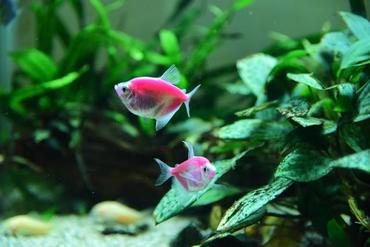
What Are GloFish and How Do You Care for Them?
Bright, glowing fish that look like they belong in a science fiction movie have become a familiar sight in modern aquariums.
Aquarium Water Chemistry Made Simple: pH, Hardness, and Healthy Fishkeeping
Walking into a local fish store and seeing a vibrant display of neon tetras or majestic angelfish is enough to make anyone want to dive headfirst into the aquarium hobby.
Best Fish for a 10-Gallon Tank with Plants: A Complete Guide for Beginners
Starting a 10-gallon aquarium is one of the most exciting entry points into the fish-keeping hobby, offering a perfect balance between a manageable footprint and enough space to create a thriving underwater ecosystem.
CO2 for Planted Aquariums: A Beginner’s Guide to Healthier, Faster Growth
While many aquarium hobbyists start their journey with low-light plants like Anubias or Java Fern, they often find themselves wondering why their tanks do not look like the lush, vibrant underwater jungles seen in professional aquascaping competitions.
Quarantine Tanks Explained: Why Most Fish Loss Happens in the First 30 Days
The first month after you bring home new fish is when most preventable losses happen—often because the fish are stressed, carrying hidden parasites, or placed into a tank that isn’t ready for them.
History Of Fish Keeping As A Hobby
Fish keeping is one of the world’s oldest and most enduring hobbies, blending art, science, and a deep fascination with aquatic life.
Emergency Power Outages: How to Protect Your Aquarium
Few things strike fear into the heart of an aquarium hobbyist like a sudden power outage.
Fishless Cycling vs Fish-In Cycling: Which Method Is Best for Your Aquarium?
Setting up a new aquarium is one of the most exciting moments in the fishkeeping hobby—but it’s also where most beginners unintentionally make mistakes that lead to stressed fish, disease outbreaks, or early losses.
Brackish Aquariums for Beginners: Reliable Setups, Stocking, and Salinity Tips
The world of fishkeeping is often divided into two clear-cut camps: freshwater and saltwater.
How to Keep Your Tank Safe During a Power Outage
A power outage is every aquarium hobbyist’s worst nightmare, often striking at the most inconvenient times—during a summer thunderstorm or a winter blizzard.
What Is Driftwood Doing in Your Tank?
Adding a piece of driftwood to your aquarium is one of the most effective ways to transform a sterile glass box into a thriving, natural ecosystem.
3 Problems Every Aquarist Can Avoid
The transition from admiring a beautiful aquarium to successfully maintaining one is often marked by a series of "ah-ha" moments and, unfortunately, a few heartbreaks.
Aquarium Fish Medications - Do or Don't?
Learn about how aquarium fish medications work and what diseases they may be used for.
Aquascaping Tips to Reduce Aggression in Fish
Walking into a room and seeing a beautifully scaped aquarium is supposed to be a Zen experience, but for many hobbyists, that peace is shattered by the sight of a dominant fish relentlessly chasing its tank mates.
Spring Cleaning: How to Clean and Give Your Old Tank New Life
Keeping your tank clean is about more than just aesthetics - it also affects your fish.
Why Your Aquarium Lighting Matters More Than You Think
For many new hobbyists, setting up an aquarium feels like a balancing act between water chemistry, filtration, and choosing the right fish.
Tips for Spotting Signs of Distress in Your Fish Before It's Too Late
When you see signs of stress in your fish, you can then take steps to identify the source of that stress and then to resolve it before it becomes a major issue.
How to Buy Aquarium Supplies Online
The transition from browsing the aisles of a local pet store to navigating the vast digital landscape of online aquarium retailers marks a significant milestone for any hobbyist looking to expand their aquatic horizons.
How Cycling the Tank Can Stress Your Fish
Setting up a new aquarium is one of the most exciting moments in the fishkeeping hobby, but it’s also where many beginners unknowingly create stressful — and sometimes deadly — conditions for their fish.
Eco-Friendly Aquarium Guide: Energy-Saving Gear and Responsible Stocking
The aquarium hobby offers a unique window into the wonders of the aquatic world, but as any seasoned hobbyist knows, maintaining a slice of the ocean or a tropical river in your living room requires a significant amount of resources.
Do You Know What You Are Feeding Your Fish?
Walking down the aquarium aisle of a local pet store can be a dizzying experience.
Why Keep Aquarium Fish?
There is something inherently hypnotic about the slow, rhythmic movement of a well-maintained aquarium.
What You Need to Know About All-in-One Aquariums
For many aspiring aquarists, the sheer volume of equipment required to start a successful tank—sumps, plumbing, external filters, and lighting—can feel overwhelming.
Is My Fish Stressed? A 10-Minute Checklist to Prevent Emergencies
Walking into a room and seeing your fish acting unusual can be a heart-sinking experience for any hobbyist.
The Right and Wrong Way to Catch Fish
There is perhaps no moment more stressful for both an aquarist and their aquatic residents than the sight of a blue mesh net dipping into the water.
Simple Tips for Building a Saltwater Tank Without Breaking the Bank
The allure of a saltwater aquarium is undeniable—the vibrant colors of a Coral Beauty Angelfish, the rhythmic pulsing of Xenia corals, and the fascinating symbiotic relationship between a Clownfish and its anemone are enough to captivate any nature lover.
Smart Planted Tanks: Budget Automation for Lighting, CO₂, and Safety
Maintaining a lush, vibrant planted aquarium often feels like a balancing act between a rewarding hobby and a full-time job.
Do You Need CO₂? Three Proven Paths to a Healthy Planted Tank
The lush, vibrant landscape of a masterfully scaped planted aquarium is often what draws newcomers into the hobby, but it is also the source of the most common question: do I really need a CO2 system to achieve this?
Community Fish Compatibility Guide
Creating a thriving community aquarium is one of the most rewarding aspects of the fish-keeping hobby, but it requires much more than simply picking out the most colorful fish at the local pet store.
Read more articles (55)

READ AQUARIUM ARTICLES